


Have you ever found yourself with leftover chicken and wondered if you could share it with the birds in your backyard? It's a question that might seem simple, but it's filled with curiosity and concern for the feathered friends that brighten up your day.
Feeding birds is a delightful hobby that connects you to nature, but knowing what’s safe for them is crucial. Could chicken, a staple in many diets, be the unexpected treat they enjoy, or does it pose hidden risks? By the end of this article, you'll have a clear answer and some surprising insights into bird nutrition that might just change the way you think about feeding birds altogether.
So, grab your cup of coffee and let's explore whether chicken is a feast or a faux pas for your backyard visitors.
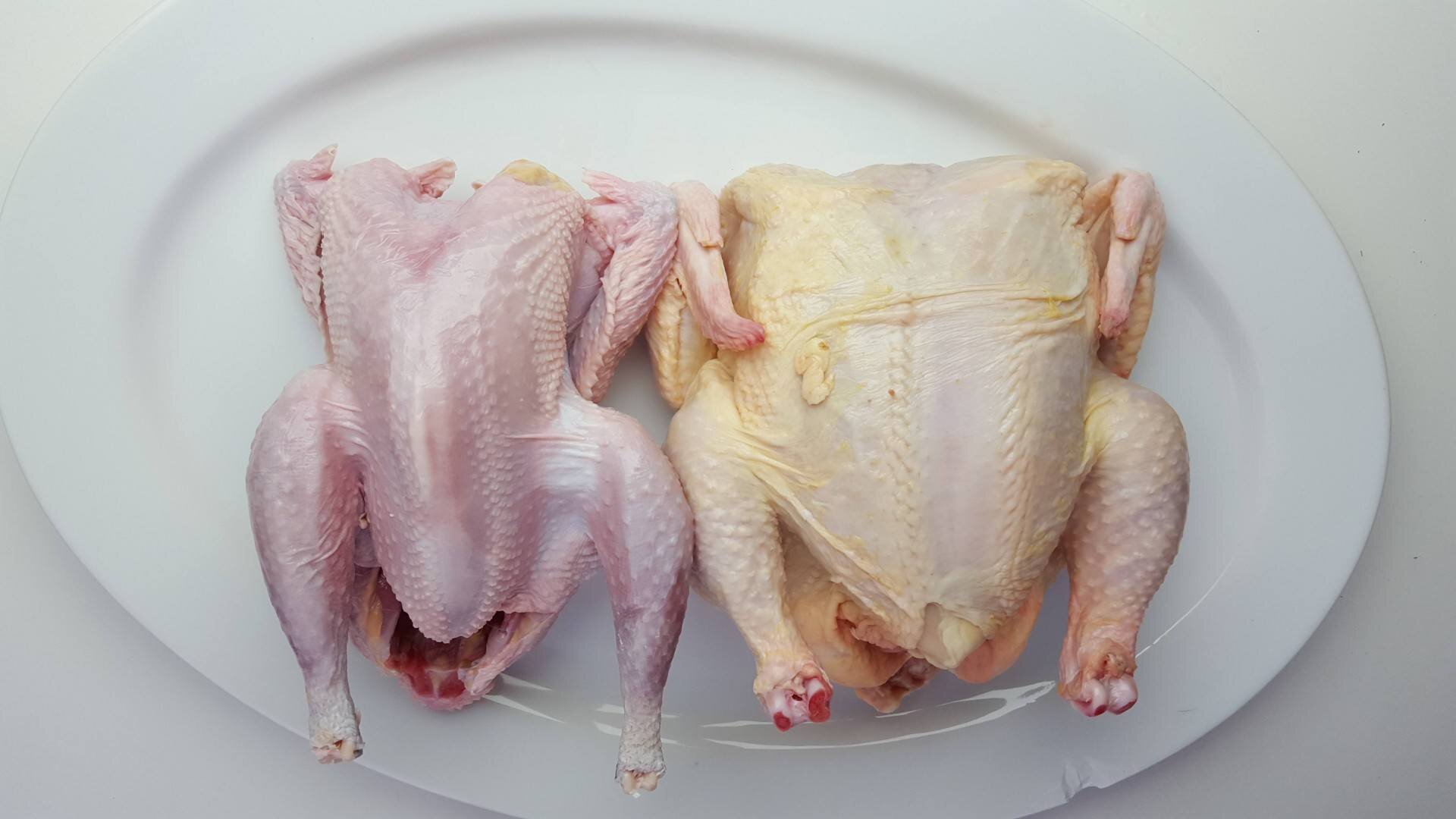
Credit: www.maplecreekpoultry.com
Birds And Their Dietary Needs
Understanding what birds eat is crucial for their health. Each bird species has specific dietary needs. While some birds thrive on seeds, others need protein-rich diets. Feeding birds inappropriate food can harm them. Knowing their dietary requirements helps avoid this.
Understanding Bird Nutrition
Birds need a balanced diet to stay healthy. Their diet includes proteins, fats, carbohydrates, vitamins, and minerals. Different birds have varied nutritional needs based on their species and habitat. For instance, nectar feeders need sugary substances. Birds like hawks require high protein intake. Ignoring these needs can lead to health issues.
Do All Birds Eat Meat?
Not all birds eat meat. Some are herbivores, others are omnivores or carnivores. Herbivores mainly eat seeds and plants. Omnivores consume a mix of plants and insects. Carnivorous birds prefer meat. Understanding these categories helps in feeding them correctly.
Risks Of Feeding Birds Chicken
Feeding chicken to birds can be risky. Chicken is processed and often contains spices. These additives can harm birds. Some birds might develop digestive issues. Others could face nutritional imbalances. It’s safer to stick to their natural diet.
Alternatives To Chicken For Birds
Consider feeding birds natural food sources. Offer seeds, nuts, or fruits for plant-eating birds. Insects and mealworms suit insectivorous birds. These options match their dietary needs. Ensuring a natural diet keeps birds healthy and thriving.
Nutritional Requirements
Feeding birds chicken isn't ideal due to nutritional imbalances. Birds require specific nutrients not found in chicken. Providing a balanced diet ensures their health and vitality.
Feeding birds requires understanding their nutritional needs to ensure they thrive. Birds, like all creatures, need a balanced diet to maintain health and vitality. But when you think about feeding birds chicken, it's important to know what nutrients are essential for their diet.
Essential Nutrients
Birds need a variety of nutrients to stay healthy. These include carbohydrates, proteins, fats, vitamins, and minerals. Carbohydrates give birds the energy they need to fly and forage. Vitamins and minerals, though needed in small amounts, are crucial for their immune system and overall health. Ever noticed how birds are always busy and active? That's the result of a well-balanced diet.
Protein Sources
Protein is an essential part of a bird's diet. It supports muscle development and feather growth, which is critical for flying and staying warm. While chicken is rich in protein, it's not always the best choice for birds. Chicken lacks some of the diversity found in other protein sources. Insects, seeds, and nuts provide a more balanced protein profile for birds. Have you ever seen a bird pecking at the ground in your garden? They're likely searching for these natural protein sources. When considering feeding birds chicken, ask yourself if you're meeting their specific dietary needs. Would you rely solely on one type of food for your meals? Diversifying their diet ensures they get everything they need to thrive.
Chicken As Bird Food
Feeding birds chicken can be an interesting idea for bird enthusiasts. Many backyard bird lovers wonder about its suitability. Understanding its benefits and drawbacks is essential.
Pros And Cons
Chicken offers protein to birds. It helps them build strong muscles. Birds need protein for energy. Feeding them chicken can be a good option. But there are downsides too. Chicken is often processed. It may contain preservatives. Birds may not benefit from additives. Excessive salt can harm birds. Always check the chicken's content before feeding.
Types Of Chicken For Birds
Different types of chicken suit birds. Cooked chicken is safe for birds. It is easy to digest. Avoid fried chicken. It contains too much oil. Oil can upset a bird's stomach. Grilled chicken is another option. It retains nutrients. Raw chicken is dangerous. It carries bacteria. Always cook chicken before serving.

Credit: www.dineachook.com.au
Safety Considerations
Feeding birds chicken can pose health risks. Chicken might contain harmful bacteria that can make birds sick. It's important to ensure any food given is safe and suitable for birds.
Feeding birds can be a delightful experience, connecting you with nature in a special way. However, not all foods are safe for our feathered friends. If you're considering offering chicken, it's crucial to understand the safety considerations involved. By ensuring the food you provide is safe, you help maintain the health and vitality of the birds visiting your garden.
Potential Risks
Feeding birds chicken might seem harmless, but there are risks involved. Chicken, especially if seasoned or cooked with oils, can lead to digestive problems in birds. Bones pose a choking hazard, and preservatives found in processed chicken can be toxic. It's crucial to think about these risks before tossing leftover chicken to birds.
Safe Preparation Methods
If you decide to feed chicken to birds, preparation is key. Offer only plain, cooked chicken free from seasonings and oils. You can shred the meat into small, manageable pieces, ensuring it's easy for birds to consume. Always check for bones and remove them completely. Providing fresh chicken is essential; spoiled meat can cause illness. Consider boiling the chicken to keep it simple and healthy. As you think about feeding chicken to birds, ask yourself: Is it worth the risk? By taking the necessary precautions, you contribute to a safer feeding environment.
Alternatives To Chicken
Feeding birds chicken may not be the best choice. Birds need a balanced diet to thrive. Offering them suitable alternatives ensures their health and happiness. Below are some alternatives to feeding birds chicken.
Vegetarian Options
Fruits and vegetables are great for birds. Apples, grapes, and berries are popular. Chop them into small pieces. Leafy greens like spinach are also good. Cooked rice or pasta makes a tasty treat. Avoid adding salt or spices. Seeds and nuts provide essential nutrients. They should be unsalted and unroasted.
Commercial Bird Food
Commercial bird food is convenient. It contains essential vitamins and minerals. Choose a mix suitable for your bird type. Pellets are a balanced option. They prevent selective eating. Seed mixes are also available. Ensure they are fresh and free from mold. Always read the label for ingredients. Avoid artificial colors and preservatives.
Credit: nutrenaworld.com
Feeding Tips
Birds can eat cooked chicken in moderation. Ensure it's plain and free from spices or sauces. Cooked chicken provides protein but should not replace their regular diet.
Feeding birds can be a delightful hobby, but when it comes to sharing your kitchen treats, you might wonder if chicken is on the menu. Birds can eat chicken, but there are key tips to ensure they enjoy it safely and healthily. In this section, we’ll explore how to manage portion sizes and how often you should offer this treat to your feathered friends.
Portion Control
Controlling the amount of chicken you feed birds is crucial. Birds have small stomachs and can easily overeat if not monitored. A small piece, about the size of a pea, is usually sufficient. Think about how you feel after a big meal. Birds can feel overwhelmed too. Offering too much can lead to digestive problems. Keep portions small and consider mixing it with other bird-friendly foods. It's like sharing a snack with a friend. You wouldn’t give them an entire cake, right? The same goes for birds—share, but with thoughtfulness.
Frequency Of Feeding
How often should you feed chicken to birds? Occasionally is key. Chicken should be a treat, not a daily meal. Once or twice a week is enough to keep them curious and healthy. Remember, variety keeps life interesting. Birds enjoy exploring different tastes, just like you might enjoy trying new cuisines. Offering chicken too frequently can make them dependent and less interested in their usual diet. Ask yourself: Would you like to eat the same thing every day? Birds thrive on diversity. Mixing up their meals encourages natural foraging behaviors and keeps them happy. By thoughtfully considering portions and frequency, you're not just feeding birds—you're nurturing their health and happiness.
Observing Bird Health
Observing bird health is crucial when introducing new foods into their diet, such as chicken. Birds have specific nutritional needs, and any deviation can impact their well-being. As a bird owner, you need to be vigilant and aware of how dietary changes affect your feathered friends.
Signs Of Dietary Issues
Watch for unusual behavior or physical changes in your birds after feeding them chicken. Are they less active or showing signs of fatigue? Check for changes in plumage—dull feathers could indicate a nutritional imbalance. Also, observe their droppings; drastic changes can signal digestive problems.
Once, I noticed my parakeet was unusually lethargic after a dietary shift. It turned out the chicken had upset his digestion. This highlighted how quickly dietary issues can manifest. If you see similar signs, take immediate action to adjust their diet.
When To Consult A Vet
If signs of dietary issues persist, consulting a vet should be your next step. They can provide insights specific to your bird's species and dietary needs. If your bird shows prolonged signs of illness or distress, professional advice is crucial.
Consider this: your bird's health is in your hands, but you're not alone. A vet can offer guidance and ensure your bird gets the proper nutrition. Have you considered how valuable expert advice can be in keeping your bird happy and healthy?
Don't wait for symptoms to worsen. Your proactive approach could make all the difference in your bird's health and happiness.
Frequently Asked Questions
Can Birds Safely Eat Chicken Meat?
Yes, birds can eat small amounts of cooked chicken. It's a good protein source, but avoid seasoning and bones. Ensure chicken is well-cooked to eliminate bacteria. It's important to offer a balanced diet, so chicken should only be an occasional treat for birds.
Is Raw Chicken Harmful To Birds?
Yes, raw chicken can be harmful to birds. It may contain harmful bacteria like Salmonella. Always serve cooked chicken to birds to avoid health risks. Raw chicken can also pose choking hazards and should never be part of a bird's diet.
How Often Should Birds Eat Chicken?
Birds should eat chicken sparingly. It's best as an occasional treat, not a staple. A balanced diet is crucial for birds' health. Too much chicken can lead to nutritional imbalances. Always prioritize a varied diet with seeds, fruits, and vegetables.
Can All Bird Species Eat Chicken?
Not all bird species should eat chicken. While some birds can digest it, others may not. Always research the specific dietary needs of your bird species. Some birds may have allergies or dietary restrictions, so consult a veterinarian if unsure.
Conclusion
Feeding birds chicken raises many concerns. Birds can eat it, but moderation is key. Chicken provides protein, but not all nutrients birds need. Balance their diet with seeds, fruits, and grains. Watch for any signs of illness after feeding. Always ensure chicken is cooked and unseasoned.
Raw or seasoned chicken can harm them. Fresh water is essential too. Consult a vet if unsure about diet choices. Providing diverse food ensures healthy, happy birds. Remember, a varied diet supports their well-being. Consider local bird species' dietary needs.
Thoughtful feeding creates a safe environment for our feathered friends.