


Have you ever found yourself tossing a handful of almonds to your feathered friends, only to wonder if you’re doing them more harm than good? You’re not alone.
Many bird enthusiasts like you are curious about what foods are safe for birds and which ones should be avoided. As someone who cares about the health and happiness of your garden visitors, knowing what to feed them is crucial.
Almonds are a popular snack for humans, but can birds enjoy them too? Stick around to uncover the truth about feeding birds almonds, and discover the best ways to keep your backyard sanctuary thriving.

Credit: avianreport.com
Bird Nutrition Basics
Birds enjoy a variety of foods, and almonds can be a nutritious option. Rich in protein and healthy fats, almonds provide essential nutrients. Be sure to offer them in moderation and unsalted to ensure a safe and balanced diet for your feathered friends.
Understanding the basics of bird nutrition is crucial if you're considering feeding almonds to your feathered friends. Birds, much like humans, require a balanced diet to thrive. Their nutritional needs vary significantly depending on the species, size, and lifestyle.
Understanding Essential Nutrients
Birds need a variety of nutrients to stay healthy. Proteins, carbohydrates, fats, vitamins, and minerals all play vital roles in their diet. Proteins help with muscle development, while carbohydrates provide energy. Fats, though often viewed with caution, are essential for maintaining healthy feathers and providing energy reserves. Have you ever watched a bird meticulously choose its food? It's not random. Birds instinctively seek out the nutrients they need. But they don't always have access to a balanced diet, especially in urban areas.
The Role Of Seeds And Nuts
Seeds and nuts are popular food choices for many bird species. They are rich in fats and proteins. However, not all seeds and nuts are created equal. Some provide more beneficial nutrients than others. Almonds, for instance, are high in healthy fats and protein. But can all birds safely eat them? It's essential to know which birds can benefit from them and which should avoid them.
Balancing Treats With Regular Diet
Feeding birds should be about balance. Providing almonds as an occasional treat can be beneficial. But should almonds replace their regular diet? Absolutely not. Consider your own diet—treats are enjoyable, but they don't replace the nutrition of a well-rounded meal. The same goes for birds. Almonds can be a delightful addition but not the main course.
Observing Bird Behavior
One engaging way to understand bird nutrition is by observing their behavior. Notice how different birds react to different foods. Some might eagerly consume almonds, while others might show disinterest. Have you ever seen a bird drop a nut or seed? It might not be just picky eating. Birds have an instinct for what suits them best. Paying attention to these behaviors can guide you in offering the right foods.
Safety And Moderation
When offering almonds or any new food, safety and moderation are key. Too much of a good thing can be harmful. Almonds should be unsalted and given in small amounts. Think about your own experiences with moderation. Too much chocolate or coffee can lead to discomfort. Birds can face similar issues with overfeeding. Offering varied foods ensures they receive a balanced intake. Feeding birds can be a rewarding experience, both for you and the birds. By understanding their nutritional needs, you can make informed decisions that support their health and well-being.

Credit: www.birdfy.com
Almonds And Their Nutritional Value
Almonds are a popular snack for humans. But can they benefit birds too? Understanding the nutritional value of almonds is key. Almonds offer various benefits. They are rich in essential nutrients. This makes them a potential treat for feathered friends.
Almonds: A Source Of Healthy Fats
Almonds contain healthy fats. These fats are crucial for birds' energy. They help in maintaining their feathers. Healthy fats also support brain function. Birds can benefit from these fats. It helps them stay active and alert.
Proteins In Almonds
Proteins are important for birds. Almonds provide a good amount of protein. This nutrient is essential for growth. It also helps in repairing tissues. Protein-rich almonds can support bird health.
Vitamins And Minerals
Almonds are packed with vitamins. They contain vitamin E, which is crucial. This vitamin acts as an antioxidant. It helps in protecting cells from damage. Almonds also provide minerals like magnesium and calcium. These minerals support bone health in birds.
Fiber Content
Almonds are a good source of fiber. Fiber aids in digestion. It helps birds maintain a healthy gut. This can improve their overall well-being. Fiber-rich foods are vital for birds.
Caloric Density
Almonds are calorie-dense. This means they provide lots of energy. Birds need energy for flying and other activities. A small amount of almonds can offer significant energy. But moderation is important to prevent weight gain.
Benefits Of Almonds For Birds
Almonds offer essential nutrients for birds, enhancing their energy and overall health. These nuts provide protein, healthy fats, and vitamin E, which support feather growth and immune function. Feeding birds almonds in moderation can be a delightful treat, promoting vitality and well-being.
Feeding birds can be a delightful activity, offering them snacks that boost their health. Almonds, often hailed for their nutritional value, can be a great addition to a bird’s diet. These nuts are packed with essential nutrients that benefit birds in numerous ways. But what exactly makes almonds so beneficial for our feathered friends? Let’s dive into the specifics.
Protein And Healthy Fats
Almonds are a fantastic source of protein, crucial for birds’ muscle growth and repair. Protein helps birds maintain their energy levels, essential for flying and singing. Additionally, almonds contain healthy fats. These fats provide energy and help maintain a bird's glossy feathers. A healthy coat is not only attractive but also vital for insulation and protection. Have you noticed how lively and vibrant birds seem after munching on almonds?
Vitamins And Minerals
Almonds are rich in vitamins and minerals like Vitamin E and magnesium. Vitamin E is an antioxidant that protects birds from cellular damage. It helps keep their immune system strong, ensuring they stay healthy and active. Magnesium supports bone health, important for a bird's physical activities. Strong bones are essential for their daily adventures. So, when you add almonds to their diet, you're giving them a boost to fly higher and sing louder. Isn’t it fascinating how a simple nut can offer such a variety of benefits to birds? What other foods could you add to your backyard buffet to keep your feathered visitors happy and healthy?
Potential Risks Of Feeding Almonds
Feeding almonds to birds might seem like a nutritious option. But it comes with some risks. Almonds have qualities that can harm birds. Understanding these risks is crucial for bird lovers.
Choking Hazards
Birds have small throats. Almonds can pose a choking risk. Whole almonds are especially dangerous. Birds might try to swallow them. This can lead to choking. Always break almonds into small pieces. This reduces the risk significantly.
Cyanide Content In Bitter Almonds
Bitter almonds contain cyanide. Cyanide is poisonous. Even small amounts can be harmful. Birds can be sensitive to this toxin. Never feed birds bitter almonds. Sweet almonds are safer. But still feed them sparingly.
Safe Ways To Feed Almonds
Feeding almonds to birds can be a nutritious choice. Not all almonds are safe for birds, though. It's essential to know how to prepare and choose them properly. This ensures birds can enjoy this treat without harm. Let's dive into the safe ways to feed almonds to birds.
Choosing The Right Almonds
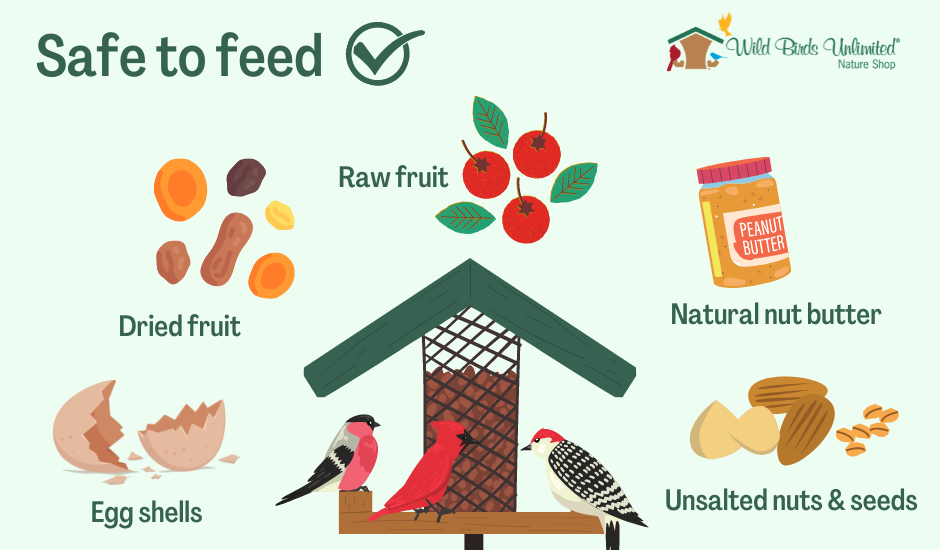
Raw and unsalted almonds are the best choice. Avoid almonds with added flavors or spices. These can upset a bird's stomach. Organic almonds are ideal. They have fewer chemicals that may be harmful. Always check for freshness. Old or moldy almonds can be dangerous.
Proper Preparation
Preparation is key to making almonds safe for birds. Start by washing the almonds thoroughly. This removes any pesticides or dirt. Chop them into small, manageable pieces. Birds have small beaks, so size matters. Crushing them can help. This makes it easier for birds to eat.
Soaking almonds overnight can soften them. Soft almonds are easier for birds to digest. Some birds may prefer them this way. Avoid cooking almonds with oil or salt. This can be harmful to birds. Always serve almonds plain and fresh.
Alternatives To Almonds
Almonds are popular for human snacks, but birds need variety. Feeding birds almonds regularly may not be ideal. Explore other food options for birds that are safe and nutritious.
Other Nut Options
Birds enjoy nuts for their taste and nutrients. Consider offering peanuts, which are affordable and packed with protein. Unsalted and raw peanuts are best for birds. Walnuts are another great choice. They have healthy fats that birds need. Break walnuts into smaller pieces for easy consumption.
Non-nut Snacks
Seeds are excellent alternatives for birds. Sunflower seeds are high in energy and loved by many bird species. Pumpkin seeds are nutritious and provide essential minerals. Fruits can be a delightful treat for birds. Apples sliced thin are easy for birds to eat. Berries offer vitamins and antioxidants. Fresh or dried berries both work well.
Vegetables provide nutrients and hydration. Offer peas and corn for a balanced diet. These snacks are safe and enjoyable for birds.
Signs Of Allergic Reactions In Birds
Feeding birds almonds might not always be safe. Some birds can have allergic reactions to certain foods, including almonds. Recognizing these signs is crucial for their health. Allergic reactions in birds can manifest differently than in humans. Knowing what to look for can help prevent serious health issues.
Birds can show varied symptoms when allergic. Watch for unusual behavior. Changes in eating habits may occur. Birds might avoid food or show disinterest. This could be a warning sign.
Skin Irritation
Look for skin issues. Redness or irritation might appear. Feathers could fall out or look ruffled. Check for swelling or lumps. This can indicate an allergic response.
Respiratory Problems
Breathing issues are serious. Birds might wheeze or gasp. Heavy breathing is a concern. Listen for coughing or sneezing. These symptoms require attention.
Digestive Distress
Digestive issues can arise. Birds might vomit or have diarrhea. Watch for changes in droppings. A change in color or consistency is notable. Monitor eating and drinking habits closely.
Behavioral Changes
Behavior can shift dramatically. Birds might become lethargic or overly active. Look for unusual movements. Birds might seem agitated or restless. Any change might signal an allergic reaction.
Credit: naturenotesblog.blogspot.com
Expert Opinions And Guidelines
Feeding birds can be a delightful pastime. But what about almonds? Are they safe for our feathered friends? Expert opinions provide valuable insights. Understanding these can help in making informed decisions.
Experts On Nutritional Value Of Almonds For Birds
Experts agree almonds are rich in vitamins and minerals. They contain essential nutrients like vitamin E and healthy fats. These nutrients can benefit birds' health. But moderation is key.
Potential Risks Of Feeding Almonds To Birds
Almonds can pose choking hazards. Especially for smaller birds. Always crush or chop them into smaller pieces. Also, avoid salted or flavored almonds. These can harm birds' delicate systems.
Recommended Almond Feeding Practices
Introduce almonds gradually into birds' diets. Observe their reactions and preferences. Provide fresh, unsalted almonds only. Ensure clean feeding areas to prevent contamination.
Consulting Avian Veterinarians
Consult avian veterinarians for specific advice. They can offer tailored guidance based on bird species. This ensures safety and health for your feathered companions.
Frequently Asked Questions
Are Almonds Safe For Birds To Eat?
Yes, almonds are safe for birds but in moderation. They are rich in nutrients but can be hard to digest. Always ensure they are unsalted and unsweetened. Almonds provide essential fats, proteins, and vitamins beneficial for birds' health. However, too many can lead to obesity.
Can Almonds Replace Bird Seeds?
Almonds should not replace bird seeds completely. While they are nutritious, seeds provide essential nutrients not found in almonds. Birds require a balanced diet, including seeds, fruits, and nuts. Almonds are best as occasional treats, enhancing their regular diet. Always ensure variety for optimal bird health.
How Should Almonds Be Prepared For Birds?
Almonds should be unsalted and unsweetened when fed to birds. Chop them into smaller pieces to avoid choking hazards. Soaking them can make them easier to digest. Always ensure they are fresh and free from mold. Proper preparation ensures safety and health for your feathered friends.
Do Birds Prefer Raw Or Roasted Almonds?
Birds generally prefer raw almonds over roasted ones. Roasting can strip some nutrients and add unhealthy oils. Raw almonds retain their natural nutrients, making them more beneficial. Always offer almonds without salt or seasoning. Birds appreciate the natural flavors and textures of raw almonds.
Conclusion
Feeding birds almonds can be a nutritious choice. Always ensure almonds are plain and unsalted. Birds enjoy a variety of foods, and almonds can be part of that mix. Offer them in moderation. Too many almonds may upset a bird’s diet balance.
Watching birds enjoy their treats is rewarding. It's important to provide a balanced diet for them. Birds, like people, need a little variety. Almonds can be a tasty treat. Remember to enjoy the experience and keep their health in mind.
Happy bird watching!