


Have you ever observed two different bird species together and wondered if they could mate? This intriguing question may have crossed your mind while watching the diverse birdlife in your backyard or on a nature walk.
Birds are fascinating creatures, with their vibrant plumage and unique behaviors captivating our attention. But when it comes to love and reproduction, their world is filled with complexities. By understanding whether two different bird species can mate, you gain insight into the wonders of nature and the mysteries of evolution.
This topic not only satisfies your curiosity but also deepens your appreciation for the delicate balance of ecosystems. Get ready to uncover surprising facts and revelations that will keep you hooked from start to finish.
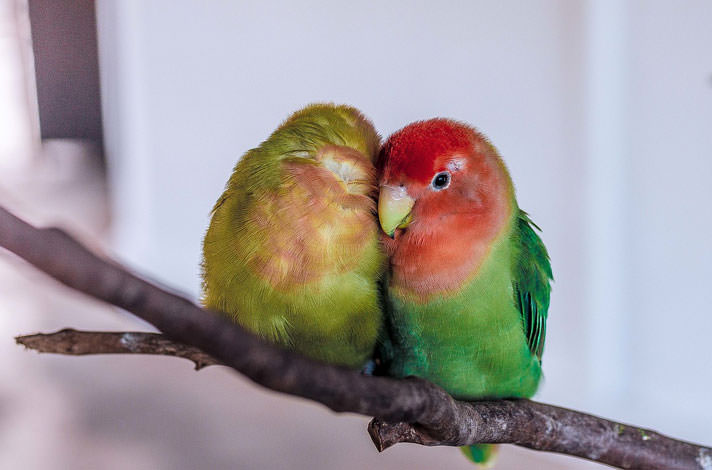
Credit: be.chewy.com
Hybridization In Birds
Birds are fascinating creatures, known for their diverse species. Sometimes, different bird species can mate, leading to hybridization. This process results in a new kind of bird, combining traits from both parent species. Hybridization in birds is a natural occurrence, though not common.
Bird enthusiasts find hybrids intriguing. They offer a glimpse into nature's creativity. These unique birds can exhibit traits from both parents. Their appearance and behavior often captivate bird watchers. Understanding hybridization helps appreciate the complexity of nature.
Common Examples
Some bird species frequently hybridize. The mallard duck often mates with other duck species. This results in various hybrids found in the wild. Another example is the finch. Darwin's finches are known for their diverse hybrids. These hybrids showcase the adaptability of birds.
Sparrows also hybridize. The house sparrow and tree sparrow can mate, producing hybrids. These examples highlight nature's ability to blend different species.
Factors Influencing Hybridization
Several factors influence bird hybridization. Proximity is crucial. Birds living close to each other are more likely to mate. Environmental changes also play a role. Altered habitats can force different species to interact.
Behavioral aspects impact hybridization too. Some birds are less selective in choosing mates. This increases the chance of hybrid offspring. Genetic compatibility is another factor. Not all bird species can produce viable hybrids.
Understanding these factors helps explain why hybridization occurs. It sheds light on the fascinating world of bird species interaction.
Genetic Compatibility
Birds of different species rarely mate due to genetic differences. These differences prevent successful reproduction. Occasionally, hybrid birds may occur, but they are uncommon and often sterile. Genetic compatibility plays a crucial role in determining if two bird species can mate successfully.
Understanding Genetic Compatibility in birds opens up a fascinating window into the natural world. While you might admire the vibrant plumage of different bird species and wonder if they can mate, the answer often lies in their genetic makeup. Each species has its unique genetic blueprint, and this determines whether or not two different bird species can successfully mate and produce offspring.
Chromosomal Differences
Birds, like all creatures, have chromosomes that carry their DNA. These chromosomes determine everything from their size to their ability to sing. Different bird species usually have varying numbers of chromosomes. Consider the peacock and the crow. They may both have feathers, but their genetic structures differ vastly. This chromosomal difference is a significant barrier to mating. Can you imagine a peacock-crow hybrid? It's not just unlikely; it's genetically impossible. Yet, some birds can cross-breed. Think of the mule, a cross between a horse and a donkey. In birds, similar hybrids are rare but not unheard of. However, these hybrids are often sterile, unable to produce offspring themselves. This brings us to the next crucial factor.
Role Of Dna
DNA is the fundamental building block of life. It dictates everything about a bird, from its song to its flight pattern. When two different species mate, their DNA needs to align well enough to create a viable embryo. Imagine attending a party where everyone speaks different languages. You might pick up a word or two, but having a meaningful conversation would be tough. Similarly, if the DNA of two bird species is too dissimilar, successful mating is unlikely. Some bird species, however, have similar enough DNA to produce hybrids. The common example is the mallard duck and the American black duck. They share enough genetic material to produce viable offspring. But even these offspring face challenges, often struggling to survive in the wild. Genetic compatibility isn't just about possibility but also about survival. Would you ever bet on a hybrid's chance in the wild? It's a risky gamble, one that nature often doesn't favor. So, when you spot two different birds interacting, remember that what seems like a simple courtship can actually be a complex dance of genetics. Are these birds potential mates, or just neighbors in a diverse avian community? The answer lies deep in their DNA.
Behavioral Barriers
Bird species have unique behaviors that prevent them from mating with others. These behaviors act as natural barriers. They ensure species remain distinct. Understanding these barriers helps explain why different bird species rarely mate.
Mating Rituals
Mating rituals are critical in bird species. Each species has its own dance or song. These rituals attract the right mate. Birds often choose partners based on these displays. A robin's mating call won't attract a sparrow. This specificity ensures they find the right mate for reproduction.
Territoriality
Birds are often territorial. They defend their space from others. This behavior prevents different species from sharing territories. A bird's territory is its safe space. It’s where it finds food and builds nests. Intruders are usually chased away. This territorial behavior limits interactions between different species.

Credit: www.nytimes.com
Environmental Influences
Environmental influences play a crucial role in bird species mating. These factors affect mating behaviors and possibilities between different bird species. Understanding these influences helps us learn about the natural world.
Habitat Overlap
When two bird species share the same habitat, chances of mating increase. They encounter each other more often, which may lead to interbreeding. The availability of resources like food and nesting sites in shared habitats also matters. It provides the necessary environment for successful mating and raising offspring.
Climate Impact
Climate changes can alter bird mating patterns. Warmer temperatures can shift breeding seasons. Changes in climate can cause birds to migrate to new areas. This can bring different species into contact. Such encounters may lead to unexpected mating opportunities.
Environmental changes affect food availability, too. Scarcity or abundance of food influences mating decisions. Birds might adapt by choosing new mates from different species. This adaptation helps them survive in changing conditions.
Consequences Of Hybridization
Hybridization among birds occurs when two different species mate. This event can lead to intriguing outcomes. Understanding the consequences of such interspecies mating is crucial for bird enthusiasts and ecologists alike.
Viability Of Offspring
Not all hybrid offspring are viable. Some may not survive to adulthood. Others might face health issues or have shorter lifespans. In some cases, hybrids are sterile, unable to reproduce. This limits their contribution to future generations.
Yet, certain hybrids thrive and possess unique traits. These traits can give them survival advantages. They may adapt to environments better than their parents. Such viability varies among different species combinations.
Ecological Effects
Hybrid birds can impact ecosystems. They may compete with native species for resources. This can disrupt local food chains and habitats. Sometimes, hybrids can introduce new behaviors or traits. These changes might alter ecological balances.
Hybrids also influence biodiversity. Their presence can lead to the emergence of new species over time. This adds complexity to ecological interactions. Understanding these effects helps in conserving bird populations.
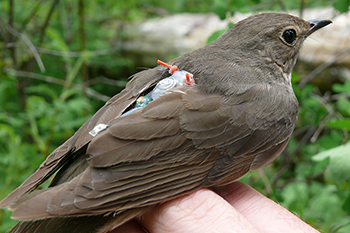
Credit: www.snexplores.org
Case Studies
Bird enthusiasts often wonder if two different bird species can mate and produce offspring. The answer isn't straightforward. While some species have successfully interbred, others face challenges that prevent hybridization. Let's delve into fascinating case studies that highlight both successful hybrids and failed attempts.
Successful Hybrids
Some bird species have defied expectations and successfully mated, resulting in hybrids. Take the example of the Mallard Duck and the Northern Pintail. These two species have been known to produce hybrid offspring, showcasing nature's surprising adaptability.
Another interesting case is the hybridization between the Blue-winged Warbler and the Golden-winged Warbler. Their offspring, known as Brewster's Warbler, possess unique characteristics from both parent species. These cases prove that hybridization can happen, under certain circumstances.
Do you think these hybrids are a triumph of nature or a result of environmental changes? The conversation around hybrid birds continues to evolve, challenging our understanding of species boundaries.
Failed Attempts
Not all mating attempts between different bird species result in hybrids. Some species simply can't produce viable offspring together. The American Robin and the European Blackbird, for instance, are genetically incompatible despite similarities in behavior and habitat.
Even closely related species like the House Finch and the Purple Finch have struggled to produce hybrids. These failures highlight the genetic barriers that exist, reminding us that nature has its limits.
Why do some species succeed while others fail? It could be a mix of genetic compatibility and environmental factors. As you observe birds in your backyard, consider the complex factors that influence their mating behaviors.
Understanding these case studies can deepen your appreciation for the complexity of nature. Whether successful or failed, each attempt tells a story about the intricate dance of evolution. As you explore the world of birds, keep an eye out for hybrid wonders or the simplicity of pure species interactions. What surprises might nature have in store for you?
Scientific Exploration
Scientific exploration of bird species mating is a fascinating topic. Scientists study if different bird species can produce offspring. This research helps understand biodiversity and evolution. It reveals the complexities of nature's reproductive systems. These investigations can inform conservation efforts. They also offer insights into hybridization and genetic diversity.
Research Methods
Researchers employ various methods to study bird mating behaviors. Observational studies in natural habitats provide valuable data. Scientists watch birds interact and record their behavior. They analyze the birds' mating rituals and compatibility. Laboratory experiments allow controlled studies. Genetic testing helps identify hybrid offspring. This confirms successful inter-species mating. Technology plays a crucial role, with GPS tracking and cameras providing real-time data.
Future Studies
Future studies aim to deepen our understanding of bird mating. Scientists plan to explore environmental factors. They will investigate how climate changes affect mating patterns. Researchers will use advanced genetic tools. These tools will help identify new hybrid species. Collaboration with global researchers will broaden knowledge. Continuous studies will contribute to conservation strategies. They will ensure diverse and healthy bird populations.
Frequently Asked Questions
Can Two Different Bird Species Interbreed?
In rare cases, two different bird species can interbreed. This usually happens between closely related species. The resulting hybrids may be fertile or sterile. Successful interbreeding depends on genetic compatibility. However, it's not common in nature due to behavioral and genetic barriers that prevent different species from mating.
What Are Bird Hybrid Examples?
Bird hybrid examples include the mule duck and the liger falcon. Mule ducks are hybrids between domestic ducks and muscovy ducks. Liger falcons result from hybridizing different falcon species. These hybrids demonstrate that cross-species mating can occur, but it's rare.
Hybrids often face challenges in survival and reproduction.
Why Is Bird Hybridization Rare?
Bird hybridization is rare due to behavioral and genetic barriers. Different species often have distinct mating rituals, preventing interbreeding. Genetic differences can also lead to sterile offspring. These factors maintain species boundaries. Evolution has developed these barriers to ensure species survival and adaptation to specific environments.
Are Hybrid Birds Fertile?
Hybrid birds can be fertile or sterile. Fertility largely depends on the genetic compatibility of the parent species. Some hybrids, like certain finch hybrids, can reproduce. However, many hybrids, such as mule ducks, are sterile. Fertility issues arise from genetic mismatches during meiosis, affecting offspring viability.
Conclusion
Bird species rarely mate successfully outside their kind. Hybrids are uncommon. Each species has unique traits and behaviors. These differences often prevent successful breeding. Nature has its checks. Species maintain their lineages through these natural barriers. It's fascinating to explore these dynamics.
Bird enthusiasts find joy in observing these patterns. Understanding bird behavior deepens our appreciation for nature. Curiosity drives us to learn more. The wonder of birds continues to captivate. Their diversity is a testament to nature’s complexity. Remember, every bird has its own story.
Keep observing and learning. Nature always has more to reveal.