


Have you ever found yourself with an extra handful of sesame seeds in the kitchen and wondered if your feathered friends could enjoy them too? You're not alone.
Many bird enthusiasts ask whether these tiny seeds are safe and nutritious for their backyard visitors. Before you sprinkle those seeds into your bird feeder, it's essential to understand the impact they can have on our avian companions. What if these seeds could become a favorite treat, attracting more vibrant and diverse birds to your backyard?
Or what if they could offer health benefits that you hadn't considered before? We'll explore the ins and outs of feeding sesame seeds to birds, so you can make informed decisions for your feathered guests. Get ready to discover if these seeds are a superfood for birds or better left in your pantry.

Credit: www.tiktok.com
Nutritional Value Of Sesame Seeds
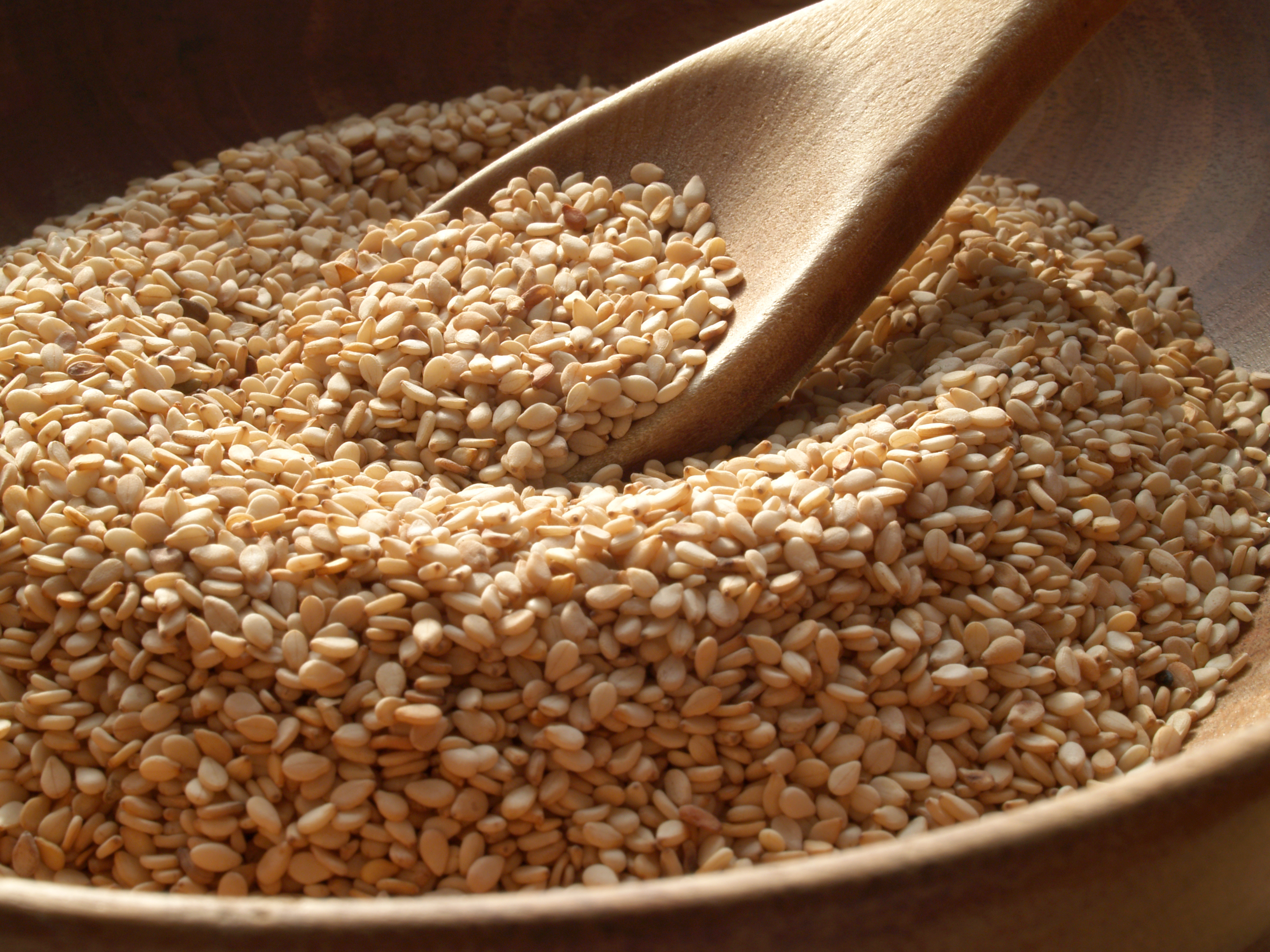
Sesame seeds are tiny but packed with nutrition. They offer several benefits for birds. These seeds provide essential nutrients that support bird health. Understanding their nutritional value helps decide if they're suitable for birds.
Protein Content
Sesame seeds contain a good amount of protein. Protein is vital for bird growth and repair. It helps maintain healthy feathers and muscles. Birds need protein for energy and overall health.
Rich In Healthy Fats
These seeds are rich in healthy fats. Fats provide birds with energy and help them stay warm. Healthy fats support brain function and overall vitality. They also keep a bird’s feathers shiny and strong.
Vitamins And Minerals
Sesame seeds contain vitamins like B-complex and E. These vitamins support a bird’s immune system and metabolism. Minerals like calcium and iron are also present. They promote strong bones and a healthy blood system.
Fiber For Digestion
Fiber in sesame seeds aids digestion. It helps prevent constipation and supports gut health. Birds benefit from fiber for smooth digestion. This is crucial for their overall well-being.
Antioxidant Properties
Sesame seeds have antioxidants that fight free radicals. Antioxidants protect bird cells from damage. This can boost a bird’s immune system. It helps them stay healthy in different environments.
Birds And Their Dietary Needs
Birds, like humans, need a balanced diet to stay healthy. Their diet varies with species, environment, and lifestyle. Wild birds have diverse diets. Some prefer seeds, while others enjoy insects, fruits, or nectar. Understanding these needs helps in providing the right food.
Seed-eating Birds
Seed-eating birds have strong beaks. They crack open seeds easily. These birds include sparrows, finches, and pigeons. Seeds provide essential nutrients and energy. Sesame seeds are small and easy to eat. They are a good choice for seed-eating birds.
Fruit And Nectar Lovers
Some birds love fruits and nectar. Hummingbirds and orioles are examples. They have specialized beaks to sip nectar. Fruits offer vitamins and natural sugars. These birds need a different diet than seed-eaters. Seeds may not fulfill their dietary needs fully.
Insectivorous Birds
Insectivorous birds feast on insects. Woodpeckers, warblers, and swallows belong here. They require proteins found in insects. Seeds can be a snack, but not a main meal. These birds help control insect populations naturally.
Importance Of Variety
A varied diet is crucial for bird health. It ensures they get all nutrients required. Offering different food types can attract diverse birds. This enriches your garden or backyard. Birds enjoy a mix of seeds, fruits, and insects.
Feeding Sesame Seeds
Sparrows and finches enjoy sesame seeds. They are rich in healthy fats. These seeds are small and easy to digest. Ensure they are clean and dry before feeding. Mix sesame seeds with other bird-friendly seeds for variety.
Benefits Of Sesame Seeds For Birds
Birds enjoy sesame seeds as a tasty treat. These seeds are packed with nutrients like calcium and iron, promoting strong bones and healthy blood. Small in size, they are easy for birds to eat and digest, making them a perfect addition to your bird's diet.
Feeding birds can be a delightful experience, especially when you discover what they enjoy and what benefits their health. Sesame seeds, with their tiny size and nutty flavor, might seem like an unexpected treat for birds, but they pack a punch of nutrition. Offering sesame seeds to your feathered visitors can be an excellent choice to enhance their diet and well-being.
Rich Source Of Nutrients
Sesame seeds are loaded with essential nutrients that birds need. They are rich in calcium, vital for strong bones and healthy egg production. Offering these seeds ensures birds get a nutrient boost without much effort from you.
Boosts Energy Levels
Birds require a lot of energy to fly, forage, and stay warm. Sesame seeds are high in fat content, providing the necessary energy to keep them active and healthy. You might notice more lively birds when you add sesame seeds to their diet.
Supports Feather Health
Feathers are crucial for a bird's survival, aiding in flight and temperature regulation. The oils in sesame seeds help maintain shiny and strong feathers. Better feather health can mean better survival skills for birds.
Easy To Digest
Birds need food that's not only nutritious but also easy to digest. Sesame seeds are small and manageable, making them simple for birds to eat and process. This means less wasted energy on digestion and more on their daily activities.
Encourages Foraging Behavior
Sprinkling sesame seeds around your garden can encourage natural foraging behavior. Birds will enjoy searching for these seeds, providing mental stimulation and exercise. This natural activity benefits their physical and mental health. Next time you see birds flitting around your garden, consider how adding sesame seeds might enrich their lives. Have you tried feeding sesame seeds to birds before? Their response might surprise you, and you could find yourself with more frequent feathered visitors.
Potential Risks Of Feeding Sesame Seeds
Feeding sesame seeds to birds poses potential risks. These seeds may cause digestive issues in some bird species. Also, high-fat content can lead to obesity in birds if consumed in excess. Always consult a vet before adding sesame seeds to their diet.
Feeding birds can be a delightful hobby, but it's essential to consider the potential risks involved with certain foods. One question that often arises is whether sesame seeds are safe for our feathered friends. While these tiny seeds are a popular ingredient in human diets, they may not always be suitable for birds. Understanding the potential risks can help you make informed decisions that keep your backyard visitors healthy and happy.
1. Possible Allergic Reactions
Birds can be sensitive to various foods, and sesame seeds are no exception. Some birds may experience allergic reactions after consuming these seeds. You might notice symptoms like sneezing, itching, or changes in behavior. Have you ever seen a bird scratching more than usual after eating something new? It's crucial to monitor their reactions closely and remove sesame seeds from their diet if you suspect an allergy.
2. Risk Of Mold And Contamination
Sesame seeds, like many other seeds, can harbor mold if not stored properly. Moldy seeds can be toxic to birds, leading to serious health issues. Always check the seeds for any signs of spoilage or contamination before offering them to birds. Have you ever thought about where you store your bird food? Ensure it's in a cool, dry place to minimize the risk of mold.
3. Nutritional Imbalance
While sesame seeds are nutritious, they might not provide a balanced diet for birds if consumed in large quantities. Relying too heavily on one type of seed can lead to nutritional imbalances, affecting a bird's health over time. Consider how you would feel eating only one type of food every day. It's essential to offer a varied diet to ensure birds get all the nutrients they need.
4. Potential Choking Hazard
Though small, sesame seeds can pose a choking hazard, especially for smaller birds. They might struggle to eat the seeds properly, leading to potential blockages. Have you ever seen a bird trying to swallow something too big? It's a reminder to be cautious about the size and type of seeds you offer. Feeding birds is not just about tossing seeds into a feeder. It's about understanding what works best for them and what could potentially harm them. By being aware of these risks, you can ensure your feathered friends remain healthy and happy visitors to your garden.
Safe Ways To Offer Sesame Seeds
Birds enjoy diverse diets. Sesame seeds can be a delightful treat. Offering them requires care, ensuring birds stay safe and healthy. Explore these safe methods to introduce sesame seeds to their diet.
Whole Seeds
Birds find whole sesame seeds tasty. Offer them in small amounts. This prevents overconsumption. Spread them on a flat feeder. This allows birds easy access. Monitor for any leftover seeds. Remove them to maintain cleanliness.
Ground Seeds
Ground sesame seeds are easier to digest. Some birds prefer this form. Grind seeds using a food processor. Sprinkle them over regular bird food. This encourages birds to try them. Keep portions small to avoid spoilage.
Mixed With Other Seeds
Mix sesame seeds with other bird seeds. This creates a balanced diet. Birds enjoy varied textures. Use a mix that includes sunflower and millet seeds. This combination keeps them interested. Monitor their eating habits closely.
Homemade Bird Treats
Incorporate sesame seeds into homemade bird treats. Use unsalted, natural seeds. Mix them with oats or peanut butter. Form small balls or cakes. Place them in feeders. Ensure treats are fresh and free from mold.
Moderation Is Key
Offer sesame seeds in moderation. Overfeeding can cause health issues. Monitor bird reactions. Adjust seed portions accordingly. Provide fresh water alongside seeds. Birds need hydration when consuming dry seeds.

Credit: www.wikihow.com
Alternatives To Sesame Seeds
Bird enthusiasts often wonder about feeding sesame seeds to birds. While sesame seeds are nutritious, there are other seeds that birds love. These alternatives can be more appealing and suitable for different bird species. Offering a variety keeps the birds healthy and attracts diverse visitors to your garden.
Sunflower Seeds
Sunflower seeds are a favorite among many bird species. They are rich in healthy fats and proteins. These seeds provide energy for birds, especially in colder months. The black oil variety is particularly popular. Its thin shell makes it easier for birds to eat.
Millet
Millet is small and easy to digest. Sparrows and finches are fond of it. This seed is high in carbohydrates. Millet helps birds maintain energy levels throughout the day. It is also inexpensive and readily available.
Niger Seeds
Niger seeds are tiny and packed with nutrition. Goldfinches and siskins love them. These seeds are rich in oils and proteins. Their small size makes them ideal for birds with slender bills. Niger seeds need special feeders with small holes.
Peanuts
Peanuts offer high energy content. They contain fats and proteins crucial for bird health. Many species, like woodpeckers, enjoy peanuts. Ensure peanuts are unsalted and free from additives. Whole or crushed, they make a great treat.
Safflower Seeds
Safflower seeds are a less common choice. They are bitter, which deters squirrels. Cardinals and grosbeaks find them tasty. These seeds are high in fats and proteins. Safflower seeds can be a unique addition to your bird feed mix.
Cracked Corn
Cracked corn is affordable and popular. Many ground-feeding birds prefer it. It is rich in carbohydrates. Cracked corn is great for attracting species like doves and quails. It can be mixed with other seeds to create variety.
Expert Opinions And Recommendations
Experts agree that sesame seeds can be a healthy treat for birds. They provide essential nutrients like protein and healthy fats. It's important to offer them in moderation to ensure a balanced diet.
Feeding birds can be a delightful experience. But when it comes to choosing the right seeds, it’s essential to consider expert opinions. Many bird enthusiasts wonder if sesame seeds are safe for birds. Experts provide valuable insights on this topic, offering recommendations that can guide your feeding choices.
What Do Avian Experts Say?
Avian experts generally agree that sesame seeds can be fed to birds in moderation. They highlight that these seeds are rich in nutrients, providing birds with essential vitamins and minerals. However, the experts caution against overfeeding, as birds require a balanced diet. Birds such as finches and sparrows enjoy sesame seeds. You might notice them picking at these tiny seeds with enthusiasm. While it's a joy to watch, remember that variety is crucial for their health.
Why Moderation Matters
Feeding birds sesame seeds should be a part of a varied diet. Experts recommend mixing sesame seeds with other bird-safe seeds like sunflower and millet. This ensures birds get a wide range of nutrients. Have you ever noticed birds ignoring certain seeds in a mix? It's often because they prefer variety. Providing a mix helps maintain their interest and supports their health.
How To Introduce Sesame Seeds Safely
To safely introduce sesame seeds, start by adding small amounts to your bird feeder. Monitor the birds' reactions and adjust the quantity based on their preference. If you notice any digestive issues, reduce the sesame seeds. Consider the size of the birds you are feeding. Smaller birds may struggle with larger seeds. Crushed sesame seeds can be a great alternative for them.
Expert Recommendations For Bird Feeding Enthusiasts
Experts suggest observing the birds' behavior and health closely. Create a feeding routine that includes diverse seed types, fresh water, and occasional fruits. This balanced approach keeps birds energetic and thriving. Do you enjoy watching birds flock to your backyard? Use expert advice to enhance their feeding experience. A healthy bird is a happy bird, and your thoughtful feeding choices make all the difference. Remember, engaging with nature is a rewarding activity. By following expert recommendations, you contribute positively to the birds' well-being. Wouldn't you want to ensure that your feathered visitors return for more delightful encounters?
Common Myths And Misconceptions
Many bird enthusiasts wonder about feeding sesame seeds to birds. While it seems simple, various myths and misconceptions surround this topic. Knowing the truth is vital for those who love birdwatching. Let's explore some common myths and separate fact from fiction.
Myth: Sesame Seeds Are Toxic To Birds
Some believe sesame seeds are harmful to birds. This is false. Birds can safely eat sesame seeds. They are a natural food source. Many birds enjoy them. Adding them to bird feeders is safe.
Myth: Birds Can't Digest Sesame Seeds
Another myth claims birds can't digest sesame seeds. Birds have strong digestive systems. They can process sesame seeds easily. This myth likely stems from misunderstanding. Birds eat various seeds in the wild.
Myth: Sesame Seeds Offer No Nutritional Benefits
Some say sesame seeds lack nutrients for birds. Sesame seeds are rich in protein and healthy fats. They provide energy and nutrients. Birds benefit from them in their diet. They help maintain health and vitality.
Myth: All Birds Eat Sesame Seeds
Not all birds prefer sesame seeds. Different species have different preferences. While many enjoy them, some may not. It's essential to offer a variety of seeds. This ensures birds get a balanced diet.
Myth: Sesame Seeds Will Attract Only Pests
People often worry about pests. Sesame seeds attract birds, not pests. Keeping feeders clean prevents pests. Regular cleaning ensures bird health and enjoyment.
Credit: www.aboutkidshealth.ca
Frequently Asked Questions
Are Sesame Seeds Safe For Birds To Eat?
Yes, sesame seeds are safe for birds. They are a nutritious food source. Rich in healthy fats and protein, sesame seeds provide essential nutrients. However, offer them in moderation to prevent overconsumption. Always ensure seeds are fresh and free from additives.
How Do Sesame Seeds Benefit Birds?
Sesame seeds provide essential nutrients for birds. They offer healthy fats, protein, and vitamins. These nutrients support birds' energy, feather health, and overall vitality. Including sesame seeds in a bird's diet can enhance their nutritional intake. Ensure they are part of a varied diet.
Can All Bird Species Eat Sesame Seeds?
Most bird species can safely consume sesame seeds. They are particularly favored by finches, sparrows, and doves. However, it's essential to observe any specific dietary needs. Always consult avian experts for species-specific dietary guidelines. This ensures the health and safety of your birds.
How Should I Prepare Sesame Seeds For Birds?
Offer sesame seeds raw and unsalted to birds. Avoid any added oils, salts, or seasonings. You can scatter them on a platform feeder. Mixing them with other seeds is also beneficial. This provides a balanced diet and reduces the risk of overconsumption.
Conclusion
Feeding sesame seeds to birds can be a good choice. These seeds provide essential nutrients. They are small and easy for birds to eat. Always offer seeds in moderation. Too many can upset their diet balance. Mixing sesame seeds with other seeds is smart.
It ensures a varied diet. Observe your birds' reactions. Each bird is unique. Some birds might like them, some might not. Always prioritize your bird's health and well-being. Consider consulting a vet for advice. Happy bird feeding!