


Have you ever watched wild birds fluttering around your garden and wondered if you could give them a little treat? If raisins come to mind, you're not alone in this curiosity.
Many bird enthusiasts are eager to share tasty snacks with their feathered friends, but not all foods are bird-friendly. Your intentions might be good, but could feeding raisins to wild birds actually harm them? This question is more common than you might think, and understanding the answer can make all the difference.
Stick around as we delve into the world of bird diets and discover whether those sweet little raisins are a safe snack for our avian companions. Your backyard might just become the favorite spot for the local bird community!

Credit: pettigrew-online.com
Benefits Of Feeding Birds
Raisins are a tasty treat for wild birds, offering natural sugars and nutrients. These dried fruits help birds stay energized and healthy. Observing birds enjoy raisins can enhance your backyard birdwatching experience.
Feeding birds can be a rewarding experience, offering a chance to connect with nature while supporting local wildlife. It also provides several benefits not only for the birds but for you as well. Watching birds flock to your yard can be a delightful scene, turning your garden into a lively sanctuary.
Nutritional Advantages
Birds require a balanced diet to thrive, much like you do. Raisins, for instance, are rich in natural sugars, providing a quick energy boost for our feathered friends. They also contain essential nutrients like fiber, potassium, and antioxidants. Including raisins as part of a bird's diet can supplement their nutritional intake, especially during colder months when food is scarce. Imagine the satisfaction of knowing you're helping a bird survive winter.
Behavioral Enrichment
Feeding birds is not just about nourishment; it also stimulates their natural behaviors. When you add different foods like raisins, you encourage foraging, a crucial skill for their survival. This not only keeps them active but also mentally engaged. Have you ever noticed how different birds have unique ways of picking food? Observing such behaviors can be a fascinating way to learn about bird species. It can also spark curiosity in children, making it an educational activity for the whole family. By feeding birds, you are not just filling their stomachs but enriching their lives. What other ways can you think of to make your garden a bird-friendly haven?
Raisins As Bird Food
Feeding wild birds can be a rewarding activity. Many bird enthusiasts wonder if raisins are suitable for birds. Raisins are dried grapes, often enjoyed by humans for their sweet taste. But do birds appreciate them too? Let's explore the benefits of raisins as bird food.
Nutritional Content Of Raisins
Raisins are rich in nutrients. They contain natural sugars, which provide energy. They also have dietary fiber. This helps in digestion. Raisins offer vitamins and minerals like potassium and iron. These nutrients support a bird's overall health. Their small size is perfect for small beaks. Yet, moderation is key. Too many raisins can cause issues.
Comparing Raisins To Other Bird Foods
Birds enjoy a variety of foods. Seeds are a staple in their diet. Seeds provide protein and fats. Fruits like apples also attract birds. Fruits offer vitamins and hydration. Raisins stand out for their sweetness. They can be a treat for birds. Compared to seeds, raisins lack protein. Compared to fresh fruits, they lack moisture. Raisins are not a complete food source. They are a supplement to a balanced diet.
Safety Concerns
Feeding wild birds can be a delightful activity. Yet, it's essential to consider their safety. Raisins are a popular choice, but they come with concerns. Understanding these concerns can ensure the well-being of our feathered friends.
Potential Health Risks
Raisins can pose health risks to birds. High sugar content might lead to obesity. Moldy raisins can cause digestive issues. Their small size may also be a choking hazard. Awareness of these risks is crucial for bird safety.
Signs Of Raisin Overconsumption
Birds consuming too many raisins might show signs of distress. Watch for changes in energy levels. Decreased appetite is another warning sign. These signs indicate it's time to adjust their diet.

Credit: pettigrew-online.com
Bird Species And Raisin Suitability
Raisins can be a tasty treat for wild birds. They provide energy and nutrients. Not all birds prefer them. Sparrows, robins, and bluebirds enjoy raisins. Always offer raisins in moderation. Ensure they are free from added sugars or coatings.
Feeding birds can be a delightful hobby, connecting you with nature right in your backyard. But have you ever wondered if raisins are a suitable snack for wild birds? Raisins, being dried grapes, are packed with natural sugars and nutrients, making them a potential treat for some bird species. However, not all birds can safely enjoy them. Understanding which birds can eat raisins and which should avoid them can enhance your bird feeding experience and ensure their health.
Birds That Can Eat Raisins
Some birds relish raisins as a tasty snack. Thrushes and blackbirds, for example, are often seen snacking on fruits. Their natural diet includes berries and fruit, making raisins a suitable addition. Imagine watching a blackbird hop around your garden, picking up raisins with delight. Robins are another species that can enjoy raisins. Their diet often includes fruit, especially during winter when insects are scarce. Offering raisins can help them get through colder months when food is limited. When offering raisins, consider chopping them into smaller pieces. This makes it easier for birds to eat and digest. Have you tried adding raisins to your bird feeder? You might be surprised at the variety of birds that come to visit.
Birds That Should Avoid Raisins
While some birds can enjoy raisins, others should steer clear. Birds with specialized diets, like hummingbirds, should avoid raisins. Their primary food source is nectar, and raisins don't fit into their nutritional needs. Similarly, parrots and birds with sensitive digestive systems might struggle with raisins. The high sugar content can be overwhelming and potentially harmful. It's always best to know your local bird species and their dietary requirements. You wouldn't want to offer something harmful, right? Observing bird reactions can be insightful. If a bird seems hesitant or ignores raisins, it might be best to remove them from your feeder. Bird feeding is more than just providing food; it's about creating a safe and healthy environment for your feathered visitors. Have you considered the types of birds frequenting your backyard? Understanding their dietary needs can transform your bird feeding habits.
Feeding Guidelines
Feeding wild birds can be a delightful experience. Raisins are a tasty treat for birds. They contain essential nutrients. Yet, feeding them must follow specific guidelines. This ensures birds remain healthy. It's crucial to understand how much and how often to offer raisins.
Quantity Recommendations
Start with small amounts. A tablespoon of raisins is enough for a few birds. Too many raisins can lead to health issues. Dried fruits are high in sugar. Birds might enjoy them too much. Moderation is key.
Chop the raisins into smaller pieces. This makes them easier for birds to eat. It also prevents choking. Always ensure the raisins are fresh. Stale raisins can harm birds.
Frequency Of Feeding
Offer raisins once or twice a week. Birds need variety in their diet. Feeding them daily can cause dependency. They may ignore other food sources.
It's vital to observe the birds. Notice their behavior. If they seem overfed, reduce the frequency. Balance their diet with seeds and nuts. This keeps them healthy and active.
Alternative Food Options
Birds often enjoy a variety of foods. While raisins can be fed to birds, offering diverse food options is beneficial. This ensures they receive essential nutrients for their health.
Fruits Suitable For Birds
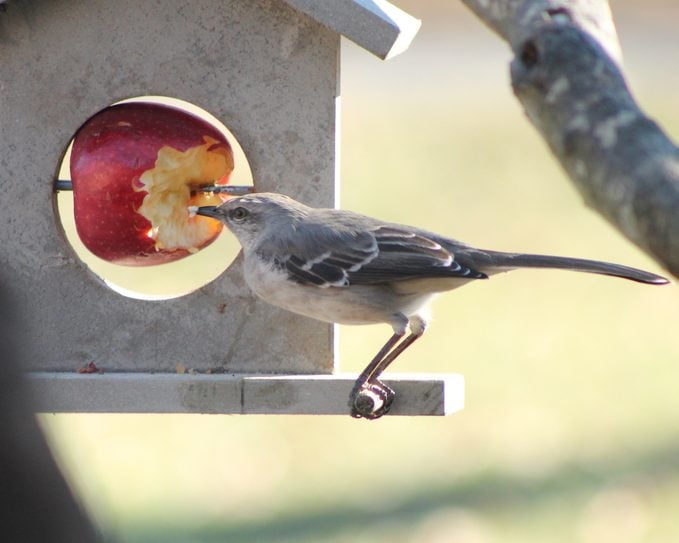
Many birds love fruits. Apples are a great choice. They are rich in vitamins. Remove the seeds before feeding. Birds also enjoy berries. Blueberries and strawberries are popular. They are easy for birds to eat. Grapes are another option. Cut them in halves for smaller birds.
Seeds And Grains
Seeds are a staple in a bird's diet. Sunflower seeds are highly favored. They provide energy and nutrients. Millet is also suitable. It attracts small birds. Grains like oats can be offered. They are easy to digest. Corn is another grain option. It should be given in moderation.
Creating A Safe Feeding Environment
Creating a safe feeding environment for wild birds is not just about providing food. It's about ensuring their well-being and encouraging them to visit again. Whether you're a seasoned bird watcher or a beginner, understanding how to set up a safe space for these feathered friends is crucial. A little planning goes a long way in attracting a delightful variety of birds to your backyard.
Proper Placement Of Food
Think about where you place the food. Birds need easy access and safety from predators. Hanging feeders from tree branches or placing them on elevated platforms can help. Keep them away from places where cats might lurk. Do you have a spot with plenty of natural cover? Birds often feel more secure where they can quickly hide if danger appears.
Consider the distance from windows. Birds can easily collide with glass if feeders are too close. A distance of about 10 feet is ideal to minimize the risk. If you have a garden, placing the feeder near shrubs can offer birds a quick escape route.
Ensuring Cleanliness
Cleanliness is key to bird health. Dirty feeders can harbor diseases. Regularly clean feeders with warm, soapy water. A simple schedule, like once a week, can make a big difference.
Check for moldy or spoiled food. Raisins can be safe, but they need to be fresh. If you notice any signs of spoilage, replace them immediately. Have you noticed how birds seem to avoid certain areas after heavy rain? Wet food can quickly become unhygienic, so ensure feeders have drainage holes.
Think of your own kitchen. You wouldn't leave food out for days, so why should birds eat spoiled food? A clean feeding environment keeps birds coming back and can even attract new visitors.
Are you prepared to watch a colorful array of birds flock to your feeder? By creating a safe feeding environment, you’re not just offering food; you’re providing a sanctuary where birds can thrive and bring joy to your day.
Credit: www.birdsandblooms.com
Frequently Asked Questions
Are Raisins Safe For Wild Birds To Eat?
Raisins are generally safe for wild birds in moderation. They are high in sugar, so offer them sparingly. Soaking raisins in water can make them easier for birds to consume. Always ensure they are free from additives and preservatives to keep the birds healthy.
What Are The Benefits Of Feeding Raisins To Birds?
Raisins are rich in natural sugars, providing energy to birds. They also contain essential nutrients like vitamins and minerals. These can support a bird's overall health. However, moderation is key, as excessive sugar can be harmful to birds.
Can Raisins Attract Specific Bird Species?
Yes, raisins can attract species like robins, bluebirds, and thrushes. These birds are known to enjoy fruits, making raisins an appealing option. Placing raisins on bird feeders or in garden areas can help attract these fruit-loving species to your yard.
How Often Should I Feed Raisins To Birds?
Feed raisins to birds only occasionally to prevent sugar-related health issues. They should be part of a varied diet. Ensure birds have access to a mix of seeds, nuts, and other fruits for balanced nutrition. Regularly clean feeding areas to avoid attracting pests.
Conclusion
Feeding raisins to wild birds is generally safe. Birds enjoy them as a tasty treat. Raisins provide energy and nutrients. Always ensure raisins are fresh and free from additives. Portion control is key to avoid overfeeding. Mix raisins with seeds for variety.
Watch for any negative reactions in birds. Keep feeders clean to prevent mold. Raisins can attract squirrels, so be mindful. Respect bird diets and observe their habits. Enjoy the joy of feeding birds responsibly. Always prioritize their health and safety.
Happy birdwatching!