


Are you a proud hamster owner wondering if bird seed is a suitable snack for your furry friend? You're not alone.
Many pet owners are curious about what they can safely feed their hamsters. After all, keeping your little companion healthy and happy is a top priority. The good news is that you're about to uncover the truth about whether bird seed is a yes or no for your hamster's diet.
We'll explore the nutritional needs of your pet and reveal the secrets to a balanced diet that keeps them energetic and full of life. Keep reading to discover how you can make the best dietary choices for your beloved hamster, ensuring they thrive under your care.
Hamster Dietary Needs
Feeding your hamster bird seed can be tempting, but it's not ideal for their health. Hamsters need a balanced diet with specific nutrients. Bird seed lacks essential vitamins and minerals necessary for their well-being. Opt for hamster-specific food to ensure they get proper nutrition.
Understanding your hamster's dietary needs is crucial for keeping your furry friend healthy and happy. A balanced diet ensures they receive the energy and nutrients necessary for their active lifestyle. But what exactly does a hamster need to thrive?
Essential Nutrients
Hamsters require a diet rich in proteins, fibers, and vitamins. Proteins are essential for growth and muscle development. Fibers aid in digestion and help prevent obesity. Vitamins support overall health and boost the immune system. Consider including foods that provide these nutrients in your hamster’s diet. However, it’s vital to ensure a balance to avoid any nutritional deficiencies or excesses. Have you ever noticed your hamster's coat looking dull or their energy levels dropping? It might be time to revisit their diet.
Common Foods For Hamsters
Hamsters can enjoy a variety of foods to meet their dietary needs. Commercial hamster pellets are a great starting point as they are specially formulated to include essential nutrients. In addition to pellets, you can offer fresh fruits and vegetables. Apples, carrots, and broccoli are hamster favorites. Just remember to introduce new foods gradually to avoid upsetting their stomach. Occasionally, you might wonder if treats like bird seed are suitable. While bird seed can be a fun treat due to its seeds and grains, it should not replace the main diet. Use it sparingly to add variety without compromising nutrition. Have you tried mixing bird seed with their usual pellets? It can add a bit of fun and challenge for them to forage, keeping them mentally stimulated. Always observe your hamster for any adverse reactions when introducing new foods. In short, understanding your hamster's dietary needs and the role of various foods can significantly impact their well-being. How will you adjust your hamster's diet today to ensure they get the best nutrition possible?
Bird Seed Composition
Understanding bird seed composition is crucial before feeding it to hamsters. Bird seed can vary widely in types and nutritional value. This knowledge ensures your hamster gets the right balance of nutrients.
Types Of Bird Seed
There are several types of bird seed available. Common varieties include sunflower seeds, millet, and flaxseed. Some mixes contain safflower or canary seeds. Each type has different nutritional benefits. Sunflower seeds are high in fats and proteins. Millet is rich in carbohydrates. Flaxseed offers omega-3 fatty acids.
Nutritional Content
Bird seed contains essential nutrients. Protein aids growth and repair. Fats provide energy. Omega-3 supports heart health. Vitamins and minerals are also present. They boost immunity and improve overall health. It's vital to know the right balance. Too many seeds can lead to obesity. A varied diet ensures optimal health for your hamster.
Potential Benefits
Many hamster owners wonder if bird seed is a good option for their pets. The good news is that bird seed can offer several benefits. This can make it a suitable addition to a hamster's diet. Let's explore the potential benefits of feeding bird seed to hamsters.
Nutritional Advantages
Bird seed provides essential nutrients that can benefit hamsters. It contains healthy fats, proteins, and fiber. These elements support a hamster's overall well-being. Seeds like sunflower and flax are rich in Omega-3 fatty acids. These promote a shiny coat and healthy skin.
Furthermore, bird seed often includes grains and seeds. These are packed with vitamins and minerals. These nutrients help boost your hamster's immune system. They also aid in muscle development and energy levels.
Variety In Diet
Bird seed introduces variety to a hamster's diet. This can prevent boredom and encourage healthy eating habits. Hamsters enjoy exploring and foraging for food. Bird seed offers different textures and flavors. This stimulates their natural instincts and keeps them active.
Including bird seed can also reduce the risk of dietary deficiencies. A mixed diet ensures hamsters receive a range of nutrients. This can lead to a more balanced and enjoyable diet experience for your furry friend.
Potential Risks
Feeding a hamster bird seed might seem harmless at first glance. Yet, it poses several potential risks that could affect your furry friend's health. Understanding these risks is crucial to ensure your hamster's well-being. Let's explore some of the most significant dangers.
Choking Hazards
Bird seeds come in various sizes and shapes. Some can be too large for a hamster's tiny throat. This increases the risk of choking. Hamsters may struggle to chew and swallow larger seeds. This can lead to blockages in their throats. Always monitor the size of seeds to prevent choking hazards.
Nutritional Imbalance
Bird seeds are not tailored for hamsters' dietary needs. They may lack essential nutrients required for a hamster's health. Hamsters need a balanced diet rich in protein, fiber, and specific vitamins. Relying on bird seed can lead to nutritional imbalances. This might cause serious health issues over time. Ensure your hamster gets a diet designed for them.
Safe Alternatives
Hamsters can nibble on bird seed, but it shouldn't be their main food. Some seeds lack essential hamster nutrients. Opt for hamster-specific mixes to ensure a balanced diet. Always check labels for hamster-safe ingredients. Offer fresh fruits and veggies as treats for variety.
When considering the best diet for your hamster, it's essential to think about safe alternatives to bird seed. While bird seed is not toxic to hamsters, it might not provide the balanced nutrition they need. Understanding the right seeds and food for your furry friend can make a significant difference in their health and happiness. Let's dive into some safe and nutritious options for your hamster's diet.
Recommended Seeds
Selecting the right seeds can be a game-changer for your hamster's diet. Sunflower seeds are a popular choice. They are rich in healthy fats and proteins, but remember to offer them sparingly to avoid weight gain. Pumpkin seeds are another excellent option. They are packed with nutrients and are a great treat that hamsters love to gnaw on. Always choose unsalted, raw seeds. Salt and seasoning can be harmful to your hamster.
Commercial Hamster Food
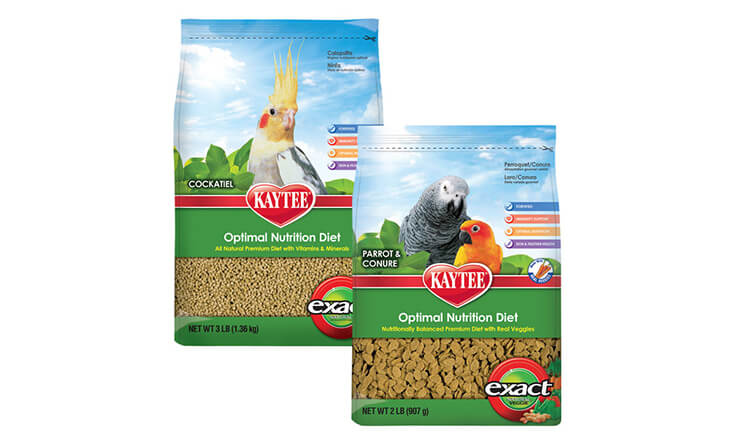
Commercial hamster food is formulated to meet all your hamster's dietary needs. These mixes typically contain a balanced blend of seeds, grains, and pellets. They are designed to provide the right mix of vitamins and minerals. When choosing commercial hamster food, look for options with no added sugars or artificial flavors. These can be detrimental to your hamster's health. Check the ingredient list to ensure it contains a variety of seeds and grains, which can help mimic their natural diet. Have you ever noticed your hamster picking through their food, choosing only certain bits? This behavior can lead to nutritional imbalances. Ensuring they have a well-rounded diet with commercial food can help prevent this. By providing safe alternatives like recommended seeds and quality commercial hamster food, you ensure your pet is not just surviving but thriving. Are you ready to give your hamster the diet they deserve?
Credit: www.kaytee.com
Expert Opinions
Pet owners often wonder about the best diet for their hamsters. Feeding hamsters bird seed is a common question. Understanding expert opinions can help make informed decisions. This section explores advice from veterinarians and animal nutritionists.
Veterinarian Advice
Veterinarians emphasize a balanced diet for hamsters. Bird seed lacks essential nutrients. Hamsters need protein, vitamins, and minerals. Bird seed may not provide these nutrients. Vets recommend hamster-specific food. It ensures a complete diet. Consult a vet for personalized advice.
Animal Nutritionists
Animal nutritionists focus on species-specific dietary needs. Hamsters have unique nutritional requirements. Bird seed might not meet these needs. It can be high in fat and low in protein. Nutritionists suggest commercial hamster pellets. These pellets are formulated for hamsters. Check labels for nutritional information. Choose brands with balanced nutrients.
Feeding Guidelines
Feeding your hamster bird seed might seem unusual. However, it can be done safely with the right guidelines. Hamsters require a balanced diet to stay healthy. Bird seed can be part of this diet if given correctly. It's essential to understand how to incorporate bird seed without compromising your hamster's well-being.
Moderation And Variety
Hamsters thrive on a diet that includes variety. Bird seed can be a part of their diet, but moderation is key. Too much bird seed may lead to an imbalance in nutrition. It's crucial to mix it with other foods. Include fresh fruits and vegetables alongside bird seed. This ensures your hamster gets all necessary nutrients. Avoid feeding large amounts at once. Small portions are more beneficial for maintaining health.
Monitoring Health
Regularly observe your hamster's health when introducing new foods. Bird seed can affect digestion if given in excess. Look for changes in behavior or energy levels. Monitor weight and coat condition closely. A healthy coat and active behavior indicate a balanced diet. If you notice any adverse effects, reduce bird seed intake. Consult a vet for advice if needed. Keeping an eye on your hamster's health ensures a happy pet.

Credit: www.reddit.com

Credit: www.reddit.com
Frequently Asked Questions
Can Hamsters Eat Bird Seed Safely?
Hamsters can eat bird seed, but it's not ideal. Bird seed lacks essential nutrients for hamsters. It's better to provide hamster-specific food. Occasionally offering bird seed as a treat is okay. Always ensure a balanced diet to maintain their health.
Consult with a vet for dietary advice.
What Seeds Are Good For Hamsters?
Hamsters enjoy sunflower, pumpkin, and flax seeds. These seeds offer essential nutrients and healthy fats. However, they should be given in moderation. Overfeeding seeds can lead to obesity. Always supplement with fresh fruits and vegetables. A balanced diet ensures optimal health for your hamster.
Can Bird Seed Harm My Hamster?
Bird seed can harm hamsters if given excessively. It lacks necessary nutrients and can lead to malnutrition. Seeds high in fat can cause obesity. Always provide a balanced diet tailored for hamsters. Regularly check for any health issues and consult a vet if needed.
How Often Can Hamsters Eat Seeds?
Hamsters can eat seeds a few times a week. It's crucial to limit the quantity to avoid obesity. Seeds should be part of a balanced diet. Include fresh fruits, vegetables, and hamster pellets. Always monitor their weight and health. Adjust their diet as needed for optimal well-being.
Conclusion
Feeding hamsters bird seed needs caution. Hamsters thrive on balanced diets. Bird seed lacks essential nutrients. It can lead to health issues. Variety is key for hamster food. Fresh vegetables and fruits are great. Pellets designed for hamsters work best.
They ensure proper nutrition. Always check food labels. Avoid high-sugar options. Monitor your hamster’s weight and health. Consult a vet for diet advice. A healthy hamster is a happy hamster. Keep their diet diverse and well-balanced. Your care makes a big difference.
Remember, a little research helps a lot.