


Have you ever found yourself gazing out your window, watching the birds flutter about, and wondered, "Can I feed birds sunflower seeds?" You're not alone.
Many bird enthusiasts and casual observers like you are curious about the best ways to support their feathered friends. Imagine turning your backyard into a vibrant, lively haven for birds with just a handful of seeds. That small change could attract a variety of colorful visitors, bringing nature closer than ever.
We'll uncover the truth about feeding birds sunflower seeds, explore the benefits, and ensure you're making the best choice for your avian guests. Get ready to transform your outdoor space into a birdwatcher's paradise and become the go-to spot for local birdlife. Dive in to discover how a simple seed could make your backyard the talk of the town among the bird community.
Benefits Of Sunflower Seeds For Birds
Sunflower seeds offer essential nutrients for birds, providing energy and promoting healthy feathers. Their high fat content is ideal for winter feeding, attracting a variety of bird species. The seeds are easy for birds to eat and digest, making them a popular choice among bird enthusiasts.
Feeding birds can be a rewarding experience, and sunflower seeds are a popular choice for many bird enthusiasts. These small seeds pack a punch of nutrition, making them a favorite among birds. But what exactly makes sunflower seeds so beneficial for our feathered friends? Let's dive into the advantages and see why you should consider adding them to your bird-feeding routine.
Rich Source Of Nutrients
Sunflower seeds are rich in essential nutrients that birds need for their daily activities. They provide a high-energy source due to their fat content, which is vital for birds, especially during the colder months when they need extra energy to stay warm. Additionally, these seeds are packed with vitamins and minerals that support overall bird health.
Variety Of Birds Love Them
Birdwatchers often report seeing a diverse range of birds at their feeders when sunflower seeds are offered. From sparrows to cardinals, many species are attracted to the taste and nutritional benefits of sunflower seeds. This variety not only enhances your bird-watching experience but also contributes to the local ecosystem by supporting different bird populations.
Easy To Serve
Serving sunflower seeds to birds is straightforward and hassle-free. You can scatter them directly on the ground, place them in a feeder, or mix them with other bird seeds. This simplicity makes it easy for you to start feeding birds and enjoy their presence in your garden.
Encourages Natural Foraging
Sunflower seeds encourage birds to engage in natural foraging behavior. Birds love to crack open the seeds, which keeps them active and mentally stimulated. By feeding them sunflower seeds, you provide them with a natural activity that promotes their well-being.
Personal Connection With Nature
I remember the first time I put out sunflower seeds in my backyard. The variety of birds that visited was astonishing, and I felt a closer connection to nature. This simple act of feeding birds can transform your outdoor space into a lively sanctuary, offering you a serene escape and a deeper appreciation for wildlife. Have you ever wondered what difference a small seed can make in a bird's life? By providing sunflower seeds, you not only nourish them but also invite a vibrant community of birds to your surroundings, enriching your own life with their presence.
Types Of Sunflower Seeds
Feeding birds can be a delightful activity. Sunflower seeds are a popular choice for bird enthusiasts. Different types of sunflower seeds attract various bird species. This guide will help you understand the types of sunflower seeds suitable for birds.
Black Oil Sunflower Seeds
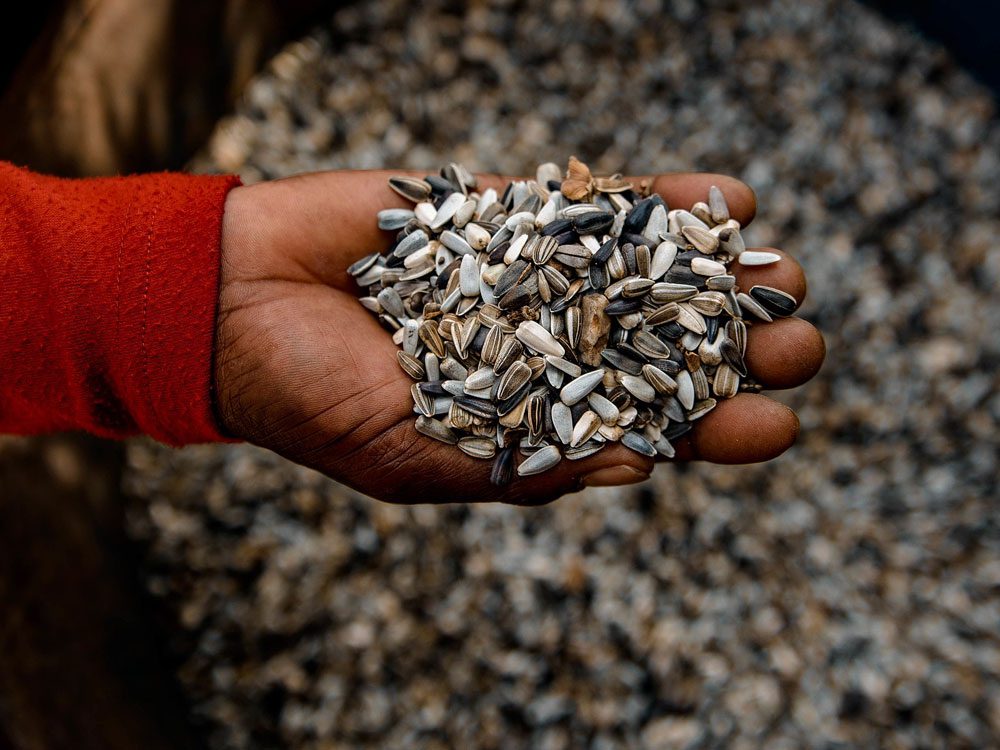
Black oil sunflower seeds are small and have a thin shell. Birds find them easy to crack open. Their high oil content provides energy. Many birds love them. Sparrows, finches, and chickadees flock to these seeds. Their popularity among birds makes them a favorite.
Striped Sunflower Seeds
Striped sunflower seeds are larger than black oil seeds. Their shells are thicker. Not all birds can crack them. Larger birds like cardinals and jays enjoy striped seeds. They offer less oil but are still nutritious. Some birds prefer them for their size and taste.
Nutritional Value
Sunflower seeds are a popular choice for feeding birds. They offer a range of nutrients that support bird health. These seeds provide a balanced diet, making them ideal for various bird species. Understanding their nutritional value can help you make informed decisions.
Protein Content
Sunflower seeds are rich in protein. Protein is essential for birds' growth and development. It helps in muscle building and repair. Birds need protein for strong feathers and overall health. Sunflower seeds offer a good protein source.
Fat Content
Birds require fat for energy. Sunflower seeds contain healthy fats. These fats provide energy for birds to fly and forage. They also help birds in surviving harsh weather. Fat keeps birds warm during colder months.
Vitamins And Minerals
Sunflower seeds are packed with vitamins and minerals. They contain Vitamin E, which boosts birds' immune systems. Minerals like magnesium and potassium support strong bones. These nutrients are vital for birds' overall well-being. Feeding sunflower seeds ensures birds get these essential nutrients.

Credit: www.americanmeadows.com
Bird Species That Enjoy Sunflower Seeds
Ever wondered why your backyard is a bustling hub of chirping and fluttering? It might be those sunflower seeds you’ve been laying out. Birds are drawn to them like magnets. But have you ever thought about which birds are enjoying this feast? Let’s dive into the delightful world of bird species that relish sunflower seeds.
Common Backyard Birds
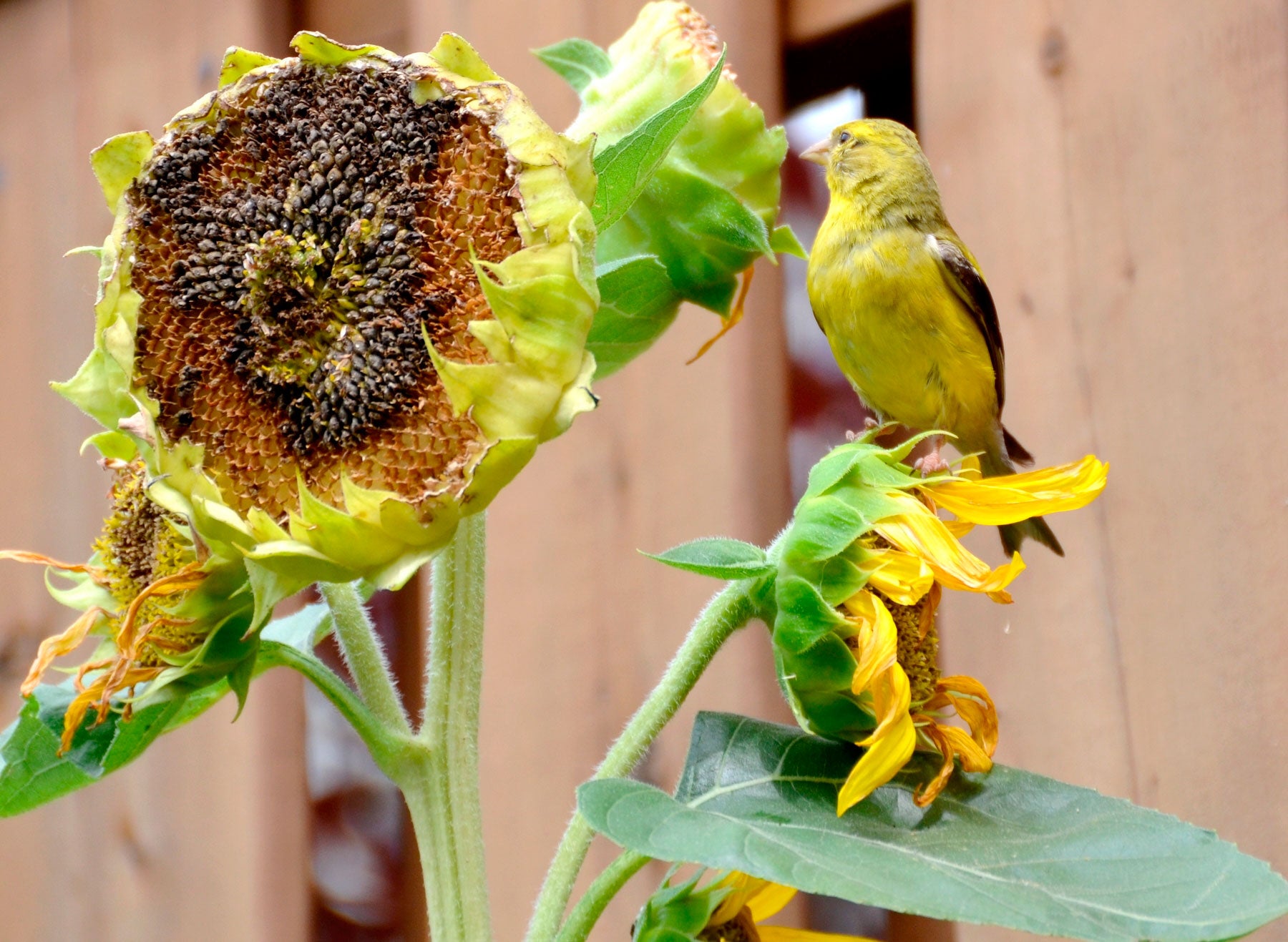
In your backyard, you’ll likely encounter the cheerful American Goldfinch. Their vibrant yellow feathers can brighten any day, and they love sunflower seeds.
The Blue Jayis another frequent visitor. Known for their striking blue hue and bold personality, they’ll swoop in for a snack and sometimes even stash seeds for later.
And who can forget the Northern Cardinal? Their brilliant red plumage is a sight to behold. Cardinals are avid fans of sunflower seeds, often seen hopping around in search of more.
Have you spotted any of these regulars in your backyard? Or perhaps you've noticed other feathered friends joining the feast?
Rare Bird Species
If you’re lucky, you might catch a glimpse of the elusive Evening Grosbeak. While not common in all areas, they’re known to enjoy sunflower seeds when they do make an appearance.
The Rose-breasted Grosbeakis another rare sight. With their distinctive red breast, these birds are a treat to behold and sunflower seeds can entice them to visit.
Have you ever seen a Pine Siskin? These small birds have an affinity for sunflower seeds, and spotting one can be a thrilling experience for any bird enthusiast.
Are you curious about which rare species might visit your yard next? Keep your eyes peeled!
Feeding birds sunflower seeds not only attracts a variety of species but also enriches your experience as a bird watcher. It’s a simple way to turn your backyard into a lively habitat. So, next time you stock up on sunflower seeds, think about the avian visitors you might invite. Who knows, your backyard could become the go-to spot for both common and rare birds alike!
How To Prepare Sunflower Seeds For Birds
Birds love sunflower seeds, and preparing them is easy. Remove any shells for easier eating. Rinse seeds to remove dirt, then dry them. Scatter seeds in feeders or on the ground for birds to enjoy. Sunflower seeds provide essential nutrients, attracting a variety of bird species to your garden.
Preparing sunflower seeds for birds is a delightful task that can enhance your bird-watching experience. Birds love sunflower seeds, but a little preparation can make them even more appealing and easier to eat. Let’s dive into how you can prepare these seeds to ensure your feathered friends get the most out of their snack.
Shell Removal
Removing shells from sunflower seeds can make it easier for birds to consume. While some birds can crack open the seeds themselves, others may struggle. You can help by purchasing hulled seeds or removing the shells yourself. Gently press the seeds to crack them, or use a grinder on a low setting. This little effort can attract a wider variety of birds to your backyard.
Soaking And Drying
Soaking sunflower seeds can soften them, making them more palatable for birds. Simply soak the seeds in water for a few hours. This process mimics the seeds' natural exposure to rain, making them more digestible. After soaking, drying the seeds is crucial. Spread them out on a towel and pat dry. You can air dry them in a warm, sunny spot or use a low-temperature oven setting. Dry seeds are easier to handle and store, keeping them fresh for your feathered visitors. Have you ever tried preparing sunflower seeds for birds? It’s a small gesture that can bring you closer to nature. How you prepare them can make a big difference in attracting a variety of birds to your garden.
Credit: www.allaboutbirds.org
Feeding Tips
Feeding birds can be a delightful experience. Sunflower seeds are a popular choice for bird enthusiasts. These seeds are nutritious and attract a variety of birds. Proper feeding techniques ensure birds stay healthy and happy.
Avoiding Overfeeding
Overfeeding can lead to health problems for birds. Provide a balanced amount of seeds. Monitor how much birds consume daily. Too many seeds can cause obesity in birds. Keep track of feeding habits to prevent overfeeding.
Seasonal Considerations
Birds require different feeding strategies during various seasons. In winter, birds need more energy. Sunflower seeds offer necessary calories. During warmer months, reduce the quantity of seeds. Birds find natural food sources more easily.
Potential Risks
Feeding birds can be a delightful experience. Sunflower seeds are a popular choice. Yet, it's important to understand the potential risks involved. Sunflower seeds can pose challenges. These challenges could affect your feathered friends. Let's explore some of these risks.
Attracting Pests
Bird feeders with sunflower seeds can draw unwanted visitors. Squirrels, rats, and mice love these seeds. They can invade your garden in search of food. This can lead to bigger pest problems. Pest infestations may damage your property. They can also scare away the birds you want to attract.
Health Issues
Birds may face health problems from eating too many seeds. Sunflower seeds are high in fat. Excessive fat can cause obesity in birds. Obese birds may struggle to fly and find food. They may also develop heart problems. A balanced diet is crucial for their health. Overfeeding can lead to nutritional imbalances. This can weaken their immune systems.
Credit: www.gardeningknowhow.com
Alternatives To Sunflower Seeds
Birdwatching is a delightful hobby for many. Feeding birds can bring them closer. Sunflower seeds are popular, but variety is key. Birds enjoy different seeds for a balanced diet. Offering alternatives keeps them healthy and interested. Explore other seed options and homemade mixes to diversify their diet.
Other Seed Options
Millet is a great choice for small birds like sparrows and finches. It provides essential nutrients for their growth. Safflower seeds are another option. They are high in protein and fat. They attract cardinals and chickadees. Nyjer seeds are popular with goldfinches. They are small, rich in oil, and easy to eat. Consider cracked corn for larger birds like doves and pigeons. It's economical and readily available.
Homemade Bird Feed Mixes
Create your own bird feed mixes at home. Use a combination of seeds for variety. Mix millet, safflower, and nyjer seeds. Add some oats for extra fiber. You can include dried fruits like raisins or cranberries. They offer a sweet treat and extra nutrients. Add chopped nuts like peanuts or almonds. They provide protein and healthy fats. Ensure the mix is fresh and mold-free.
Frequently Asked Questions
Are Sunflower Seeds Good For Birds?
Yes, sunflower seeds are excellent for birds. They provide essential nutrients like fats, proteins, and vitamins. Birds love them due to their high energy content. Black oil sunflower seeds are especially popular among a wide variety of bird species.
Can All Birds Eat Sunflower Seeds?
Most birds can eat sunflower seeds. However, smaller species might struggle with larger seeds. It's best to offer hulled or crushed seeds for small birds. Always observe which seeds your local birds prefer.
Do Sunflower Seeds Attract Specific Bird Species?
Yes, sunflower seeds attract many bird species. Common visitors include cardinals, sparrows, and chickadees. Their high oil content makes them a favorite among seed-eating birds. Offering sunflower seeds can increase bird diversity in your backyard.
Are There Any Risks With Feeding Birds Sunflower Seeds?
Generally, sunflower seeds are safe for birds. However, moldy seeds can harm them. Always provide fresh seeds and clean feeding areas regularly. Avoid offering salted or flavored seeds, as they can be harmful to birds.
Conclusion
Feeding birds sunflower seeds is simple and beneficial. Sunflower seeds offer essential nutrients. Birds enjoy them, making feeding rewarding. Choose seeds without salt or flavoring. Natural seeds are best for bird health. Scatter seeds in feeders or on the ground.
Watch birds flock to the feast. Consider the environment and local bird types. Observe which birds prefer sunflower seeds. Adjust feeding based on bird behavior. Encourage bird visits with a consistent food supply. Enjoy the lively presence of birds in your garden.
Happy bird feeding!