


Have you ever caught your furry friend sniffing around the bird feeder in your backyard? Maybe you’ve even caught them sneaking a taste of the bird feed when they think no one is watching.
As a loving pet owner, you're probably curious and a bit concerned: Can dogs eat bird feed? Understanding what’s safe for your pup is crucial, and there are some surprising facts you should know. By the end of this article, you'll discover not only whether bird feed is safe for your dog but also how to ensure your pet’s health and happiness.
So, let's delve into the world of bird feed and what it means for your four-legged family member. Your dog's well-being might just depend on it!

Credit: spoiledhounds.com
Dog And Bird Feed Interaction
Dogs often sniff around bird feeders out of curiosity. Eating bird feed isn't safe for them. Seeds can cause digestive issues or blockages in dogs. It's important to keep bird feed out of reach. Ensure your pet's safety by providing appropriate food and preventing access to bird feed.
Understanding how dogs interact with bird feed is essential for pet owners who have both furry and feathered friends. Bird feed often contains a mix of seeds and grains that can attract more than just birds. If you’ve ever caught your dog sniffing around the bird feeder, you might wonder if it's safe or harmful.
Can Dogs Digest Bird Feed?
Dogs have a different digestive system compared to birds. While some seeds in bird feed might not be toxic, they are not easily digestible for dogs. Eating large amounts can lead to stomach upset or more severe digestive issues. Is it really worth the risk for a curious sniff?
Why Dogs Are Attracted To Bird Feed
Dogs are naturally curious creatures. The seeds and grains in bird feed often have a smell that piques their interest. If the feed is scattered on the ground, it might look like an inviting snack. Have you noticed your dog’s nose twitching as you fill the bird feeder?
Potential Hazards Of Bird Feed
Some bird seeds can contain ingredients like raisins or certain nuts that are harmful to dogs. Moldy or spoiled bird feed can also pose a risk. It’s important to keep an eye on the freshness and composition of the bird feed.
Creating Safe Spaces For Both Pets
Consider placing bird feeders in areas that are not easily accessible to your dog. Elevated locations can be a simple yet effective solution. This way, your dog can enjoy the backyard without any unwanted snacking.
Training Tips To Prevent Bird Feed Consumption
Teaching your dog commands like "leave it" can help prevent them from eating bird feed. Consistent reinforcement will make a big difference. Have you tried rewarding your dog for ignoring the bird feed with their favorite treat?
Monitoring And Adjusting Your Backyard Setup
Regularly check your backyard to ensure bird feed isn’t scattered on the ground. Adjust the placement of feeders if necessary. This proactive approach can help maintain a safe environment for your dog. Remember, your dog’s health and safety should always come first. By understanding their interaction with bird feed, you can make informed decisions to keep both your dog and the birds happy and healthy.
Credit: www.cuteness.com
Common Ingredients In Bird Feed
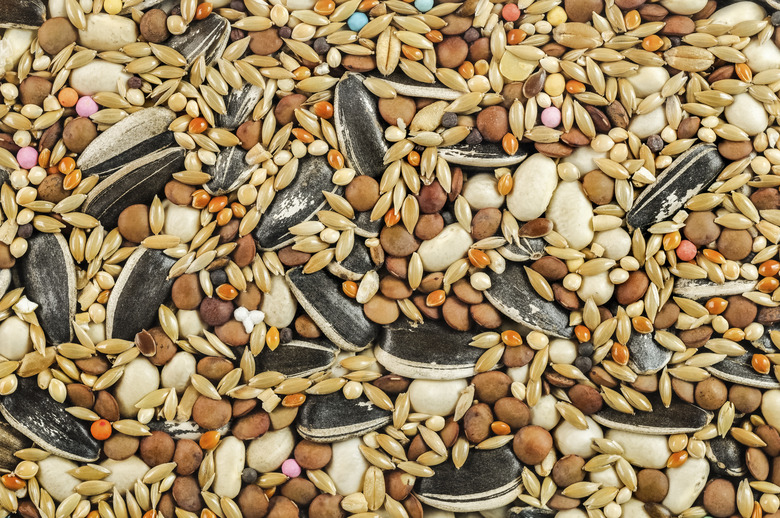
Understanding what goes into bird feed is crucial for dog owners. Bird feed often contains a mix of seeds and grains, tailored for birds. But are these ingredients safe for dogs? Knowing the common ingredients can help prevent potential health issues.
Seeds
Bird feed is rich in seeds like sunflower and millet. Dogs might find these tasty, but seeds can pose risks. Some seeds may cause digestive problems or allergic reactions in dogs.
Grains
Grains such as corn and wheat are common in bird feed. While grains offer energy, they might not suit all dogs. Some dogs have grain allergies, leading to skin and stomach issues.
Nuts
Nuts like peanuts and almonds can be found in bird feed. Dogs enjoy nuts, but they can be harmful. Certain nuts can be toxic or cause choking hazards.
Fruits
Bird feed sometimes includes dried fruits. Dogs generally like fruits, but dried versions can be harmful. They often contain preservatives or sugar, which aren't ideal for dogs.
Artificial Additives
Bird feed might contain artificial colors or flavors. These additives can be problematic for dogs. They could lead to allergic reactions or digestive upset.
Calcium And Mineral Supplements
Bird feed often has added calcium or minerals. While beneficial for birds, they might not suit dogs. Excessive minerals can cause health issues in dogs.
Potential Risks For Dogs
Bird feed might seem harmless to dogs. But it can pose risks. Dogs are curious and may snack on bird feed. This can lead to health issues.
Understanding these risks is important for dog owners. Let's explore the potential dangers.
Toxic Elements
Bird feed contains seeds and grains. Some seeds are toxic to dogs. Sunflower seeds, for example, can be harmful.
Certain nuts are also risky. They can cause stomach upset. Mold in old bird feed can be dangerous too.
Digestive Issues
Bird feed can cause digestive problems. Dogs may vomit or have diarrhea. Their stomachs are sensitive to new foods.
Seeds and grains can be hard to digest. This can lead to blockages or discomfort. It's best to keep bird feed away from dogs.
Credit: spoiledhounds.com
Safe Alternatives For Dogs
Dogs should avoid bird feed as it can upset their stomach and lacks essential nutrients. Instead, offer safe alternatives like carrots or apple slices for a healthy treat. Keep bird feed out of reach to prevent accidental ingestion.
Dogs sniff and munch on many things. Bird feed often attracts them. But it's not the best choice for your furry friend. Bird feed can contain seeds and nuts toxic to dogs. Opt for safer alternatives. Choose snacks that suit their dietary needs. Here are some dog-friendly options to consider.
Dog-friendly Snacks
Dogs love crunchy treats. Carrot sticks are a great option. They are low in calories and high in fiber. Sweet potatoes are another favorite. They offer vitamins and are easy to prepare. Apple slices provide a sweet treat. Just remove the seeds and core first. These snacks keep your dog healthy and happy.
Healthy Treat Options
Healthy treats are vital for your dog's well-being. Consider plain cooked chicken. It's a protein-rich treat. Dogs often enjoy this simple snack. Pumpkin is another healthy choice. It aids digestion and tastes good. Blueberries make a fun, tiny treat. Packed with antioxidants, they boost health. Choose these safe treats. Ensure your dog enjoys tasty, healthy snacks. Keep bird feed for the birds. Your dog will thank you!
Signs Of Bird Feed Poisoning
Dogs might show signs of bird feed poisoning such as vomiting, diarrhea, or lack of energy. Breathing problems and tremors may also occur. It's important to monitor your dog closely if bird feed consumption is suspected.
Bird feed can harm dogs. Not all seeds and grains are safe. Some ingredients can cause serious health issues. It's crucial to know the signs of bird feed poisoning. Recognizing these signs early can save your dog's life. Let's explore the symptoms in detail.
Behavioral Changes
Dogs may act differently after eating bird feed. They might become unusually quiet or withdrawn. Your dog might refuse to eat or drink. Watch for increased lethargy or restlessness. If your dog seems more anxious, it could be a warning sign. Behavioral changes are often the first indicators of distress.
Physical Symptoms
Physical symptoms are easier to spot. Vomiting is a common sign of poisoning. Diarrhea can follow shortly after ingestion. Your dog's stool might contain blood. Look for signs of drooling or excessive salivation. Rapid breathing or panting can indicate distress. Tremors or seizures are severe symptoms. These require immediate veterinary attention.
Preventing Dog Access To Bird Feed
Bird feed can be harmful to dogs due to ingredients not meant for canine consumption. Keeping bird feeders out of a dog's reach prevents potential health issues. Proper storage and strategic placement of bird feed ensures your dog stays safe and healthy.
Preventing your dog from munching on bird feed can be a bit of a challenge. Bird feed is often packed with seeds and grains that might tempt your furry friend. While occasional nibbling might not be harmful, regular consumption can lead to digestive issues. Keeping your dog away from bird feed is essential for their health and your peace of mind.
Storage Solutions
Proper storage of bird feed is crucial. Using airtight containers helps in keeping the feed fresh and out of your dog's reach. Consider placing these containers on higher shelves or in cabinets where your curious pup can't access them. If you have an outdoor bird feeder, ensure it's placed high enough and away from easy access points like fences or low branches.
Training Techniques
Training your dog can be a game-changer. Use positive reinforcement to teach them that bird feed is off-limits. For example, when they ignore bird feed, reward them with their favorite treat. Consistency is key here. It might be helpful to teach the “leave it” command during your daily walks. This command can be handy whenever your dog shows interest in something they shouldn't eat, including bird feed. Have you ever considered how a simple command can make your life easier? By training your dog, you not only keep them healthy but also strengthen your bond with them. Preventing access to bird feed doesn't have to be a hassle. With the right storage and training techniques, you can ensure your dog stays safe and sound.
Veterinarian Advice
Dogs are curious creatures. Often, they munch on things they shouldn’t. Bird feed attracts them with its smell. But can dogs safely eat it? Veterinarian advice is crucial here. Understanding the risks and knowing what to do is important. Let's explore professional guidance and emergency actions.
Professional Guidance
Veterinarians advise against letting dogs eat bird feed. Bird feed contains seeds and nuts. Dogs may have allergies to these ingredients. Some bird feed includes additives harmful to dogs. Always consult a vet if your dog eats bird feed. They can provide specific dietary advice.
Prevent access to bird feed by storing it safely. Ensure feeders are out of reach from your dog. Regularly check for any spilled feed on the ground.
Emergency Actions
If your dog eats bird feed, act quickly. Look for signs of discomfort or allergies. Symptoms include vomiting or diarrhea. Contact your veterinarian immediately. They will guide you on the next steps. Monitor your dog closely for any changes in behavior.
Keep a list of emergency contacts handy. This includes your vet's number. Have a plan for emergency situations. Being prepared can ease anxiety and ensure your dog's safety.
Frequently Asked Questions
Can Dogs Safely Consume Bird Feed?
Bird feed is not recommended for dogs. It contains seeds and grains that are hard to digest. Some ingredients might even be harmful. Always prioritize dog-specific food to ensure their health and safety.
What Happens If A Dog Eats Bird Feed?
If a dog eats bird feed, it might experience digestive issues. This can include upset stomach or diarrhea. Monitor your dog closely and consult a veterinarian if symptoms persist or worsen.
Are There Any Toxic Ingredients In Bird Feed?
Bird feed may contain ingredients harmful to dogs, like certain nuts or moldy seeds. These can lead to toxicity or allergic reactions. Always keep bird feed out of your dog's reach to prevent accidental ingestion.
How To Stop Dogs From Eating Bird Feed?
To stop dogs from eating bird feed, place feeders out of their reach. Use barriers or fences around feeding areas. Train your dog to avoid these areas using commands or deterrents.
Conclusion
Dogs can eat bird feed, but it’s not ideal. Bird feed lacks essential nutrients for dogs. It might cause digestive issues or allergies. Always check ingredients for harmful elements. Some seeds and nuts can be dangerous. Observe your dog after eating bird feed.
Consult a vet if problems occur. A balanced dog diet is crucial for health. Keep bird feed out of reach. Invest in proper dog food for their well-being. Prioritize your dog's nutrition and safety. Your furry friend deserves the best care possible.