


Imagine waking up each morning to a symphony of chirps, tweets, and whistles—a veritable avian orchestra right in your backyard. You might be wondering if creating such a harmonious environment with different species of birds is possible.
Can they coexist peacefully, or will it lead to chaos and conflict? This question tugs at the curiosity of bird lovers and nature enthusiasts alike. You might already have a few feathered friends and are considering adding more, or perhaps you’re starting from scratch and dreaming of a vibrant, diverse flock.
Whatever your situation, understanding the dynamics of different bird species living together is crucial. By delving into their social behaviors, territorial instincts, and compatibility, you can create a thriving haven for these fascinating creatures. As you read on, you'll discover the secrets to fostering a peaceful avian community. You’ll learn how to choose the right species combinations, create an environment that caters to their needs, and ensure each bird feels at home. This article will equip you with the insights needed to transform your space into a safe and welcoming sanctuary for a variety of bird species. Ready to unlock the mysteries of avian companionship? Let’s get started!
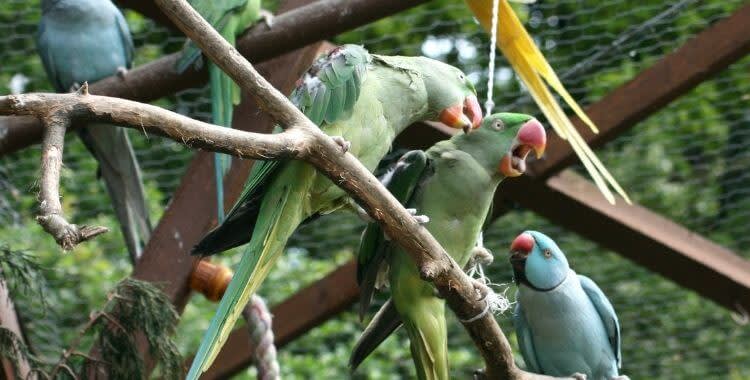
Credit: exoticdirect.co.uk
Birds' Social Behavior
Birds exhibit diverse social behaviors, which can vary greatly among species. Some birds are highly social, forming large flocks. Others prefer solitude or small family groups. Understanding these behaviors helps in determining if different bird species can live together. Social dynamics influence their interactions and communication.
Inter-species Interaction
Birds often interact with other species in their environment. These interactions can be cooperative or competitive. Some birds share resources like food and nesting sites. Mutual benefits can encourage peaceful coexistence. Aggression can arise over territory or mates. Observing these dynamics helps in managing mixed-species aviaries.
Communication Methods
Birds use various methods to communicate with each other. Vocalizations like songs and calls convey messages. Body language, such as postures and movements, also plays a role. Some species use visual signals, displaying colorful feathers. Understanding these methods can help in interpreting inter-species relationships.
Habitat Compatibility
Bird enthusiasts often wonder about the possibility of different bird species cohabitating peacefully. Habitat compatibility is a crucial factor in determining if mixed-species housing is possible. Understanding each species' environmental needs and space requirements can help ensure a harmonious living arrangement. Let's explore these aspects further.
Environmental Needs
Different bird species thrive in varying environmental conditions. Some birds prefer warm and humid climates, while others need cooler temperatures. The availability of food sources also impacts their compatibility. For example, seed-eating birds might not mix well with those that require insects. Ensuring a balanced environment is key to their well-being. Consider the lighting and humidity levels too. Birds from tropical regions often need higher humidity. Observing these needs helps in creating a suitable shared habitat.
Space Requirements
Space is another important factor for mixed-species bird living. Each bird species needs enough room to fly and exercise. Overcrowding can lead to stress and health issues. Large aviaries provide more freedom for birds to explore. Separate areas within the aviary can help minimize conflicts. Birds with territorial tendencies might need defined spaces to avoid aggression. Ensuring adequate space promotes peace and reduces stress among birds.
Dietary Considerations
Birds can cohabit successfully with careful dietary planning. Different species have unique nutritional needs. Ensure each bird receives the right food to thrive.
When bringing different species of birds together, one crucial factor to consider is their dietary needs. Birds have varied feeding habits and nutritional requirements, which can impact their health and harmony when housed together. Understanding these differences can help you create a balanced environment where each bird thrives.
Feeding Habits
Birds exhibit diverse feeding habits. Some prefer seeds, while others favor fruits or insects. For instance, finches often enjoy a seed-based diet, whereas parrots might lean towards fruits and vegetables. Have you noticed how some birds nibble throughout the day, while others feast once or twice? Observing these habits can guide you in setting up a feeding schedule that accommodates all your feathered friends.
Nutritional Compatibility
Not all bird diets are compatible. A diet rich in seeds might suit a canary but could be lacking for a parrot that needs more varied nutrients. Mixing species with different nutritional needs might require you to offer a range of food options. Consider creating a feeding station with separate sections. This ensures each bird has access to its preferred nutrients without competing for food. Sharing a personal experience, I once housed a parrot and a finch together, thinking their diet could overlap. I quickly realized the parrot needed more than just seeds to maintain its vibrant plumage. Adjusting the diet to include fruits and vegetables made a noticeable difference in its health. Have you ever tried to feed multiple bird species in one enclosure? It can be a fascinating challenge. By understanding their unique dietary needs, you create a thriving ecosystem where each bird feels at home. Remember, the key is to ensure each species has access to what it needs, preventing any dietary conflicts that could arise from shared spaces.
Potential Challenges
Can different bird species live together peacefully? It's a question bird enthusiasts often ask. While it is possible, several challenges can arise. Understanding these potential challenges is important. It helps ensure the safety and well-being of your feathered friends. Let's explore some of the most common issues.
Aggression Issues
Aggression is a major concern in mixed-species aviaries. Some birds are territorial and protective of their space. They might attack other birds to defend their territory. This aggression can lead to injuries or stress among the birds. It is crucial to monitor their behavior closely. Separate aggressive birds if needed. Providing ample space and resources can reduce conflict. It helps in maintaining peace among different species.
Disease Transmission
Disease transmission is another challenge with mixed-species bird environments. Birds from different backgrounds may carry various pathogens. These can spread quickly in close quarters. Regular health checks are essential to prevent outbreaks. Quarantining new birds before introduction can help too. Cleanliness and hygiene must be maintained. This minimizes the risk of disease transmission. Providing a healthy diet boosts immunity. It keeps birds strong and less susceptible to diseases.
Successful Coexistence
Birds of different species can share habitats peacefully. They adapt by using varied nesting sites and food sources. Observing these interactions reveals nature's balance and resilience in mixed bird communities.
Successful Coexistence Can different species of birds live together peacefully? It's a question that intrigues many bird enthusiasts and pet owners. Successful coexistence among different bird species is not just possible, but also rewarding. When birds of various kinds share a space, they can form enriching communities, offering diverse behaviors and interactions for you to observe. However, achieving this harmony requires careful planning and understanding of each bird's needs. To foster a harmonious environment, you need to consider factors such as space, diet, and temperament. Understanding these elements can help you create a living arrangement that meets the needs of all your feathered friends.
Case Studies
In various aviaries around the world, bird keepers have successfully housed different species together. For example, at the Jurong Bird Park in Singapore, diverse species such as parrots, finches, and doves coexist in large aviaries. This is possible due to careful planning and the creation of environments that mimic their natural habitats. Another case is that of a small bird enthusiast in Texas, who successfully kept canaries and budgerigars together. The key was providing ample space and ensuring each species had its own feeding area. The owner noted that the birds not only got along but also seemed to enjoy the company.
Best Practices
To achieve successful coexistence, it's essential to follow some best practices. Start by ensuring you have enough space. Overcrowding can lead to stress and aggression among birds. Each species should have enough room to fly and explore. Diet is crucial. Different birds have different dietary needs, so providing a variety of foods is important. Ensure each species has access to its preferred foods to prevent competition. Observe their behavior. Spend time watching how your birds interact. This will help you identify any signs of stress or aggression early. If a bird seems uncomfortable, it may be better to house it separately. Creating separate zones within the aviary can help. Birds that prefer solitude can have their own space, while more social species can enjoy communal areas. Engaging with Your Birds Have you ever noticed how birds communicate with each other? Listening to their calls and observing their interactions can be fascinating. It opens a window into their world and helps you understand their needs better. Take the time to build a relationship with your birds. They'll become more comfortable around you and each other. This relationship can be the cornerstone of a peaceful and thriving aviary. Are you ready to create a harmonious bird community? With patience and care, you can enjoy the beauty and diversity that different bird species bring to your life.

Credit: sydneymobilevet.com.au
Role Of Human Intervention
Human intervention plays a crucial role in bird cohabitation. Birds from different species often have distinct needs. By understanding these needs, humans can help birds live harmoniously together. This intervention can be instrumental in preventing conflicts among birds. It also ensures the well-being of various species living in proximity.
Providing Resources
Providing adequate resources is essential for bird harmony. Birds require food, water, and shelter to thrive. Humans can supply these resources in shared environments. Diverse food options can cater to different species' dietary needs. Fresh water sources should be accessible to all birds. Shelter should offer protection from predators and harsh weather.
Monitoring Behavior
Monitoring bird behavior helps in understanding their interactions. Observing birds can reveal signs of stress or aggression. Early detection of these signs can prevent potential conflicts. Humans can adjust resources or environment settings based on observations. This proactive approach encourages peaceful coexistence among different species.

Credit: www.omlet.co.uk
Frequently Asked Questions
Can Different Bird Species Live In Harmony?
Yes, different bird species can coexist peacefully. They may share space if they have similar needs. However, it's crucial to consider their individual temperaments and environmental conditions. Providing ample space and resources ensures harmony among various species. Always monitor interactions to prevent aggression or stress.
What Factors Influence Birds Living Together?
Factors like temperament, space, and resource availability affect cohabitation. Birds with similar dietary and environmental needs are more likely to coexist. Adequate space minimizes territorial disputes. Providing multiple feeding stations and nesting areas also helps reduce competition and stress among different species.
Do All Birds Get Along With Each Other?
Not all birds get along. Some species are territorial and aggressive. It's essential to research compatibility before housing them together. Providing ample resources and space can help minimize conflicts. Observing their behavior can also guide adjustments to ensure a peaceful environment for all birds.
How Can I Encourage Birds To Coexist?
To encourage coexistence, provide ample space, multiple feeding stations, and separate nesting areas. Ensure that each species' needs are met and observe their behavior closely. Adjust their environment as needed to promote harmony. This approach helps reduce competition and stress among different bird species.
Conclusion
Birds of different species can live together with care. Each species has unique needs. Provide enough space for them to feel safe. Monitor their interactions closely. Watch for signs of stress or conflict. Ensure all birds have access to food and water.
Create an environment that suits all species present. Research each bird's habits and preferences. Compatibility depends on individual bird personalities. Some birds get along better than others. Always prioritize their well-being and happiness. With patience, mixed-species environments can thrive beautifully.
Keep learning and observing to ensure a peaceful habitat.