


Have you ever wondered what goes on in the minds of birds as they chirp, tweet, and sing their harmonious melodies? As you listen to their songs, you might find yourself asking whether these feathered creatures can understand the calls of other bird species.
Imagine the possibilities if birds could communicate across different kinds. Would it change the way you see your backyard visitors? Picture yourself standing in your garden, surrounded by a symphony of bird songs. Each tune is distinct, yet somehow they all come together in a magical orchestration.
The idea that birds might grasp the meaning behind each other's calls is fascinating. It opens up a world of questions and possibilities about how nature's winged wonders interact. This article dives into the intriguing world of avian communication. You’ll discover how birds might interpret each other's signals and what science says about their ability to understand across species lines. Get ready to explore a realm where bird communication could be more complex and captivating than you ever imagined. Keep reading to uncover the secrets behind these enchanting creatures and gain a new perspective on the vibrant life happening right above your head.

Credit: alittlebithuman.com
Bird Communication Basics
Birds can understand the calls of different species. They often respond to alarms signaling danger nearby. Communication among birds involves vocalizations and body language, essential for survival.
Bird Communication Basics Have you ever listened to the symphony of bird calls in your backyard and wondered what they are talking about? Birds have a fascinating way of communicating. Understanding the basics of bird communication can deepen your appreciation for nature. Each chirp, tweet, and song serves a specific purpose. Let's dive into the world of bird communication and see what these avian creatures are really saying.
Types Of Bird Calls
Birds use a variety of calls to communicate. Some calls are short and sharp, while others are melodic and complex. These calls can signal danger, mark territory, or even help locate food. Have you noticed how a robin's sharp call alerts other birds to a predator nearby? Their calls are tools for survival. Birds often have distinct calls for different situations. Take the chickadee, for example. Their calls can change in tone and length depending on the threat level. It's almost like they have their own language to express urgency. You might find it intriguing to observe how different species respond to these calls.
Purpose Of Bird Songs
Bird songs are more than just beautiful melodies. They play a crucial role in mating and establishing territories. A song can tell you a lot about a bird's intentions. Have you ever heard a mockingbird's elaborate song? It’s often a male advertising his presence to attract a mate. Songs can be a display of strength and vitality. They announce the bird's availability and fitness to potential partners. You may notice that some birds have more complex songs than others. This complexity can indicate the age or experience of the singer, often impressing potential mates. Bird songs are also territorial markers. They warn other birds to stay away. If you hear a consistent song in a particular area, it’s likely marking a bird's territory. This can be a useful cue if you're trying to spot particular species in your local area. Understanding these basics can enrich your bird-watching experience. Next time you hear the dawn chorus, pause and consider what messages are being shared. Do you think birds from different species can pick up on these communications? Your backyard may be buzzing with conversations you haven’t noticed before.
Inter-species Communication
Birds have fascinated humans for centuries. Their colorful feathers and melodic calls captivate us. But can birds understand each other across species? Inter-species communication in birds is a subject of intrigue. Many birds share habitats with diverse species. This creates opportunities for interaction. Scientists are discovering the depth of these avian conversations.
Shared Signals
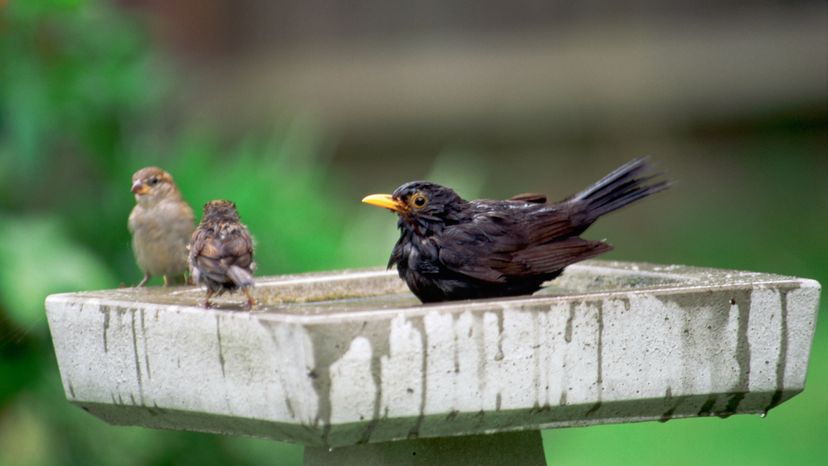
Birds use shared signals to communicate across species. Alarm calls are a common example. When one bird spots danger, it warns others. These signals travel through the forest like a wave. Different species respond to these warnings. This cooperation increases survival chances for all. Some birds even recognize calls from unrelated species. This ability highlights the intelligence of birds.
Mimicry In Birds
Mimicry plays a big role in bird communication. Some birds imitate the sounds of other species. This skill helps them in various ways. Mimics can deceive predators by sounding like a larger bird. They can also blend into new communities. Parrots and mockingbirds are famous mimics. Their ability to copy sounds amazes scientists and bird lovers alike. Mimicry showcases the complex communication skills of birds.
Research Findings
Studies show birds might understand calls from different species. Researchers observed birds reacting to alarms from others. This suggests cross-species communication could be common among birds.
Birds are fascinating creatures, and their communication skills never cease to amaze us. Recent studies have shed light on whether birds can understand different species. You might wonder if your backyard birds gossip about their neighbors. Research findings suggest that bird communication is more intricate than previously thought, with some species showing the ability to comprehend others' calls and signals.
Studies On Bird Interaction
Researchers have delved into bird interactions to uncover their communication secrets. One study observed the behavior of mixed-species flocks in the Amazon rainforest. Scientists noticed that some bird species reacted to alarm calls from different species, indicating a level of understanding and cooperation. Imagine you're in a bustling marketplace, surrounded by people speaking various languages. Birds in these flocks seem to navigate similar environments, responding to warnings regardless of the bird delivering them. This discovery suggests a fascinating level of interspecies communication, where birds might share information crucial for survival.
Experiments On Understanding
In controlled experiments, scientists have tested birds' ability to comprehend calls from other species. Researchers played recordings of distress calls and observed how different bird species reacted. Some birds showed heightened alertness and changed their behavior, suggesting they understood the calls' significance. Picture this: you're in a foreign country, and someone shouts, "Fire!" Even if you don't speak the language, the urgency in the voice prompts a reaction. Similarly, birds seem to interpret the emotional tone of calls, allowing them to respond appropriately despite language barriers. These experiments reveal that bird communication may transcend species lines, raising intriguing questions about how birds perceive and interact with each other. Could this understanding be a survival tactic developed over generations? Understanding bird communication offers practical insights for birdwatchers and conservationists alike. Next time you hear a cacophony of bird sounds, consider the complex conversations happening overhead. What are they sharing? And how might this knowledge help us protect these remarkable creatures? By exploring these findings, you'll gain a deeper appreciation for the avian world and the potential for interspecies understanding.
Implications For Bird Behavior
Birds may understand calls and signals from different species, influencing their behavior in shared environments. This understanding aids in survival, alerting them to threats or food sources. Observing these interactions reveals a fascinating layer of avian communication.
Understanding whether birds can comprehend the vocalizations of different species sheds light on their fascinating behavioral dynamics. This knowledge could significantly alter how we perceive bird communication and its impact on their interactions within ecosystems. As you delve into these insights, think about how bird behavior might evolve if they can understand each other's calls.
Effects On Social Dynamics
Birds that can understand the calls of other species could have a distinct advantage in social environments. Imagine a mixed flock where one species warns of a predator. If others grasp this warning, they may form alliances, creating a more cohesive unit against threats. These interactions might also lead to shared resources and cooperative breeding. Birds might choose to work together, improving the chances of survival for their offspring. How might this cooperation shape the social structure of bird communities?
Influence On Survival Strategies
Understanding other species’ calls could directly impact survival strategies. If a bird can discern warnings from different species, it gains a broader perspective on potential dangers. This heightened awareness can lead to quicker, more informed decisions. You might find birds adapting their feeding habits based on the presence of predators signaled by other species. This ability could also influence migration patterns, with birds choosing routes based on the shared knowledge of threats. What changes would you expect to see in bird populations if they could adapt in this way? Bird communication is more than just songs and calls; it's a complex web of interactions that could redefine how we view bird behavior. As you watch birds in your backyard or local park, consider the silent conversations happening above you. What secrets are being shared, and how do they shape the world of these fascinating creatures?
Challenges In Understanding
Understanding bird communication across species presents numerous challenges. Birds use diverse sounds and signals to communicate. Each species has unique vocalizations. This complexity makes it hard to determine if birds understand other species.
Complexity Of Bird Communication
Birds communicate through songs, calls, and body movements. Each method serves a different purpose. Songs often attract mates or mark territory. Calls may warn of predators or signal distress. Body movements can indicate aggression or courtship. These varied forms make understanding difficult.
Moreover, birds have accents. Just like humans. Regional variations occur in bird songs. This adds another layer of complexity. A bird from one region may not understand another. This accent difference complicates cross-species communication.
Limitations Of Current Research
Current research on bird communication is limited. Many studies focus on individual species. Few explore cross-species understanding. Scientists face challenges in studying wild birds. Capturing accurate data is difficult. Environmental factors affect communication.
Research often relies on observation. This method has limitations. It can miss subtle interactions. Experimental setups can influence behavior. Controlled environments may not reflect natural interactions. These factors hinder comprehensive understanding.
Credit: animals.howstuffworks.com
Credit: animals.howstuffworks.com
Frequently Asked Questions
Can Birds Communicate With Different Species?
Yes, birds can sometimes communicate with other species. They use universal signals like alarm calls or body language. These signals help them warn about predators or share resources. However, understanding might vary based on the species and context.
Do Birds Mimic Calls Of Other Birds?
Yes, some birds can mimic calls of other species. Birds like the mockingbird are known for this ability. Mimicry can help them blend into diverse environments or deter predators. It's a fascinating survival tool in the bird world.
Why Do Birds Respond To Different Species' Calls?
Birds respond to other species' calls mainly for survival reasons. Alarm calls alert them to predators. Shared calls can also indicate food sources. This interspecies communication fosters a safer and more resourceful environment for birds.
Can Birds Learn Languages Of Other Species?
While birds don't learn languages, they understand some signals. They recognize alarm calls and sometimes food-related calls. This understanding helps them survive and thrive. It shows their adaptability and intelligence in diverse ecosystems.
Conclusion
Birds show fascinating communication skills across species. They often understand each other's calls. This ability helps them share important information. For example, warnings about predators. Or finding food sources. Birds use these skills for survival. It strengthens their community bonds.
Scientists continue to study this intriguing behavior. We learn more about bird communication every day. The natural world holds many secrets. Birds understanding each other is just one. Their communication reveals the complex web of nature. It reminds us of the wonders around us.
Watching birds can teach us much about connection. And cooperation.