


Have you ever watched a flock of birds and wondered if they can communicate with each other, even if they belong to different species? The skies are filled with endless conversations, and you might be curious about what's being said.
This fascinating topic can open your mind to the hidden world of avian communication. You're about to discover if birds possess the ability to cross species barriers with their unique chirps, calls, and songs. The answers might surprise you and change the way you perceive these winged creatures.
Dive into this exploration, and let your curiosity soar as you learn about the intricate ways birds might be speaking to one another. Don't miss the chance to unravel this mystery and find out what the birds might be telling each other, and perhaps even you.
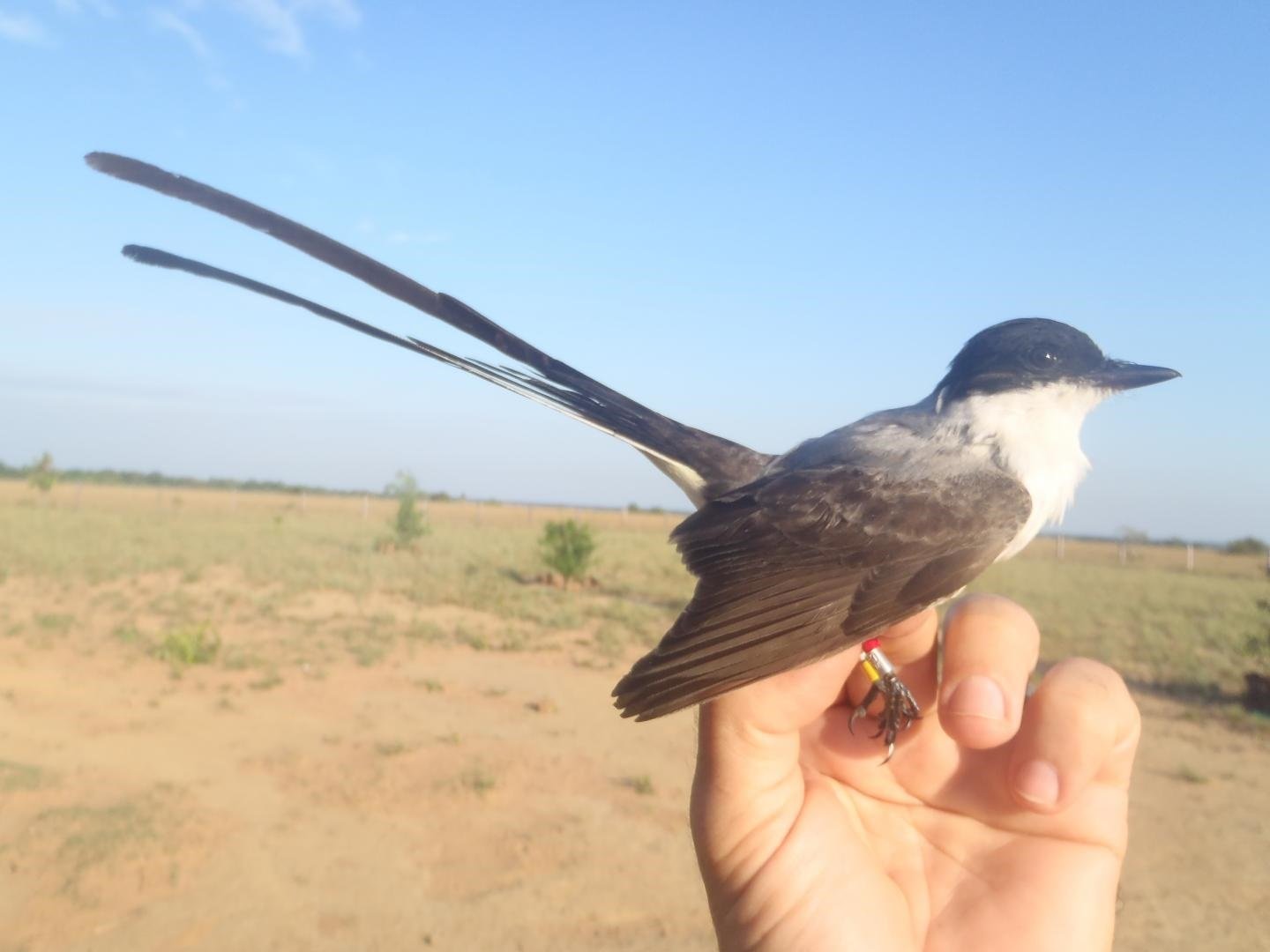
Credit: www.courthousenews.com
Avian Communication Basics
Birds often communicate with other species using sounds and gestures. They share warnings about predators, food sources, and even nesting sites. Understanding these interactions helps us learn more about avian behavior and ecosystem dynamics.
Understanding how birds communicate is a fascinating journey into the world of nature's most melodious creatures. Birds, much like humans, have developed their own languages, each with unique sounds and gestures. This intricate communication system helps them survive, find mates, and maintain social bonds. Have you ever wondered how diverse bird species manage to understand each other amidst all the chirping?
Types Of Bird Calls
Birds use a variety of calls to convey different messages. Alarm calls alert others to danger. These are usually sharp and loud to capture immediate attention. On the other hand, mating calls are often melodic and beautiful, designed to attract potential partners. Some birds have calls that mark their territory, warning others to stay away. Next time you hear a bird singing, consider what message it might be trying to send.
Body Language In Birds
Birds also communicate through body language. A puffed-up bird might be trying to appear larger to deter a predator. Wing flapping can signal excitement or aggression. Even the tilt of a head can indicate curiosity or awareness. Observing these gestures can give you insight into a bird's current state of mind. When you watch birds, pay attention to their movements—it's like reading a visual language. Bird communication is not just about sound; it’s a complex system that includes calls and body language. By understanding these basics, you can start to decode the daily drama of the bird world right in your backyard. What might birds be saying to each other—and to you?
Interspecies Communication
Birds often share songs and calls with different species, showcasing their ability to communicate across bird types. These interactions can help them find food or alert others to danger. Understanding these signals reveals the fascinating ways birds connect and thrive together in nature.
Bird communication is a fascinating field, especially when you think about how birds interact with different species. Can birds really talk to each other across species lines? This question has intrigued bird watchers and scientists alike. Interspecies communication among birds is not just about survival; it reveals a complex web of social interaction.
Examples Of Cross-species Interaction
You might have observed mixed flocks of birds. These flocks consist of different species that come together, especially in the face of a common threat. Imagine walking through a forest and hearing a cacophony of bird calls suddenly erupt. This might be birds of various species alerting each other about a nearby predator. One well-known example is the relationship between the fairy-wren and the thornbill. Both species recognize each other's alarm calls and respond accordingly. This mutual understanding helps them evade predators more effectively.
Factors Influencing Communication
Birds rely on several factors to communicate across species. Habitat plays a crucial role. In dense forests, sound travels differently compared to open fields. Birds adapt their calls to suit their environment, ensuring their warnings reach as far as possible. Behavioral adaptation is also key. Birds that live in proximity to other species often develop shared signals. They learn from each other, often through observation. It's like learning a new language through immersion. Social structure influences communication too. Birds that are more social tend to have more complex communication systems. This complexity allows for nuanced interactions with other species. Have you ever thought about how this cross-species chatter affects you as an observer? Next time you hear a symphony of bird calls, consider the information being shared. What might be a simple sound to us is a rich, layered message to them. How do you think this communication impacts the ecosystem as a whole?
Scientific Studies
Scientific studies on bird communication are shedding light on the fascinating ways birds might interact across species. Imagine walking in a park and hearing the symphony of bird calls. Have you ever wondered if these calls mean more than just a song? Scientists are asking the same question. They are delving into the complex world of avian communication. Let's explore how researchers are discovering the secrets of interspecies bird chatter.
Research Methods
Researchers use various methods to study bird communication. Observations in natural habitats provide real-world insights. Scientists often use recording devices to capture bird calls. They analyze these recordings to understand patterns and meanings. Sometimes, they play recorded calls back to birds. This helps them see if birds respond differently to calls from other species. Field experiments also involve tracking birds' movements. Researchers watch how birds react to calls in their environment.
Key Findings
These studies reveal intriguing findings about bird communication. Birds do respond to calls from other species. Some birds understand warning calls, which signal danger. This shows a level of interspecies communication. Other birds may mimic calls to form alliances. Such mimicry could help in food gathering or predator avoidance. It seems birds have more complex social interactions than we thought.
Imagine a world where birds work together across species. Could this be nature's way of fostering cooperation? The findings suggest that birds might communicate for survival benefits. This poses an interesting question: if birds can understand each other, what does this mean for our understanding of animal intelligence?
Next time you're outside, listen closely to the bird songs. You may be eavesdropping on a conversation between different bird species. What do you think they're talking about?
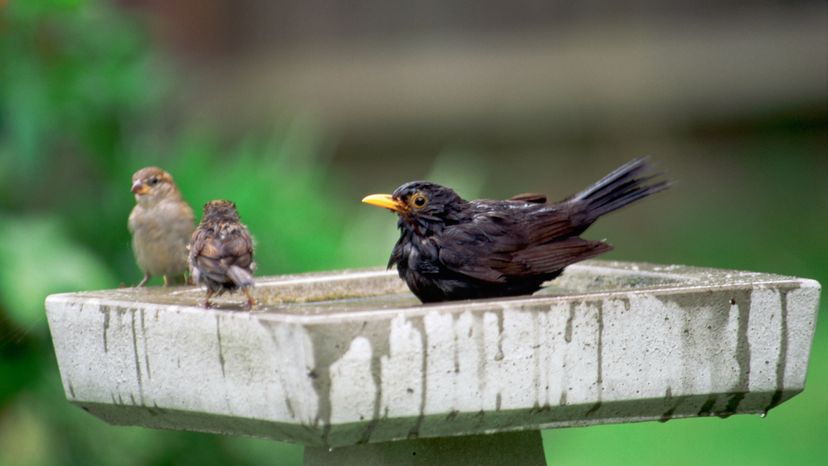
Credit: animals.howstuffworks.com
Role Of Environment
Birds often communicate across species using calls and songs, sharing vital information like food sources and danger alerts. Different bird species can understand these signals, fostering cooperation and survival. The environment influences these interactions by shaping habitats where birds can easily hear and respond to one another.
Bird communication is a fascinating subject, especially when considering how different species might interact with each other. The environment plays a crucial role in shaping these interactions. From lush forests to urban jungles, the surroundings can influence how birds communicate across species lines. Understanding the role of the environment can reveal intriguing insights into the world of birds.
Habitat Influence
The habitat where birds live significantly affects their communication abilities. In dense forests, birds often rely on calls that can penetrate thick foliage. These calls are usually loud and repetitive, ensuring they carry over long distances. In open fields, however, birds might use more visual signals since sound can travel freely. This is why you might see more elaborate dances or feather displays in such environments. Have you ever noticed how different bird species interact in varied landscapes? It's not just coincidence—it's adaptation at play.
Impact Of Human Activity
Human activities have a profound impact on bird communication. Urban environments introduce noise pollution, which can drown out bird calls. This forces birds to change their communication strategies, often leading to louder or higher-pitched calls. Interestingly, some species have adapted to mimic sounds from their urban surroundings, like car alarms or ringtones. This adaptability raises questions about the future of bird communication in rapidly urbanizing areas. Are we unintentionally teaching birds a new language? Consider how the presence of bird feeders in your backyard might influence local bird interactions. Feeding stations can become a hub of activity, encouraging interspecies communication and cooperation. This can lead to surprising alliances and unexpected vocalizations that wouldn't occur naturally. The environment, whether natural or man-made, is a dynamic backdrop to the ongoing conversation between bird species. By observing these interactions, you can gain a deeper appreciation for the adaptability and intelligence of our feathered friends.
Implications For Conservation
Bird communication across species holds potential for conservation strategies. Understanding these interactions can aid in preserving diverse ecosystems. Birds often rely on vocalizations for survival. These sounds may convey warnings or mating signals. Studying cross-species communication reveals vital ecological links.
Preservation Efforts
Effective conservation depends on recognizing bird communication patterns. Protecting habitats where diverse bird species interact is crucial. Communication between species can indicate healthy ecosystems. Conservationists can focus on areas with rich bird interactions. These regions often house critical resources for birds.
Understanding Ecological Relationships
Cross-species communication reveals intricate ecological relationships. Birds often share information about food sources and predators. These interactions can strengthen community resilience. Understanding these relationships helps protect entire ecosystems. Conservationists gain insights into maintaining ecological balance.
Future Directions
Exploring how birds communicate with different species offers exciting possibilities. Understanding their interactions could help in conservation efforts. Studies might uncover unique signals or behaviors shared across species.
Birds have long fascinated us with their ability to sing and communicate. But can they understand birds from other species? The future of this intriguing question is promising, thanks to ongoing research and technological advances. As we look ahead, new discoveries may reveal how birds interact across species barriers and what this means for biodiversity.
Potential Research Areas
Understanding cross-species communication among birds could revolutionize our knowledge of the avian world. Researchers might explore how birds from different species share information or collaborate in their environments. Imagine a world where you could decode the conversations between sparrows and robins in your backyard! There are many questions to ponder. Do birds of different species recognize each other's warning calls? Can they share information about food sources? These areas offer exciting opportunities for research that could lead to fascinating breakthroughs in the study of animal behavior.
Technological Advances
The future of bird communication studies is bright with the help of technology. Advances in audio recording and analysis tools allow scientists to capture and study bird calls in unprecedented detail. You might be surprised to learn that AI can now identify and categorize bird calls with remarkable accuracy. Imagine apps that let you listen to birds and understand their conversations, bridging the gap between species. These innovations could empower you to become an amateur ornithologist, decoding the chatter of birds in your local park. With these technologies, researchers can conduct experiments and gather data more efficiently. You might ask, what will we discover next about the way birds interact? The possibilities are endless, and they promise to deepen our connection with the natural world. In this exciting field, curiosity drives progress. As you observe birds in your environment, consider how technology and research might soon allow us to understand their interactions in ways we never thought possible.
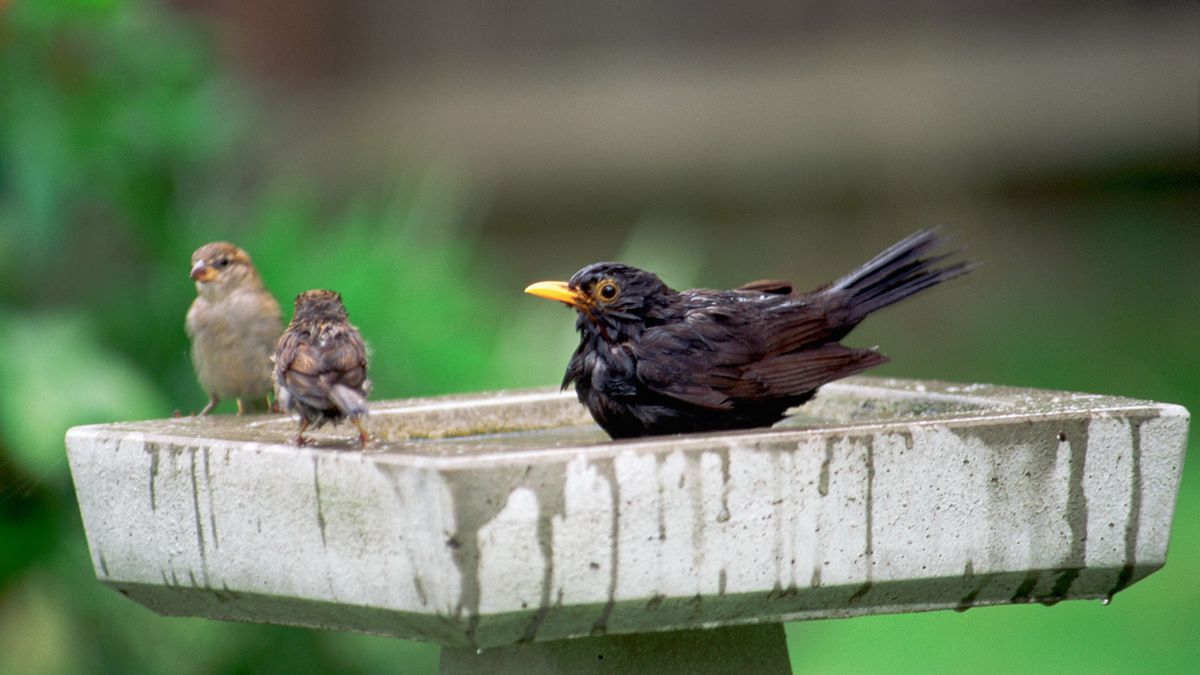
Credit: animals.howstuffworks.com
Frequently Asked Questions
Do Birds Understand Each Other's Calls?
Birds can often understand calls from different species. Many birds share common alarm signals to warn of predators. These shared signals help birds respond quickly to threats. Understanding these calls can enhance survival and coordination in mixed-species groups.
How Do Birds Learn Foreign Bird Languages?
Birds can learn other species' calls through direct interaction. Frequent exposure and observation help them recognize these signals. Some birds mimic sounds, enhancing their communication skills. Learning foreign calls can improve their adaptability in diverse habitats.
Can Birds Mimic Other Bird Species?
Yes, some birds mimic other species' calls. Mimicry helps them in social interactions and survival strategies. Birds like parrots and mynas are known for their mimicking abilities. Mimicry can confuse predators and enhance communication with different bird species.
Why Do Birds Communicate With Other Species?
Birds communicate with other species for survival advantages. Sharing information like food sources or predator presence helps them thrive. It enhances cooperation in mixed-species flocks. This communication enriches their social interactions and ensures safety in diverse environments.
Conclusion
Birds talking to other species is fascinating. They use calls and gestures. Different birds can understand these signals. This helps them warn of danger or share food sources. Communication is crucial for survival. It shows nature's complexity and intelligence. By observing birds, we learn about their language.
Bird interactions remind us of nature’s wonders. Their ability to communicate across species is truly intriguing. It invites us to explore more about these amazing creatures. We see that communication goes beyond words. It's a universal tool connecting us all.
So, next time you hear birds, think of their secret conversations.