


Imagine sipping your morning coffee while watching vibrant birds dance around in your backyard. Installing a bird feeder can turn this peaceful vision into reality.
Whether you're a nature enthusiast or just someone looking to add a splash of life to your garden, a bird feeder is your ticket to creating a personal haven for local wildlife. Have you ever wondered why some gardens are buzzing with birds while others remain silent?
The secret lies in the right bird feeder. But with so many options, how do you choose the best one for your feathered visitors? This article will guide you through the essentials of selecting and maintaining a bird feeder that will not only attract birds but also keep them coming back. Ready to transform your garden into a lively bird paradise? Let’s dive in!
Choosing The Right Bird Feeder
Bird feeders bring nature closer to home. Choosing the right one is important. Different feeders attract different birds. Consider the types, materials, and placement.
Types Of Bird Feeders
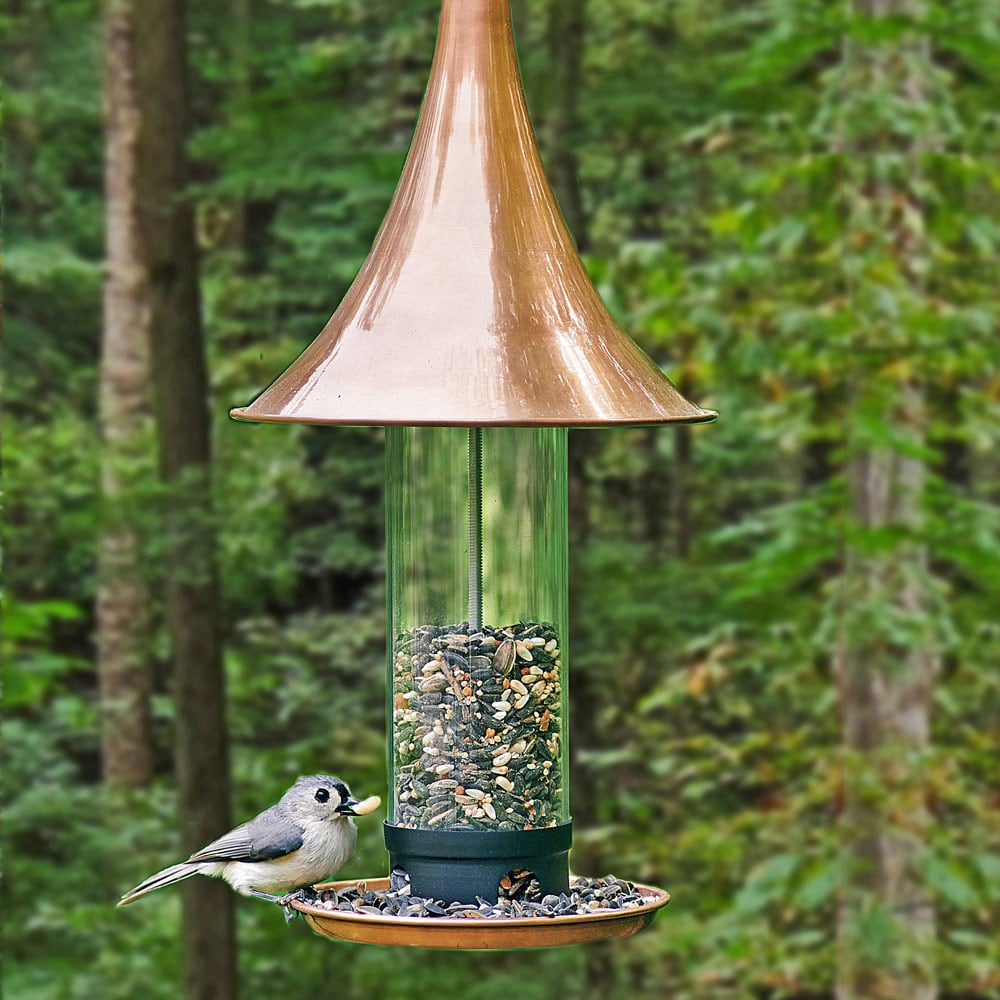
There are several types of bird feeders. Tube feeders are popular for small birds. Hopper feeders can hold more seeds. Suet feeders attract woodpeckers and similar birds. Platform feeders provide space for larger birds. Each type serves different bird species.
Materials And Durability
Bird feeders come in various materials. Plastic feeders are lightweight and easy to clean. Metal feeders are durable and withstand weather. Wooden feeders blend well in natural settings. Choose a feeder that lasts long and suits your environment.
Placement Tips
Correct placement enhances bird visits. Place feeders where birds feel safe. Nearby trees or bushes offer cover. Avoid placing near busy areas. Ensure easy access for cleaning and refilling. Consider visibility for birdwatching enjoyment.
Credit: www.whiteflowerfarm.com
Selecting Birdseed And Food
Choosing the right birdseed is crucial for attracting various birds to your feeder. Opt for seeds like sunflower, millet, and cracked corn to cater to different bird species. Ensuring a mix of seeds will keep your feathered visitors coming back.
Selecting the right birdseed and food is crucial for attracting a variety of birds to your feeder. Different birds have different food preferences. Understanding these preferences helps create a vibrant bird-watching experience. By choosing the right seeds, you can invite colorful and diverse bird species to your backyard.
Popular Seed Options
Sunflower seeds are a top choice for many birds. They are rich in nutrients. Black oil sunflower seeds attract cardinals, chickadees, and finches. Striped sunflower seeds are loved by larger birds. Millet is another favorite among ground-feeding birds. Sparrows and doves flock to feeders with millet. Nyjer seeds, also known as thistle, attract goldfinches. These tiny seeds are packed with energy.
Seasonal Feeding Needs
Birds need different foods in different seasons. In winter, high-fat seeds help birds stay warm. Suet cakes are ideal for this season. In spring, birds need protein for breeding. Mealworms provide the needed protein. Summer calls for seeds that prevent spoilage. Fresh fruit can also be added in summer. Fall is a time to offer seeds with high energy. This helps birds prepare for migration.
Specialty Foods For Specific Birds
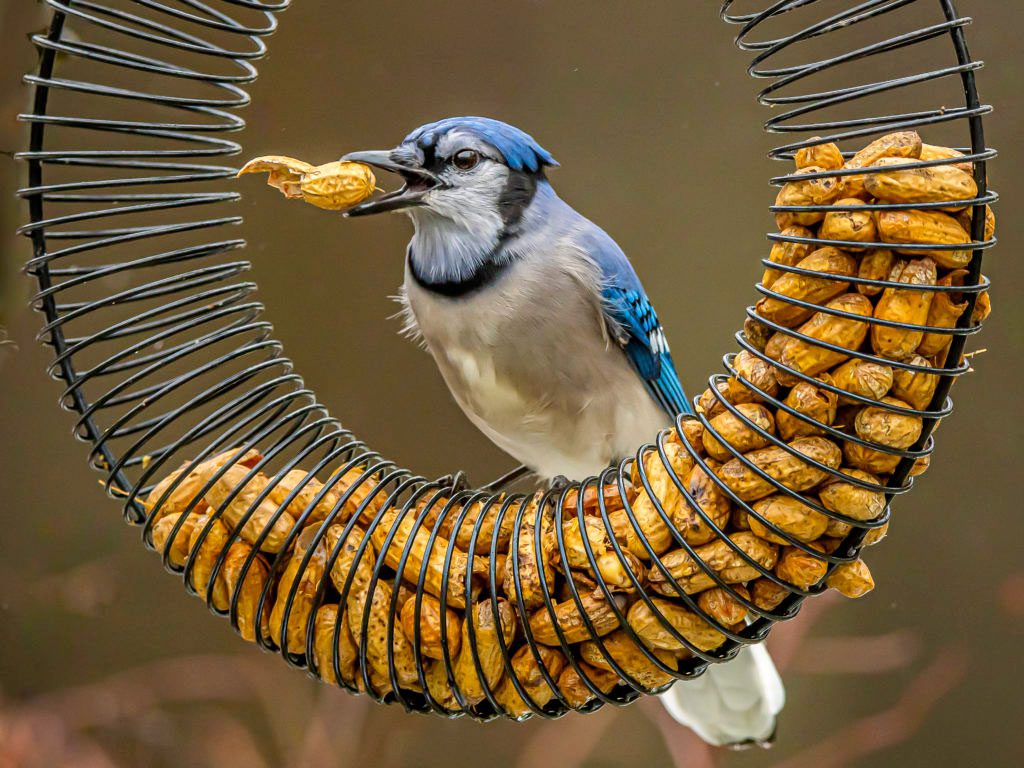
Some birds prefer specialized diets. Orioles love oranges and grape jelly. Hummingbirds are attracted to sugar water. Use a feeder designed for nectar. Woodpeckers enjoy peanuts and suet. Providing these foods can attract unique birds. Specialty foods cater to the diet needs of specific species. This ensures diverse bird visits to your feeder.
Creating A Bird-friendly Environment
Creating a bird-friendly environment can bring joy to your backyard. Birds need safe spaces, water, and shelter to thrive. By providing these essentials, you can attract a variety of beautiful birds. This section will guide you through simple steps to create a welcoming space for our feathered friends.
Safe Perching Spots
Birds need safe perching spots to rest and survey their surroundings. Install sturdy branches or rods near your bird feeder. Ensure they are out of reach from predators like cats. Birds feel safe when they have a clear view of approaching threats. Choose natural materials for perching spots to blend with the environment.
Providing Water Sources
Water is essential for birds, for drinking and bathing. Place a shallow birdbath near your feeder. Ensure it's clean and filled with fresh water. A small fountain or mister can attract more birds. Birds love the sound and movement of water. In winter, consider a heated birdbath to prevent freezing.
Encouraging Natural Shelter
Natural shelter offers protection from weather and predators. Plant shrubs and trees around your bird feeder. Dense foliage provides excellent cover for birds. Native plants are the best choices as they offer food and shelter. Avoid trimming branches too often. Birds prefer areas with thick, untouched vegetation.
Attracting A Variety Of Birds
Bird feeders invite colorful birds to your backyard. Offer seeds, nuts, and fruits to attract different species. Position feeders near trees and shrubs for safety and shelter.
Attracting a variety of birds to your feeder can transform your backyard into a vibrant, dynamic space. Watching different species fluttering around, each with unique colors and behaviors, adds a fascinating layer to your outdoor experience. But how do you ensure that your feeder is a hotspot for diverse bird types?
Identifying Local Birds
Start by learning about the birds native to your area. This knowledge helps you understand which species you are likely to attract and their specific needs. You can find this information through bird watching clubs, online forums, or even local libraries. Consider keeping a journal to note down the birds you spot. This record can help you track patterns and adjust your feeder setup accordingly. Have you noticed more finches than sparrows? This might prompt a change in your strategy.
Tailoring Food To Birds
Different birds have different dietary preferences. By offering a variety of foods, you can attract a wider range of species. Seeds, nuts, suet, and fruits are common choices. Mix things up based on what you observe. If you see more cardinals, you might want to add sunflower seeds to your feeder. On the other hand, if woodpeckers frequent your space, suet could be a better option. Simple tweaks can make a big difference. Experiment with food combinations and observe the results. What surprises you? Does changing the food attract unexpected visitors?
Using Visual And Auditory Cues
Birds are drawn to feeders not just by food, but by visual and auditory cues. Brightly colored feeders can catch their eye from afar. Try using red or orange to attract hummingbirds. Sound plays a role too. Some bird feeders come with built-in water features that mimic natural sounds. These can attract birds looking for a drink or a bath. Think about adding a wind chime near your feeder. The gentle sounds may not only attract birds but also create a pleasant ambiance for you. What sounds do you notice in your backyard? Could these be contributing to the variety of birds visiting your feeder? Your bird feeder can become a lively hub of activity with a few thoughtful adjustments. What steps will you take to welcome a diverse array of feathered friends?
Maintaining Your Bird Feeder
Maintaining your bird feeder ensures a safe space for your feathered friends. Birds need clean, fresh food to thrive. Regular upkeep keeps your feeder in top shape. This guide will help you maintain your bird feeder with simple steps.
Cleaning And Hygiene Practices
Regular cleaning of your bird feeder is vital. Use a mild soap and warm water. Scrub all parts thoroughly. Rinse well and let it dry completely. This prevents mold and bacteria growth. Clean it every two weeks for the best results.
Refilling And Rotation
Refill your bird feeder often. Fresh seeds attract more birds. Rotate different seed types to offer variety. This keeps birds coming back for more. Check the feeder daily to ensure it doesn't stay empty.
Preventing Pests And Predators
Keep pests and predators away from your bird feeder. Use squirrel-proof feeders to deter unwanted guests. Hang feeders high and away from trees. This makes it harder for predators to reach. Keep the area under the feeder clean to avoid attracting pests.
Credit: www.allaboutbirds.org
Observing And Enjoying Birdlife
Having a bird feeder in your backyard opens up a world of vibrant colors and cheerful chirps, offering you a unique opportunity to observe and enjoy birdlife. Whether you're a seasoned bird watcher or a curious beginner, engaging with the feathered visitors can be both relaxing and educational. Imagine sipping your morning coffee while watching a bright cardinal or a cheeky sparrow dance around your feeder. It’s not just about seeing birds; it's about connecting with nature in a simple yet profound way.
Bird Watching Tips
To make the most of your bird watching experience, consider a few practical tips. First, place your bird feeder in a location that is both safe and visible. Birds prefer spots that offer shelter from predators. Keep a pair of binoculars nearby. They’ll help you see the intricate details of each bird's plumage.
Patience is key. Sometimes birds might be shy or scared. Give them time to get used to your presence. Also, early mornings are ideal for bird watching as birds are most active then. You may even spot species you hadn’t seen before.
Recording Your Observations
Recording your observations can enhance your bird watching hobby. Keep a simple notebook or use a bird watching app to log each sighting. Note the species, date, time, and behavior. This helps you track patterns over time.
Creating a personal bird guide based on your observations can be a rewarding experience. It’s fascinating to see how the same birds behave differently across seasons or respond to changes in your feeder setup. You might discover that certain birds prefer specific seeds or visit more frequently during particular weather conditions.
Photography And Journaling
Capturing moments through photography and journaling can bring your bird watching to life. Invest in a camera with a zoom lens if possible. Even smartphones can capture beautiful images with a steady hand and good lighting.
Consider starting a bird watching journal. Write about your experiences, what you observed, and how each bird made you feel. Adding photos to your journal can make it more engaging. You could share your journal online or keep it personal, offering a creative outlet that grows alongside your bird watching skills.
Have you ever thought about how observing birds can change the way you see your backyard? As you get to know your feathered visitors, your garden becomes a vibrant ecosystem rather than just a patch of green. What stories will your bird feeder tell you this season?

Credit: en.wikipedia.org
Frequently Asked Questions
How Do Bird Feeders Attract Birds?
Bird feeders attract birds by providing a consistent food source. They offer seeds, suet, or nectar, which are appealing to different bird species. Positioning the feeder in a safe, quiet location also helps. Regularly cleaning the feeder prevents diseases and maintains its attractiveness to birds.
What Type Of Bird Feeder Is Best?
The best bird feeder depends on the birds you want to attract. Tube feeders are great for small birds like finches. Platform feeders attract a variety of birds. Suet feeders are perfect for woodpeckers. Always consider the type of birds in your area when choosing a feeder.
How Often Should I Refill My Bird Feeder?
Refill your bird feeder every few days or as needed. This ensures a consistent food supply for visiting birds. During peak times, like winter or migration, you may need to refill more frequently. Observing the feeder's activity helps determine the appropriate refill schedule.
Where Should I Place My Bird Feeder?
Place your bird feeder in a quiet, sheltered location. Ensure it's visible to birds but safe from predators. A spot near trees or shrubs provides cover for birds. Avoid placing it too close to windows to prevent bird collisions and ensure a safe feeding environment.
Conclusion
A bird feeder adds joy to your garden. Birds bring life and color. Their songs create a peaceful atmosphere. Watching them is calming. It connects you with nature. Each visit is special. Maintenance is simple and quick. Clean it regularly.
Keep it filled with seeds. Birds will return often. Choose a feeder that suits your style. Many options are available. Each attracts different birds. Explore the variety. Enjoy the beauty they bring. Invite nature into your space. Share this joy with family.
A bird feeder is more than decor. It’s a delightful experience.