


Imagine stepping out into your garden, the morning sun warming your face, and the delightful chirping of birds greeting your ears. Now, picture a beautifully designed bird feeder, gracefully suspended, becoming the centerpiece of this tranquil scene.
A 150N bird feeder supported by three cables is not just a simple garden accessory; it's a magnet for nature's most charming guests. As you read on, you'll discover why the design and support of this feeder are crucial. We'll delve into the specifics of how these three cables not only ensure stability but also enhance your backyard's aesthetic appeal.
You might be wondering how this setup can transform your outdoor space into a bustling bird sanctuary. Keep reading to uncover the secrets of creating an inviting haven for birds, all starting with the right feeder and its innovative support system.
Physics Of Cable Support
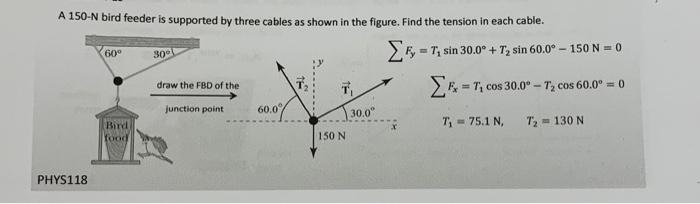
Three cables hold a 150N bird feeder. Each cable balances the weight using tension and angle. Understanding this setup reveals cable physics.
When it comes to understanding the physics of cable support, picture a bird feeder hanging gracefully in your backyard. It's not just a simple setup; there's a fascinating world of physics at play. The 150N bird feeder is supported by three cables, each sharing the load. This arrangement keeps the feeder stable and in position. Have you ever wondered how these cables manage to hold the feeder perfectly still? Let's dive into the forces and tensions that make this possible.
Forces And Equilibrium
Every object you see hanging is in a state of equilibrium. This means that all the forces acting on it balance each other out. For the bird feeder, the force of gravity pulls it downwards with a force of 150N. But how does it stay in place? The three cables counteract this gravitational pull by exerting an upward force. If you add up these forces, they equal the weight of the feeder. This balance is what keeps the feeder from crashing down. Imagine adjusting one cable. What do you think happens? The feeder tilts, showing how sensitive equilibrium is to changes. Next time you adjust your bird feeder, think about the delicate balance you're maintaining.
Tension In Cables
Each cable in the system experiences tension. This tension is the force that's transmitted through the cable when it's pulled tight by forces acting from opposite ends. In our bird feeder scenario, each cable shares the load of the 150N weight. Consider the angles at which these cables are positioned. Cables at different angles will have different tensions. The steeper the angle, the more tension in the cable. Visualize this: If one cable is more vertical, it carries more of the weight, reducing tension in the others. Wouldn't it be interesting to see how changing the angle alters the tension? By understanding the tension in these cables, you can see why they don't snap under pressure. This knowledge is not just theoretical; it's practical. Knowing how tension works can help you choose the right materials for your DIY projects or ensure safety in larger structures. So, next time you look at a hanging object, think about the unseen forces and tensions at play. You're not just seeing an object; you're witnessing a perfect balance of physics in action.

Credit: www.youtube.com
Choosing Cable Material
Choosing the right cable material for a bird feeder is crucial. It ensures the feeder is secure and lasts long. The cables supporting a 150N bird feeder must be strong and weather resistant. Each aspect plays a vital role in the overall functionality.
Strength Requirements
The cables must handle the weight of the bird feeder. This means selecting materials that can bear 150N without snapping. Steel cables are excellent due to their high tensile strength. They provide the necessary support and stability for the feeder.
Consider cables that have been tested for weight limits. This ensures the feeder will remain secure over time. Choose materials known for durability and reliability. These features prevent unexpected breakage and ensure safety for birds.
Weather Resistance
Weather resistance is another essential factor. The cables must withstand rain, snow, and sun exposure. Opt for materials with corrosion resistance. Stainless steel is a popular choice for outdoor use.
Weather-resistant cables maintain their integrity over time. They prevent rust and degradation due to environmental factors. This ensures that your bird feeder remains functional and safe year-round.
Consider UV-resistant coatings if possible. These help protect the cables from sun damage. UV protection extends the lifespan of the cables significantly.
Optimal Cable Arrangement
Choosing the right cable arrangement is crucial for supporting a bird feeder. A 150N bird feeder can be challenging to stabilize. Using three cables can ensure balance and prevent tipping. Proper arrangement boosts efficiency and safety.
Angles And Stability
Setting the cables at the right angles is essential. Each cable should form a triangle with the feeder. This setup prevents swaying in the wind. The angles should be consistent to distribute weight evenly. Proper angles increase stability and prevent damage.
Balancing The Load
Each cable must bear a part of the feeder’s weight. Equal load distribution is key to maintaining balance. Adjust cable tension to achieve this. If one cable bears too much weight, the feeder might tip. Balanced cables ensure the feeder stays upright.
Credit: www.chegg.com
Installation Techniques
Installing a bird feeder supported by cables can be straightforward. Ensuring stability is key. A 150N bird feeder needs secure and adjusted cables. This section covers the essential techniques for installation. Follow these steps to keep your feeder safe and balanced.
Securing Cables To Structures
First, choose a strong structure to attach the cables. Trees or posts work well. Ensure the structure can handle at least 150N of weight. Use sturdy hooks or brackets to secure the cables. This prevents the feeder from falling. Double-check the attachments for any looseness.
Adjusting Cable Lengths
Adjust cable lengths to keep the feeder level. Uneven cables can cause tilting. Measure each cable to ensure equal length. Use a cable adjuster for precision. This helps maintain balance and prevents swaying. Secure the adjustment with a clamp or knot. Regularly inspect and adjust as needed.
Safety And Maintenance
Ensuring the longevity of a 150N bird feeder relies on proper care. Regular safety checks and maintenance are crucial. These measures prevent accidents and extend the feeder's life.
Regular Inspections
Check the bird feeder and cables monthly. Look for any signs of wear. Rust, fraying, or loose connections are red flags. Inspect each cable thoroughly. Pay attention to attachment points. Ensure the feeder remains balanced and secure.
Replacing Worn Cables
Worn cables compromise safety. Replace them immediately to avoid mishaps. Use cables of the same strength and material. Secure the new cables tightly. This ensures the feeder hangs properly. Regular cable replacement protects both birds and humans.
Credit: www.coursehero.com
Frequently Asked Questions
How Do Cables Support A Bird Feeder?
Cables support a bird feeder by distributing its weight evenly. They are attached to different points for stability. This setup ensures the feeder remains balanced. It also prevents tipping or swaying. Proper tension in the cables is crucial for effective support.
What Is The Function Of A 150n Bird Feeder?
A 150N bird feeder provides a stable feeding platform for birds. It ensures birds can feed safely. The feeder is designed to withstand outdoor conditions. The weight helps prevent easy displacement by wind. This ensures a consistent feeding environment for birds.
Why Are Three Cables Used For Support?
Three cables are used to ensure stability and balance. They evenly distribute the feeder's weight. This prevents it from tipping or swinging. Using three cables provides a triangular support system. This is a stable and efficient way to support a suspended object.
How Do You Ensure Cable Tension Is Correct?
To ensure correct cable tension, adjust each cable equally. Check that the feeder is level. Make adjustments to avoid slack or over-tightening. Regularly inspect cables for wear and tear. This ensures the feeder remains securely supported and balanced.
Conclusion
A 150N bird feeder supported by three cables is a smart choice. It ensures stability and safety for birds. Proper cable placement is key for balance. Check the feeder regularly for wear and tear. This extends its life and keeps birds happy.
Cable materials matter; choose durable options. The right setup attracts more birds. It also enhances your garden’s beauty. Enjoy watching diverse birds visit your feeder. Bird watching is a relaxing hobby. Share your feeder tips with friends and family. Create a welcoming space for nature’s visitors.