


Imagine sipping your morning coffee, watching a symphony of colors fluttering around your garden, filling the air with delightful chirps. Birds bring life, joy, and a sense of tranquility to your outdoor space.
But how do you transform your backyard into their favorite hangout? If you've ever set up a bird feeder only to find it ignored, you're not alone. Attracting birds to your feeder can feel like a mystery. But don't worry—unlocking the secret is easier than you think.
In this guide, we'll explore simple, effective strategies that will have your feeder buzzing with activity. Get ready to enjoy a vibrant and lively garden, as we reveal how to make it irresistible to your feathered friends.
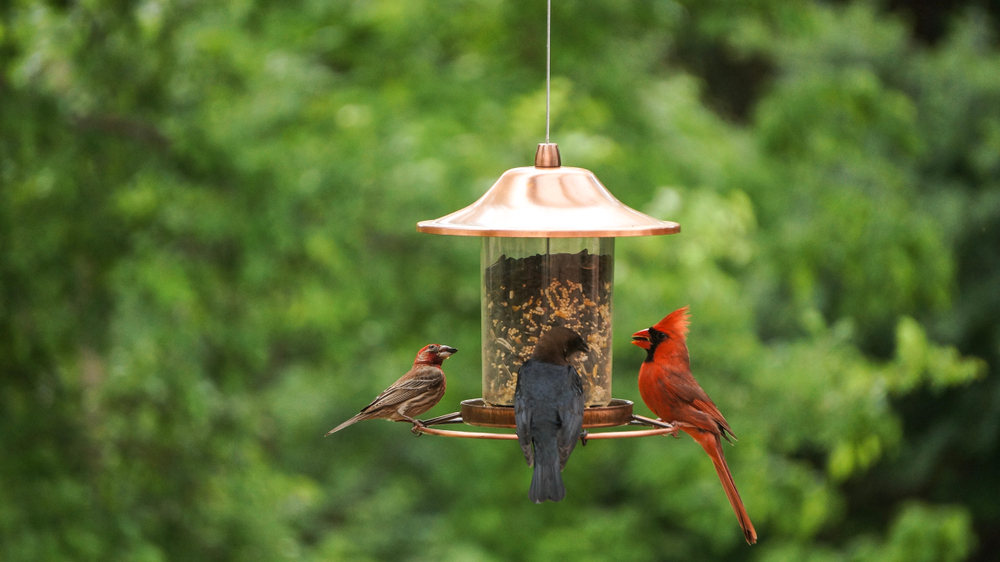
Credit: www.skh.com
Choosing The Right Feeder
Attracting birds to your garden requires the right feeder. The feeder you choose affects which birds visit. A well-chosen feeder can bring a variety of birds.
Types Of Feeders
Different feeders attract different bird species. Tube feeders are great for small birds. They keep seeds dry and safe.
Hopper feeders hold a lot of seeds. They attract larger birds. Platform feeders are open and versatile. They welcome all bird sizes.
Suet feeders are ideal for clinging birds. They provide high-energy food. Understanding these types helps in selecting the best option.
Material Considerations
Feeder materials impact durability and appeal. Plastic feeders are light and affordable. They are easy to clean but might wear out.
Metal feeders are strong and long-lasting. They withstand harsh weather. Wooden feeders blend well with nature. They offer a rustic charm.
Choose a material that suits your needs and environment.
Selecting Bird-friendly Seeds
Draw more birds to your feeder with a mix of seeds. Sunflower seeds attract cardinals and sparrows. Millet and cracked corn lure doves and jays. Offering diverse seeds can make your garden a popular spot for feathered visitors.
Attracting birds to your feeder can be a delightful experience, but it starts with choosing the right seeds. Birds are particular about their food, just like you might be with your meals. Selecting bird-friendly seeds ensures that your feeder becomes a hub of activity, drawing in a variety of feathered friends. Let's dive into the types of seeds that will make your feeder irresistible, while also steering clear of those that could be harmful.
Popular Seed Types
When you’re stocking your feeder, think about what birds love. Black oil sunflower seeds are a favorite for many species. They’re small, easy to crack, and packed with nutrients. I remember the first time I used these seeds; my yard was suddenly buzzing with chickadees and finches. Nyjer seeds are another excellent choice, particularly if you want to attract goldfinches. These tiny seeds are like gold to these vibrant little birds. You might notice that once you add nyjer seeds, finches will keep returning, adding a splash of color to your garden. Millet is perfect if you’re hoping to attract sparrows and juncos. These seeds are inexpensive and can fill a feeder quickly. A friend once shared her secret of mixing millet with cracked corn to attract ground-feeding birds. It worked like a charm!
Avoiding Harmful Seeds
Not all seeds are safe for birds. Avoid seeds that are treated with pesticides or other chemicals. Such seeds might look appealing, but they can be harmful to your feathered visitors. Always check the packaging for any chemical treatments. Red millet is often used as a filler in cheaper seed mixes. While it might seem harmless, birds tend to avoid it, leaving you with a mess and fewer visitors. It's better to invest in quality seeds that birds will actually eat. Bread crumbs and human food scraps might seem like a clever idea, but they can be dangerous. Birds can choke on large pieces, and processed foods don't provide the nutrition they need. Stick to seeds specifically meant for birds. Selecting the right seeds is crucial in creating a welcoming environment. What seeds have you found to be most effective in attracting birds to your feeder? Share your experience!
Feeder Placement Strategies
Position feeders near shrubs or trees to provide birds with safety and shelter. Ensure feeders are visible but not too exposed. Regularly clean and refill with seeds birds love, like sunflower seeds, to attract a variety of birds. Keep feeders away from noisy areas to create a calm feeding environment.
Creating a welcoming environment for birds in your backyard can be a rewarding experience. However, one of the most crucial aspects of attracting birds to your feeder is its placement. Where you place your feeder can significantly impact the variety and number of birds that visit. Let's delve into some effective feeder placement strategies that can make your garden a bird haven.
Ideal Locations
Choosing the right spot for your feeder is key. Birds are more likely to visit if they feel safe and can easily find food. Consider placing your feeder near trees or shrubs. These provide natural shelter and give birds a place to perch and observe before approaching the feeder. Also, think about visibility. A feeder that's visible from a distance can attract more birds. I once moved my feeder closer to a window, and the number of bird visitors doubled!
Safety From Predators
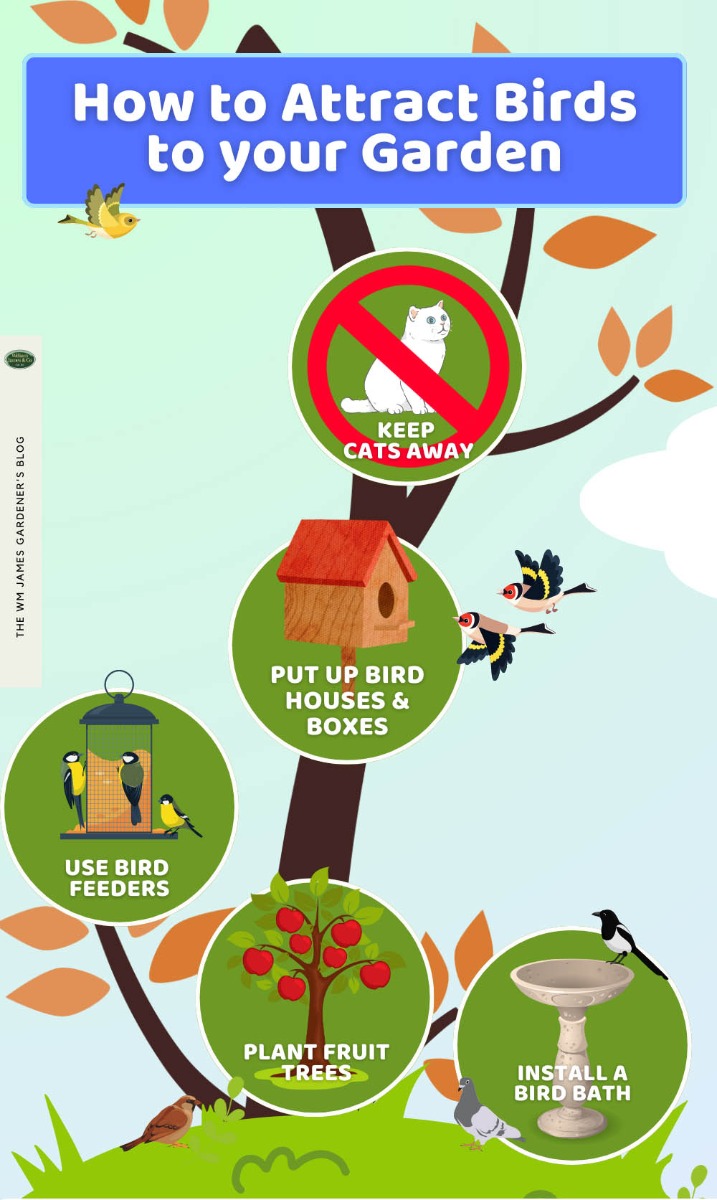
Birds are cautious creatures, always on the lookout for potential threats. Ensuring their safety can boost their confidence in visiting your feeder. Place the feeder at least ten feet away from dense bushes. Predators like cats can use them as hiding spots. Elevating your feeder can also deter some ground predators. Additionally, consider using baffles or guards. These can prevent squirrels and other animals from reaching the feeder. It’s a small step, but it makes a big difference. Do you have a favorite spot in your yard that birds love? Or perhaps a feeder placement that didn’t work out as expected? Your experiences can offer valuable insights to others on this bird-loving journey!
Credit: www.wmjames.co.uk
Creating A Bird-friendly Environment
Invite colorful birds to your feeder by offering a variety of seeds and fresh water. Place feeders in quiet spots near trees or shrubs for safety. Regularly clean your feeder to keep birds healthy and happy.
Creating a bird-friendly environment is essential for attracting birds to your feeder. Birds need more than just food. They seek safety, comfort, and resources. By transforming your backyard, you can create a haven for various bird species. This enhances your birdwatching experience and supports local wildlife.
Adding Water Sources
Birds need water for drinking and bathing. Install a birdbath to attract them. Keep it clean and filled with fresh water. Consider adding a fountain or drip system. Moving water attracts birds more than stagnant water. Ensure the water source is shallow and safe. Birds prefer locations where they can easily access and escape.
Incorporating Native Plants
Native plants provide shelter and food. Choose plants that produce seeds, berries, or nectar. This will attract a variety of birds. Native plants adapt well to local conditions. They require less maintenance and are more resistant to pests. Group plants of various heights. This creates layers, providing hiding spots and nesting sites.
Maintaining Your Feeder
Attracting birds to your feeder requires consistent maintenance. A well-maintained feeder draws more birds and ensures their safety. Regular cleaning and adjusting the feeder seasonally enhances the appeal and functionality. Let's dive into the essential tasks.
Regular Cleaning
Clean your bird feeder every two weeks. Dirty feeders can spread disease among birds. Remove old food and debris. Use warm water and mild soap to scrub the feeder. Rinse thoroughly and let it dry completely. This routine helps keep birds healthy and happy.
Seasonal Adjustments
Change feeder settings with each season. In winter, add more food to support energy needs. During summer, reduce food to prevent spoilage. Adjust feeder height and location based on bird activity. Seasonal tweaks ensure optimal feeding conditions.
Attracting Specific Bird Species
Invite colorful birds to your garden by offering their favorite seeds and providing fresh water. Place feeders in quiet spots, away from predators, to ensure safety. Use a variety of feeders to cater to different bird species and watch your garden come alive with vibrant visitors.
Attracting specific bird species to your feeder can be a delightful endeavor. Imagine waking up to the chirping of colorful songbirds or observing the graceful flight of hummingbirds. By understanding what particular species prefer, you can tailor your feeding station to become the ideal spot for your feathered friends. Let's explore how you can attract the birds you desire.
Tailoring Feed And Feeders
The type of feed you offer is crucial in attracting specific bird species. Different birds have different dietary preferences. For instance, if you want to attract blue jays, consider adding peanuts or sunflower seeds to your feeder. Hummingbirds, on the other hand, are drawn to nectar feeders filled with a sugar-water solution. Choosing the right feeder also plays a significant role. Tube feeders can be excellent for small birds like finches, while platform feeders might attract larger birds such as cardinals. Experiment with different feeder styles to see which birds visit your garden.
Understanding Local Bird Habits
Observe the birds that already frequent your area. This can give you clues about what species are likely to visit your feeder. Are there more sparrows or doves? Knowing your local bird population helps you decide what types of feed and feeders to use. Pay attention to seasonal changes. Some birds are only present during certain times of the year. Adjust your feeding strategy to cater to migratory patterns. For example, offer suet in winter for woodpeckers and other winter birds. Is there a bird you've been trying to attract but haven't had any luck? Consider visiting local parks or nature reserves to see where these birds gather naturally. Understanding their preferences can help you replicate those conditions at home. Creating a welcoming environment for specific bird species can enrich your garden with diverse avian visitors. What birds are you hoping to attract to your feeder?
Addressing Common Challenges
Attracting birds to your feeder can be a rewarding experience, but it comes with its own set of challenges. Many bird enthusiasts often find themselves in a battle with squirrels, other unwanted guests, and environmental factors that can disrupt their birdwatching dreams. Addressing these challenges effectively can transform your backyard into a bird haven. Let's dive into some common issues you might encounter.
Dealing With Squirrels
Squirrels are notorious for raiding bird feeders, leaving little for your feathered friends. Their acrobatic skills and determination can be frustrating. You can combat this by investing in squirrel-proof feeders. These feeders are designed to prevent squirrels from accessing bird food while allowing birds to feed comfortably.
An alternative is to set up a separate feeding station for squirrels. You might think, "Why feed them?" Well, this can distract them from the bird feeders. Place it a good distance away, stocked with nuts and seeds they love. A little detour can keep them busy and off the bird feeder.
Have you ever tried using spicy bird seed? Birds are unaffected by the spice, but squirrels tend to avoid it. It's a simple tweak that can make a significant difference. Experiment with these solutions and see which one works best for your yard.
Managing Unwanted Guests
While attracting birds, you might inadvertently attract other critters like raccoons or larger birds that scare off smaller ones. If this sounds familiar, you're not alone. Many bird lovers face this issue.
Consider using feeders with smaller openings. These are ideal for small birds, and they discourage larger birds and other animals from accessing the food. This can help maintain a peaceful environment for the birds you want to attract.
Another tip is to keep your feeding area clean. Regularly clean the ground beneath your feeder to prevent it from becoming a buffet for unwanted visitors. This also ensures the health and safety of the birds.
Have you thought about adjusting the time you fill the feeders? Filling them in the early morning or late evening can reduce the chances of larger birds or animals raiding them during peak hours. These small changes can lead to a more successful birdwatching experience.
Addressing these challenges effectively can enhance your bird feeding experience. What solutions have you tried in your backyard? Share your insights in the comments below.

Credit: www.natureswaybirds.com
Frequently Asked Questions
How Do I Choose The Right Bird Feeder?
Selecting the right bird feeder depends on the bird species you want to attract. Tube feeders are great for small birds, while platform feeders attract larger ones. Consider the feeder's material for durability and ensure it's easy to clean. Choose a design that suits your garden's aesthetic and bird preferences.
What Bird Food Should I Use?
Different birds prefer different foods. Black oil sunflower seeds are popular among many species. Finches enjoy nyjer seeds, while peanuts attract jays and woodpeckers. Offering a variety of seeds and suet can increase diversity. Ensure the food is fresh and free from mold to attract more birds.
How Often Should I Clean My Bird Feeder?
Regular cleaning is essential to prevent diseases. Clean your bird feeder every two weeks with mild soap and water. In wet or humid conditions, consider cleaning it weekly. Rinse thoroughly to remove any soap residue. Keeping feeders clean ensures birds' health and increases their visits.
Where Should I Place My Bird Feeder?
Place your bird feeder in a safe, quiet location with some cover nearby. Birds prefer areas where they can quickly escape predators. Ensure it's not too close to windows to prevent collisions. A sheltered spot helps protect the feeder from harsh weather, keeping the food dry and fresh.
Conclusion
Creating a bird-friendly feeder is truly rewarding. Birds bring joy and life to your garden. Use fresh seeds to attract various species. Clean feeders regularly to keep them healthy. Offer water nearby to help them stay hydrated. Plant native shrubs for extra shelter and food.
Be patient; birds need time to find new feeders. Enjoy the beauty and sounds they bring. Your efforts will create a lively, colorful haven. Watching birds can be relaxing and educational. So, get started today and welcome feathered friends to your yard!