


Are you tired of seeing your backyard devoid of the lively chirping of birds? Placing a bird feeder in just the right spot can transform your outdoor space into a haven for feathered friends.
Imagine the joy of watching colorful birds fluttering and feeding right outside your window. But where exactly should you put a bird feeder to attract the most birds and keep them safe? This is the question many bird enthusiasts find themselves asking.
In this guide, we'll explore the best locations to hang your bird feeder, ensuring your backyard becomes a bustling avian paradise. Stick around to discover the secrets that will bring the beauty of nature right to your doorstep.
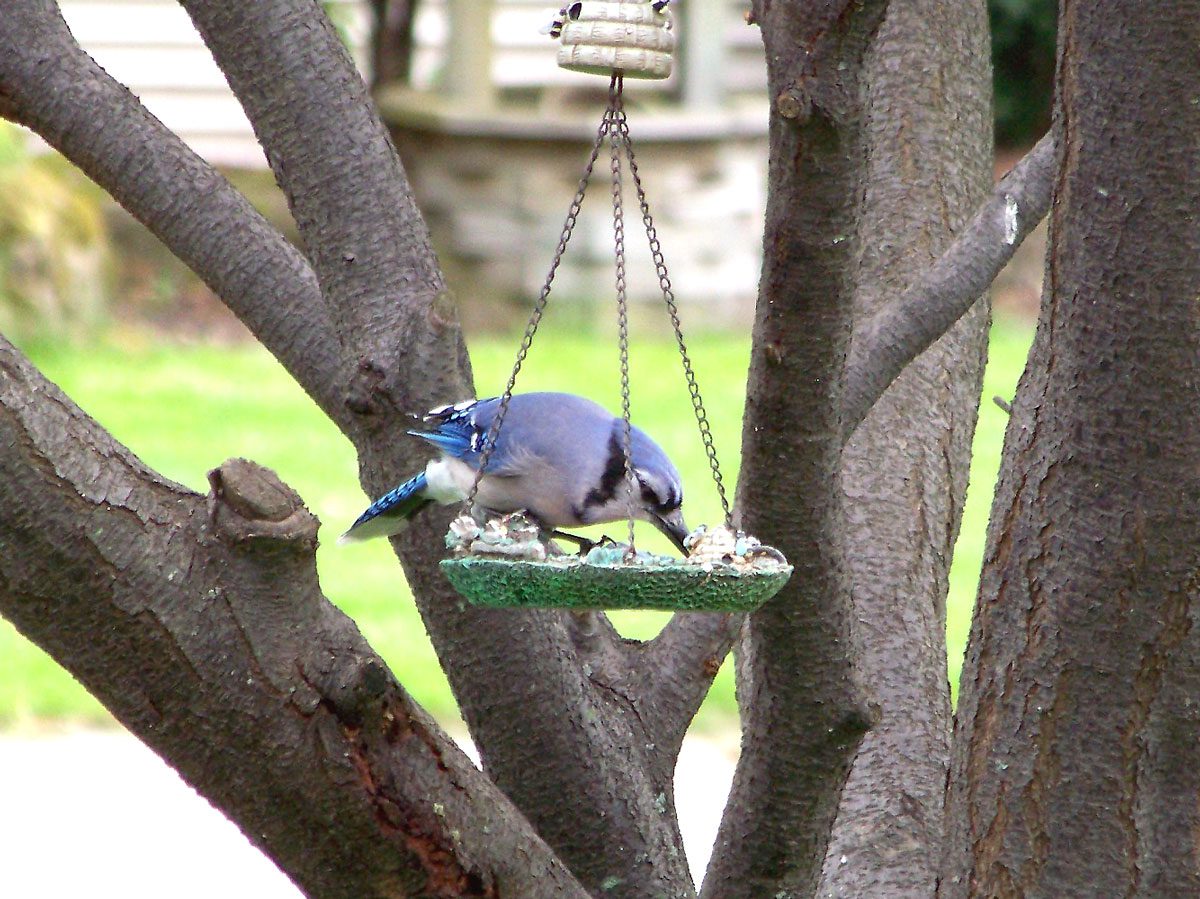
Credit: www.allaboutbirds.org
Choosing The Right Location
Choosing the right location for a bird feeder is crucial. It influences the number of birds visiting and their safety. A good location offers shelter, food access, and visibility. Consider the environment and nearby elements carefully. This guide will help you select the ideal spot for your bird feeder.
Consider Safety
Bird safety is important. Place the feeder away from predators. Cats and squirrels can threaten birds. Keeping the feeder at least 10 feet from trees helps. This distance reduces the chance of attacks.
Ensure Visibility
Birds need to see the feeder easily. Choose a visible location from their flying paths. Open spaces make the feeder more noticeable. Visibility attracts more birds. Avoid placing the feeder in dense bushes.
Choose Shelter
Shelter from harsh weather is crucial. Position the feeder near shrubs or trees. These provide protection from wind and rain. Shelter helps birds visit more often. It offers them a safe resting place.
Accessibility For Maintenance
Easy access to the feeder simplifies maintenance. Clean the feeder regularly to prevent disease. Choose a spot you can reach easily. This accessibility makes upkeep less challenging. Ensure the area is not obstructed.
Evaluate Surroundings
Check the surroundings before placing the feeder. Avoid noisy places that disturb birds. Calm environments make birds feel safer. Reduce human activity near the feeder. Birds prefer quiet and peaceful locations.

Credit: www.natureswaybirds.com
Proximity To Natural Cover
Choosing the right spot for your bird feeder is crucial. Birds need a safe place to eat. Natural cover provides protection and comfort. It allows birds to escape predators quickly. This makes them feel secure when feeding.
Natural cover includes trees, shrubs, and bushes. These provide hiding spots and protection from the elements. Let's explore how trees and shrubs can help.
Trees And Shrubs
Trees and shrubs offer a natural shelter for birds. Birds can hide from predators among branches. They use leaves for protection from the weather. Placing a feeder near trees encourages more birds to visit. Birds feel safer with a quick escape route.
Position the feeder within 10 feet of trees. This distance helps birds feel secure. Yet, it's far enough to prevent predators from jumping directly to the feeder.
Safe Distance From Predators
Predators like cats pose a threat to birds. It's important to keep feeders out of their reach. Place feeders away from fences and low branches. These spots make it easy for predators to pounce.
Ensure there's a clear view around the feeder. This helps birds spot danger early. Keep feeders at least 5 feet high. This height adds an extra layer of safety for feeding birds.
Visibility For Birdwatching
Placing a bird feeder in a quiet spot with shrubs nearby increases visibility for birdwatching. Birds feel safe with cover from predators. A sunny location allows easy viewing from windows.
Visibility for birdwatching can transform an ordinary day into a fascinating adventure. The thrill of spotting a colorful bird perched on your feeder is unmatched. But to experience this joy, you need to place your bird feeder where you can easily see it.
Clear View From Indoors
Having a bird feeder visible from inside your home is both practical and exciting. A clear view allows you to enjoy birdwatching from the comfort of your couch. Imagine sipping your morning coffee while watching a cardinal flit about. Position your feeder near a window where you spend a lot of time. Whether it's your living room, kitchen, or home office, ensure your daily routine includes a peek at the feeder.
Ideal Window Placement
Placing your feeder near a window doesn't mean just any window will do. Consider factors like sunlight and reflection. Windows facing east or north often provide the best lighting without harsh afternoon glare. This makes it easier to see the birds in detail and take pictures if you wish. Ensure the window is clean. Smudges and dirt can obscure your view and diminish the joy of birdwatching. Also, think about the window's height in relation to your feeder. A feeder too low or too high can make spotting birds uncomfortable. Have you thought about potential window collisions? Birds can sometimes see reflections and fly into the glass. To prevent this, use decals or curtains as gentle deterrents. Experiment with different windows and adjust until you find the perfect spot. Each home is unique, and a slight change can make a big difference. Isn't it exciting to think about the little tweaks you can make to enhance your birdwatching experience? By ensuring clear visibility, you invite nature's wonders right into your home.
Accessibility For Refilling
Accessibility for refilling is crucial when placing a bird feeder. Regular refilling keeps birds returning and ensures the feeder remains functional. Thoughtful placement can save you time and effort. Consider the ease of reaching the feeder. Choose spots that allow for quick refilling without hassle.
Convenient Height
Place the feeder at a height that's easy to reach. Avoid placing it too high or low. A height between chest and eye level works best. This prevents strain while refilling. Ensure the feeder is visible. This helps you notice when it needs refilling.
Easy Pathways
Clear pathways make refilling simpler. Ensure there's a direct path to the feeder. Avoid obstacles that may hinder access. Consider the terrain around the feeder. Flat ground provides stability and ease. Avoid muddy or uneven areas. This ensures safe and swift access.
Consideration For Weather Conditions
Choosing the right spot for your bird feeder is crucial. Weather conditions play a significant role in this decision. Birds need a comfortable and safe place to eat. Wind and rain can affect their feeding experience. Let's explore how to shield your bird feeder from harsh weather.
Sheltered From Wind
Wind can make feeders sway and spill seeds. Choose a calm spot, away from strong gusts. Position your feeder near trees or shrubs. These natural barriers offer protection. High winds can deter birds from visiting. A stable feeder attracts more birds.
Protection From Rain
Rain can spoil bird seeds. Wet seeds can grow mold. Place the feeder under a roof or overhang. This keeps seeds dry and fresh. Use a feeder with a built-in cover. It shields food from rain. A dry feeding space invites more bird visitors.
Credit: www.perkypet.com
Minimizing Squirrel And Pest Access
Minimizing squirrel and pest access is a common challenge for bird enthusiasts. You want your feathered friends to enjoy their meals without pesky intruders. But how do you keep the unwanted guests away? With a few practical strategies, you can create a peaceful oasis for your birds.
Using Baffles
Baffles are a fantastic tool to deter squirrels and other pests. These cone-shaped barriers confuse critters, preventing them from reaching the feeder. Consider installing a baffle on the pole or hanger of your bird feeder. It acts like a slippery shield, making it tough for squirrels to climb up.
There are various types of baffles, such as dome-shaped or tubular designs. Choose one that suits your setup. You could even try a DIY approach by using a smooth PVC pipe around the feeder pole. It's amazing how a simple device can make such a big difference!
Strategic Placement
Where you place your bird feeder matters more than you might think. Position your feeder at least 10 feet away from trees, fences, or structures. Squirrels are talented jumpers; they can leap significant distances to reach their goal. By keeping the feeder isolated, you make their job much harder.
Height is another factor. Place your feeder at least 5 feet off the ground. This height deters not only squirrels but also keeps the feeder out of reach of other ground-dwelling pests. Can you picture the frustration on a squirrel's face when it realizes it can't leap or climb its way to a snack?
Are you ready to take on the challenge of outsmarting squirrels and pests? Implementing baffles and strategic placement can transform your bird-feeding experience. Imagine the joy of watching birds flutter around, undisturbed by pesky intruders. With these simple adjustments, you can create a sanctuary that truly belongs to your feathered friends.
Enhancing Bird Variety
Adding variety to your backyard birds can be a delightful experience. Different species have unique preferences, making your bird-watching sessions more exciting. By diversifying your bird feeding approach, you can attract a wider range of birds. Where should you start?
Multiple Feeders
Consider setting up multiple feeders in your yard. This simple strategy can dramatically increase the number of bird species visiting. Each feeder can cater to different birds, reducing competition for food.
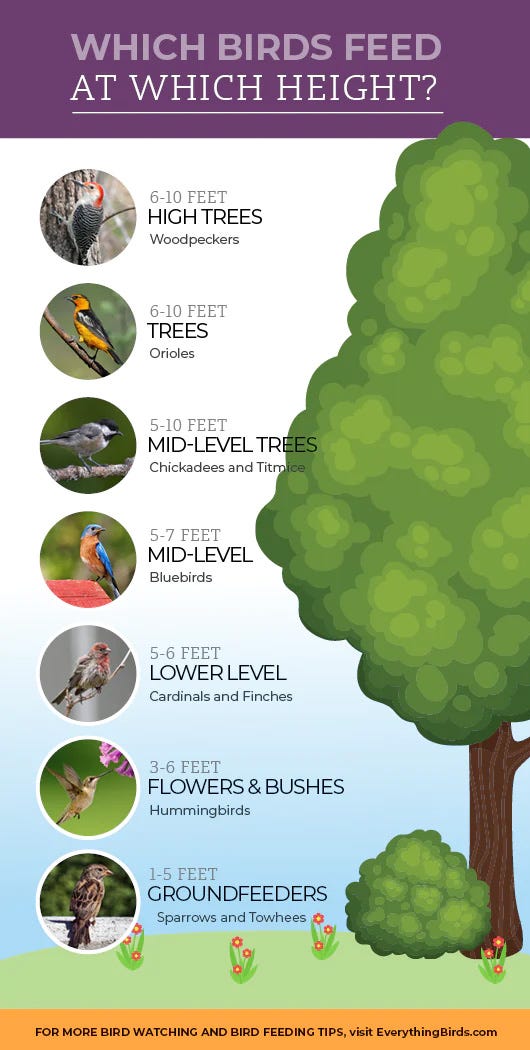
Place feeders at varying heights and locations. Some birds prefer ground-level feeding, while others are attracted to higher perches. Experiment with a mix of hanging, ground, and pole feeders.
A friend once shared how she used multiple feeders to attract a vibrant mix of birds. Her yard became a hub of activity, showcasing the beauty of nature's diversity. Could this approach transform your backyard too?
Different Seed Types
Different seeds attract different birds. Consider offering a variety of seeds to cater to diverse bird diets. Sunflower seeds, millet, and nyjer seeds each have their own fan clubs.
Mix these seeds in separate feeders or compartments. This setup allows birds to choose their preferred meal, increasing the likelihood of attracting new visitors. You might be surprised by the colorful array of birds that arrive.
Have you tried experimenting with different seed types? A neighbor shared her success with switching to nyjer seeds. It attracted beautiful goldfinches she hadn't seen before.
As you think about enhancing bird variety, remember the joy of seeing new species. What adjustments can you make to your feeding strategy today? Your efforts might create a lively, diverse ecosystem in your own backyard.
Frequently Asked Questions
Where Is The Best Place To Hang A Bird Feeder?
Hang bird feeders in a quiet, sheltered area with natural cover. Avoid noisy, high-traffic spots that might scare birds. Position feeders near trees or shrubs for protection and easy access. Ensure the location offers a clear line of sight for birds to spot predators.
How High Should I Place My Bird Feeder?
Place bird feeders at a height of 5 to 6 feet. This height keeps them out of reach of most predators. It also makes refilling and cleaning easier for you. Ensure the feeder is stable and secure to prevent accidents or spills.
Can Bird Feeders Be Placed Near Windows?
Yes, but place them either very close (within 3 feet) or far (over 30 feet) from windows. This helps prevent bird collisions. Use window decals or screens to reduce reflection. Ensure birds have a clear path to approach and leave the feeder safely.
Should Bird Feeders Be In Sun Or Shade?
It's best to place bird feeders in partial shade. This helps keep seeds fresh and prevents spoilage. Birds also enjoy some sun for warmth. Ensure the location provides a balance of both, and offers protection from strong winds and harsh weather.
Conclusion
Finding the right spot for your bird feeder is key. Birds need safety and food access. Choose a quiet, sheltered location. Avoid spots near windows to prevent collisions. Ensure visibility for easy bird watching. Keep the feeder clean and full.
This attracts more birds. Experiment with different feeder types. Each attracts different bird species. Enjoy watching birds in your garden. It’s a simple joy. Keep learning about their needs. Your efforts support local wildlife. Bird watching can be relaxing and rewarding.
Start today with these simple tips. Enjoy nature’s beauty right at home.