


Does the Color of a Bird Feeder Matter?
Have you ever wondered if the color of your bird feeder could actually influence how many feathered friends visit your yard? It’s a question that might not have crossed your mind, but it could be the secret to transforming your backyard into a bustling bird sanctuary.
Imagine the thrill of watching vibrant birds flock to your feeder, simply because you chose the right color. You might be thinking, "Does it really make a difference? " Surprisingly, color can play a significant role in attracting different bird species.
We’ll explore the fascinating connection between color and bird behavior, and how you can use this knowledge to create a more inviting environment for birds. Get ready to discover how a simple change in hue could enhance your birdwatching experience like never before.
Bird Vision And Color Perception
Birds see more colors than humans, making feeder color important. Bright hues like red or yellow attract many species. Choosing the right feeder color can enhance birdwatching experiences.
Birds see the world differently than humans do, thanks to their unique vision and color perception. Understanding how birds perceive colors can significantly influence your decision when choosing a bird feeder. While you might think that a bright, colorful feeder is best, the reality is more complex and fascinating.
Understanding Bird Vision
Birds have a more advanced color vision than humans. They can see a broader spectrum of colors, including ultraviolet light, which is invisible to the human eye. This heightened ability helps them locate food, find mates, and identify predators. When you choose a bird feeder color, consider how it stands out in the natural environment and how it might appear to the birds you wish to attract.
The Role Of Ultraviolet Light
Many birds can see ultraviolet light, which plays a crucial role in their daily lives. Some bird species, like hummingbirds, are attracted to ultraviolet patterns on flowers. These patterns guide them to nectar-rich spots. If you want to appeal to such birds, consider bird feeders that reflect or glow in ultraviolet light.
Colors That Attract Birds
Certain colors are known to attract specific bird species. For example, red is highly attractive to hummingbirds, while blue can draw in blue jays. Yellow and orange might appeal to goldfinches and orioles. When selecting a bird feeder, think about which birds you want to attract and choose colors that are known to appeal to them.
Camouflage And Safety
Brightly colored feeders can sometimes deter birds if they perceive them as a threat. A feeder that blends into its surroundings might make birds feel safer while feeding. If you notice birds avoiding your feeder, try switching to more natural colors like green or brown, which mimic their environment.
Personal Experience With Bird Feeders
I once painted a feeder bright red, hoping to attract more birds. Surprisingly, fewer birds visited. After switching to a muted green, the traffic increased significantly. This taught me that while bold colors might appeal to me, birds often prefer feeders that feel safer and more natural. - Research Local Birds: Know the species in your area and their color preferences. - Experiment with Colors: If one color doesn't work, try another. Sometimes trial and error is the best teacher. - Consider the Surroundings: Choose a feeder color that complements the environment, making birds feel secure. Have you ever noticed how different colors affect the number of birds visiting your feeder? Next time you're shopping for a bird feeder, pause to consider how the colors might look through a bird's eyes. Your choice might just change the way your backyard comes to life!
Impact Of Feeder Color On Bird Attraction
Bird enthusiasts often wonder about the best feeder color. Does the shade of a feeder really affect which birds visit your backyard? Understanding the impact of feeder color can enhance your birdwatching experience. Certain hues can attract specific types of birds. Colors can signal food availability or safety to birds. Discovering how color influences bird behavior can help in choosing the right feeder.
The Science Behind Bird Vision
Birds have excellent color vision. Their eyesight is more advanced than human vision. Birds can see ultraviolet light. This ability helps them find food and mates. Different colors can mean different things to birds.
Attracting Birds With Red Feeders
Red is a vibrant color. It often attracts hummingbirds. They are drawn to red as it signals food. Red feeders can bring more hummingbirds to your yard.
Yellow Feeders: A Signal For Goldfinches
Goldfinches love yellow. Yellow feeders can attract these birds. The bright hue is similar to the goldfinch's plumage. This similarity makes yellow feeders appealing.
Blue Feeders And Their Impact
Blue feeders can attract blue jays. Blue is a calming color for many birds. It can signal safety and tranquility. Blue jays may feel comfortable near blue feeders.
Neutral Colors And Bird Safety
Neutral colors like brown or green blend with nature. These colors can attract a variety of birds. They may signal safety and natural surroundings. Neutral feeders can bring more bird species to your area.
Popular Feeder Colors
Bird feeder colors can influence which species visit your backyard. Bright red or yellow feeders often attract hummingbirds. Meanwhile, blue and green tones might entice more finches and sparrows.
Bird feeders are more than just a functional garden accessory. They are a vibrant part of your outdoor landscape and can influence which birds visit your yard. Many bird enthusiasts often ponder if the color of a bird feeder truly makes a difference. Popular feeder colors like red, yellow, green, and blue each have their unique appeal to different bird species. But how do these colors impact our feathered friends? Let's find out.
Red Feeders
Red is a color that catches the eye, not just for us but for birds too. Hummingbirds, in particular, are drawn to red feeders. Their keen vision is tuned to vibrant colors, which they associate with nectar-rich flowers. If you're hoping to see more hummingbirds in your garden, a red feeder could be your best bet. Yet, red isn't solely for hummingbirds. Other species like cardinals may also find red appealing. Consider the natural colors in your yard to create a harmonious environment that encourages visits from a variety of birds.
Yellow Feeders
Yellow feeders often attract birds like goldfinches and warblers. These species are naturally drawn to bright hues, which mimic the flowers they frequent in the wild. The cheerful color of a yellow feeder can stand out amidst green foliage, making it easier for birds to spot. However, be cautious. Yellow can also attract bees and wasps. To prevent unwanted visitors, ensure your feeder is bee-proof. A simple design tweak can make all the difference.
Green Feeders
Green blends seamlessly into natural surroundings, providing a more subtle approach to bird feeding. Birds like sparrows and finches often feel safer approaching feeders that mimic the earth tones of their habitat. Green feeders can also deter predators, as they’re less conspicuous. If your yard is visited by cats or other predatory animals, a green feeder might offer birds a safer feeding environment.
Blue Feeders
Blue feeders are unique and can appeal to birds like blue jays and indigo buntings. The calming color may not be as visible as red or yellow, but it offers a distinctive charm. While blue doesn't mimic many natural food sources, it can still attract birds looking for something new. If you enjoy experimenting with your garden's aesthetics, a blue feeder can be a refreshing addition. When choosing a feeder color, consider the bird species you wish to attract. Does the color of your feeder match the natural colors in your area? Your choice might just bring a delightful surprise to your backyard.
Scientific Studies On Feeder Color
Do birds care about the color of their feeders? Scientists have explored this. The results may surprise you. Researchers study bird behavior to understand color preferences.
Research Findings On Bird Color Preferences
Studies reveal birds often notice bright colors. Red and yellow seem to attract more birds. These colors may mimic flowers or fruits, drawing birds in. Blue feeders are less attractive to most species.
Impact Of Color On Feeding Habits
Color can influence feeding habits. Birds may visit certain colored feeders more. This can affect how often they feed. Bright colors might suggest safety to birds. Some studies show darker colors attract fewer birds.
Variability Among Different Bird Species
Not all birds like the same colors. Hummingbirds prefer red. Finches might go for yellow. Each species has unique preferences. This means feeder color impacts different birds differently.
Environmental Factors And Feeder Color
Environment plays a role too. Urban areas may influence color preference. Birds in these areas might adapt to new colors. Researchers consider these factors in their studies.
Conclusion From Scientific Studies
Color matters to birds. It's not just about aesthetics. Bird feeders should consider color for better results. Understanding these preferences can enhance birdwatching experiences.
Feeder Color And Specific Bird Species
Choosing the right color for your bird feeder can attract specific birds. Different birds have unique color preferences. By selecting the right hue, you can encourage visits from your desired feathered friends.
Hummingbirds
Hummingbirds are drawn to bright reds and pinks. These colors mimic the flowers they feed on. Installing a red feeder can increase their visits. Brightly colored feeders stand out to them against green foliage.
Finches
Finches prefer feeders in shades of yellow and green. These colors resemble the seeds they like to eat. A yellow feeder can make finches feel at home. This encourages frequent stops for a meal.
Sparrows
Sparrows are less picky about color. Neutral tones like brown and gray work well. These colors blend with their natural environment. Sparrows are more interested in the food available. Focus on providing a variety of seeds.
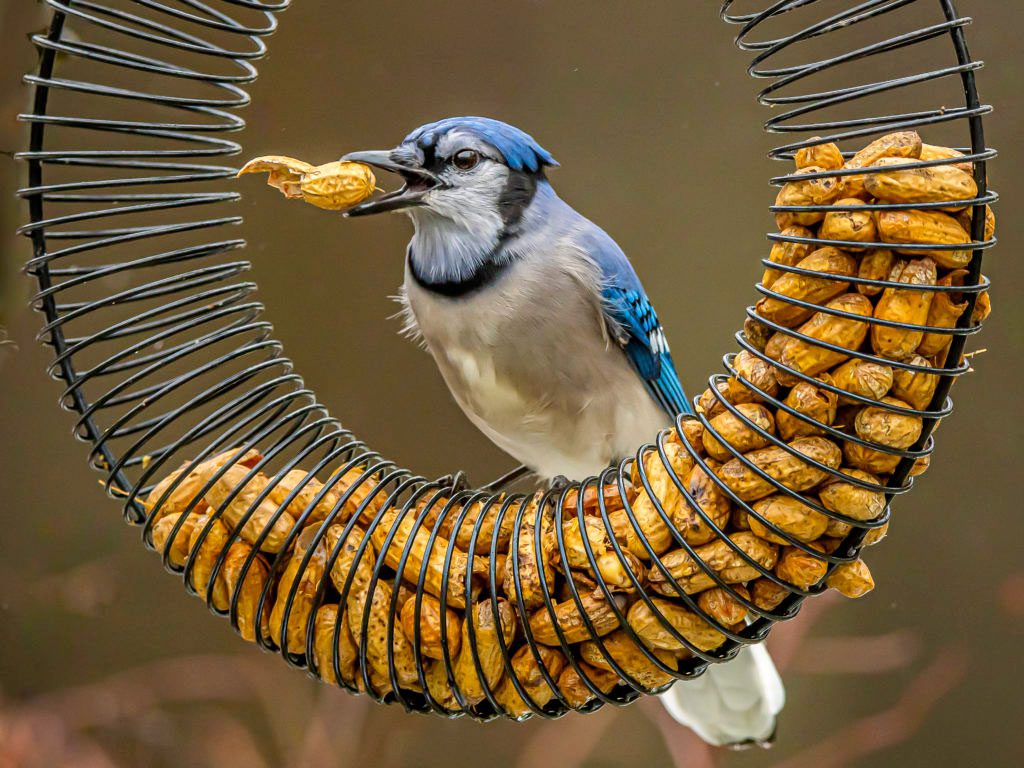
Credit: www.allaboutbirds.org
Environmental Factors Affecting Color Preference
Understanding the color preference of birds can enhance your feeder's appeal. Environmental factors play a significant role in how birds perceive colors. Birds' color perception is influenced by various external elements. These factors determine which colors attract more birds to your feeder.
Weather Conditions
Weather impacts how birds see colors. During bright, sunny days, vibrant colors stand out. Overcast conditions make muted tones more visible. Birds rely on these cues to find food sources.
Seasonal Changes
Seasons influence color preference. In spring, many birds are attracted to bright colors. These colors mimic blooming flowers. In autumn, earthy tones are more appealing. They resemble fallen leaves and ripe fruits.
Natural Habitat
The surrounding environment affects color attraction. Birds living in dense forests may prefer green or brown feeders. These colors blend into their habitat. Birds in open fields might favor red or yellow. These colors are visible from a distance.
Light Availability
Light conditions impact color perception. In dim light, birds may be drawn to lighter colors. These colors are easier to spot. In bright light, darker colors can become attractive.
Practical Tips For Choosing Feeder Colors
Choosing the right color for your bird feeder can significantly impact how many feathered friends visit your garden. While birds don't see colors the same way humans do, certain hues can attract specific species. If you're eager to fill your garden with chirping wonders, understanding which colors work best can make all the difference. So, what colors should you consider for your bird feeder?
Bright Colors Attract Attention
Birds are naturally attracted to bright colors. Red and yellow feeders can draw in species like hummingbirds and goldfinches. If you’re looking to see more of these vibrant birds, a splash of these colors might be just what you need.
I once painted my feeder bright red, and the hummingbirds couldn’t resist it! They hovered around, creating a lively spectacle in my garden.
Neutral Tones For Subtlety
If your goal is to attract a variety of birds without overwhelming them, neutral tones like green or brown can be ideal. These colors blend well with natural surroundings, making birds feel safer as they approach.
Think about your garden’s overall aesthetic. Do you want the feeder to stand out or blend in? Your choice will influence which birds visit.
Consider Seasonal Changes
Different seasons can affect bird behavior. During spring, when birds are active and mating, brighter colors might be more effective. However, in fall, when birds are preparing for migration, subtle colors may offer a comforting presence.
Have you noticed changes in bird visits as seasons change? Adjusting feeder colors might help maintain a steady stream of visitors year-round.
Reflect On Your Personal Preferences
Your enjoyment matters too! Choose colors that not only attract birds but also bring joy to your outdoor space. A feeder that complements your garden and makes you smile is a win-win.
What colors do you love? Incorporate them into your feeder design and watch your garden transform into a vibrant haven.
Ultimately, the color of your bird feeder is a small but impactful choice that can enhance your bird-watching experience. So, which color will you choose next?
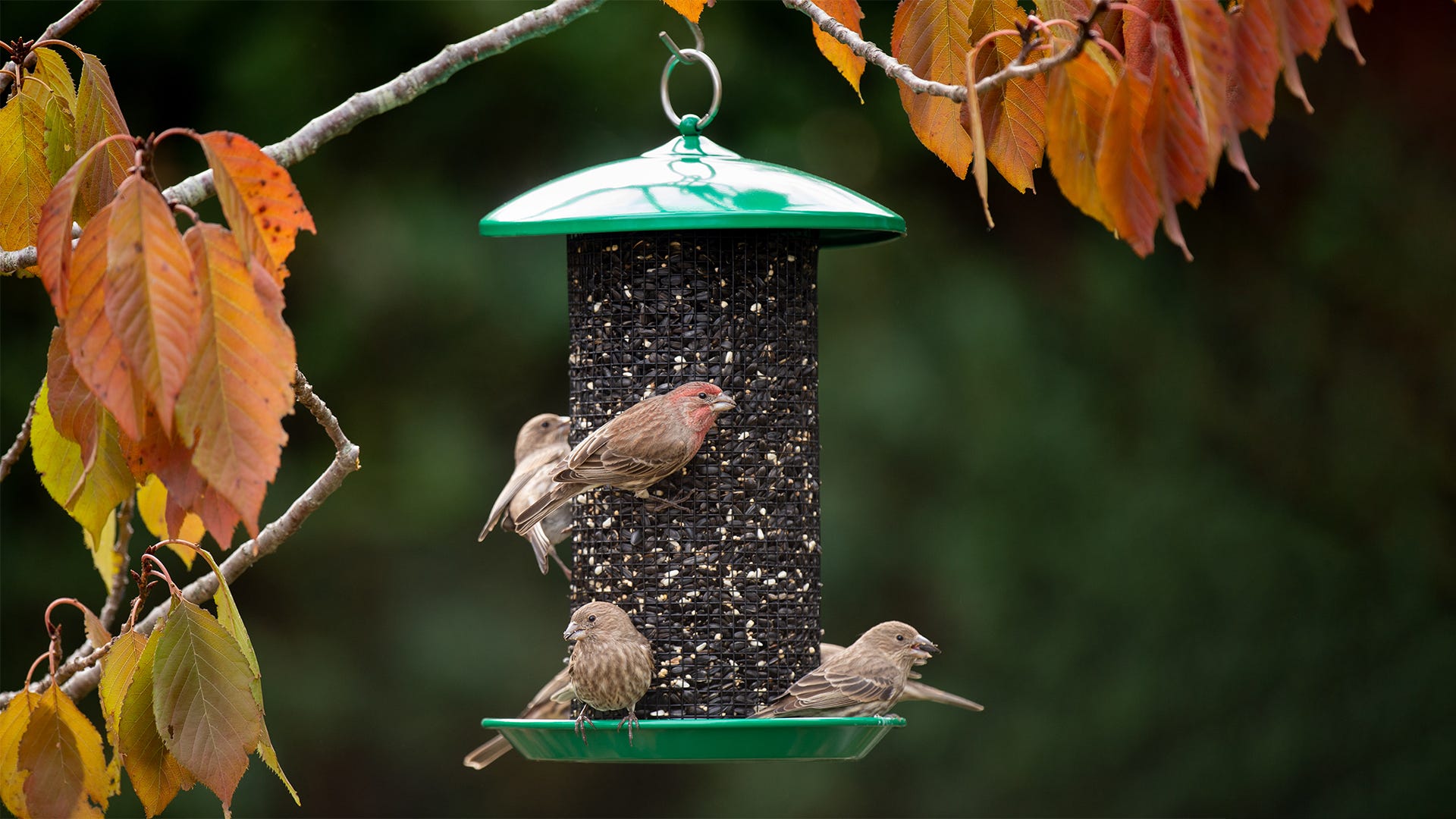
Credit: www.perkypet.com

Credit: themorrelllab.wordpress.com
Frequently Asked Questions
Does Bird Feeder Color Affect Bird Attraction?
Yes, the color of a bird feeder can influence bird attraction. Bright colors like red, blue, and yellow are known to attract more birds. Birds associate these colors with flowers and fruits, which are natural food sources. However, local bird species and environment also play a role.
What Colors Do Birds Prefer For Feeders?
Birds generally prefer feeders in colors that mimic their natural environment. Red is popular for attracting hummingbirds. Blue and yellow can attract a variety of songbirds. However, it's essential to consider local bird species preferences. Avoid bright white and black, as they can deter some birds.
How Does Feeder Color Impact Bird Behavior?
Feeder color can impact bird behavior by influencing their feeding patterns. Bright colors may attract more birds, leading to increased competition. This can result in more aggressive behavior among birds. Conversely, natural or muted colors may lead to calmer feeding and less territorial disputes.
Do Birds Avoid Certain Feeder Colors?
Birds may avoid feeders that have colors associated with danger or lack of food. Bright white and black can be perceived as threats or unappealing. It's crucial to research local bird species to determine which colors they favor or avoid, ensuring a successful bird feeding experience.
Conclusion
Different colors attract different birds to feeders. Bright colors like red and yellow draw attention. Birds notice these colors easily. Green blends in with nature. Blue can attract specific species. Consider your local bird types. Choose a color they prefer.
This choice can increase bird visits. Experiment with various colors. Observe which work best. The right color enhances your backyard birdwatching experience. It's simple yet effective. Enjoy the beauty of nature right outside your window.