


What is a Kiwi Birds Habitat?
Have you ever wondered where the curious kiwi bird calls home? If you’re intrigued by this unique, flightless bird, you're not alone.
The kiwi bird, native to New Zealand, has captivated the hearts of many with its peculiar appearance and fascinating lifestyle. But what makes its habitat so special? Understanding the kiwi's environment is key to appreciating how it has adapted to survive and thrive.
As you delve deeper into the kiwi bird's natural world, you'll discover how its surroundings play a crucial role in its day-to-day life. This article will reveal the secrets of the kiwi bird's habitat, exploring everything from its preferred living conditions to the challenges it faces. Get ready to uncover the hidden marvels of the kiwi's world, and you'll soon realize why this small bird holds such a big place in the hearts of nature lovers everywhere.

Credit: nationalzoo.si.edu
Kiwi Birds: An Overview
Kiwi birds are fascinating creatures that capture the curiosity of bird enthusiasts and nature lovers alike. These flightless birds are native to New Zealand and have a unique lifestyle that sets them apart from other birds. Their nocturnal habits and distinct physical characteristics make them a subject of interest and study.
Physical Characteristics Of Kiwi Birds
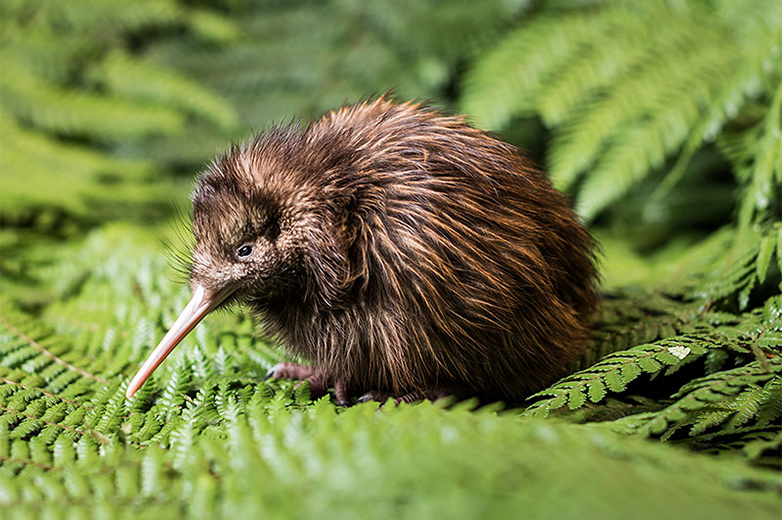
Kiwi birds have a long beak that helps them forage for food in the soil. Their tiny wings are almost useless for flying, but they are perfect for maneuvering through thick forests and underbrush.
Despite their small size, kiwi birds have strong legs that allow them to run quickly when threatened. Their brown, shaggy plumage provides excellent camouflage, blending seamlessly with the forest floor.
Habitat Preferences Of Kiwi Birds
Kiwi birds thrive in dense forests with abundant undergrowth. They prefer areas with soft soil where they can easily dig for insects and worms.
While forests are their primary habitat, kiwi birds can also be found in scrublands and grasslands. They are adaptable creatures, but the presence of predators in open areas makes them vulnerable.
Diet And Feeding Habits
Kiwi birds are omnivores, feeding primarily on insects, worms, and small fruits. Their long beaks are equipped with sensitive nostrils to sniff out food in the dark.
They use their beaks to probe the soil, searching for hidden prey. This feeding method ensures they get the nutrition they need without being seen by predators.
Protection And Conservation Efforts
Kiwi birds face threats from habitat destruction and introduced predators like stoats and dogs. Conservation programs in New Zealand aim to protect these unique birds and their habitats.
Efforts include predator control, habitat restoration, and breeding programs. These initiatives are crucial to ensure the survival of kiwi birds for future generations.
Have you ever wondered why kiwi birds are so unique to New Zealand? Their distinct habitat preferences and lifestyle make them a symbol of the country's rich biodiversity. As we learn more about these birds, it's clear that preserving their habitats is key to maintaining their population. What steps can you take to help protect these incredible creatures?
Natural Environment
The kiwi bird, a national symbol of New Zealand, thrives in unique habitats. These flightless birds have adapted to live in diverse environments. Understanding their natural habitat gives insight into their survival strategies.
New Zealand's Diverse Landscapes
New Zealand offers a range of landscapes for kiwis. From coastal areas to mountains, each landscape supports different wildlife. Kiwis thrive in these varied environments. They find shelter and food across the country.
In the North Island, volcanic plateaus provide unique habitats. The South Island offers lush rainforests and rugged terrains. These landscapes create ideal conditions for kiwi birds. They provide protection and sustenance.
Forest And Bushland Habitats
Kiwis favor dense forests and bushlands. These areas offer ample cover from predators. Thick vegetation helps them stay hidden. It also provides a rich food source. Kiwis feed on insects, worms, and fallen fruits.
New Zealand's forests are primarily evergreen. Native trees like kahikatea and rimu dominate these habitats. Bushlands consist of shrubs and ferns. These plants offer a diverse ecosystem for kiwis.
Forests and bushlands also provide soft ground for nesting. Kiwis dig burrows to lay their eggs. This secluded environment ensures the safety of their young.
Soil And Terrain Preferences
Kiwi birds thrive in dense forests with moist, fertile soil. They prefer areas rich in leaf litter. Their habitat offers plenty of insects and worms. Rocky terrains are less favorable for these ground-dwelling birds. They need soft soil for burrowing and nesting.
When it comes to understanding the habitat of the kiwi bird, soil and terrain preferences play a crucial role. These nocturnal creatures have adapted to specific environmental conditions that support their unique lifestyle. Let's delve into the characteristics of soil and terrain that make a perfect home for these fascinating birds.
Soft Soil Characteristics
Kiwi birds thrive in areas with soft soil. This type of soil allows them to easily dig and forage for food. Picture a garden bed where you effortlessly plant flowers. This is similar to the kiwi's habitat. Soft soil is rich in organic matter and retains moisture. It supports the growth of worms and insects, which are staple foods for kiwis. Have you ever tried digging in hard clay? It’s much tougher. Kiwis prefer the softer option. Imagine walking through a forest where the ground feels springy underfoot. That’s the kind of soil a kiwi needs. It's not just about comfort; it's about survival and sustenance.
Terrain And Elevation
Kiwis are not mountain climbers. They prefer lowland areas where the terrain is gentle. Imagine a rolling countryside rather than a steep alpine slope. This type of terrain offers easier navigation for these flightless birds. The elevation is moderate, usually below 1,000 meters. This suits their lifestyle of nighttime foraging. Does the thought of climbing a steep hill at night sound daunting to you? Kiwis avoid this challenge by sticking to lower grounds. The terrain is often covered with dense vegetation, providing shelter and protection. Picture a lush forest floor rather than a barren rocky landscape. It’s the difference between a cozy home and a harsh environment. Do these birds remind you of any creatures in your backyard? They adapt to their surroundings just like other wildlife, seeking out the most hospitable environment for their survival. Understanding their habitat preferences can offer insights into conservation efforts and how we can help preserve these remarkable birds.

Credit: www.nathab.com
Climate Conditions
Kiwi birds thrive in New Zealand's dense forests. They prefer moist, cool climates with abundant undergrowth. Their habitat offers plenty of cover for nesting and foraging.
The kiwi bird, New Zealand's flightless wonder, thrives in unique climate conditions that shape its habitat. Understanding these conditions offers insights into the kiwi's survival strategies and behavior. Imagine standing in a dense forest, feeling the cool breeze and the damp earth beneath your feet. That's the kind of environment kiwi birds call home.
Temperature And Humidity
Kiwi birds prefer mild temperatures. They thrive in regions where the temperature ranges between 5°C (41°F) and 25°C (77°F). Extreme heat or cold can stress these birds, impacting their health and reproductive success. Humidity plays a crucial role, too. Kiwi habitats are often moist, with a humidity level that supports dense vegetation. This moisture helps sustain the invertebrates that make up a large part of the kiwi's diet. Have you ever noticed how certain plants only grow in damp areas? Kiwi birds benefit from similar conditions, ensuring they have plenty of food available.
Impact Of Seasonal Changes
Seasonal changes can significantly affect kiwi habitats. During the warmer months, food is abundant, making it easier for kiwis to find nourishment. This season is critical for growth and reproduction. However, cooler months present challenges. Food becomes scarce, and kiwi birds must adapt to survive. They may travel longer distances or explore new areas in search of sustenance. Have you ever had to adjust your routine to cope with changing seasons? Kiwi birds do the same, showcasing their resilience and adaptability. As you learn about the climate conditions of kiwi habitats, consider how these factors influence their daily lives. What other species might thrive in similar environments? Your curiosity could lead to a deeper appreciation of the intricate balance in nature.
Vegetation And Flora
Kiwi birds thrive in dense forests of New Zealand, surrounded by abundant vegetation. These flightless birds find shelter among ferns, shrubs, and trees. The lush flora provides them food and protection.
The kiwi bird's habitat is a fascinating tapestry of vegetation and flora, playing a pivotal role in their survival and daily activities. These unique birds thrive in environments that offer a rich variety of plant life, providing both sustenance and shelter. Let's dive into the intricacies of their habitat, focusing on the native plant species and the critical role of dense underbrush.
Native Plant Species
Kiwi birds are often found amidst the lush greenery of New Zealand's native forests. These forests are home to a wide range of plant species, from towering trees to delicate ferns. The presence of native plants like the Kauri, Rimu, and Totara trees provides essential cover and a stable ecosystem for kiwi birds. These plants not only offer protection but also support a diverse insect population. Insects are a primary food source for kiwis, making these native plants crucial for their diet. Have you ever wondered how important a single plant species could be for an entire ecosystem?
Role Of Dense Underbrush
The dense underbrush in kiwi habitats serves as a natural fortress against predators. This thick layer of vegetation allows kiwis to move stealthily, avoiding the gaze of potential threats. It also offers a safe space for nesting and raising chicks. Imagine walking through a forest where every step is cushioned by layers of leaves and twigs. That's the kind of environment kiwis need to thrive. The underbrush also helps maintain soil moisture and supports a microhabitat teeming with life, from insects to small mammals. By protecting and nurturing these aspects of their habitat, we play a direct role in the survival of the kiwi bird. So, next time you think about conservation, remember the importance of vegetation and flora in maintaining the delicate balance of nature. What steps can you take today to help preserve these vital ecosystems?
Burrow And Nesting Habits
Kiwi birds thrive in dense forests, using their strong sense of smell to find food. They dig burrows for nesting, creating a safe space to lay eggs. This unique habitat provides protection from predators, ensuring their survival.
The kiwi bird, a curious creature native to New Zealand, has unique habits when it comes to burrowing and nesting. Understanding these habits can offer fascinating insights into their survival tactics. Unlike many birds, kiwis do not build nests in trees. Instead, they create burrows underground or use hidden spots on the forest floor. This behavior is essential for their protection and the safe hatching of their eggs.
Construction Of Burrows
Kiwis are skilled diggers. They use their strong legs and sharp claws to dig burrows in the soft earth. These burrows can be simple or complex, with multiple entrances for easy escape from predators. You might think kiwis are architects of the forest floor. Their burrows provide not only shelter but also a strategic advantage. Kiwis prefer areas with dense vegetation. This preference helps them stay out of sight from predators. Have you ever tried to find a hidden spot in a crowded room? That's how kiwis choose their burrow locations.
Nesting Sites And Materials
Kiwi birds choose nesting sites that offer maximum protection. Dense underbrush or sheltered areas are common choices. You might wonder why they pick such obscure spots. It’s all about safety and secrecy. The materials used in nests are quite simple. Leaves, twigs, and feathers are common. These materials help insulate the eggs and keep them warm. Imagine wrapping up warmly in a blanket on a cold night; that’s the kiwi’s approach to nesting. Kiwi parents are very attentive. They ensure the nest is perfect for egg incubation. It's a delicate balance of location, materials, and care. Have you ever thought about what goes into creating a cozy and safe space? By understanding these burrow and nesting habits, you gain a deeper appreciation for kiwi birds. Their survival tactics are both intriguing and inspiring. What other creatures have you wondered about, that hide in plain sight with such cleverness?
Threats To Their Habitat
Kiwi birds thrive in dense forests with thick ground cover. Deforestation and predators pose significant threats to their survival. Conservation efforts are crucial to protect their natural habitat.
The kiwi bird, a symbol of New Zealand's unique biodiversity, faces numerous threats to its habitat. As you explore the challenges these birds encounter, consider how your actions can impact their survival. The kiwi's habitat is under siege, and understanding these threats can inspire you to think about how human activities and nature's disruptions affect wildlife.
Human Encroachment
Human activities are increasingly invading the natural spaces kiwis call home. Urban expansion and agricultural development are prime examples. Imagine a forest retreat becoming a bustling city. Roads and buildings replace the lush greenery, leaving kiwis scrambling for shelter. You might wonder, what can you do to help? Consider supporting conservation efforts or advocating for responsible land use policies. Every action counts in preserving these precious habitats.
Predation And Invasive Species
Predators and invasive species pose another significant threat to kiwi habitats. Domestic pets like dogs and cats, as well as invasive animals such as stoats and rats, prey on kiwi eggs and chicks. Reflect on how your pet might impact local wildlife. You can be part of the solution by ensuring pets are controlled and supporting programs that manage invasive species. By taking steps to protect the kiwi's environment, you can contribute to their survival. The kiwi's fight for survival is a call to action. How will you respond? Consider how everyday choices can make a difference. Let's protect these remarkable birds together.
Credit: www.nationalkiwihatchery.org.nz
Conservation Efforts
Conservation efforts for kiwi birds are crucial. Their habitats are under threat due to human activities. Conservation programs work to protect their natural environments. These efforts help ensure the survival of the kiwi bird. They focus on creating safe havens and community involvement.
Protected Areas And Reserves
Protected areas are vital for kiwi birds. They offer safe spaces away from predators. Reserves provide undisturbed habitats for nesting and foraging. These areas are carefully managed to maintain natural conditions. Efforts include planting native vegetation and controlling pests. Reserves help boost kiwi populations.
Community And Government Initiatives
Communities play a key role in kiwi conservation. Local groups participate in monitoring kiwi populations. They help remove threats like predators. Public education programs raise awareness about kiwi habitats. Government initiatives support these local efforts. They provide funding and resources. Policies protect land from development. Together, these initiatives create a safer environment for kiwis.
Frequently Asked Questions
Where Do Kiwi Birds Live?
Kiwi birds are native to New Zealand. They inhabit dense forests, scrublands, and grasslands. These nocturnal birds prefer areas with soft soils. This allows them to dig for insects and worms. Their habitat is often secluded, providing safety from predators.
What Is The Kiwi Bird's Natural Habitat?
Kiwi birds thrive in New Zealand’s native forests and bushlands. They require dense vegetation for cover and food. Soft, moist soil is vital for their foraging. They use their long bills to probe for insects. Coastal regions and swamps are also part of their habitat.
How Do Kiwi Birds Adapt To Their Environment?
Kiwi birds have several adaptations for survival. Their keen sense of smell helps locate food underground. Camouflaged plumage provides protection from predators. They are flightless, relying on strong legs for movement. Nocturnal habits help them avoid daytime threats. They dig burrows for nesting and shelter.
What Threats Do Kiwi Birds Face In Their Habitat?
Kiwi birds face habitat loss due to deforestation. Introduced predators like stoats and cats pose significant threats. Human activities disrupt their natural environment. Urban development reduces their living space. Conservation efforts focus on predator control and habitat restoration.
Conclusion
Kiwi birds thrive in New Zealand's lush, dense forests. These unique habitats provide safety and food. Thick underbrush offers protection from predators. Kiwis love soft soil for nesting and feeding. They seek insects and small creatures at night. Their habitat supports their nocturnal lifestyle.
Conservation efforts focus on preserving these environments. Protecting kiwi habitats is crucial for their survival. Understanding their needs helps us conserve them better. Let's appreciate and safeguard these remarkable birds and their homes. Their well-being depends on our actions. Together, we can ensure kiwis continue to thrive in their natural world.