


Have you ever watched birds flutter about and wondered how they always seem to know when a storm is coming or why they suddenly disappear on a sweltering summer day? Birds, much like us, are deeply affected by the weather.
Understanding how weather changes influence bird behaviors can reveal secrets about their survival instincts and help you better appreciate these fascinating creatures. Imagine being able to predict the weather just by observing the birds in your backyard! This article will guide you through the intriguing ways in which weather changes impact bird behaviors, offering you insights that might just change the way you see the world around you.
Keep reading to uncover the hidden connections between nature's feathery friends and the ever-changing skies above.

Credit: www.facebook.com
Migration Patterns
Weather changes can affect bird behaviors, altering their migration patterns. Strong winds may push birds off course, while temperature drops prompt earlier migrations. Rain can delay flights, influencing routes and stopovers.
Migration Patterns of birds are fascinating phenomena that are deeply influenced by weather changes. Birds instinctively travel thousands of miles annually, a journey dictated by the need for survival. Understanding these patterns can offer insights into the broader impacts of climate change on our environment.
Seasonal Shifts
Bird migration is often aligned with seasonal shifts, as birds move to take advantage of food availability and favorable living conditions. For instance, many birds head south during the colder months when food becomes scarce in their breeding grounds. Have you ever noticed the sudden disappearance of certain bird species in your area as winter approaches? These migratory routes are not random; they are finely tuned to seasonal cues. Birds have an internal calendar that signals when to begin their journey. They rely on daylight duration and temperature changes to decide when to move.
Impact Of Temperature Changes
Temperature changes play a significant role in bird migration patterns. Warmer temperatures can lead some species to start their migration earlier than usual. This shift can create mismatches with the availability of food sources, affecting their survival rates. Conversely, cooler temperatures might delay migration, leading to overcrowding in breeding areas. Have you observed any unusual bird activities in your locality due to unexpected temperature shifts? Such observations can provide valuable data on how climate change impacts wildlife.
Influence Of Wind Patterns
Wind patterns are another crucial factor affecting migration. Birds often use favorable winds to conserve energy during their long flights. Strong tailwinds can speed up migration, while headwinds might cause delays or force birds to take longer, more energy-consuming routes. Interestingly, some species have adapted to use wind patterns to their advantage, timing their migration with seasonal wind shifts. Have you ever considered how these birds seem to know the right time to fly with the wind? It's a testament to their incredible instincts and the natural world's interconnectedness. Understanding these migration patterns isn't just about appreciating nature's wonders. It's a crucial step in recognizing the broader impacts of climate change and the urgent need for conservation efforts. How can you contribute to protecting these avian travelers in your own backyard?
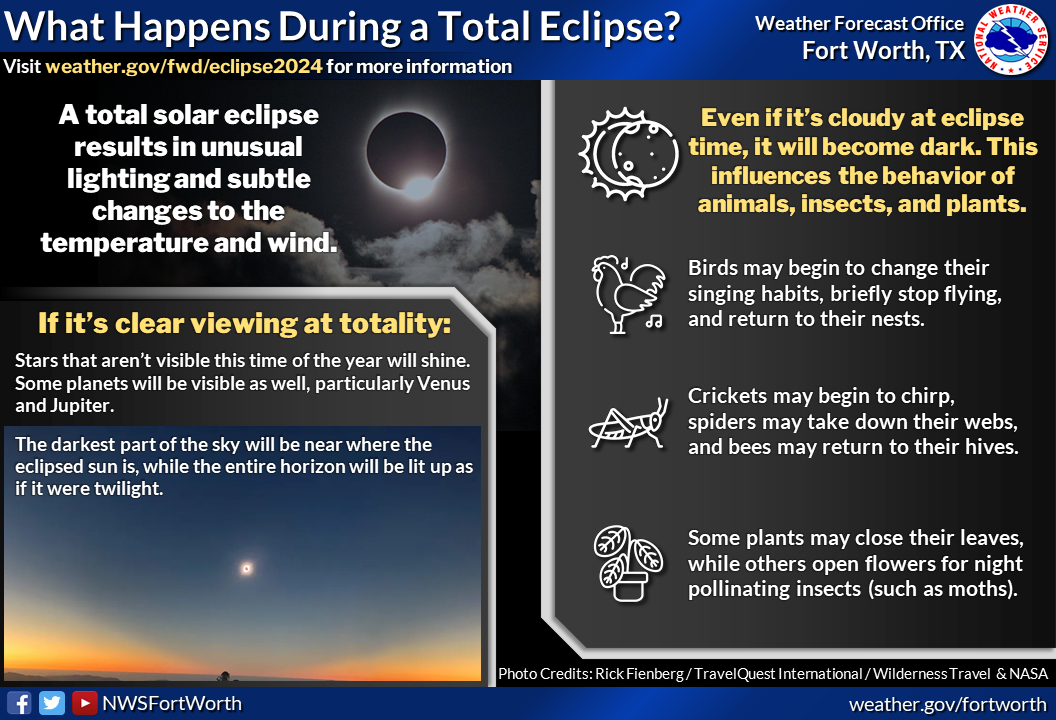
Credit: www.weather.gov
Feeding Habits
Birds adjust their feeding habits based on weather changes. Rain or cold might limit food availability, altering their search patterns. Warmer temperatures can increase activity, impacting foraging behavior.
Understanding how weather changes influence bird feeding habits can offer fascinating insights into the adaptability of these creatures. You might notice shifts in their behavior and routines as the seasons change, but have you ever considered how closely tied these changes are to weather patterns? Birds, with their keen instincts and survival skills, adjust their feeding habits significantly in response to weather changes. Let's explore how these changes manifest under different weather conditions.
Availability Of Food Sources
Weather can drastically impact the availability of food sources for birds. During warmer months, you may see birds feasting on insects, fruits, and seeds. However, as temperatures drop, these sources can become scarce. Snow and ice cover the ground, making it difficult for birds to access seeds and insects. This scarcity often forces birds to rely on alternative food sources. Have you ever noticed how your backyard bird feeder becomes busier in winter? That's a direct result of weather-driven food scarcity.
Changes In Foraging Locations
Birds might change their foraging locations based on weather conditions. During dry spells, water sources become crucial, and birds will travel further to find them. On rainy days, you might see more birds in urban areas where food scraps are more plentiful. In my own backyard, I've seen how a sudden cold snap can bring unusual visitors, like juncos, searching for food. This adaptability in changing their foraging grounds allows them to survive even in challenging weather conditions.
Adaptations To Extreme Weather
Extreme weather conditions often necessitate remarkable adaptations in bird feeding habits. During storms, birds might feed less frequently to conserve energy. In contrast, before a storm, they may binge eat to build fat reserves. Some species have developed unique feeding strategies to cope with extreme weather. For example, the Clark's nutcracker stores seeds in the ground to retrieve them during harsh winters. This behavior ensures they have a steady food supply even when conditions are less than favorable. Have you noticed how some birds fluff up their feathers in cold weather? This isn't just for warmth; it also helps them conserve energy by reducing the need to forage. Understanding these behaviors can enhance your appreciation for the resilience and adaptability of birds. Next time you observe birds in your area, consider how the weather might be influencing their feeding habits. What changes do you notice? How does this knowledge change your perspective?
Breeding And Nesting
Weather changes can affect bird breeding and nesting behaviors. Temperature shifts may alter nesting times and locations. Rainfall patterns can influence food availability, impacting mating rituals and nest-building activities.
Breeding and nesting are crucial phases in a bird's lifecycle, intricately linked to weather patterns. As seasons shift, so do the behaviors of birds in preparing for and engaging in these activities. Understanding how weather impacts these behaviors can give us insights into the adaptability and resilience of our feathered friends.
Timing Of Breeding Seasons
Birds rely heavily on environmental cues to determine the timing of their breeding seasons. Warmer temperatures in early spring can signal birds to begin courtship and mating rituals sooner than usual. You might notice certain species arriving earlier than expected, eager to claim the best territories. Have you ever wondered why some birds seem to start singing earlier in the year? It could be their response to subtle changes in temperature.
Nest Building And Location
Weather conditions also play a significant role in how and where birds build their nests. In cooler climates, birds may choose nesting sites that offer more sunlight to keep their eggs warm. Conversely, in hotter regions, they might opt for shaded areas to prevent overheating. Have you noticed nests in unexpected places, like under a porch or in a garage? Birds are incredibly resourceful, adapting their nesting strategies to the weather-related challenges they face.
Impact Of Rainfall And Storms
Rainfall and storms can dramatically affect bird nesting success. Heavy rains can flood nests, wash away eggs, or even damage the structure entirely. Have you ever witnessed a bird tirelessly rebuilding a nest after a storm? It's a testament to their determination and resilience. Storms can also delay breeding, as birds wait for safer conditions. This can lead to a cascading effect, impacting the timing of chick rearing and the availability of food. Understanding these aspects of bird behavior can deepen your appreciation for their adaptability. How do you think weather changes in your region might be affecting the birds you see every day? Observing these behaviors not only connects us to nature but also highlights the importance of preserving habitats in a changing climate.
Communication And Social Interaction
Birds are fascinating creatures, and their behaviors often reflect the environment they inhabit. Weather changes significantly affect their communication and social interaction. As the climate shifts, birds adapt their ways of speaking and behaving, revealing their incredible resilience and intelligence. You might wonder how these changes manifest in their daily lives.
Vocalization Changes
Weather patterns play a crucial role in how birds communicate vocally. On a clear sunny day, you might notice that birds are more vocal, singing melodious tunes that resonate through the air. Contrast this with a stormy day, when their calls become sharper or quieter, adapting to the environmental noise. Have you ever listened to birds during different seasons and noticed the change in their pitch or rhythm?
Weather influences these vocalizations by altering the acoustics and the urgency of communication. Birds adjust their calls to maintain social bonds or warn of impending danger. Next time you’re outdoors, pay attention to how the weather shapes their songs.
Group Dynamics In Different Climates
Climate conditions can also affect how birds interact within their groups. During warmer months, you might observe larger flocks, as the abundance of food encourages social gathering. Conversely, in harsher climates, birds might break into smaller groups to conserve energy and resources.
Think about how you and your friends tend to gather more in pleasant weather. Similarly, birds adjust their social structures based on the climate. These dynamics ensure survival and thriving in various conditions.
Territorial Behavior Adjustments
Weather changes can lead to shifts in territorial behavior among birds. During favorable weather, birds might expand their territories, confidently marking their space with distinctive calls. However, during adverse conditions, they might retreat to a smaller, safer area.
Imagine how you might adjust your own living space based on comfort and safety. Birds do the same, constantly recalibrating their boundaries according to the weather. Do you notice how they defend their areas differently as the seasons change?
Birds are more than just creatures of habit; they are dynamic beings that adapt to the ever-changing world around them. Their communication and social interaction offer a window into their survival strategies, inviting us to appreciate the intricacies of nature. As you observe these behaviors, consider how weather impacts your interactions and communication. What can you learn from these resilient winged beings?
Survival Strategies
Birds have evolved remarkable survival strategies to cope with changing weather. These strategies ensure their survival in harsh conditions. From energy-saving tactics to strategic relocations, birds adapt impressively. Let's explore how these behaviors help them withstand weather changes.
Energy Conservation Techniques
During cold spells, birds face increased energy demands. To conserve energy, many birds reduce their activity levels. They minimize unnecessary movement and seek sheltered spots. Fluffing up feathers traps air, providing insulation. Some species enter a state of torpor, lowering their metabolic rate. This temporary hibernation conserves energy during harsh weather.
Sheltering During Harsh Weather
Seeking shelter is crucial for birds facing extreme weather. They find refuge in dense vegetation or tree hollows. Some birds build nests in sheltered locations. These spots offer protection from wind and rain. In urban areas, birds may use man-made structures. Roof overhangs and building ledges provide safe havens.
Migration As A Survival Tool
Migration is a key survival strategy for many bird species. When weather conditions become unfavorable, birds migrate to warmer areas. This movement ensures access to food and favorable climates. Migrating birds often follow established routes. These routes are used by generations, ensuring safe journeys. Migration helps birds escape harsh weather and find resources.
Adaptation Over Time
Bird behaviors shift with weather changes, affecting migration and feeding patterns. Birds alter their flight paths to avoid storms. Rain can influence their food search, as insects hide and water levels rise.
Adaptation Over Time Birds display fascinating behaviors influenced by weather changes. These adaptations have evolved over generations. Understanding these changes offers insight into how birds survive. Their ability to adapt is crucial for survival in diverse climates. As weather patterns change, birds adjust their behaviors accordingly. This is not a sudden shift but a gradual process. Observing these adaptations over time provides valuable knowledge.
Evolutionary Changes
Birds have evolved to thrive in various climates. Their physical traits often reflect weather adaptations. For example, some birds develop thicker feathers for colder climates. Others might evolve larger wings for windy areas. These evolutionary changes are responses to long-term weather patterns. Birds with adaptable traits tend to survive better. Adaptation ensures their survival and reproduction.
Long-term Weather Patterns
Weather patterns have a significant impact on bird behaviors. Extended periods of drought affect food availability. Birds may migrate earlier or later due to temperature shifts. These patterns influence nesting habits and feeding times. Weather changes over time shape migration routes. Some birds adjust their flight paths based on wind currents. Observing these patterns helps us understand bird resilience.
Species Resilience And Vulnerability
Not all birds adapt equally to changing weather. Some species show remarkable resilience. They thrive despite harsh conditions. Other species are vulnerable to extreme weather. These birds may struggle to find food or shelter. Resilient species have adaptive traits that help survival. Vulnerable species may face threats to their population. Understanding these differences is key to conservation efforts.

Credit: www.researchgate.net
Frequently Asked Questions
How Does Weather Affect Bird Migration?
Weather changes can significantly impact bird migration patterns. Birds often use wind patterns to aid their long-distance travel. Sudden weather changes, such as storms or temperature drops, can delay or accelerate their journeys. Favorable weather conditions provide the necessary cues for birds to start their migratory flights.
Do Birds Change Feeding Habits With Weather?
Yes, birds often alter their feeding habits based on weather conditions. During cold or rainy weather, they may increase their food intake to maintain energy levels. In adverse weather, birds may also change their foraging locations, seeking shelter and food sources in more protected areas.
Why Do Birds Sing More In Spring?
Birds sing more in spring due to favorable weather and mating season. Warmer temperatures and longer daylight hours trigger hormonal changes that encourage singing. This behavior is mainly to attract mates and establish territories, making spring a particularly vocal time for many bird species.
How Do Storms Affect Bird Behavior?
Storms can dramatically change bird behavior. Birds may seek shelter to avoid strong winds and rain. They often become less active, conserving energy during severe weather. After storms, birds might resume their activities, taking advantage of the increased availability of food sources like insects and seeds.
Conclusion
Bird behaviors change with the weather. Rain, sun, or wind. Each has an effect. Birds adapt to survive. They may migrate or change feeding habits. Weather patterns influence their nesting and mating. Observing these changes helps us understand nature better.
It shows the connection between climate and wildlife. By learning, we can protect bird habitats. This knowledge helps in conservation efforts. Supporting bird life is important. It ensures a balanced ecosystem. Next time, notice the birds. See how they react to the weather.
It tells a story of survival and adaptation. Nature's wonders in every wingbeat.