


Have you ever gazed at the sky, watching birds soar in beautiful formations, and wondered, "How long does it take birds to migrate?" You're not alone.
Each year, countless birds embark on incredible journeys that stretch across continents and oceans. It's a natural phenomenon that continues to fascinate scientists and bird lovers alike. But what if you could uncover the secrets behind these epic migrations? Imagine understanding the challenges these birds face and the strategies they use to survive.
By diving into this topic, you'll gain insight into the mysterious world of bird migration and perhaps even find a new appreciation for these feathered travelers. Keep reading to discover the astonishing lengths these birds go to and what it truly takes for them to complete their long journeys.
Factors Influencing Migration Duration
Bird migration is a fascinating phenomenon that captivates nature enthusiasts and scientists alike. Yet, how long does it actually take for birds to migrate? The answer isn’t straightforward. Various factors influence the duration of migration, each adding complexity to this incredible journey. Let’s dive into some of these factors and discover how they impact migration timelines.
Species-specific Timelines
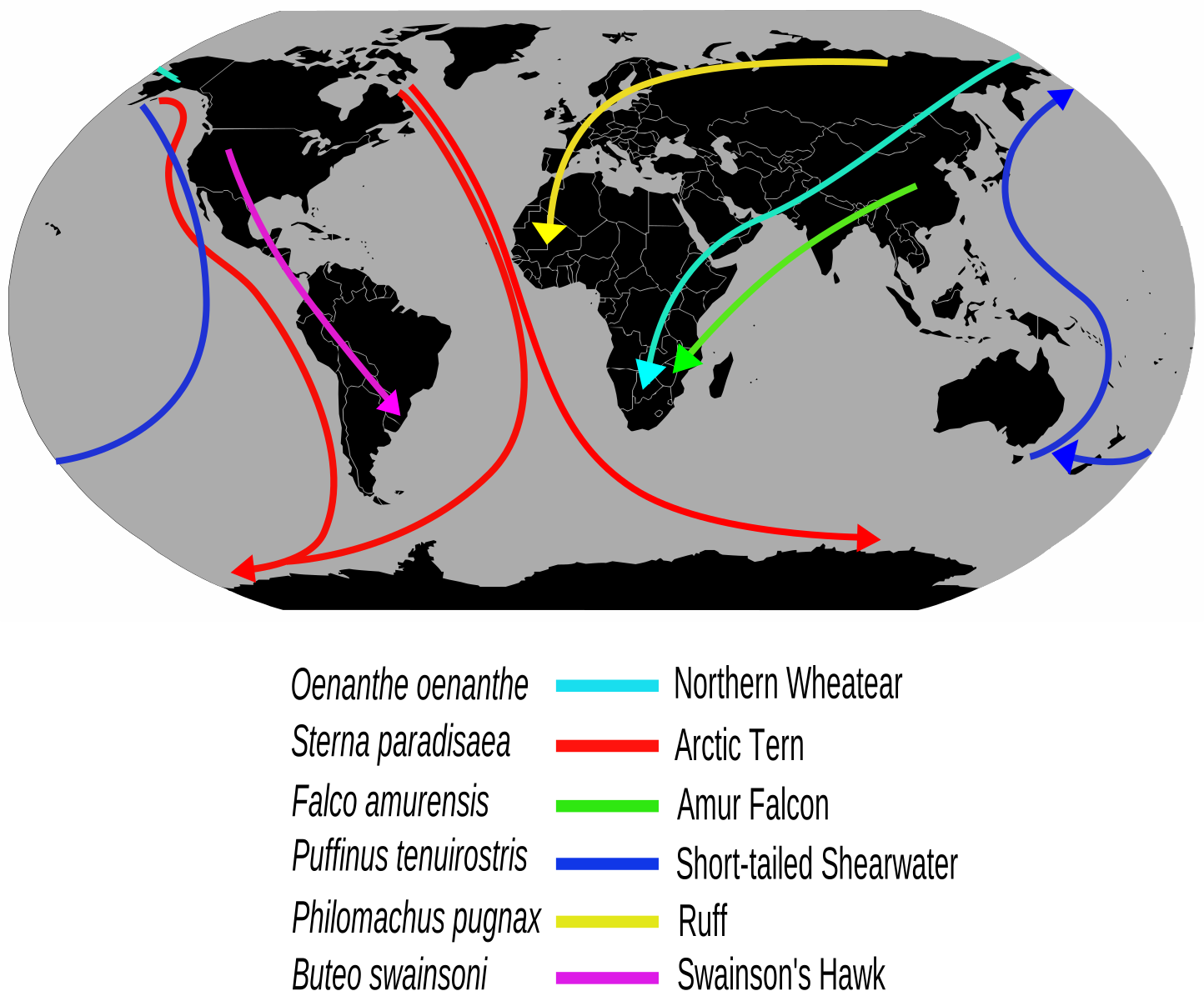
Different bird species have unique migration patterns. Some birds, like the Arctic Tern, travel over 44,000 miles annually, while others may only migrate a few hundred miles. The physical capabilities and survival strategies of each species play a crucial role in determining how long their migration takes.
Think about hummingbirds, for instance. These tiny creatures manage to cover thousands of miles despite their size. Their rapid wing beats and energy-efficient flying help them reach their destinations quicker than you'd expect.
Have you ever considered how much energy a bird expends during migration? It's incredible to think about the endurance and resilience required for such journeys.
Weather And Climate Impact
Weather conditions can significantly affect migration duration. Favorable winds might aid birds in traveling faster, while storms or adverse conditions can delay their progress.
Imagine trying to fly through a storm—birds face similar challenges. They often have to pause their journey, waiting for clearer skies, which can extend their migration timeline.
Climate change also plays a role. Shifts in temperature can alter the timing of migrations, forcing birds to adapt to new patterns and potentially longer journeys.
Geographical Challenges
The geographical landscape presents its own hurdles. Mountains, oceans, and vast deserts can lengthen migration routes as birds navigate these obstacles.
Consider the Sahara Desert, a formidable barrier for many migrating species. Birds need strategic resting spots to cross such vast expanses, which can add days or even weeks to their journey.
What geographical challenges have you faced in your own travels? Birds, too, must adapt and plan around these natural obstacles.
Understanding these factors gives us deeper insight into the incredible journeys birds undertake every year. Next time you see a flock of birds passing overhead, think about the complexity of their voyage and the numerous challenges they overcome.
Credit: en.wikipedia.org
Typical Migration Routes
Bird migration journeys can last from a few days to several weeks. Distance and weather affect travel time significantly. Some species fly thousands of miles nonstop, while others rest along the way.
Migration is a remarkable journey for birds, often stretching thousands of miles across continents. The routes they take are influenced by geography, weather patterns, and historical paths. Understanding these typical migration routes can reveal the challenges and wonders of this epic journey.
North American Pathways
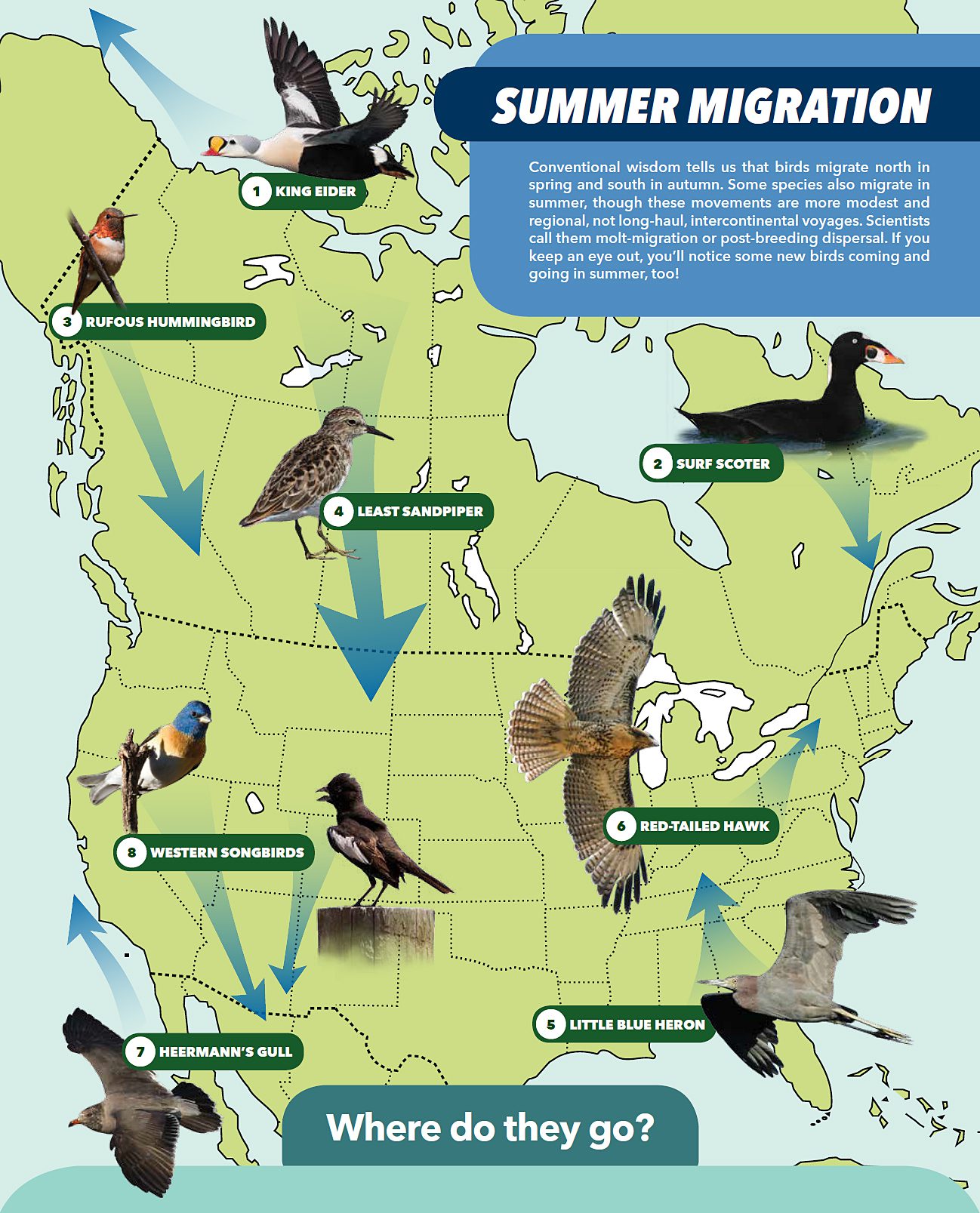
North America offers a variety of migration routes for birds. Many birds travel from the Arctic tundra to Central and South America. The Mississippi Flyway is one of the most famous paths, where millions of birds follow the river's course. Have you ever imagined standing by the Mississippi River, witnessing flocks of birds overhead? It’s a sight that’s both humbling and awe-inspiring. The Pacific Flyway is another significant route, taking birds along the West Coast. This path offers rich feeding grounds and is essential for species like the Sandhill Crane. Each year, birdwatchers gather at key locations to marvel at this natural spectacle. Wouldn't you like to be a part of such a vibrant community?
European And Asian Journeys
In Europe and Asia, birds embark on equally challenging migrations. The East Atlantic Flyway guides birds from the Arctic regions to the African coasts. Imagine tracing their journey through diverse landscapes, from the chill of Scandinavia to the warmth of West Africa. The Central Asian Flyway is crucial for species traveling between Russia and India. This route is less known but equally vital. It passes through challenging terrains like the Himalayas. Have you ever considered how birds manage such feats without getting lost? Their innate sense of direction is a mystery still being unraveled by scientists.
African And Australian Routes
In Africa, birds often follow the Nile River, a lifeline in the desert. This route is essential for many European birds wintering in Africa. Picture yourself exploring the Nile's banks and witnessing the convergence of countless bird species. Meanwhile, in Australia, migration is mostly local, with birds moving to find food and breeding grounds. The East Australian Flyway is a key path for shorebirds. These birds travel from breeding sites in Siberia to non-breeding areas in Australia. Isn’t it fascinating how these small creatures cover such vast distances? Understanding these routes not only enriches our knowledge of birds but also emphasizes the importance of conserving these pathways. Do you think we can maintain these routes for future generations? Your actions can make a difference, ensuring these journeys continue for years to come.
Birds With The Longest Journeys
Bird migration is a breathtaking natural wonder. Some birds travel incredible distances. These journeys test endurance and navigation skills. Among them, certain species embark on the longest migrations known. Their travels cover thousands of miles, crossing oceans and continents.
Arctic Tern Adventures
The Arctic Tern holds the record for the longest migration. It travels from the Arctic to the Antarctic and back. This journey spans about 44,000 miles each year. The bird's navigation skills are remarkable. It experiences two summers every year, enjoying endless daylight. This incredible journey is a testament to nature's wonders.
Bar-tailed Godwit Flights
The Bar-Tailed Godwit also undertakes an impressive journey. It flies nonstop from Alaska to New Zealand. This flight covers roughly 7,000 miles over the Pacific Ocean. The bird doesn't stop to rest or feed. It relies on stored fat for energy. Its journey is a feat of endurance. Researchers study these birds to understand their stamina.
Role Of Stopovers
Stopovers play a crucial role in bird migration, providing essential rest and refueling. Birds travel long distances, often covering thousands of miles. These rest stops help them regain energy, ensuring successful migration.
Bird migration is an incredible natural phenomenon. One crucial aspect that ensures their successful journey is the role of stopovers. These temporary resting spots are vital for birds to refuel, gather strength, and prepare for the next leg of their journey. Imagine running a marathon without any pit stops; birds face a similar challenge during migration. Stopovers can make all the difference between survival and exhaustion.
Refueling Strategies
During migration, birds need to refuel to maintain their energy levels. At these stopovers, they find food and water, which are essential for replenishing their strength. Have you ever wondered how they know where to stop? Birds often rely on instinct and previous experiences to find familiar locations. Some birds even double their body weight by feasting on insects, berries, or seeds. This added weight helps them make long flights without running out of energy. Different species have unique refueling strategies. For example, shorebirds might gather in large flocks at coastal wetlands, while songbirds prefer wooded areas rich in resources. Each bird adapts its refueling plan based on its needs and the environment.
Critical Resting Spots
Stopovers are not just about food; they offer critical resting spots for birds. These locations provide shelter from predators and harsh weather. Have you ever thought about how crucial rest is for you during a road trip? Birds need similar breaks to recover. Certain areas are vital for specific bird populations. The Delaware Bay is a famous stopover for Red Knots, where they feast on horseshoe crab eggs. Without these resting spots, birds might struggle to reach their final destination. It's fascinating to know that some birds can travel thousands of miles in a single journey. They rely heavily on these stopovers for rest and recovery. What would happen if these critical spots disappeared due to environmental changes? Stopovers highlight the interconnectedness of ecosystems. They remind us of the importance of preserving natural habitats. Next time you see a bird resting in a tree or on a beach, remember that it's not just a pause; it's a vital part of their epic journey. How can we ensure these stopovers remain accessible for future generations of migrating birds?
Technological Advancements In Tracking
Understanding bird migration has taken a leap forward. Technological advancements have made tracking birds easier. Scientists now use modern tools to study these fascinating journeys. These tools provide insights into how long birds migrate. Let's explore these advancements.
Gps And Satellite Tagging
GPS and satellite tags are small devices. They attach to birds like backpacks. These tools send signals to satellites. Scientists receive this data on their computers. This technology shows real-time bird locations. It helps researchers track migration paths precisely. Every movement is recorded. The data reveals how long each bird takes to migrate.
Data Insights And Discoveries
The collected data is vast. Researchers analyze it for patterns. They learn about migration speed and rest stops. This data helps answer many questions. Why do some birds take longer routes? How do weather changes affect them? Understanding these helps in conservation. Protecting bird habitats becomes more effective. These insights are valuable for future studies.
Human Impact On Migration Patterns
Bird migration is a natural phenomenon. Birds travel vast distances to reach breeding or feeding grounds. The journey is often perilous. Human activities have altered these migration patterns. Urban development and climate shifts are leading causes. Changes in environment directly affect migratory routes. Understanding these impacts is crucial for bird conservation.
Urbanization And Habitat Loss
Cities are expanding rapidly. Forests and wetlands are disappearing. Birds lose crucial resting and feeding spots. Concrete jungles replace natural landscapes. These changes disrupt traditional migration paths. Birds face challenges finding safe stopovers. This affects their energy levels and survival rates. Habitat loss reduces food sources. It limits breeding grounds. Conservation efforts are essential to protect bird habitats.
Climate Change Effects
Climate change alters weather patterns. Birds rely on seasonal cues to migrate. Warmer temperatures confuse these signals. Migration timing shifts due to changing climates. Some birds migrate earlier. Others delay their journeys. This affects food availability along migratory routes. Unpredictable weather can lead to dangerous conditions. Storms and heatwaves pose threats during migration. Protecting habitats helps mitigate climate impacts.
Adaptations For Efficient Migration
Bird migration is a remarkable journey. Birds travel thousands of miles to find food and suitable climates. This journey requires impressive adaptations. These adaptations ensure birds reach their destinations safely.
Birds have evolved various strategies. These strategies help them migrate efficiently. From physiological changes to behavioral adaptations, birds are well-equipped for their journeys. Understanding these adaptations offers insight into the incredible migrations of birds.
Physiological Changes
Before migration, birds undergo significant physiological changes. They build up fat reserves as energy stores. This extra fat provides fuel for long flights. Some birds can double their body weight with fat.
Their muscles adapt to withstand prolonged flying. Increased muscle efficiency helps birds fly longer distances. Heart and lung functions also improve. Enhanced cardiovascular systems aid in oxygen delivery during flight.
Some birds enter a state of torpor. Torpor conserves energy during cold weather. This adaptation is crucial for survival in harsh conditions.
Behavioral Adaptations
Birds exhibit unique behavioral adaptations during migration. Many species travel in flocks. Flocking provides safety and energy efficiency. Birds benefit from reduced air resistance in formation flying.
Some birds use stopover sites. These sites provide rest and nourishment. Birds strategically choose these locations to refuel. Navigation skills are crucial. Birds use landmarks, the sun, and stars for guidance.
Timing is key in migration. Birds adjust their schedules based on weather and food availability. This flexibility ensures successful journeys.

Credit: www.statista.com
Credit: www.allaboutbirds.org
Frequently Asked Questions
What Factors Affect Bird Migration Time?
Bird migration time depends on weather, species, and distance. Weather can delay or speed up travel. Different species have varying speeds. Long distances require more time. Birds may also stop for food and rest. These factors combined determine the overall migration duration for birds.
How Do Birds Know When To Migrate?
Birds use environmental cues like daylight and temperature to decide migration. Changes in daylight signal seasonal shifts. Temperature fluctuations also play a role. These cues trigger biological responses. These responses prompt birds to start their migratory journey. Instinct guides them on when to depart.
How Do Birds Navigate During Migration?
Birds navigate using the sun, stars, and Earth's magnetic field. During the day, the sun helps guide them. At night, they use star patterns. Earth's magnetic field offers direction. Some birds also recognize landmarks. This combination of natural tools ensures successful migration.
Do All Birds Migrate The Same Distance?
Not all birds migrate the same distance. Some travel thousands of miles, others just hundreds. Species and environmental needs dictate distance. Larger birds often travel farther. Smaller birds may migrate shorter routes. Migration distance varies greatly among species.
Conclusion
Migrating birds fascinate with their incredible journeys. Each species has its own pace. Some birds travel quickly, while others take their time. Weather and distance influence their speed. Observing these patterns reveals nature’s wonders. Migration routes can span thousands of miles.
This journey ensures survival and reproduction. Every year, birds embark on these epic adventures. Understanding their migration helps us appreciate their resilience. So next time you see birds flying high, think of their long voyage. Their journey is both challenging and inspiring.
Birds remind us of nature's incredible cycles and the beauty of persistence.