
Have you ever gazed at the sky and wondered where those flocks of birds are headed? The sight of birds in flight, spanning vast distances across continents, is nothing short of mesmerizing.
But what drives these feathered travelers to embark on such epic journeys? We’re diving deep into the fascinating world of bird migration. By understanding why and how birds migrate, you can uncover nature’s secrets and develop a greater appreciation for the avian wonders around you.
Get ready to discover the mysteries of bird migration and see the world through the eyes of these incredible navigators. Keep reading to satisfy your curiosity and enhance your knowledge on this natural marvel.
Credit: chirpforbirds.com
Bird Migration Basics
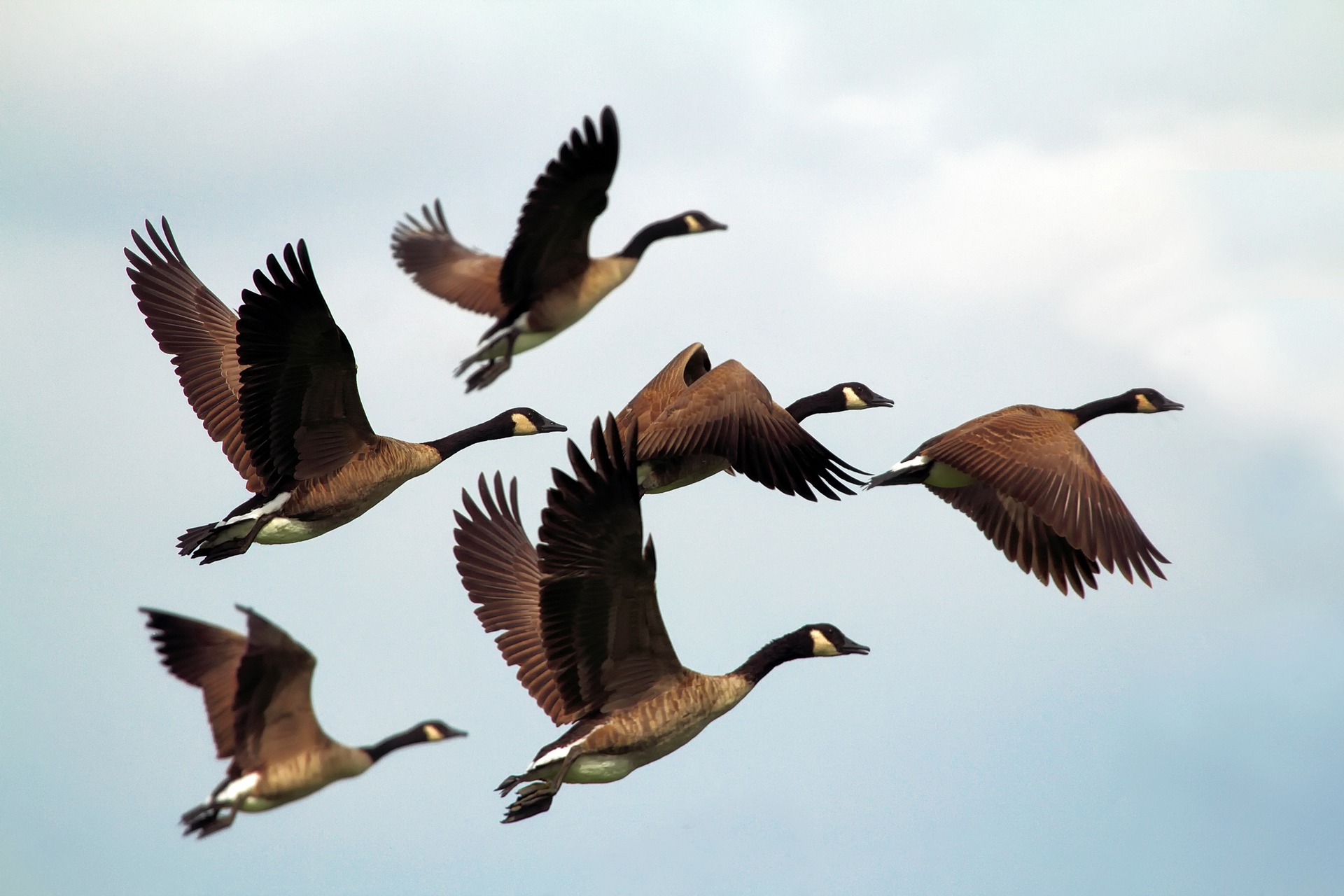
Bird migration is a fascinating natural phenomenon. Birds travel vast distances between breeding and wintering grounds. This journey is essential for their survival. Millions of birds migrate every year.
They face numerous challenges during migration. Understanding the basics of bird migration helps appreciate these incredible journeys.
What Is Bird Migration?
Bird migration refers to the seasonal movement of birds. They travel between breeding and non-breeding areas. This movement is usually predictable. Birds follow specific routes known as flyways.
Migration ensures birds find food and suitable climates. It is a natural response to environmental changes.
Why Do Birds Migrate?
Birds migrate primarily for food and breeding. During colder months, food becomes scarce. Birds move to warmer areas where food is abundant.
They also seek suitable breeding grounds. Migration offers favorable conditions for raising young ones.
When Do Birds Migrate?
Migration times vary among species. Many birds migrate in spring and fall. Spring migration occurs from March to May. Fall migration happens between August and November.
Birds rely on environmental cues to start their journey. Day length and temperature changes trigger migration.
How Do Birds Navigate?
Birds use several methods to navigate. They rely on the sun, stars, and Earth’s magnetic field. These natural compasses guide their long journeys.
Some birds also use landmarks. Rivers, mountains, and coastlines help orient them during travel.
Challenges Faced During Migration
Bird migration is not without challenges. Birds face harsh weather conditions. Storms and strong winds can disrupt their path.
Human activities also pose threats. Habitat destruction and pollution impact their routes. Despite challenges, birds continue their remarkable journeys.
Types Of Bird Migration
Bird migration is a fascinating natural phenomenon. Birds travel from one place to another for survival. These journeys can be short or long, depending on the species. There are different types of bird migration, each with its unique characteristics.
Latitudinal Migration
Latitudinal migration involves birds moving north to south or vice versa. This type is most common among birds. Many species migrate between the equator and poles. They do this to find food or breed in favorable conditions. For example, Arctic Terns travel from the Arctic to the Antarctic. They cover thousands of miles each year.
Altitudinal Migration
Altitudinal migration occurs when birds move up and down mountains. They change elevations instead of traveling long distances. Birds living in mountainous regions often migrate this way. They move to higher altitudes in summer to find food. In winter, they descend to avoid harsh weather. The Himalayan Monal is a good example. It moves between different altitudes for survival.
Longitudinal Migration
Longitudinal migration involves birds moving east to west or west to east. This type is less common than latitudinal migration. It usually happens in regions with mild seasonal changes. Birds may shift their range to follow food sources or climate changes. The American Robin, for instance, sometimes migrates in this manner. It adjusts its location based on food availability.
Triggers Of Bird Migration
Bird migration involves seasonal movement between breeding and non-breeding habitats. Changes in temperature, food availability, and daylight hours trigger this journey. Birds navigate vast distances, adapting to environmental cues to ensure survival and reproduction.
Bird migration is a fascinating phenomenon. Birds travel vast distances across continents. But what signals them to embark on such journeys? Several triggers influence their decision to migrate. Understanding these can provide insight into their incredible journeys.Environmental Cues
Birds are highly responsive to environmental changes. They notice shifts in day length and temperature. Longer days signal the arrival of spring. This prompts them to start their migration north. A drop in temperature in autumn signals it’s time to move south. These cues ensure birds migrate at the right time.Genetic Factors
Migration is often hardwired in a bird’s genes. Many species are born with an instinct to migrate. This instinct guides them without any prior experience. Young birds often follow experienced adults. But genetic factors ensure even first-time migrators find their way.Food Availability
Food scarcity can drive birds to migrate. As seasons change, food sources may become scarce. Birds move to areas with abundant food. This ensures they have enough to eat throughout the year. Migration helps them survive when local resources are low. `Navigation Techniques
Birds embark on incredible journeys across vast distances during migration. Their ability to navigate is a marvel of nature. They use various techniques to find their way. Understanding these methods offers insight into the wonders of avian travel.
Celestial Navigation
Birds use stars for navigation during night flights. They align themselves with constellations to maintain direction. The North Star plays a crucial role. It acts as a guide for their travels. This method is especially useful on clear nights.
Magnetic Field Sensing
Birds detect Earth’s magnetic fields. This ability helps them orient themselves geographically. They sense the magnetic pull to determine north and south. This internal compass guides them over long distances. It’s a reliable method, even in cloudy weather.
Landmark Recognition
Birds recognize landmarks during their migration. They use mountains, rivers, and coastlines as guides. These natural markers help them stay on course. Familiar landmarks provide reassurance of direction. This technique is often used in daylight.
Challenges Faced By Migratory Birds
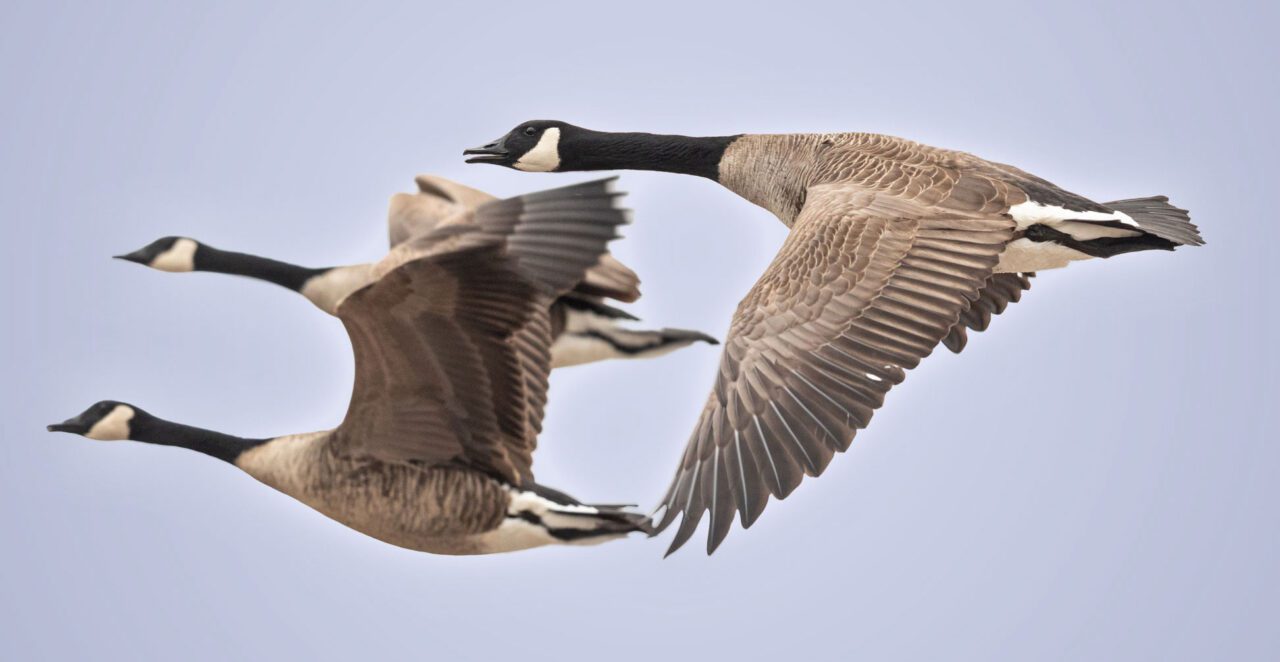
Migratory birds embark on incredible journeys, crossing continents to find food and breeding grounds. These journeys are fraught with challenges that threaten their survival. As you learn about these challenges, consider the role you can play in helping these remarkable travelers.
Habitat Loss
Imagine setting out on a long journey, only to find your destination has disappeared. This is the reality for many migratory birds facing habitat loss. Urban development and deforestation strip away vital resting and feeding spots.
Wetlands are drained for agriculture, leaving birds without the resources needed to refuel. You might wonder: how can communities balance growth with preservation? Consider supporting local conservation efforts or advocating for sustainable development.
Climate Change
Climate change adds another layer of complexity to migration. Rising temperatures alter the timing of seasons, confusing birds. They may arrive too early or too late for food availability.
Shifting weather patterns also affect their routes. Birds may need to fly longer distances or adapt to unfamiliar conditions. Have you noticed changes in local bird populations? Observing these shifts can offer clues about broader environmental impacts.
Predation And Human Impact
During migration, birds face increased risks of predation. As their traditional habitats shrink, they become more vulnerable to predators. Human activities exacerbate these dangers.
Light pollution and tall buildings can disorient and injure birds. How often do you consider the impact of city lights on wildlife? Simple actions like dimming outdoor lights can make a difference.
Reflect on these challenges and think about the small steps you can take to support migratory birds. Each action counts towards creating a safer journey for these incredible creatures.
Credit: www.allaboutbirds.org
Conservation Efforts
Bird migration is crucial for biodiversity. Conservation efforts aim to protect these majestic travelers. Safeguarding migratory birds is vital for ecological balance. Various strategies enhance their survival during migration.
Protected Areas
Establishing protected areas is essential. These habitats offer safe havens for birds. Wetlands, forests, and grasslands provide vital resources. Protection helps birds rest and refuel during their journeys. Proper management ensures these areas remain suitable for bird populations.
Migration Corridors
Migration corridors connect habitats across regions. Birds use these pathways to navigate safely. Conservationists map these corridors to identify critical sites. Preserving these routes reduces risks during migration. Strategic planning helps maintain these vital pathways.
International Cooperation
International cooperation strengthens bird conservation. Countries collaborate to share research and resources. Agreements promote unified conservation actions across borders. Partnerships support monitoring and protection initiatives. Global efforts ensure migratory birds have the support they need.
Fascinating Migratory Journeys
Have you ever wondered how far birds travel during migration? These journeys are not just about distance; they are tales of endurance, survival, and instinct. Many birds embark on incredible voyages that span continents and oceans, captivating scientists and nature enthusiasts alike.
One autumn morning, while sipping coffee on my porch, I spotted a flock of birds heading south. It made me ponder their destination and the challenges they face along the way. Their journeys are truly remarkable, and here’s a glimpse into the most fascinating ones:
Arctic Tern’s Epic Voyage
The Arctic Tern holds the record for the longest migration. This small bird travels from the Arctic to the Antarctic, covering over 44,000 miles annually. Imagine embarking on a journey that spans the entire globe twice a year! It’s a testament to their resilience and the power of instinct.
During this epic voyage, Arctic Terns encounter harsh weather, predators, and scarce food resources. Yet, they continue undeterred, driven by the need to breed and find food. Their journey challenges our perception of what animals are capable of.
Bar-tailed Godwit’s Non-stop Flight
The Bar-tailed Godwit is a marvel, known for its non-stop flight from Alaska to New Zealand. Covering over 7,000 miles in one go, they don’t stop to eat or rest. This endurance feat is supported by their ability to burn body fat efficiently.
How does a bird manage such a demanding trip without refueling? The Godwit’s journey is a reminder of nature’s incredible adaptability. Witnessing their arrival in New Zealand is a sight that leaves you in awe of their determination.
Monarch Butterfly’s Transcontinental Route
While not a bird, the Monarch Butterfly’s migration deserves mention due to its extraordinary nature. These butterflies travel from North America to Mexico, a journey spanning up to 3,000 miles. Their route is guided by environmental cues like sunlight and temperature.
Monarchs demonstrate how even fragile creatures can achieve great feats. Their migration, involving multiple generations, raises intriguing questions about inherited instincts. What drives these delicate insects to travel such vast distances?
As you consider these migrations, reflect on how much we can learn from nature’s travelers. Their journeys invite curiosity and admiration, urging us to explore the wonders of the natural world. Which migratory journey fascinates you the most?

Credit: www.nationalgeographic.com
Frequently Asked Questions
Why Do Birds Migrate Long Distances?
Birds migrate long distances primarily for food, breeding, and survival. Seasonal changes in temperature and daylight trigger these migrations. Many birds move from cold regions to warmer ones, where food is more abundant. Migration ensures that birds have access to resources and suitable habitats throughout the year.
When Do Birds Typically Migrate?
Birds typically migrate during spring and fall. In spring, they move from wintering grounds to breeding areas. In fall, they return to warmer regions to escape harsh winters. The timing varies by species, with some relying on daylight changes and others on temperature cues.
How Do Birds Navigate During Migration?
Birds navigate using a combination of natural cues. They rely on the sun, stars, and Earth’s magnetic field. Some species have an innate sense of direction, while others learn from experienced birds. These navigation skills are crucial for their survival during long migratory journeys.
What Challenges Do Migrating Birds Face?
Migrating birds face numerous challenges, including habitat loss and climate change. They encounter obstacles such as bad weather, predators, and human-made structures. Additionally, environmental pollution and food scarcity can impact their survival during migration. Conservation efforts aim to mitigate these challenges for birds.
Conclusion
Bird migration fascinates us with its natural wonders. Birds travel far and wide. They seek food, warmer climates, or breeding grounds. Their journeys show remarkable endurance. Instinct guides them through skies and over oceans. Each species has unique patterns and routes.
These migrations impact ecosystems worldwide. They balance nature’s cycles. Observing bird migration enriches our understanding of wildlife. It highlights the importance of conservation. Protecting habitats ensures birds continue their epic journeys. Let’s cherish these incredible travelers. Celebrate nature’s interconnectedness. Bird migration reminds us of life’s beauty and resilience.
A true marvel of the natural world.