


Have you ever gazed at the sky and wondered where all the birds disappear to during the chilly winter months? As the leaves fall and the frost sets in, you might find yourself missing the cheerful chirping that once filled the air.
You’re not alone. This mystery captivates many, and the answers are more fascinating than you might think. Understanding bird migration isn't just about satisfying your curiosity; it’s about uncovering the incredible journeys these creatures embark upon every year. Get ready to discover the astonishing destinations birds travel to and learn why these migrations are crucial for their survival.
Stay with us, and you might just see the world through a bird’s-eye view.
Migration Patterns
Birds travel thousands of miles to find warmer places during winter. Many species migrate to Central and South America. Some prefer southern regions of the United States for better weather and food availability.
Bird migration is a marvel of nature that captivates bird watchers and nature enthusiasts alike. These incredible journeys are dictated by migration patterns, which vary greatly among different species. As winter approaches, many birds embark on fascinating travels in search of warmer climates. Understanding these patterns provides insight into the survival strategies of various birds. Let's dive into the world of short-distance and long-distance migrants.
Short-distance Migrants
Short-distance migrants are birds that travel relatively small distances to escape harsh winter conditions. These birds might move from mountainous regions to nearby valleys or from northern forests to southern woodlands. Imagine watching a flock of robins in your backyard. As winter looms, they might simply head to a nearby park or a warmer urban area. These short trips allow them to find food and shelter without venturing too far from their breeding grounds. For bird watchers, short-distance migration offers the exciting prospect of observing familiar feathered friends in new settings. Have you ever noticed how your local bird population changes with the seasons? It’s these short-distance migrants making subtle moves.
Long-distance Migrants
Long-distance migrants, on the other hand, embark on epic journeys that span continents. These birds, like the Arctic Tern, travel thousands of miles from the Arctic to the Antarctic to enjoy a perpetual summer. Consider the awe-inspiring flight of the Swainson's Hawk. These raptors travel from North America to Argentina, traversing diverse landscapes and climates. Their journey is a testament to endurance and adaptation. Have you ever wondered how such small creatures manage these incredible feats? It's their innate navigation skills and the natural urge to survive that drive them. Long-distance migration offers a glimpse into the resilience and determination of birds. Bird migration patterns are not just about distance; they are a dance of survival and instinct. Whether it's a robin in your backyard or a hawk soaring above, understanding these patterns enriches your experience of the natural world. As you observe these migrations, ask yourself: What drives these birds to undertake such journeys?
Popular Migration Destinations
Birds embark on incredible journeys during winter months. Ducks and swans migrate to warmer coasts and southern lakes. Songbirds often travel to Central America, seeking food and milder climates.
Have you ever wondered where the birds you see in your backyard go when the winter chill sets in? Birds embark on incredible journeys, traveling thousands of miles to find warmer climates. These migrations are a testament to their resilience and the beauty of the natural world. Whether they're flying from North America to the tropics or from Europe to Africa, each journey tells a unique story of survival and adaptation. Let’s dive into some of these popular migration destinations and see where our feathered friends spend the winter months.
North America To Central And South America
Birds from North America, like the ruby-throated hummingbird, make their way to Central America. They travel over 1,500 miles to reach places like Costa Rica and Panama. Imagine a tiny bird weighing less than a nickel covering such vast distances! Many songbirds, including warblers and vireos, head even further south to the Amazon rainforest in South America. This lush paradise provides abundant food and shelter during the colder months. Have you ever spotted a bird in your garden and wondered if it might be sunning itself in Brazil right now?
Europe To Africa
European birds, such as the barn swallow, journey to Africa. They cross the Mediterranean Sea to reach countries like Morocco and Kenya. These birds rely on the rich insect life in African wetlands to fuel their long return flight. Storks and swifts also make this impressive migration. They often fly over the Sahara Desert, a treacherous path with little food or water. Yet, they persevere, showcasing the incredible determination and instinct that drive these journeys.
Asia To Australasia
In Asia, birds like the Siberian rubythroat travel to Southeast Asia and even as far as Australia. They seek the warm climates of Indonesia and the Philippines, escaping the harsh Siberian winters. It’s fascinating how these birds navigate vast seas and diverse landscapes. Shorebirds, including the bar-tailed godwit, undertake one of the longest nonstop flights from Alaska to New Zealand. They cover over 7,000 miles in just a few days. What can we learn from such determination and precision in navigation? Every bird migration is an awe-inspiring journey of endurance and instinct. Next time you see a bird flying south, think about the incredible adventure it’s embarking on. Where do you think it will end up this winter?
Factors Influencing Migration
Bird migration patterns are influenced by factors like food availability and climate. During winter, birds often migrate to warmer regions with abundant food sources. Many species travel to Central and South America, escaping harsh northern climates.
Bird migration is a fascinating phenomenon that paints the sky with flocks of birds traveling vast distances. But have you ever wondered why birds embark on such epic journeys each year? It's not just a matter of wandering. Various factors influence their migration patterns, ensuring they find the perfect winter haven. Let's dive into the key factors that guide these incredible voyages.
Climate And Weather Conditions
Birds are keenly attuned to climate and weather changes. As temperatures drop in their breeding areas, many birds head south to escape the cold. Imagine standing outside on a chilly morning, feeling the sharp bite of the wind. Just like you, birds seek warmer places to stay comfortable. But it's not just about warmth; they also need stable weather conditions. Unpredictable storms can be dangerous, so birds often fly towards regions with reliable weather patterns.
Availability Of Food
Food is a primary driver of migration. As winter approaches, food sources like insects, seeds, and berries become scarce in colder regions. You might have experienced a time when your favorite snack was out of stock. Similarly, birds move to areas where food is plentiful. Coastal wetlands, tropical forests, and agricultural fields become bustling bird hubs. The journey is arduous, but the promise of abundant food makes it worthwhile.
Breeding And Nesting Needs
Some species migrate to fulfill their breeding and nesting needs. They travel to places where they can find suitable habitats for raising their young. If you've ever tried to find the perfect spot for a picnic, you know how important location is. Birds choose areas that offer safety from predators and ample resources for their chicks. These journeys ensure their offspring have the best start in life. Consider this: what if birds didn't migrate? Their survival would be at risk. Migration ensures they have the resources and conditions needed to thrive. As you watch birds take flight this winter, remember the incredible factors guiding their journey. What other wonders in nature are waiting for you to discover?

Credit: blog.gardenwildlifedirect.co.uk
Major Migration Routes
Bird migration is one of nature's most fascinating phenomena, and understanding the major migration routes can help you appreciate the incredible journeys birds undertake. These routes are like highways in the sky, guiding millions of birds to their winter destinations. Let's dive into some of the most crucial migration pathways.
Atlantic Flyway
The Atlantic Flyway is a major bird migration route along the eastern coast of North America. Birds travel through this corridor as they head south to escape the winter chill. Imagine standing on a coastal cliff and witnessing flocks of geese flying in their iconic V formation.
Birds using the Atlantic Flyway can end up as far south as the Caribbean or even South America. Have you ever wondered how they know where to go? This route offers a variety of habitats like wetlands and forests that provide rest stops along the way.
Next time you're near a coastal area in autumn, look up. You might see a group of birds taking advantage of this aerial path. It's a reminder of how interconnected our world is—birds depend on these routes, and conservation efforts aim to keep them safe.
Pacific Flyway
The Pacific Flyway stretches from Alaska to South America, hugging the western coast of North America. This route is a lifeline for many species, including ducks and shorebirds. If you've ever visited a bird sanctuary, you've likely seen birds refueling on their journey along this path.
Wetlands and estuaries are crucial pit stops. They're like gas stations for birds, offering the resources they need to continue their trek. Have you considered how climate change might affect these habitats? Birds rely on stable environments to survive their long flights.
Next time you plan a coastal hike or visit a nature reserve, take a moment to appreciate the birds flying overhead. They're navigating a route thousands of years old, showcasing the resilience and intelligence of nature.
East Asian-australasian Flyway
The East Asian-Australasian Flyway is a bird migration corridor spanning from Siberia to Australia and New Zealand. It connects diverse ecosystems, supporting the journeys of species like sandpipers and cranes. Ever noticed how certain birds seem to appear only during specific seasons?
This route includes stopover sites in places like China and the Philippines, where birds refuel and rest. The variety of landscapes offers different resources for different species, ensuring they reach their destinations. Have you thought about what it takes to maintain these habitats?
When you travel in Asia-Pacific regions, keep an eye out for the seasonal influx of migratory birds. It's a testament to the complex web of life, showing how birds adapt to their environment, ensuring their survival year after year.
Understanding these migration routes isn't just for bird enthusiasts. It's a chance for you to connect with nature and consider how your actions might impact these incredible journeys. What role can you play in preserving the habitats these birds depend on?
Challenges Faced By Migrating Birds
Bird migration is one of nature's most incredible phenomena, but it isn't without its challenges. As birds embark on their epic journeys across continents, they face numerous threats that can impede their progress. Whether it's habitat loss, climate change, or human-made obstacles, each issue poses a significant risk to their survival. These challenges highlight the resilience of these avian travelers, but they also prompt us to ask: How can you help mitigate these threats?
Habitat Loss
Habitat loss is a critical challenge for migrating birds. As urban areas expand, forests and wetlands shrink, leaving birds with fewer places to rest and refuel. Imagine a weary traveler finding their favorite inn closed for renovations. That's how birds feel when they can't find suitable habitats. You can help by supporting conservation efforts and protecting natural reserves.
Climate Change
Climate change disrupts the delicate balance of ecosystems that birds depend on. Rising temperatures can alter migration patterns, forcing birds to find new routes. Have you ever had to change your travel plans due to unexpected weather? Birds face similar challenges but with much higher stakes. By reducing your carbon footprint, you contribute to a healthier planet for all its inhabitants.
Human-made Obstacles
Human-made obstacles, such as buildings and power lines, pose significant threats to migrating birds. These structures can cause collisions, often resulting in injuries or fatalities. Imagine navigating a maze blindfolded; that's the risk birds face flying through urban landscapes. Installing bird-friendly designs and structures can greatly reduce these hazards. Could your next home improvement project help protect migrating birds?
Addressing these challenges requires collective action and awareness. As you reflect on the migratory journeys of birds, consider how your actions can make a difference. By taking steps to protect habitats, combat climate change, and reduce obstacles, you can play a part in ensuring these beautiful creatures continue their incredible migrations for generations to come.
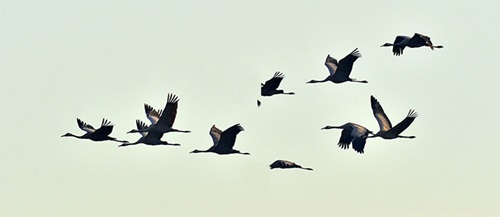
Credit: www.kaytee.com
Conservation Efforts
Bird migration is one of nature's most fascinating phenomena, yet it's fraught with challenges that threaten bird populations. Conservation efforts play a critical role in ensuring that birds can continue their incredible journeys each winter. From protected areas to international agreements and community involvement, these efforts aim to safeguard migratory paths and habitats. Let's explore how each of these components contributes to bird conservation.
Protected Areas
Protected areas are vital to bird conservation. They offer safe havens where birds can rest and feed without human interference. Imagine these areas as a bird's sanctuary during their long journey. National parks, wildlife reserves, and sanctuaries provide the necessary resources for birds to thrive.
Countries worldwide are designating more areas as protected zones. These efforts not only preserve habitats but also boost local biodiversity. You might have visited a national park and unknowingly contributed to these conservation efforts. By supporting these protected areas, you help sustain the delicate balance required for migratory birds.
International Agreements
Birds don't recognize borders, which makes international cooperation crucial. Agreements between countries ensure that migratory routes remain unbroken. Treaties like the Migratory Bird Treaty Act and the Bonn Convention aim to protect birds across continents.
These agreements encourage countries to work together. They share information, resources, and strategies to protect birds. Consider how powerful it is when nations unite for a common cause. Such cooperation amplifies the impact of conservation efforts, making them more effective.
Community Involvement
Local communities play a pivotal role in bird conservation. Their participation adds a personal touch to these efforts. Communities near migratory paths often have unique insights into bird behaviors and needs.
Programs that engage locals in conservation tasks, such as monitoring bird populations or planting native vegetation, are incredibly effective. Have you ever participated in a community cleanup or educational event? Your involvement, no matter how small, contributes to the larger goal of preserving migratory bird habitats.
Can you imagine the impact if every community took action? Collective efforts can transform conservation from a daunting task into a shared responsibility. As individuals, we hold the power to make a difference, ensuring that future generations can witness the marvel of bird migration.
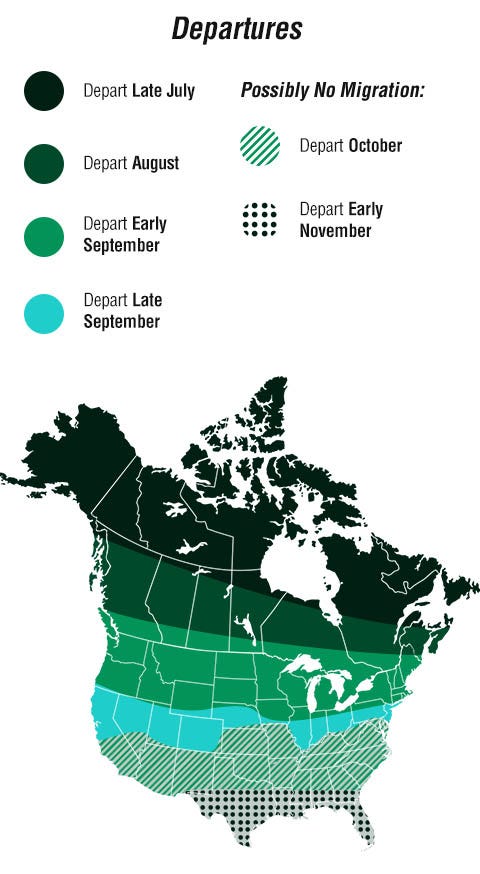
Credit: www.perkypet.com
Frequently Asked Questions
Where Do Birds Fly In The Winter?
Birds migrate to warmer regions for food and better living conditions. Common destinations include Central and South America, Southern Asia, and Africa. These areas offer abundant resources and favorable climates during winter months. Migration patterns vary depending on the species.
How Do Birds Know Where To Migrate?
Birds use instinct, the Earth's magnetic field, and landmarks for navigation. Some species follow inherited routes learned from parents. They also rely on environmental cues like the sun and stars. These navigation skills ensure they reach their winter destinations safely.
Why Do Some Birds Not Migrate?
Some birds adapt to cold climates and find food locally. Species like chickadees and woodpeckers have physical adaptations to survive winter. They store food or change diet according to availability. Non-migratory birds benefit from avoiding long, energy-consuming journeys.
What Challenges Do Birds Face During Migration?
Birds face predators, bad weather, and habitat loss during migration. Long distances also pose energy and resource challenges. Human activities like urbanization and deforestation disrupt their routes. Conservation efforts are essential to ensure their safe migration.
Conclusion
Bird migration fascinates bird watchers and nature lovers alike. Birds travel far to find warmth and food. From North America to the tropics, their journeys are incredible. Each species has its own path and destination. Understanding these patterns helps us protect bird habitats.
By caring for these areas, we support bird survival. Let's appreciate their amazing travels. Every flight tells a story of survival and adaptation. So next winter, keep an eye on the sky. You might spot a traveler on its long journey south.
Nature's wonders are just above us, waiting to be seen.