


Imagine stepping outside on a sunny morning, the gentle chirping of birds filling the air. Now, picture that sound fading away, replaced by an eerie silence.
It's unsettling, isn't it? Birds are not just beautiful creatures; they play a vital role in our ecosystem. But did you know that certain human activities are silently pushing them out of their homes? By the end of this article, you’ll have a clear understanding of how our everyday actions impact bird habitats and what you can do to help protect these winged wonders.
Stay with us to discover how you can make a difference and ensure that the melody of bird songs continues to grace your mornings.
Deforestation Impact
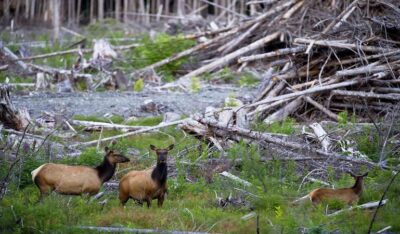
Deforestation is a significant threat to bird habitats across the globe. When trees are cut down, birds lose their homes, food sources, and shelter. This disruption can lead to a decline in bird populations, affecting biodiversity. Have you ever wondered what happens when forests, the lifeline of numerous bird species, are destroyed?
Loss Of Nesting Sites
Birds rely on trees and shrubs as their primary nesting sites. Without these vital structures, birds struggle to breed and nurture their young. Deforestation strips away these nesting sites, leaving birds homeless. Imagine the chaos when a bird returns to its once-thriving nest, only to find it gone.
Tree-dwelling birds, like woodpeckers and parrots, suffer immensely. These birds depend on cavities in trees for nesting. Without trees, their survival becomes uncertain. You might see fewer of these vibrant creatures in your local parks as their numbers dwindle.
Fragmentation Of Habitats
Deforestation doesn't just remove trees; it creates fragmented habitats. This fragmentation separates bird populations, making it difficult for them to find mates and food. Birds often need large areas to thrive, but with fragmented habitats, their movement is restricted.
Consider how challenging it is for migratory birds to find safe passage. They face barriers that disrupt their journeys, leading to decreased survival rates. Next time you see a migratory bird, think about the struggles they endure due to habitat fragmentation.
Deforestation is not just an environmental issue; it's a call to action. Protecting bird habitats helps preserve the rich biodiversity of our planet. What steps will you take to support bird conservation?
Urban Development
Urban development transforms natural landscapes into bustling cities. This change affects many animal habitats. Birds face significant challenges due to these changes. Concrete buildings replace green spaces. Roads cut through forests. Each new structure reduces bird-friendly areas. Urban development influences bird habitats in several ways.
Displacement Of Bird Populations
Buildings and roads replace trees and plants. Birds lose their homes. They must find new places to live. Many birds cannot adapt quickly. Their numbers decrease as a result. Some species become endangered. Urban sprawl continues, pushing birds further away.
Light And Noise Pollution
Artificial lights confuse birds. They disrupt natural patterns. Birds rely on stars for navigation. Bright city lights mislead them. Noise pollution adds another layer of stress. Constant sounds interfere with bird communication. They struggle to find mates or warn of danger.
Urban areas are rarely quiet. This constant noise affects bird behavior. Birds may abandon noisy areas. They seek quieter, safer environments. This makes survival even harder.
Agricultural Expansion
Bird habitats face destruction due to agricultural expansion, which clears forests and wetlands. Intensive farming reduces biodiversity, affecting bird populations. Monoculture practices limit plant variety, leaving birds with fewer food sources and nesting sites.
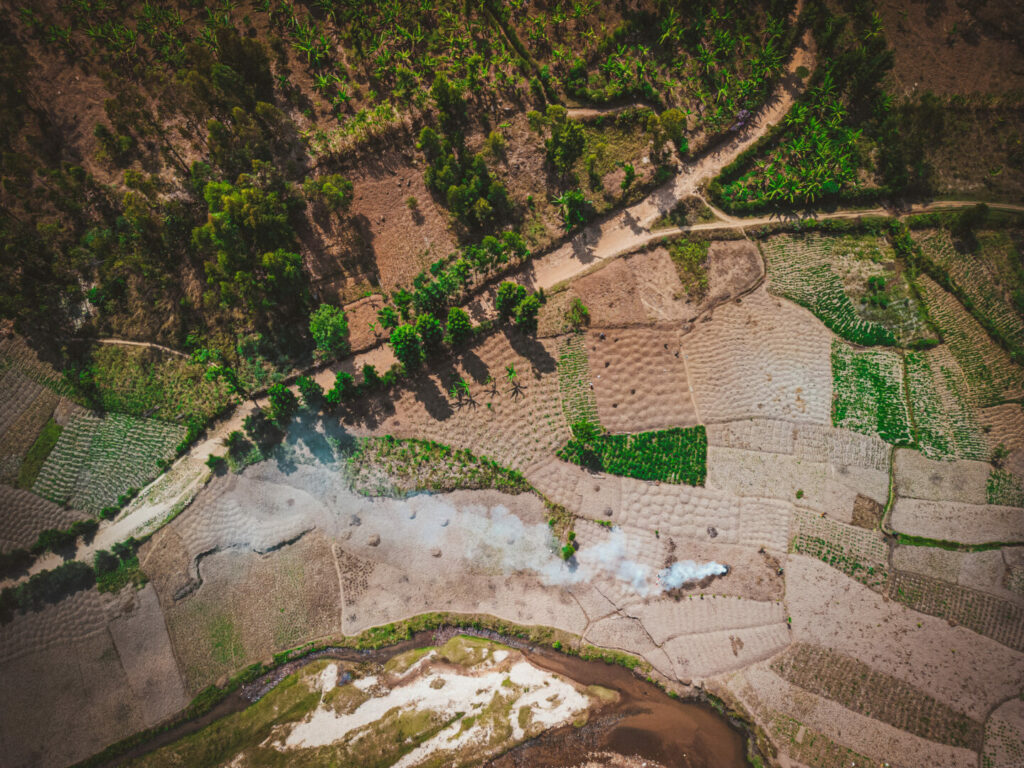
Agricultural expansion is a significant factor leading to the destruction of bird habitats. As human populations grow, so does the demand for food, prompting the conversion of forests, grasslands, and wetlands into agricultural lands. This transformation not only reduces the natural habitats available to birds but also impacts the quality of the remaining environments.
Pesticide Use
Pesticides are commonly used in agriculture to protect crops from pests. However, they can have unintended consequences on bird populations. These chemicals can poison birds directly or reduce the insects that birds rely on for food. Imagine visiting a farm and witnessing fields lush with crops but eerily silent, devoid of bird songs. It's a stark reminder of the impact pesticides can have. As a farmer or consumer, consider supporting organic farming methods that avoid harmful chemicals.
Monoculture Practices
Monoculture involves growing the same crop year after year. This practice can severely damage biodiversity and bird habitats. It limits the variety of food sources and nesting areas available to birds. During a visit to a large cornfield, you might notice the lack of variety in plant life. This absence affects the bird species that once thrived there. Encouraging diversity in crops could help restore some balance. Have you ever thought about the role you play in supporting sustainable farming practices? Agricultural expansion, while necessary to feed the growing population, poses a real threat to bird habitats. By understanding the impact of pesticides and monoculture, you can make informed choices that help protect these vital ecosystems. Every small action counts towards a healthier environment for the birds and for us.
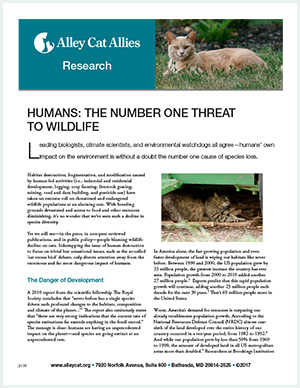
Credit: www.alleycat.org
Climate Change Effects
Climate change significantly impacts bird habitats worldwide. Rising temperatures and unpredictable weather patterns pose challenges. Birds struggle to adapt to rapid environmental changes. Their habitats are increasingly threatened, leading to a decline in populations.
Altered Migration Patterns
Climate change disrupts traditional migration routes. Birds rely on seasonal cues to migrate. Shifts in temperature confuse these signals. This can lead to birds arriving at breeding grounds too early. Or too late. Food resources may not be available when needed. Such disruptions endanger survival rates.
Habitat Shifts
Birds face habitat shifts as climates change. Some regions become unsuitable for nesting or feeding. Trees and plants may no longer thrive. Birds must relocate to find suitable habitats. This leads to overcrowding in favorable areas. Competition for resources increases. Many species struggle to adapt quickly enough.
Industrial Pollution
Factories release harmful chemicals into the air, destroying bird habitats. These pollutants contaminate water and soil, impacting bird populations. Construction and urban expansion also remove trees and wetlands, crucial for bird nesting.
Industrial pollution has been a silent killer, affecting bird habitats in ways many of us might not realize. From factories belching smoke into the air to chemical runoff tainting our water systems, the impact is profound. You may wonder how your daily choices contribute to this issue. Let’s explore how industrial pollution is dismantling the delicate ecosystems our feathered friends rely on.
Contaminated Water Sources
Polluted water is a major threat to birds. Toxic chemicals from industrial waste seep into rivers and lakes, disrupting the food chains. Birds that rely on these water bodies for drinking and hunting are left vulnerable. Have you ever seen a bird struggling to find clean water? It’s a heartbreaking sight, and it's happening more often than we think. Imagine your local pond, once bustling with life, now eerily quiet. This silence is a stark reminder of the dangers lurking beneath the surface. Industrial pollutants can cause diseases in birds, affecting their ability to reproduce and survive. Next time you see a factory near a water source, consider the unseen impact it has on the wildlife around you.
Air Quality Degradation
Air pollution from industries is another silent predator. Birds depend on clean air for survival, and contaminated air can lead to respiratory issues. Think about how difficult it is to breathe in a city with heavy smog. Birds experience the same struggle, but they can't escape it. Consider the coal plants that pump tons of pollutants into the atmosphere. These chemicals can settle on feathers, affecting birds’ flight and insulation. Have you ever wondered why some birds migrate less frequently? Poor air quality might be forcing them to change their patterns, impacting ecosystems far beyond your immediate surroundings. Industrial pollution isn't just an environmental issue. It directly affects the creatures that share this planet with us. You can make a difference by supporting cleaner technologies and advocating for stricter pollution controls. Every little action counts toward preserving the habitats that birds desperately need.
Invasive Species Introduction
Human activities such as deforestation and urban expansion can destroy bird habitats. Pollution from industrial waste and agriculture harms their living spaces. Introducing invasive species through trade and travel also disrupts native bird populations.
In today's interconnected world, the introduction of invasive species is a growing threat to bird habitats. You've probably seen how quickly a non-native plant or animal can spread in a new environment. This isn't just a matter of biodiversity; it affects the delicate balance that birds rely on. When an invasive species is introduced, it can wreak havoc, leaving you wondering how such a small act can lead to such large-scale destruction.
Competition For Resources
Invasive species often compete with native birds for the same resources. Imagine a scenario where a non-native plant is introduced and quickly spreads across a region. This new plant might consume more water or nutrients, leaving native plants struggling to survive. When native plants falter, birds that rely on them for food or nesting sites are directly impacted. You might ask yourself: How can these birds compete if their food sources are dwindling?
Predation Threats
Invasive species can also pose predation threats to birds. Some non-native animals are predators that birds have never encountered before. This can be a shock to their system, leading to increased vulnerability. Think about the introduction of a new predator that preys on bird eggs or chicks. Without natural defenses or knowledge to protect against these new threats, bird populations can decline rapidly. Are our actions inadvertently setting up these birds for failure? It's crucial to understand the ripple effects of introducing invasive species. While it might seem harmless at first, these species can lead to a cascade of challenges for birds and their habitats. As you consider the impact of human activities on the environment, ask yourself: What can be done to prevent the spread of invasive species and protect bird habitats?
Recreational Activities
Recreational activities offer joy and relaxation to many people. Yet, these activities can harm bird habitats. Outdoor enthusiasts often venture into natural areas. Their presence can disrupt ecosystems. Birds are sensitive creatures. They need undisturbed environments to thrive.
Disturbance In Breeding Areas
Breeding areas are crucial for birds. These spaces must remain peaceful. Loud noises can scare birds away. Human presence increases stress for nesting birds. Disturbance leads to abandoned nests. Birds may not return to these areas. This affects their population growth.
Habitat Trampling
Foot traffic damages habitats. Trails cut through nesting grounds. Plants are crushed underfoot. Birds lose their food sources. Soil erosion can follow heavy trampling. This alters the landscape. Birds struggle to adapt to the changes. Their survival is at risk.
Credit: vfcfoods.com
Credit: plantwithpurpose.org
Frequently Asked Questions
What Human Activities Harm Bird Habitats?
Urban development, deforestation, and agriculture significantly harm bird habitats. These activities destroy natural environments. They lead to habitat loss and fragmentation. Pollution and climate change, often byproducts of these activities, further threaten birds. Maintaining balanced ecosystems is crucial.
How Does Deforestation Affect Bird Populations?
Deforestation removes trees that birds rely on for nesting. It disrupts food sources and migratory paths. Many bird species face extinction due to habitat loss. Protecting forests is essential for bird survival. Sustainable forestry practices can mitigate these impacts.
Why Is Urbanization A Threat To Birds?
Urbanization replaces natural habitats with buildings and roads. It reduces the availability of nesting sites and food. Noise and light pollution disrupt bird behaviors. Conservation efforts in urban planning can help protect bird populations. Green spaces and wildlife corridors are beneficial.
How Does Agriculture Impact Bird Habitats?
Agriculture transforms natural landscapes into monocultures. It reduces biodiversity and disrupts ecosystems. Pesticides and fertilizers harm birds and their food sources. Sustainable farming practices can support bird conservation. Crop diversity and habitat restoration are key strategies.
Conclusion
Protecting bird habitats requires urgent human effort and responsibility. Small changes can make significant differences. Plant native trees and shrubs to provide natural shelter. Limit urban sprawl and preserve green spaces. Support conservation programs and initiatives. These actions help maintain bird populations and biodiversity.
Each step counts towards a healthier planet. By being mindful of our activities, we can safeguard these vital habitats. Birds play essential roles in ecosystems, like pest control and pollination. Ensuring their survival benefits us all. Let's commit to making positive changes today.
Together, we can preserve nature's harmony.