


Imagine stepping into your garden, the air filled with the delightful sound of chirping birds. This peaceful scene is something you can enjoy every day, right in your own backyard.
But to keep these feathered friends visiting, you need to know what to feed them. Choosing the right food for birds isn't just about attracting them; it's about ensuring they thrive. You have the power to create a haven for these creatures, a place where they can gather and sing.
You'll discover simple tips and effective strategies to select the best bird food. Ready to transform your garden into a bird paradise? Let's dive in and explore what to feed birds to keep them happy and healthy.
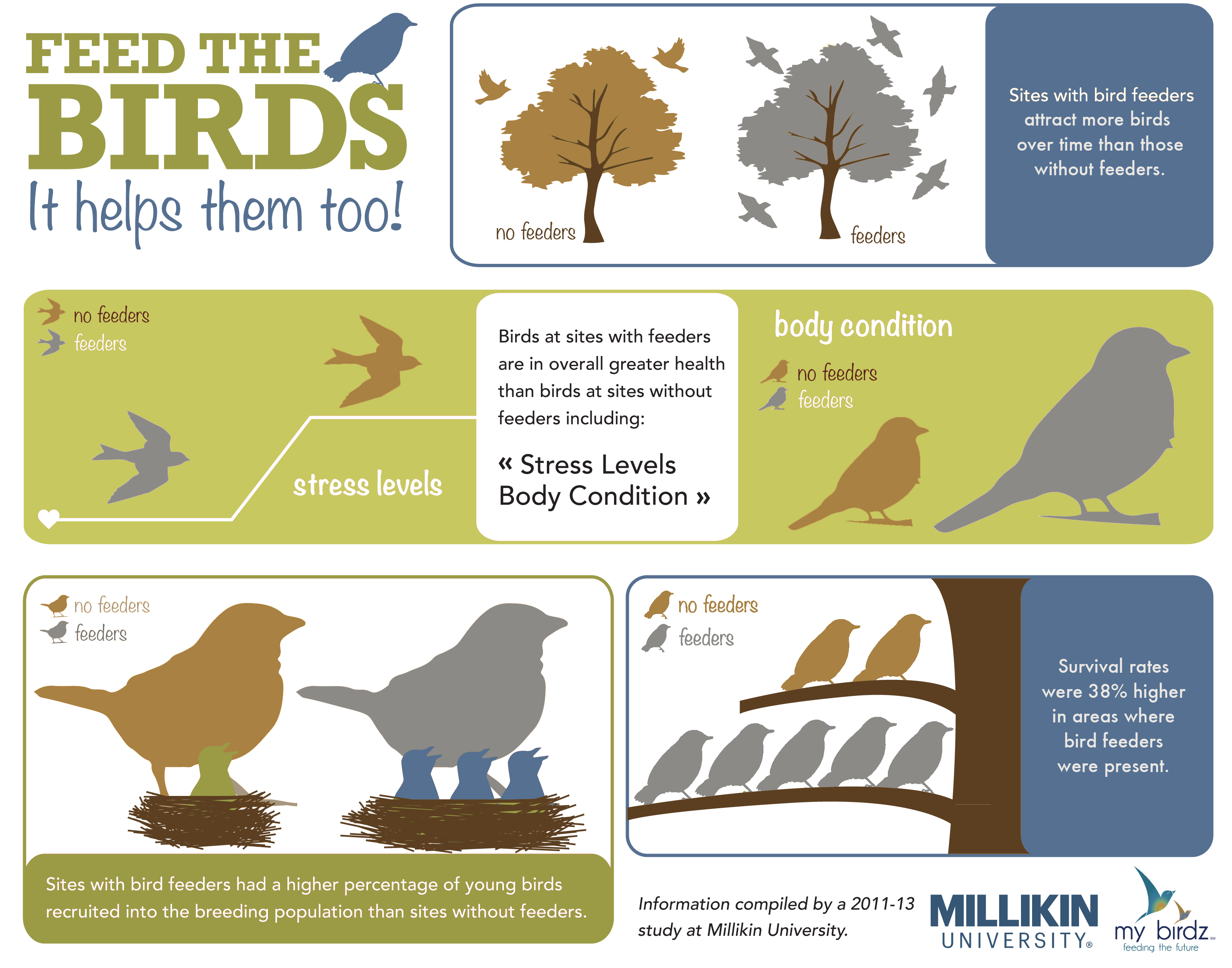
Credit: www.wilddelight.com
Seasonal Feeding Basics
Feeding birds changes with the seasons. Different times of the year bring different needs. Understanding these needs ensures birds get proper nutrition. This helps them thrive in varying conditions. Seasonal feeding basics can guide you in providing the right food. This enhances bird health and attracts diverse species.
Understanding Bird Dietary Needs
Birds need different foods at different times. In winter, energy-rich foods help them stay warm. Seeds and nuts are ideal. During spring, protein is vital for growth and reproduction. Offer insects or mealworms. Summer calls for fruits and berries. These provide hydration and essential vitamins. Autumn is the time for fats and carbs. Birds prepare for migration and colder days.
Regional Variations In Diet
Bird diets vary across regions. In northern areas, birds often eat high-energy foods. Seeds and suet are popular choices. Southern regions see a preference for fruits. Tropical birds enjoy a mix of seeds and juicy fruits. In coastal areas, birds may eat fish and marine worms. This depends on availability and local environment.
Spring Feeding Tips
Birds love seeds like sunflower, millet, and safflower in spring. Fresh fruit slices or suet can attract them too. Provide clean water for drinking and bathing to keep birds happy.
Spring is a fantastic time to feed birds in your backyard. As the weather warms up, birds begin their breeding season, making it essential to provide them with the right nutrients. By offering the right foods, you can support their health and even encourage nesting in your area.
Nutrient-rich Foods For Breeding Season
During the spring, birds need energy-rich foods to support their breeding activities. Sunflower seeds, mealworms, and peanuts are excellent choices. These foods provide essential fats and proteins that help birds during this demanding time. Fruit is another fantastic option. Birds like robins and thrushes enjoy apples, oranges, and berries. Offer these fruits in small, manageable pieces to attract a variety of birds. You may notice more birds visiting your feeders during spring. This is the perfect opportunity to experiment with different food types to see what they prefer. Do you have a favorite bird food that always seems to bring visitors?
Encouraging Nesting With Food Choices
Placing food near potential nesting sites can encourage birds to settle in your yard. Consider hanging feeders near shrubs or trees where birds might nest. This creates a convenient food source for busy parents-to-be. You can also try offering nesting materials like small twigs, grass clippings, or pet hair. These materials can entice birds to build their nests nearby. Have you ever noticed a bird using your offerings to build a nest? Remember, consistency is key. Regularly replenishing food ensures that birds will return to your yard. This commitment can lead to a bustling environment filled with chirping life, providing endless enjoyment for bird lovers like you.
Summer Diet Adjustments
Birds thrive on seeds, fruits, and insects during summer. Fresh fruits and seeds provide essential nutrients. Ensure a varied diet to keep them healthy and energetic.
As the sun blazes and temperatures rise, birds need a little extra care in their diets to thrive during the summer months. Just like we switch to lighter meals, birds also benefit from specific dietary adjustments. By tweaking what you offer them, you can ensure they stay healthy, hydrated, and full of energy.
Hydration And Food
Keeping birds hydrated is crucial during the sweltering summer heat. If you've ever noticed a bird panting, it's a sign they're trying to cool down. Water sources like birdbaths can be a lifesaver. Ensure the water is fresh and clean. A shallow dish works wonders, allowing birds to drink and bathe. Adding a few pebbles can give them a firm footing. Providing juicy fruits like oranges or berries can also help with hydration. These fruits not only quench thirst but also offer essential vitamins. Watch as birds flock to these natural treats!
High-energy Foods For Active Birds
Summer is a busy time for our feathered friends, with nesting and raising young. Their energy needs are higher than ever. Have you ever watched birds dart around, seemingly tireless? They need fuel for all that activity. Offer high-energy foods like sunflower seeds and peanuts. These provide the necessary calories for their active lifestyles. Make sure peanuts are unsalted to avoid any health issues. Insects are another excellent source of protein. Mealworms, for instance, can be a hit with birds. This addition to their diet can support their growth and energy demands. Consider creating a small feeding station with these high-energy options. You'll likely notice an increase in bird traffic in your backyard. This not only supports their dietary needs but also enriches your bird-watching experience. So, what adjustments will you make to ensure your feathered visitors thrive this summer? Remember, the small changes you make can have a significant impact on their health and happiness.
Autumn Feeding Strategies
Birds need energy-rich foods like sunflower seeds and peanuts during autumn. These help them prepare for winter. Offer a mix of seeds, fruits, and suet to attract different species.
Autumn is a magical time for bird enthusiasts, as the skies become a bustling highway for migrating birds. As the leaves turn and the air cools, it's crucial to adapt your bird feeding strategies to meet the changing needs of your feathered visitors. Autumn feeding not only helps birds on their arduous journeys but also prepares them for the impending winter months. This season, you can play a vital role in their survival by offering the right foods and creating a welcoming environment.
Supporting Migration With High-fat Foods
Migrating birds need extra energy to make their long journeys. High-fat foods are a perfect choice to support them during this taxing time. Consider adding sunflower seeds and peanuts to your feeders. They are rich in healthy fats and are favorites among many bird species. You might notice larger flocks visiting your backyard during migration periods. It's not just a beautiful sight; it's a sign that your feeding strategy is working. Why not try making homemade suet cakes using lard, peanut butter, and seeds? It's an easy and rewarding project that provides a high-energy snack for birds on the move.
Preparing For Winter With Proper Nutrition
As autumn fades, birds will need to build up reserves for the cold months ahead. Proper nutrition now can make all the difference come winter. Swap out some of your birdseed varieties to include nuts and berries. These foods offer essential nutrients and energy that birds need to stay warm and healthy. You could also add mealworms to your feeding menu. They're a protein-packed treat that many birds love. Check your feeders regularly to ensure they're clean and filled. A well-maintained feeder means more reliable food access for birds when natural resources dwindle. Have you noticed any changes in the types of birds visiting your feeders as the seasons change? Observing these patterns can help you tailor your feeding strategies even further. By adjusting your bird feeding strategies during autumn, you can make a meaningful impact on the lives of migrating and overwintering birds. Your efforts not only support their survival but also enrich your backyard with diverse avian activity.
Winter Feeding Essentials
Winter can be harsh for birds. They struggle to find food. Providing nourishment during this season helps them survive. Choosing the right foods is essential. Birds need energy-rich meals to maintain warmth. Proper feeder placement ensures accessibility. Regular maintenance keeps feeders clean and safe.
Calorie-dense Foods For Warmth
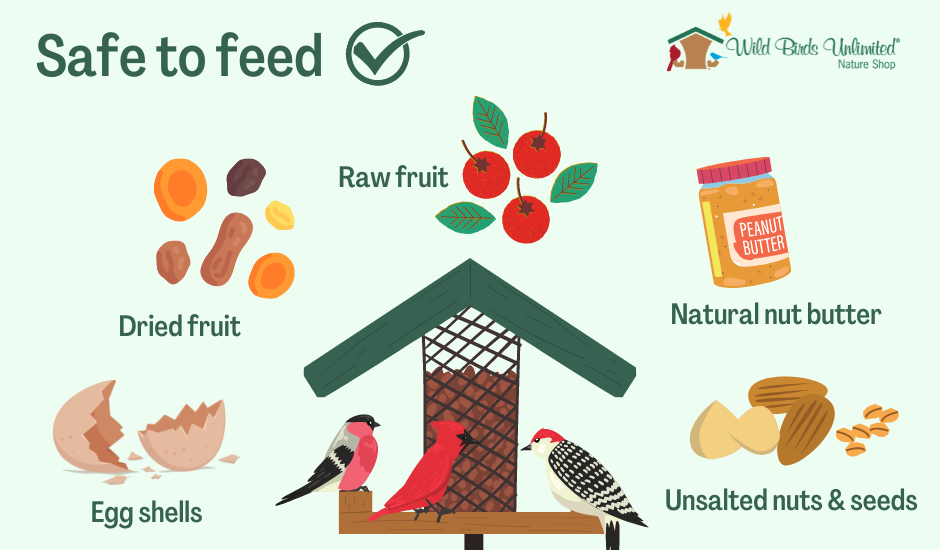
Birds need high-calorie foods in winter. Suet is a great choice. It provides fat and energy. Peanut butter is another option. It's rich in calories and easy to spread. Black-oil sunflower seeds are popular. They are high in fat and nutritious. Unsalted nuts offer protein and energy. They help birds stay warm during cold nights.
Feeder Placement And Maintenance
Place feeders in sheltered spots. This protects them from wind and snow. Near trees is ideal. They offer cover and safety for birds. Keep feeders clean and dry. Moisture leads to mold and bacteria. Regularly remove old food and debris. Check for damage often. Repair broken parts promptly. This ensures feeders are safe and effective.
Credit: naturenotesblog.blogspot.com
Selecting The Right Feeders
Feeding birds in your backyard can be a delightful experience, but choosing the right feeders is crucial for attracting diverse species. Not all birds eat in the same way or prefer the same type of feeder. By understanding the different types of feeders and considering their location and safety, you can create a welcoming environment for our feathered friends. Let’s dive into how you can make informed choices.
Types Of Feeders For Different Birds
Birds have varied feeding habits, so selecting feeders tailored to these preferences can enhance your birdwatching experience. Tube feeders are excellent for finches and sparrows, offering them easy access to seeds through small openings. Hopper feeders, with their generous seed capacity, attract larger birds like cardinals and blue jays.
Suet feeders are a hit among woodpeckers and nuthatches, providing them with the essential fats they crave. Platform feeders, on the other hand, cater to ground-feeding birds such as doves and juncos. Ever thought about a hummingbird feeder? These are specifically designed to offer sugary nectar, drawing in those beautiful, fluttering visitors.
Location And Safety Considerations
Where you place your feeder can significantly impact bird activity. Ideally, position feeders near natural cover like bushes or trees, offering birds a quick escape from predators. However, keep them at least five feet away from branches to discourage squirrels from raiding the seeds.
Safety is paramount. Ensure feeders are placed at a height that deters cats and other predators. Think about the cleanliness too—easy access for you to clean them regularly will prevent disease spread among birds. Have you ever noticed how birds avoid noisy areas? Placing feeders in quiet, calm spots can make them feel more secure.
Choosing feeders and their locations might seem straightforward, but these thoughtful considerations can transform your backyard into a bird haven. Are you ready to create a sanctuary for your avian visitors?
Common Feeding Mistakes
Feeding birds can be a joyful experience, but it's easy to make mistakes. Not all foods benefit birds. Some choices might harm them. Understanding common feeding errors helps ensure birds stay healthy. Proper feeding supports their energy, plumage, and overall well-being.
Avoiding Processed Foods
Processed foods seem convenient, but they're bad for birds. These foods often contain salt and sugar. Birds can't digest these additives. They lack essential nutrients birds need. Avoid bread, crackers, and snacks. Choose natural seeds and nuts. Fresh fruits are also good options.
Recognizing Signs Of Poor Diet
Birds show signs when their diet is off. Dull feathers may indicate nutrient deficiency. Lethargy is another warning. Birds might become less active. Observe their behavior closely. Weight loss can signal an unhealthy diet. Check for changes in eating habits. These signs suggest a need for diet adjustments.

Credit: homeandroost.co.uk
Creating A Bird-friendly Habitat
Feeding birds the right food creates a welcoming habitat. Offer seeds, nuts, and fruits to attract a variety. Ensure clean water is nearby for drinking and bathing.
Creating a bird-friendly habitat in your backyard can be a rewarding experience. Not only does it provide a safe haven for birds, but it also adds beauty and life to your outdoor space. By focusing on specific elements such as plants, shelter, and water, you can attract a variety of birds, transforming your garden into a thriving ecosystem.
Incorporating Native Plants
Native plants are key to attracting local bird species. They offer food, shelter, and nesting sites tailored to the needs of birds in your area. Consider planting berry-producing shrubs like elderberry or serviceberry. You might notice more birds visiting your garden as these plants mature. They not only provide nourishment but also contribute to the natural habitat birds are familiar with. Planting a mix of trees, shrubs, and flowers can create layers of vegetation, offering different species their preferred environments. A diverse plant selection ensures that your habitat supports a wide range of birds throughout the seasons.
Providing Shelter And Water Sources
Birds need shelter to rest and protect themselves from predators. Dense bushes or evergreens can offer safe hiding spots. You can also install birdhouses to encourage nesting. Water is another essential element. A birdbath or a small fountain can attract birds by providing them with a place to drink and bathe. Ensure that the water is clean and fresh, changing it regularly to prevent algae growth. You might be surprised at how quickly birds will start using these resources. Watching them splash around can be a delightful experience. It's a simple addition that makes your garden more inviting. Creating a bird-friendly habitat doesn't require a vast space or elaborate designs. Have you ever thought about how much life your garden could support with just a few thoughtful changes? Small efforts can make a big difference, turning your backyard into a vibrant sanctuary for our feathered friends.
Frequently Asked Questions
What Are The Best Seeds For Birds?
Sunflower seeds, millet, and safflower seeds are excellent choices. These seeds provide essential nutrients and attract a variety of birds. Black oil sunflower seeds, in particular, are highly favored by many bird species. Ensure the seeds are fresh and free from mold to keep the birds healthy.
Can Birds Eat Fruits And Vegetables?
Yes, birds can eat fruits and vegetables. Apples, bananas, and berries are great options. Vegetables like peas and corn are also suitable. Ensure fruits are pesticide-free and cut into small pieces. Avoid giving birds avocado, as it's harmful. Offer these foods alongside seeds for a balanced diet.
Is Bread Safe For Birds To Eat?
Bread is not recommended for birds. It lacks essential nutrients and can cause malnutrition. Feeding bread can lead to health problems in birds. Instead, offer them seeds, nuts, and fruits. These foods provide the necessary energy and nutrients. Always prioritize the birds' health when choosing their food.
How Often Should I Feed Wild Birds?
Feed wild birds daily, especially during winter. Birds need extra energy to survive cold temperatures. Consistent feeding helps them rely less on unpredictable natural sources. Provide fresh food and clean water daily. Regular feeding encourages birds to visit your garden, enhancing your bird-watching experience.
Conclusion
Feeding birds brings joy and life to your garden. Choose seeds, fruits, and nuts for variety. Birds need water too, so add a small dish. Avoid bread and salty foods; they harm birds. Change food regularly to keep it fresh.
Observe the birds' preferences and adjust accordingly. Feeding birds can be a peaceful and rewarding hobby. It connects you to nature and supports local wildlife. With these tips, you create a safe haven for your feathered friends. Enjoy watching them thrive.
And remember, a little effort makes a big difference. Keep your garden lively and welcoming for birds.