


Are you tired of watching squirrels raid your bird feeder, scaring away the beautiful feathered guests you hoped to attract? You're not alone.
Many bird enthusiasts face the same challenge. You carefully set up your feeder, fill it with top-quality seeds, and wait for the chirping joy to begin. But just as your favorite birds arrive, along come the squirrels, turning your peaceful birdwatching into a frustrating squirrel buffet.
These furry invaders are clever, persistent, and notorious for outsmarting even the most elaborate deterrents. But don't worry—there are effective strategies you can use to keep these acrobatic rodents at bay. Imagine a garden where your bird feeder is a safe haven, free from squirrel antics. With the right tips and tricks, you can make this vision a reality. Ready to discover how to protect your bird feeder and enjoy uninterrupted birdwatching bliss? Let's dive into the solutions that will make your bird feeder a squirrel-free zone.
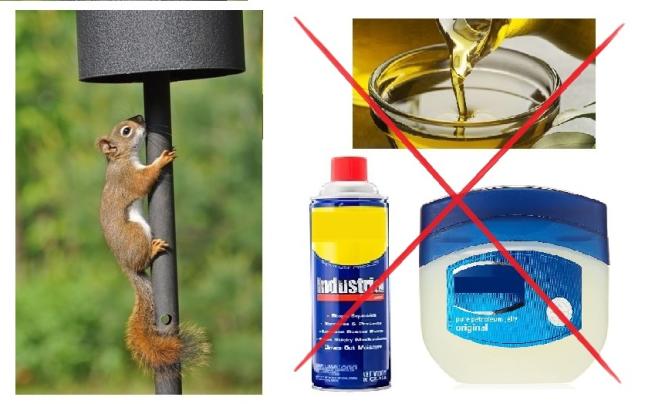
Credit: granger.wbu.com
Understanding Squirrel Behavior
Discovering squirrel habits can help keep them away from bird feeders. Install squirrel-proof feeders. Use spicy birdseed. Squirrels dislike it. Place feeders away from trees and fences. Distance matters. Regularly change feeder locations. Keeps squirrels guessing.
Understanding squirrel behavior is crucial if you want to keep them away from your bird feeder. Observing their actions and understanding their motivations can help you devise effective strategies. Let's dive into why squirrels are drawn to your bird feeder and what habits they exhibit.
Why Squirrels Target Bird Feeders
Squirrels are resourceful creatures, always on the lookout for food. Bird feeders offer an easy buffet of seeds and nuts, which are high in protein and fat. This makes them irresistible to squirrels, especially when natural food sources are scarce. Have you noticed how squirrels seem to appear out of nowhere as soon as you fill your feeder? They're highly alert and have excellent memory, often remembering where they've found food before. This means they can be persistent once they know your bird feeder is a reliable food source. If you've ever watched a squirrel in action, you'll know they're incredibly agile. They can leap great distances and climb almost any surface. This agility allows them to reach feeders even in the most challenging locations, making them a formidable opponent in your quest to protect the bird seed.
Common Squirrel Habits
Understanding common squirrel habits can give you the upper hand. Squirrels are most active during the early morning and late afternoon. By timing your bird feeder refills, you might reduce their visits. They are also creatures of habit. If they find a reliable food source, they will return to it repeatedly. Try moving your bird feeder to a different location periodically. This simple change can disrupt their routine and make it harder for them to locate the feeder. Squirrels are also highly social and communicate with each other. If one squirrel discovers your feeder, it's likely to invite others. This is why you might see more squirrels over time if you don't take action. By understanding these habits, you can develop a plan that keeps your bird feeder squirrel-free. Have you tried any unique methods to keep squirrels away? Share your strategies and see how others in your community are tackling this common problem.
Choosing The Right Bird Feeder
Bird feeders bring joy by attracting colorful birds to your garden. Yet, squirrels often spoil the fun by stealing the food. Choosing the right bird feeder can solve this problem. It keeps squirrels away while welcoming birds. Explore different designs and materials that deter these clever creatures.
Squirrel-proof Designs
Squirrel-proof bird feeders come in various clever designs. Some have weight-sensitive perches. When a squirrel lands, the perch closes access to the food. Others have cages around the seed tube. These cages allow small birds to enter while keeping squirrels out. Some feeders even spin when touched, making it hard for squirrels to cling.
Materials That Deter Squirrels
Choose feeders made of metal or heavy-duty plastic. These materials are tough for squirrels to chew through. Avoid wooden feeders as squirrels can gnaw them easily. Also, consider feeders with smooth surfaces. Squirrels find it hard to grip and climb smooth materials. This makes it difficult for them to reach the food.
Placement Strategies
Keeping squirrels off your bird feeder can be a real challenge. But with the right placement strategies, you can enjoy the sight of vibrant birds without the pesky squirrels stealing their food. Let's dive into practical tips for positioning your bird feeder effectively.
Ideal Locations For Bird Feeders
Bird feeders thrive in open spaces with clear visibility. Position your feeder in a location where you can easily observe the birds from a window. This not only offers you a great view but also deters squirrels, who prefer sneaky approaches.
Consider placing the feeder in your garden's center or near decorative plants. A friend's tip led me to place my feeder amid flower beds, creating a picturesque scene that birds loved. Have you thought about how your garden layout could impact feeder placement?
Safe Distances From Trees And Structures
Distance is your ally in squirrel prevention. Ensure your feeder is at least 10 feet away from trees and structures. Squirrels are nimble jumpers, and they can leap from branches or roofs.
When I moved my feeder further from the backyard oak tree, squirrel visits dropped dramatically. Think about how far your feeder is from potential squirrel launch pads. Could a few feet make a difference?
Using these placement strategies can enhance your bird-watching experience. Where will you position your feeder next for optimal bird visits and minimal squirrel interference?
Credit: www.theaudubonshop.com
Using Physical Barriers
Squirrels can be relentless in their quest for birdseed. Using physical barriers is an effective way to keep them away from your bird feeder. By employing a few strategic methods, you can ensure your feathered friends enjoy their meals in peace. Let's explore how to use physical barriers effectively.
Installing Baffles
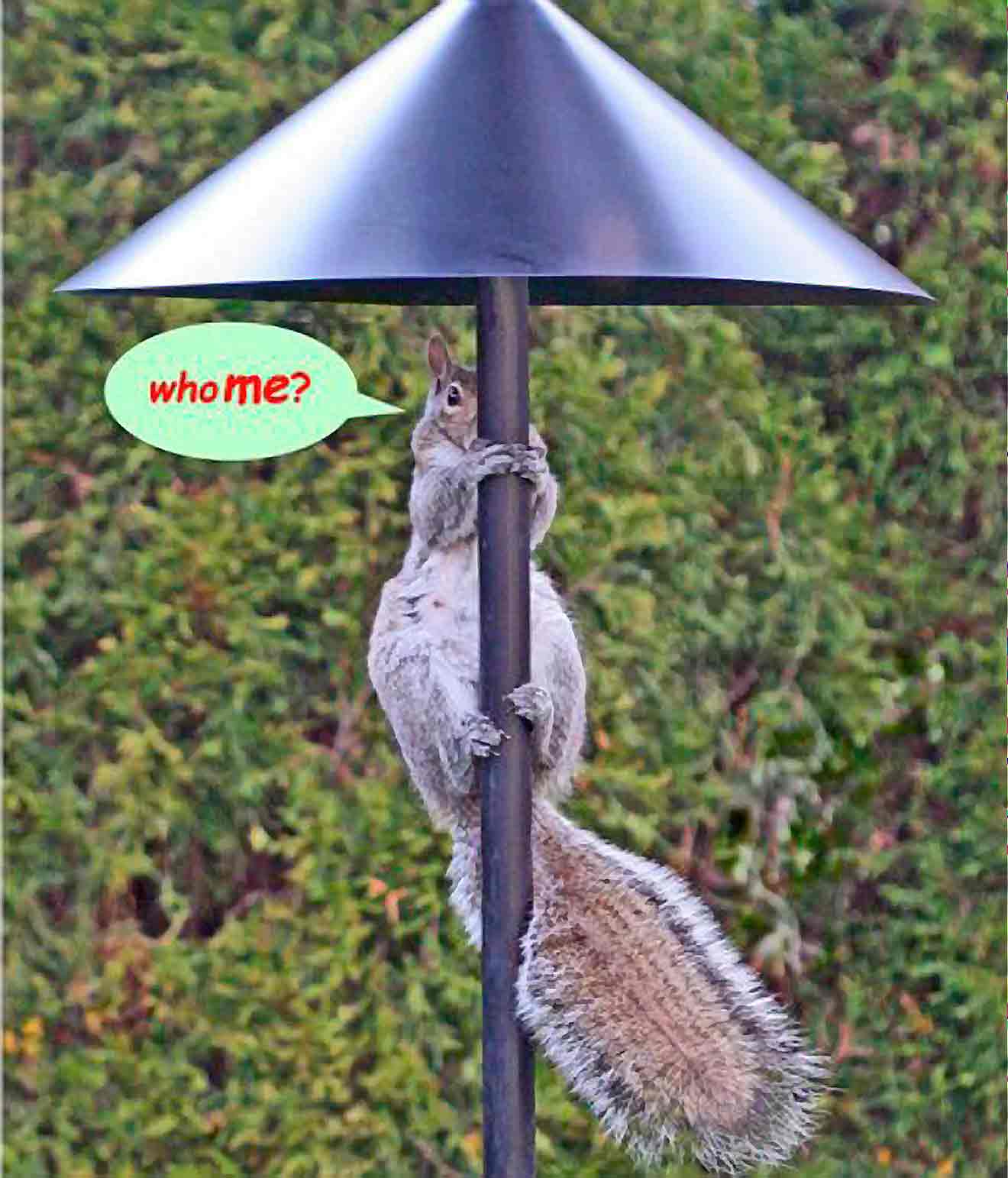
Baffles are a great option to deter squirrels. They are shields or guards placed above or below feeders. These barriers prevent squirrels from climbing or jumping onto the feeder. Dome-shaped baffles work well above feeders. They make it difficult for squirrels to reach the birdseed. You can use cylindrical baffles below feeders. These stop squirrels from climbing poles. Ensure the baffle is wide and smooth. This makes it harder for squirrels to grip.
Effective Use Of Mesh And Guards
Mesh and guards offer a solid defense against squirrels. Wire mesh can be wrapped around the feeder. It should be small enough to keep squirrels out but allow birds to feed. Guards can be installed along poles. This prevents squirrels from climbing up. Choose guards made of slippery materials. This makes it tough for squirrels to hold on. Mesh and guards are easy to install. They provide a physical barrier that squirrels struggle to overcome.
Natural Deterrents
Keep squirrels away from bird feeders using natural deterrents like spicy seeds or peppermint oil. Install baffles on feeder poles to block climbing. Ensure feeders are not close to trees or fences, preventing squirrels from jumping onto them.
Birdwatching is a delightful hobby that connects you with nature. However, having squirrels raid your bird feeder can be frustrating. You don’t need to resort to harsh methods or expensive gadgets to keep them away. Instead, try some natural deterrents that are both effective and eco-friendly. These solutions can help you maintain a squirrel-free zone while enjoying the beauty of your feathered friends.
Plants That Repel Squirrels
Did you know certain plants can deter squirrels? If you've got a green thumb, consider planting marigolds or daffodils around your bird feeder area. Squirrels dislike their strong smell and will steer clear of them. You might already have these plants in your garden. If so, reposition them closer to your feeder. This creates a natural barrier that squirrels tend to avoid. What other plants can you use? Mint is another excellent choice. Its pungent aroma is unappealing to squirrels. Plus, it's easy to grow and can be used in cooking!
Spicy Birdseed Mixes
Squirrels hate spicy food, but birds don’t mind it. Adding a bit of spice to your birdseed can be an effective deterrent. Consider mixing cayenne pepper with your birdseed. The spice will irritate squirrels but will be undetectable to birds. Have you tried making your own spicy mix? Experiment with adding different spices like chili powder or paprika. Adjust the level of spiciness depending on the squirrel activity you observe. Wondering how to apply the spice? Just a sprinkle over the birdseed should do the trick. Make sure to mix it well, so each seed is coated, keeping those pesky squirrels at bay.
High-tech Solutions
Bird watchers often face a common challenge: keeping squirrels away from bird feeders. Squirrels are clever and persistent creatures. High-tech solutions offer effective ways to deter these pesky invaders. These modern tools provide a variety of options, from motion-activated devices to electronic feeders.
Motion-activated Devices
Motion-activated devices detect movement near bird feeders. They use sensors to identify approaching squirrels. Once detected, the device activates to scare them away. Some devices emit harmless sounds. Others spray water. These actions startle squirrels without causing harm. This keeps the bird feeder safe for birds.
Electronic Feeders
Electronic feeders offer a smart way to feed birds. They operate with battery-powered mechanisms. These feeders have sensors that recognize bird weight. If a squirrel lands, the feeder spins or closes. This prevents squirrels from accessing food. Birds can feed without disturbances. This ensures the food reaches its intended recipients.
Maintaining A Squirrel-free Zone
Keep squirrels off bird feeders by using feeders with weight-sensitive perches. Install baffles above and below feeders. Place feeders away from trees and structures.
Maintaining a squirrel-free zone around your bird feeder can be challenging. Squirrels are persistent and clever. They find new ways to reach the seeds. By staying proactive, you can enjoy watching birds without interruptions. Here are some essential tips to help you keep squirrels at bay.
Regular Monitoring Tips
Check your bird feeder daily. Look for signs of squirrel activity. Are there scattered seeds on the ground? Check for chew marks on the feeder. These are clues. Act quickly to prevent further damage. Adjust your feeder's location if needed. Squirrels often use nearby branches to jump onto feeders. Trim branches to limit their access. Consider using a squirrel baffle. It creates a barrier they can't climb.
Adapting To Changing Squirrel Tactics
Squirrels are smart. They change their tactics often. Observe their behavior regularly. Notice any new tricks they use. Adapt your defenses accordingly. Rotate different types of feeders. This keeps squirrels guessing. Use feeders designed to close under a squirrel's weight. These feeders frustrate squirrels. Offer seeds that squirrels dislike. Use safflower seeds instead of sunflower seeds. Squirrels find them less appealing. By staying one step ahead, you can keep your bird feeder safe.

Credit: birdseedandbinoculars.com
Frequently Asked Questions
How To Stop Squirrels From Eating Bird Food?
To stop squirrels from eating bird food, use a squirrel-proof feeder. Place the feeder away from trees and fences. Adding a baffle or dome can prevent squirrels from reaching the feeder. Use spicy birdseed, as squirrels dislike the taste but birds are unaffected by it.
What Are The Best Squirrel-proof Feeders?
The best squirrel-proof feeders have weight-sensitive perches. These feeders close access when a heavy squirrel lands. Tube feeders with small holes can also deter squirrels. Look for feeders made from durable materials to withstand squirrel attempts.
Can I Use Cayenne Pepper In Birdseed?
Yes, you can use cayenne pepper in birdseed. Birds are not affected by the spice, but squirrels dislike it. Sprinkle a small amount on the birdseed. Ensure to mix it well for even distribution. Always use gloves when handling pepper to avoid irritation.
Are There Natural Deterrents For Squirrels?
Yes, natural deterrents include using peppermint oil. Squirrels dislike its strong smell. You can spray it around the feeder area. Planting daffodils and alliums can also help. Their smell deters squirrels from the area. Regularly changing deterrents can increase effectiveness.
Conclusion
Keeping squirrels away from bird feeders can be simple. Try using squirrel-proof feeders. These feeders make it hard for squirrels to reach the seeds. Place feeders in open spaces, away from trees. Squirrels love to jump from branches. Use spicy seeds that birds love but squirrels hate.
Capsaicin is safe for birds. Clean up fallen seeds from the ground. They attract squirrels. Remember, patience is key. Squirrels are clever but persistence works. Enjoy watching your birds return. They can now feed in peace. Simple steps make a big difference.
Happy bird watching!