


Imagine waking up one morning to the usual chirping chorus outside your window, only to notice that the familiar fluttering has started to fade. You might wonder, "What happens if I stop feeding birds?"
It’s a question that digs deep into the harmony of our natural surroundings and the delicate balance between nature and nurture. You’ve probably come to enjoy the colorful company of your feathered visitors, but what if your absence at the feeder changes their routine?
Understanding the impact of your choice can uncover surprising truths about their survival instincts and the environment around you. Stay with us as we explore what unfolds when the feeding stops, and why your role might be more crucial than you think.
Effects On Bird Health
Feeding birds can be a delightful pastime, but what happens if you suddenly stop? The effects on bird health can be surprising and significant. Birds that have grown accustomed to regular feeding might face various challenges. These challenges can impact their nutritional intake and alter their feeding behavior. Let's dive into the specifics and explore how your decision to stop feeding them can affect their well-being.
Nutritional Deficiencies
Birds rely on the food you provide for essential nutrients. If you stop feeding them, they may not immediately find alternative sources. This gap can lead to nutritional deficiencies, affecting their energy levels and overall health.
Consider a garden where birds have thrived on seeds and suet cakes. Suddenly removing these could leave them scrambling for substitutes. They might lack the protein, fats, and vitamins they need to maintain their vibrant plumage and active lifestyle.
Imagine how a change in diet could impact you. Birds face similar challenges. Without the right nutrients, their immune system may weaken, making them susceptible to diseases. It's a poignant reminder of how interconnected we are with nature.
Changes In Feeding Behavior
Birds adapt quickly, but sudden changes in their food supply can alter their behavior. They might become more aggressive, competing fiercely for limited resources.
Think about the sparrows that flock to your feeder. If the food disappears, they may start venturing further from their usual spots, risking encounters with predators or harsh weather. Their feeding patterns could shift drastically.
What if this change in behavior leads them to unsafe areas? Your feeder has provided a safe haven, and removing it might force them into less secure environments. It's worth considering the ripple effects of your decision.
Have you noticed birds becoming more resourceful when food is scarce? They might explore new areas and try different diets. This adaptability is remarkable but can come with risks, as they might ingest harmful substances or struggle to find adequate food.
Stopping bird feeding doesn't just impact the birds. It prompts us to reflect on our role in nature and the balance we maintain. How do these choices affect the ecosystem around us?
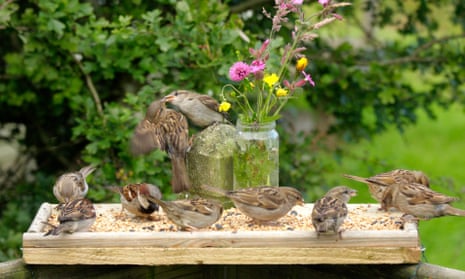
Credit: www.theguardian.com
Impact On Bird Populations
Feeding birds in your backyard can be delightful. It offers you a chance to observe nature up close. But stopping this activity has consequences. It can affect bird populations in different ways. Understanding these impacts helps in making informed decisions.
Migration Patterns
Birds often rely on consistent food sources. These sources guide their migration routes. Without regular feeding, birds may alter their paths. Some may struggle to find new food sources. This can lead to exhaustion and even starvation. In extreme cases, birds may not complete their journeys.
Breeding Success
Access to food influences breeding success. Birds need enough nutrition to produce healthy offspring. Stopping feeding disrupts their food supply. As a result, some birds may breed less. Others might not breed at all. Fewer young birds can mean a drop in local bird populations. This affects the balance of your local ecosystem.
Ecological Consequences
Stopping bird feeding can impact local ecosystems. Birds may struggle to find food, affecting their health and survival. Reduced bird numbers could disrupt pollination and seed dispersal, altering plant growth and biodiversity.
When you stop feeding birds, you might not immediately notice the ripple effects it creates in your backyard and beyond. The ecological consequences extend beyond just a few hungry birds. Your decision can alter the balance of local ecosystems and affect the dynamics between predators and prey. Understanding these changes can help you make informed choices about feeding our feathered friends.
Altered Ecosystems
Birds play a crucial role in maintaining the health of ecosystems. They help in seed dispersal, pollination, and pest control. When you stop feeding them, these functions can be disrupted. Imagine your garden, once vibrant with birds fluttering about, suddenly silent. Without birds to control insect populations, you might notice an increase in pests. This can lead to more damage to your plants and flowers. Moreover, seeds that birds could have spread may not reach new areas. This can affect plant diversity in your local environment. Consider whether your decision to stop feeding might impact your garden's health and beauty.
Predator-prey Dynamics
Birds are not just prey; they are also predators. They help keep the population of insects and other small creatures in check. When you stop feeding them, this delicate balance can shift. If birds move away in search of food, predators that rely on them, like hawks or owls, may also leave. This can lead to an increase in the populations of rodents or other pests. Think about the last time you saw a hawk gliding overhead. It was likely searching for its next meal among the smaller birds or rodents. Without a steady bird population, these predators might struggle to find food. Have you ever considered how your actions impact the broader food web? Your backyard is a small but important part of a larger ecological system. By understanding these dynamics, you can make choices that support both local wildlife and your garden's ecosystem.

Credit: 1440wrok.com
Behavioral Changes
Birds may alter their daily routines, seeking new food sources. They might explore different areas or adapt their feeding habits. Observing changes in bird behavior can offer insights into their survival strategies and resilience.
When you decide to stop feeding birds, you might notice a variety of behavioral changes in your feathered visitors. Birds can be quite adaptable, but their immediate reactions can offer some surprising insights. Understanding these changes can help you feel more connected to the natural world around you.
Increased Competition
Without the regular supply of food from your backyard, birds may face increased competition for natural resources. They might start gathering in larger numbers at fewer food sources, leading to more frequent disputes. Have you ever noticed birds squabbling over a piece of bread? This behavior could become more common as they adjust to the new availability of food. Birds will also likely extend their search for food to new areas. This might mean they start visiting other yards or natural areas they didn’t frequent before. It can be fascinating to see how their usual patterns change, almost like they’re redrawing their maps.
Adaptation Strategies
Birds are incredibly resourceful. When food becomes scarce, they develop new strategies to survive. Some might start exploring different types of food that they previously ignored. Have you ever seen a bird pecking at a fruit it once disregarded? That’s adaptation at work. Others might change their feeding times to avoid competition. Early mornings or late afternoons might become their new preferred times. This shift in behavior is a testament to their resilience and ingenuity. As you observe these changes, consider what it reveals about the birds in your area. Are they more adaptable than you thought? Watching their behavior evolve can offer a deeper appreciation for the delicate balance of nature right in your backyard.
Social And Ethical Considerations
Feeding birds has become a cherished activity for many people. It fosters connections between humans and wildlife. When this practice stops, social and ethical considerations arise. These considerations touch on relationships and morals.
Human-bird Relationships
Bird feeding creates bonds between humans and birds. People enjoy watching birds at feeders. Birds become accustomed to their human providers. Regular feeding makes birds reliant on human-supplied food sources. Without this food, birds may struggle to find natural sources. This change affects the dynamic between humans and birds. It shifts from interaction to independence.
Moral Implications
Stopping bird feeding raises moral questions. People often feel responsible for the birds they have fed. Ending this can lead to feelings of guilt. Birds that depend on feeders may face challenges. Finding food in urban areas can be difficult. This situation prompts reflection on human responsibilities. Is it ethical to stop feeding once begun? People must consider these moral implications.

Credit: www.birdwatchingdaily.com
Alternative Feeding Solutions
Birds may struggle to find food if you stop feeding them. Some birds can adapt by seeking other sources, but others might face challenges. Keeping feeders full supports their survival, especially during colder months when natural food is scarce. Alternative solutions like planting native flowers can help birds find food naturally.
Feeding birds can be a rewarding experience, but you might be wondering what happens if you stop. It's important to consider alternative feeding solutions that can help support your feathered friends. Let's explore how you can continue to provide for the birds without relying solely on traditional bird feeders.
Natural Food Sources
Birds are resourceful and have been finding their own food for centuries. You can encourage them to do this by creating an environment rich in natural food sources. Planting native shrubs and trees that produce berries or seeds can attract various bird species. Think about the insects in your garden. Birds love them! Avoid using pesticides that might reduce this natural food supply. Maintaining a healthy ecosystem in your backyard ensures birds have a reliable source of food.
Sustainable Feeding Practices
If you still want to offer some extra help, consider sustainable feeding practices. You can make homemade suet using kitchen scraps like bacon fat mixed with seeds. This not only reduces waste but also provides high-energy food. Try setting up a compost area. Birds can forage there for worms and other tasty treats. It’s a win-win; you keep your garden waste down, and birds get a feast. Have you ever thought about how your actions impact bird populations? Small changes can have significant effects. Making conscious decisions about feeding can lead to a healthier and more sustainable environment for both birds and humans alike. Your backyard can become a haven for birds even if you're not actively feeding them. What will you choose to do next to support your local wildlife?
Frequently Asked Questions
Do Birds Suffer If I Stop Feeding Them?
Birds can adapt to changes in food availability. They will seek natural food sources. However, sudden changes can cause temporary stress. It's best to reduce feeding gradually. This allows birds time to adjust to natural food sources.
Will Stopping Feeding Affect Bird Migration?
Feeding doesn't significantly impact migration patterns. Birds rely on internal instincts and environmental cues for migration. However, food availability can influence local bird populations. Supplementary feeding can help during harsh weather conditions, supporting weaker birds.
Can Bird Feeders Increase Dependency?
Birds generally do not become dependent on feeders. They still forage naturally. Feeders provide supplementary food, especially in winter. It is important to ensure feeders are clean and safe. This helps prevent disease and supports bird health.
How To Transition Away From Feeding Birds?
Gradually reduce the amount of food over weeks. This helps birds adjust to natural food sources. Ensure your garden provides natural habitats. Plant native flowers and shrubs to attract insects and seeds. This creates a sustainable environment for birds.
Conclusion
Stopping bird feeding can affect local bird populations. Birds rely on food sources, especially in winter. They may struggle to find food elsewhere. This could lead to fewer birds visiting your area. It's important to consider their needs. Consistent feeding supports their survival and health.
If you decide to stop, do so gradually. This gives birds time to adjust. Providing natural food sources in your garden can help. Think about planting bird-friendly plants. Your choices impact local wildlife. Consider what's best for the birds around you.
Your small actions make a big difference.