


Have you ever wondered if it's safe to feed rice to the birds in your backyard? You're not alone.
Many bird lovers and enthusiasts often ponder this very question. Feeding birds can be a delightful way to connect with nature, but it's crucial to know what foods are safe for them. Imagine the joy of watching your feathered friends fluttering around, happily pecking at the food you've provided.
But the thought of unintentionally harming them might hold you back. Don't let uncertainty stop you from enjoying this simple pleasure. We'll unravel the mystery surrounding rice as bird food, giving you peace of mind and ensuring your avian visitors are happy and healthy. Stay with us as we explore the ins and outs of feeding rice to birds, and transform your backyard into a bird's paradise.
Birds And Rice: Common Myths
Feeding birds rice often sparks concern due to myths about its safety. Cooked rice is safe for birds, providing a nutritious snack without causing harm. Uncooked rice is often misunderstood, but studies show it doesn't expand in birds' stomachs.
Feeding birds is a delightful way to connect with nature and support wildlife in your area. But what about rice? You may have heard conflicting advice on whether it's safe for our feathered friends. Let's debunk some common myths surrounding birds and rice.
Myth 1: Rice Causes Birds To Explode
A popular myth suggests that uncooked rice can expand in a bird's stomach, causing it to explode. This myth is not only dramatic but also false. Birds, especially those in the wild, have digestive systems capable of handling a variety of grains and seeds, including rice. Remember the last time you saw birds feasting on fields? They often eat leftover rice grains without any harm.
Myth 2: Rice Is Nutritionally Void For Birds
Some believe rice offers no nutritional value to birds. While rice may not be a complete diet, it does provide carbohydrates that can give birds energy, especially during migration. Next time you have some leftover cooked rice, consider it a small treat for your backyard visitors.
Myth 3: Only Cooked Rice Is Safe
The idea that only cooked rice is safe for birds is a common misconception. Both cooked and uncooked rice can be part of a bird's diet. If you offer cooked rice, ensure it's plain, without salt or seasoning. This practice keeps their diet as close to natural as possible.
Myth 4: Birds Won't Eat Rice
Some people claim that birds won’t touch rice. However, if you've ever tossed rice at a wedding or seen birds in a rice field, you know this isn't true. Birds like sparrows and pigeons often enjoy rice, making it a viable option for feeding.
Myth 5: Rice Attracts Unwanted Pests
Worried about pests like rats when feeding rice to birds? While food can attract pests, maintaining a clean feeding area minimizes this risk. Use feeders with trays to catch spilled rice and clean them regularly. This way, you can keep your feathered visitors happy without inviting unwanted guests.
Personal Insight: My Backyard Experience
I once hesitated to feed rice to the birds visiting my garden due to these myths. Curious, I decided to try it out. To my surprise, the sparrows, pigeons, and even the occasional crow seemed to relish the small rice offerings. It was a learning moment that not only debunked myths but also enriched my understanding of bird diets. Have you considered adding rice to your bird-feeding routine? Understanding these myths can help you make informed choices, ensuring your avian neighbors enjoy a safe and varied diet.
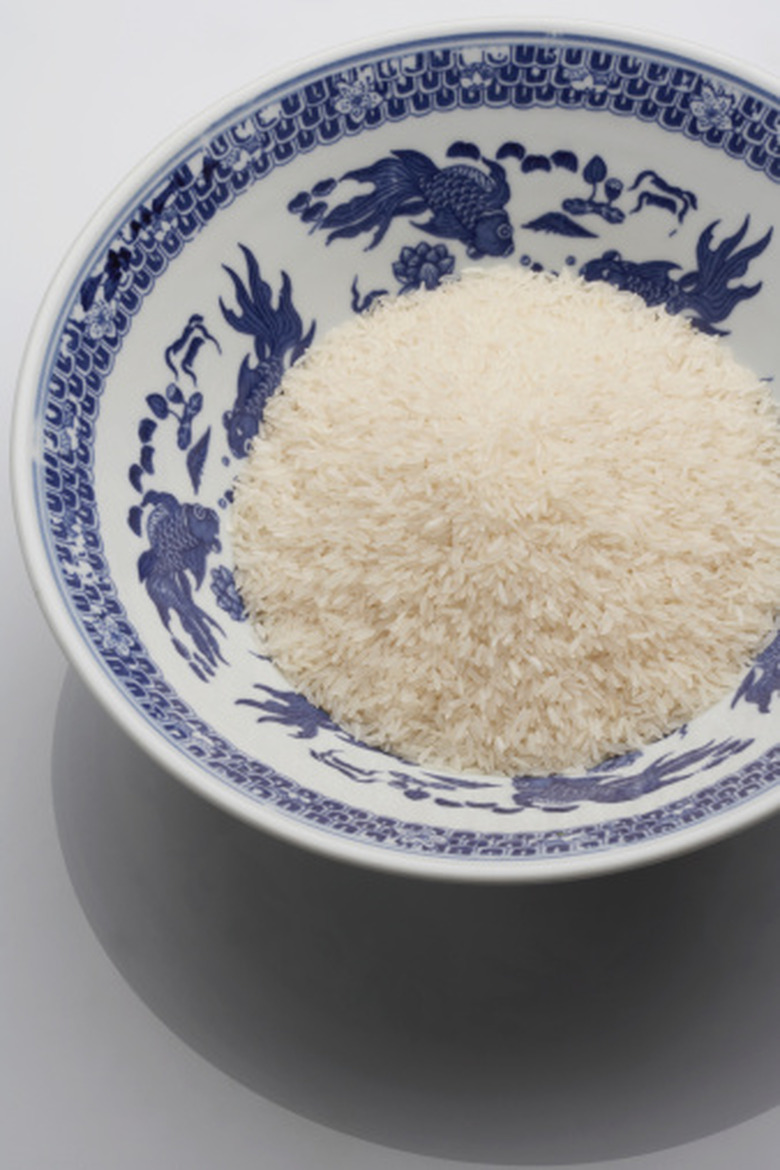
Credit: www.sciencing.com
Nutritional Value Of Rice For Birds
Birds can safely eat rice in moderation. It provides essential carbohydrates for energy. Ensure it's cooked and unseasoned for easy digestion.
Feeding birds in your backyard can be a rewarding experience, but it's essential to consider what food is best for them. Rice often raises questions among bird enthusiasts. Is it safe? Does it provide any nutritional benefits? Let's take a closer look at the nutritional value of rice for birds and uncover what it might offer to our feathered friends.
Carbohydrates: A Source Of Energy
Rice is rich in carbohydrates, making it a quick energy source. Birds, especially those in the wild, require energy to fly, forage, and maintain their body temperature. Offering rice can help them replenish their energy reserves, particularly during colder months or migration periods. However, balance is crucial. Too much rice might lead them to overlook other essential foods.
Proteins: Building Blocks For Birds
Though rice is not a significant protein source, it does contain some. Proteins are essential for bird growth, feather health, and overall vitality. Including rice in a bird’s diet can contribute to their protein intake but should be part of a varied diet. Have you ever noticed how birds at your feeder seem more vibrant when they have diverse food options?
Vitamins And Minerals: The Missing Elements?
Rice lacks many of the vitamins and minerals that birds need for optimal health. For instance, it doesn't provide calcium, which is crucial for bone strength and eggshell formation. Consider supplementing rice with seeds, nuts, or fruits that offer a broader nutrient profile. What diverse foods can you add to your feeder to ensure the birds are getting a balanced diet?
Brown Vs. White Rice: Is There A Difference?
Brown rice is often hailed as the healthier choice for humans, and the same logic applies to birds. It contains more fiber and retains more nutrients because it is less processed than white rice. If you choose to feed birds rice, opting for brown rice might be a better option. Have you ever tried offering brown rice to see if the birds prefer it?
Quantity And Preparation: How Much Is Too Much?
It's essential to consider how much rice you’re providing and how it’s prepared. Cooked rice is generally better as it’s easier for birds to digest. However, limit the quantity to avoid filling them up on rice alone. Just like you wouldn't want to eat only rice every day, birds need variety too. How can you ensure your bird visitors are getting a diverse and nutritious diet? Feeding rice to birds can be part of a balanced diet, but it shouldn't be their only food source. By considering these nutritional aspects, you can help maintain the health and well-being of your feathered visitors. So, what's your strategy for ensuring the birds in your backyard get a well-rounded meal?
Types Of Rice Suitable For Birds
Feeding birds is a delightful activity for many nature enthusiasts. Choosing the right type of rice for birds is crucial. Different types of rice offer varied nutritional benefits. Birds can enjoy rice, but not all types suit them. Knowing which rice to offer can make a difference in their health and happiness.
White Rice
White rice is safe for birds. It is easy for them to digest. This type of rice provides energy due to its carbohydrate content. Cooked white rice is softer and easier for birds to eat. Ensure it's plain, without added salt or spices. White rice can be a quick energy boost for birds. It's a convenient choice for feeding in moderation.
Brown Rice
Brown rice is a healthier option for birds. It retains more nutrients than white rice. The outer layer of brown rice offers fiber and vitamins. Birds benefit from its natural state. Cooked brown rice is easier for birds to consume. It provides long-lasting energy and nutrition. Offer brown rice occasionally to keep bird diets balanced.
Wild Rice
Wild rice is not true rice, but birds can eat it. It is rich in protein and fiber. Wild rice offers a unique blend of nutrients for birds. Its nutty flavor might attract more bird species. Cook it properly to ensure easy digestion. Wild rice can enhance a bird's diet with essential nutrients. It's a great choice for those feeding wild birds.

Credit: avianreport.com
Preparation Tips For Feeding Rice
Feeding rice to birds can be a thoughtful way to nourish them. Rice offers essential nutrients, but proper preparation is crucial. Ensuring rice is safe and appealing for birds requires careful consideration. Let's explore how to prepare rice effectively.
Cooking Vs. Raw Rice
Cooked rice is safer for birds. Cooking softens the grains, making them easier to digest. Raw rice can swell inside a bird's stomach. This can cause discomfort or harm. Boil rice until it's fully cooked. Avoid adding salt or spices. Plain rice is best.
Mixing With Other Foods
Mix rice with seeds or grains. Birds enjoy variety in their diet. Combining rice with other foods enhances nutrition. Offer a balanced mix in feeders. Include small pieces of fruit or vegetables. This adds color and flavor. Birds are attracted to diverse meals.
Potential Risks Of Feeding Rice
Feeding birds rice may cause digestive issues, especially if uncooked. It swells in their stomachs, potentially harming them. Cooked rice, though safer, can attract pests and mold if left uneaten.
Feeding birds might seem like a simple act of kindness, yet some foods can pose potential risks. Rice, often considered a safe choice, might not always be beneficial. By understanding these risks, you can make informed decisions about what to offer your feathered friends. Let's delve into the potential problems that can arise when feeding rice to birds.
Digestive Issues
Birds have different digestive systems compared to humans. Rice can sometimes lead to digestive troubles, especially if given in large quantities. You might notice birds appearing sluggish or less active. This could be a sign of indigestion. Have you ever felt a stomach discomfort after eating too much? Birds can experience similar issues, leading to discomfort and health problems.
Allergic Reactions
Just like humans, birds can be allergic to certain foods. Rice might trigger allergies in some species. Imagine offering rice and seeing birds avoiding it or showing signs of distress. It's a clear indicator that something isn't right. Pay attention to any unusual behaviors after feeding rice. Sneezing, coughing, or excessive scratching might suggest an allergic response. By being aware of these risks, you can ensure the well-being of the birds you feed. Would you want your act of kindness to inadvertently cause harm? Understanding these nuances can help you make better choices.
Alternatives To Rice For Bird Feeding
Feeding birds rice is a common practice. But some people worry it may harm them. Fortunately, there are many safe alternatives to rice. These options provide better nutrition for birds. They help attract a variety of species to your garden. Discover healthier choices for your feathered friends below.
Seeds And Grains
Seeds are a favorite among birds. Sunflower seeds are popular and nutritious. They are rich in fats and proteins. Millet and safflower seeds are also great choices. They attract different bird species. Oats and cracked corn are excellent grain options. They provide energy and are easy to digest. Mixing seeds and grains can create a balanced diet.
Fruits And Vegetables
Birds enjoy fruits for their natural sugars. Apples and berries are nutritious and tasty. Cut them into small pieces for easy eating. Grapes are also appealing to birds. Vegetables offer essential vitamins and minerals. Peas and carrots are good choices. They are rich in nutrients and easy to prepare. Ensure fruits and veggies are fresh and clean before serving.
Best Practices For Bird Feeding
Feeding birds can be a delightful activity, connecting you with nature and supporting local wildlife. However, it’s crucial to follow best practices to ensure the health and well-being of your feathered friends. You might wonder if feeding birds rice is safe and how to integrate it into their diet responsibly. Let’s dive into the essential practices for bird feeding.
Ensuring A Balanced Diet
A balanced diet is vital for birds, just like it is for humans. Rice can be a part of this diet, but it should not be the sole component. Birds require a mix of seeds, grains, and nuts to meet their nutritional needs.
Consider the types of birds in your area. Different species have unique dietary requirements. Offer a variety of food options to cater to these diverse needs.
Include fruits and vegetables. These provide essential vitamins and minerals, supporting birds' health and vitality. You might be surprised at how much birds enjoy nibbling on apple slices or leafy greens!
Avoiding Overfeeding
Overfeeding can harm birds. It may lead to dependency, reducing their natural foraging instincts. You wouldn’t want to disrupt their ability to find food naturally.
Provide food in moderation. A small amount daily is often enough. Observe the birds’ eating habits to gauge the right quantity.
Rotate feeding locations. This prevents overcrowding and encourages birds to explore different areas, stimulating their natural behaviors.
Think about your role in the birds' lives. How can you support them without overwhelming them? It's a delicate balance, but achievable with mindful practices.
Bird feeding is a wonderful way to connect with nature. By ensuring a balanced diet and avoiding overfeeding, you contribute positively to the ecosystem. Remember, your small efforts can have a big impact on the wildlife around you.
Expert Opinions On Feeding Rice To Birds
Feeding birds rice sparks curiosity among bird enthusiasts. Some worry rice harms birds. Others believe birds enjoy rice without issues. Expert opinions offer clarity.
Can Birds Digest Rice?
Bird experts say birds can digest rice. Wild birds often eat grains like rice. Their digestive systems handle these foods efficiently. Rice expands in water. Birds eat dry rice. Thus, digestion works well.
Rice offers carbohydrates, providing energy for birds. It lacks protein and vitamins. A balanced diet is important. Birds need variety for good health. Rice can be a part, but not the whole diet.
Both white and brown rice are safe for birds. Brown rice has more nutrients. It contains fiber and minerals. Cooked rice is easier for birds to eat. Avoid adding salt or spices.
Safe Feeding Practices
Feed rice in moderation. Avoid large quantities. Mix rice with seeds or fruits. Ensure birds receive diverse nutrients. Clean feeding areas regularly to prevent disease. Watch for signs of discomfort in birds.
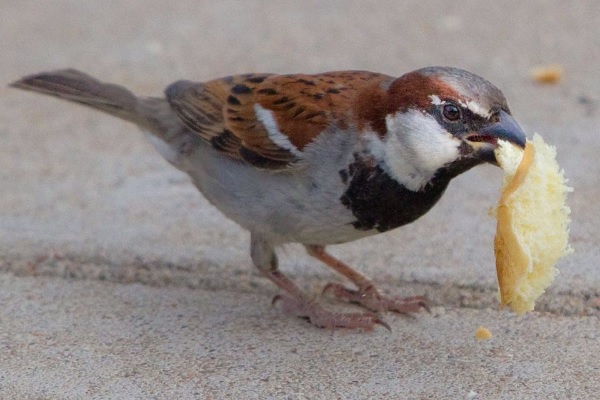
Credit: www.reallywildbirdfood.co.uk
Frequently Asked Questions
Is Feeding Rice To Birds Safe?
Feeding rice to birds is generally safe. Cooked rice is easier for birds to digest than uncooked rice. However, it's best to offer it in moderation. Ensure the rice is plain without any added salt or spices. Always provide a balanced diet alongside rice for optimal bird health.
Can Uncooked Rice Harm Birds?
Uncooked rice is not harmful to birds. Many birds can digest uncooked rice without any issues. However, some people believe it can expand in their stomachs, which is a myth. To be cautious, you can soak or cook the rice before offering it to birds.
Do Birds Like Eating Rice?
Yes, many birds enjoy eating rice. Both cooked and uncooked rice can be appealing to a variety of bird species. Birds like sparrows, pigeons, and doves often find rice palatable. Offering rice can attract a diverse range of birds to your backyard.
What Type Of Rice Is Best For Birds?
White and brown rice are both suitable for birds. Brown rice offers more nutrients due to its whole grain nature. Ensure the rice is plain and free from additives. Avoid seasoned or fried rice, as these can be unhealthy for birds.
Conclusion
Feeding birds rice is generally safe. Cooked rice is easier to digest. Avoid adding salt or spices. Birds enjoy variety in their diet. Mix rice with seeds or fruits. Monitor bird health regularly. If unsure, consult a local wildlife expert.
They provide the best advice. Remember, moderation is key. Overfeeding can harm birds. Creating a balanced diet helps them thrive. Enjoy watching healthy birds visit your garden. Their presence brings joy and life. Happy bird-watching!