


Imagine waking up to the cheerful songs of birds right outside your window. A handmade bird feeder can turn this dream into a reality.
Not only does it offer you the joy of watching vibrant birds flitting around, but it also provides them with essential nourishment. Making your own bird feeder is easier than you think, and it’s a fantastic way to connect with nature, right from your backyard.
Plus, it’s a fun and rewarding project that you can enjoy solo or with family. Dive into this guide, and discover how you can create a welcoming haven for your feathered friends. Your garden will soon become their favorite spot, and your mornings will be brighter for it. Ready to start? Let's get crafting!
Materials Needed
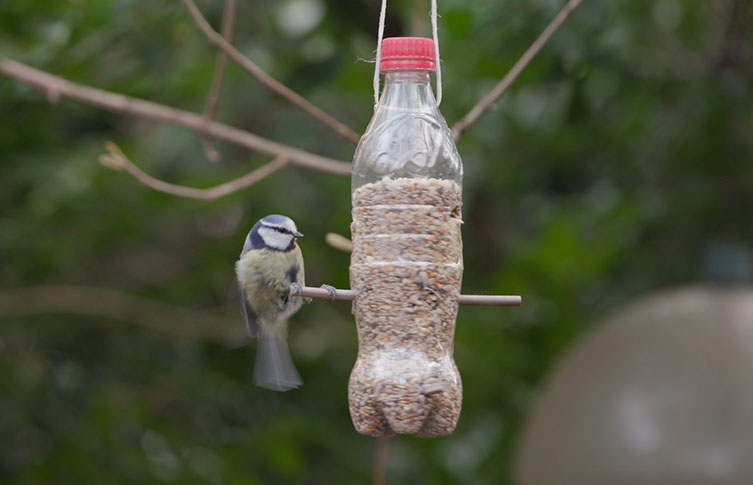
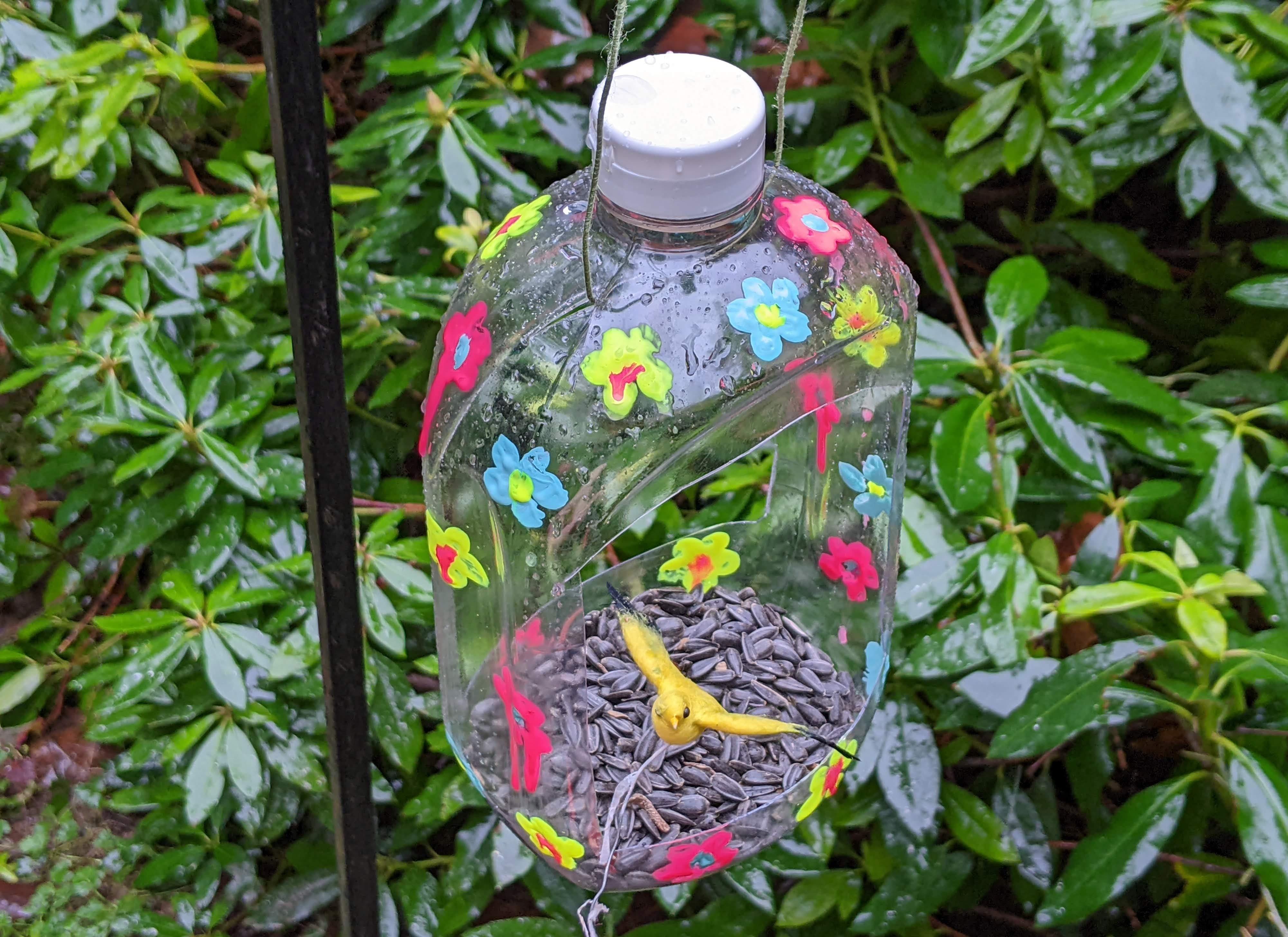
Creating a bird feeder requires simple items. Gather a plastic bottle, twine, scissors, and birdseed. These materials help attract colorful birds to your garden.
Creating a bird feeder is a delightful project that brings nature closer to your home. To start, gathering the right materials is crucial. This ensures your feeder is sturdy, safe, and attractive to birds. Let's explore the essentials you'll need to craft the perfect bird haven.
Wood And Tools
Building a bird feeder begins with selecting the right wood. Opt for weather-resistant types like cedar or pine, which can withstand rain and sun. You'll also need basic tools such as a saw, hammer, and nails. These will help you cut and assemble the wood pieces. If you're new to woodworking, consider using pre-cut pieces to simplify the process.
Bird-friendly Supplies
Birds appreciate feeders that cater to their dietary needs. Stock up on various seeds like sunflower, millet, and corn. These attract a wide range of birds, from sparrows to cardinals. You might want to include a water dish to provide hydration. Ensure all supplies are fresh and free from mold. Have you ever noticed how quickly birds flock to fresh seeds? It's because they recognize quality.
Decorative Elements
Adding decorative touches enhances the visual appeal of your bird feeder. Consider painting the wood in vibrant colors or natural tones. You can also attach small ornaments or hang wind chimes nearby. These elements not only beautify your garden but also invite curious birds to explore. Remember, your creativity has the power to transform a simple feeder into a garden centerpiece. What unique materials will you choose for your bird feeder?
Choosing The Right Design
Creating a bird feeder is a delightful way to invite nature into your backyard. It's essential to choose the right design to ensure your feathered friends enjoy their meals safely and comfortably. The design you choose can influence the variety of birds that visit and how often they return. Let's explore how to select the perfect bird feeder for your outdoor sanctuary.
Types Of Bird Feeders
There are several types of bird feeders, each catering to different bird species. Tube feeders are popular for small birds like finches and sparrows. They are easy to clean and refill, making them a favorite choice for many enthusiasts. Platform feeders offer versatility by accommodating a mix of seeds, attracting both ground feeders and perching birds. If you want to attract hummingbirds, consider a specialized nectar feeder. Think about which birds you’d like to attract and select a feeder accordingly.
Considerations For Local Birds
Understanding your local bird population is crucial. Different regions host diverse bird species, each with unique feeding habits. Observe the birds in your area or consult local birdwatching groups to identify common visitors. For example, if your area is home to cardinals, opt for feeders that can accommodate larger birds. Knowing your local birds helps you make informed decisions about the type and placement of your feeder.
Size And Shape Options
Size matters when it comes to bird feeders. Larger feeders can accommodate more birds, reducing competition and ensuring more birds are fed. However, they may require more frequent cleaning and refilling. Smaller feeders can be ideal for limited spaces but may only attract specific bird species. Consider the space in your yard and the types of birds you wish to attract.
Shape also plays a role in the functionality and aesthetic appeal of your feeder. Cylindrical feeders are great for tube-style designs, while square or rectangular feeders offer more stability. Unique shapes can add a decorative touch to your garden, but ensure they are practical for the birds. Ask yourself, how will the shape impact the ease of access for birds? Practicality should guide your choice.
Choosing the right bird feeder design is about balancing aesthetics and functionality. Your choice influences which birds visit and how they feed. Engage with the process and watch your backyard transform into a lively bird haven!
Step-by-step Construction
Crafting a bird feeder can be a delightful project. Gather materials like wood, nails, and a hammer. Assemble the pieces thoughtfully, ensuring stability for the birds. Attach a perch and fill with seeds. Enjoy watching colorful visitors flock to your creation.
Building a bird feeder is a rewarding experience that invites a variety of feathered friends to your garden. It’s a simple project that can be tackled with some basic tools and materials you might already have at home. Let's dive into the step-by-step construction of a bird feeder, where I'll guide you through cutting and assembling the pieces, securing them, and finally adding perches and feeding areas.
Cutting And Assembly
Begin by deciding the type of bird feeder you want to create. A simple wooden feeder is a great start. You’ll need a few pieces of wood: a backboard, a bottom tray, and two side panels. Cut these pieces using a saw, ensuring each piece is smooth and splinter-free. Remember, precision in your cuts will make assembly easier and sturdier. Assemble the pieces with the bottom tray connected to the side panels, and attach the backboard to form a sturdy frame. This is where your creativity can shine. You might want to add a sloping roof for charm and protection from the elements.
Securing Parts
Once you have the basic frame, it’s time to secure the parts. Use wood glue to attach the pieces, then reinforce them with screws or nails. This ensures your feeder withstands the test of time and weather. Double-check the stability of each joint. The last thing you want is a wobbly feeder that might collapse. Consider adding a waterproof sealant to protect the wood from rain and snow. This extra step prolongs the life of your feeder and keeps it looking fresh.
Adding Perches And Feed Areas
Perches are essential for birds to land comfortably while feeding. A simple way to add perches is by attaching small dowels or sticks to the sides of the feeder. You might remember a time when a simple perch transformed a hesitant visitor into a regular diner. This small detail can make a big difference in attracting more birds. Creating a feeding area is the final touch. Ensure there’s enough space for seeds or other bird food, and consider adding a small lip around the edge to keep the food from spilling out. Does your feeder have a unique design or color? Share your creations with others and inspire them to build their own. Who knows, you might discover a new favorite hobby while helping the local bird population thrive.
Finishing Touches
Finishing touches give your bird feeder a unique flair. They enhance its appeal and durability. These final steps ensure your feeder stands out and lasts longer. Let's explore some creative ideas to perfect your bird feeder.
Painting And Sealing
Painting adds color and personality to your bird feeder. Choose non-toxic, waterproof paint. This protects the feeder and is safe for birds. Apply a primer before painting. This helps the paint adhere better. After painting, seal the feeder with a clear coat. This prevents peeling and protects against moisture.
Adding Decorative Features
Decorative features make your bird feeder eye-catching. Attach colorful beads or buttons. Use natural elements like twigs or pinecones. These add texture and charm. Create patterns with stencils or stickers. Ensure all decorations are securely attached. This prevents them from falling off.
Ensuring Weather Resistance
Weather resistance is crucial for outdoor bird feeders. Use weatherproof materials like plastic or treated wood. Ensure all parts are tightly fastened. This keeps rain and wind from damaging the feeder. Apply a water-repellent sealant. This adds an extra layer of protection. Regularly inspect the feeder for wear and tear. This helps maintain its durability over time.
Placement And Installation
Creating a bird feeder is a rewarding project for nature enthusiasts. Correct placement and installation ensure your feeder attracts many birds. Choose the right spot and secure your feeder properly. This enhances bird safety and viewing pleasure.
Ideal Locations
Place your bird feeder where you can easily see it. Near a window is ideal for bird watching. Ensure it's away from predators like cats. Birds need a safe space to eat and rest. Avoid placing feeders too close to busy areas. Birds prefer quiet spots without frequent disturbances.
Mounting Techniques
Secure your feeder using sturdy hooks or poles. Use strong materials to prevent the feeder from falling. Hanging feeders should be well-balanced. Pole-mounted feeders should be fixed firmly in the ground. Consider wind direction and strength when mounting. Proper mounting ensures the feeder stays in place during storms.
Safety Considerations
Safety for birds and people is crucial. Ensure the feeder has no sharp edges. Keep it clean to prevent mold and disease. Regularly check for damage and repair promptly. Place feeders at a safe height from predators. Avoid using harmful chemicals near the feeder. Bird safety ensures a thriving, healthy environment.
Credit: www.nhm.ac.uk
Maintenance Tips
Creating a bird feeder requires regular upkeep to ensure longevity. Clean it weekly to prevent mold and bacteria. Refill with fresh seeds to attract birds and check for any damage.
Maintaining your bird feeder ensures it stays in top condition. Proper care attracts more birds and keeps them healthy. Regular upkeep prevents mold and debris buildup. Here, you'll find essential tips to maintain your bird feeder.
Cleaning Schedule
Clean your bird feeder every two weeks. Use warm water and mild soap. Rinse thoroughly to remove soap residue. Dry completely before refilling. This prevents mold and bacteria. In wet weather, clean weekly. Wet seeds can spoil quickly. A clean feeder attracts more birds.
Refilling Strategies
Check your feeder daily for seed levels. Refill before it's completely empty. Fresh seeds keep birds coming back. Use a funnel to avoid spillage. Store extra seeds in a cool, dry place. This keeps them fresh longer. Rotate the seeds to use the oldest first.
Monitoring For Wear And Tear
Inspect your feeder regularly for damage. Look for cracks or sharp edges. Replace broken parts immediately. Check for rust on metal feeders. A damaged feeder can harm birds. Tighten loose screws or fasteners. Ensure the feeder hangs securely. A secure feeder withstands wind and weather.
Attracting Birds
Crafting a bird feeder is a simple way to welcome feathered friends. Use recycled materials like plastic bottles or wood. Fill it with seeds, and hang it in a quiet garden spot. Birds will flock to your yard, offering delightful sights and sounds.
Attracting birds to your garden can transform your outdoor space into a vibrant haven filled with the delightful chirping of our feathered friends. Creating a bird feeder is just the first step. The key is to make your garden irresistible to birds by catering to their preferences and needs.
Selecting Bird Food
Choosing the right bird food is essential. Different bird species have different preferences. Sunflower seeds are a favorite among many, but you might also consider peanuts or suet for those cold winter months. I once noticed a dramatic increase in visits to my feeder after switching from mixed seeds to black oil sunflower seeds. It was like hosting a popular party where everyone wanted to be! Keep your bird food fresh and dry. Spoiled food can deter birds and may even harm them. Try using a covered feeder or place it in a sheltered spot.
Creating A Bird-friendly Environment
Your garden should feel like a safe haven for birds. Provide shelter through bushes or trees where birds can perch and hide from predators. Water is another essential element; a birdbath can be a great attraction. I remember setting up a simple birdbath and watching as more birds visited, splashing around and creating a lively scene. It was as if they brought their friends along! Think about the layout. Birds are more likely to visit a feeder if they feel secure. Place your feeder near shrubs or trees, so they have an escape route, but far enough to avoid ambush from cats.
Using Sounds And Signals
Have you ever wondered how to make your garden even more appealing? Birds are attracted by sounds. Consider using a small water fountain to create a gentle bubbling noise. I once placed wind chimes in my garden, and to my surprise, the melodious sounds seemed to invite even more birds. It was as if the music was their signal to come explore. Visual signals can also help. Brightly colored feeders or garden ornaments can catch their eye from afar. Ensure that these do not scare them away but rather arouse their curiosity. Is your garden ready to welcome its feathered guests? Small changes can make a big impact. Engage with your outdoor space and enjoy the beauty and diversity birds bring to your garden.
Credit: www.pbsutah.org

Credit: www.countryliving.com
Frequently Asked Questions
What Materials Do I Need To Make A Bird Feeder?
To make a bird feeder, you'll need a plastic bottle, scissors, string, and birdseed. You can also use wood, spoons, or sticks for perches. Ensure materials are weather-resistant and safe for birds. With these basic items, you can create a simple, effective bird feeder.
How Do I Attract Birds To My Feeder?
To attract birds, use quality birdseed and place the feeder in a quiet location. Ensure it's visible from a distance. Regularly clean the feeder to prevent mold. Offering fresh water nearby can also help attract birds. Different seeds attract different species, so consider variety.
Can I Make A Feeder Without Tools?
Yes, you can make a bird feeder without tools. Use a pinecone, peanut butter, and birdseed. Spread peanut butter on the pinecone, then roll it in birdseed. Tie a string to hang it from a tree branch. This simple feeder is easy and effective.
How High Should I Hang My Bird Feeder?
Hang your bird feeder at least five feet off the ground. This height protects birds from predators. Ensure it's stable and easily accessible for refilling. Avoid hanging it too close to windows to prevent collisions. Choose a sheltered spot away from strong winds.
Conclusion
Creating a bird feeder is simple and rewarding. Enjoy watching birds visit your garden. It's a fun project for all ages. Gather materials like wood, plastic, or metal. Assemble with care, ensuring it's sturdy. Add food to attract diverse bird species.
Position the feeder in a safe spot. Keep it clean and well-stocked. Share the joy with family and friends. Observe and learn about local wildlife. A little effort brings nature closer. Your bird feeder will brighten any day. Enjoy the beauty and sounds of visiting birds.
Happy birdwatching!