


Have you ever wondered how your daily actions might influence the incredible journey of birds across continents? The migration of birds is one of nature's most fascinating phenomena, but it's not just a spectacle to observe.
Your choices and behaviors can have a profound effect on these avian travelers, particularly when it comes to their feeding habits. Whether it's through the seeds you plant in your garden or the waste you leave behind after a picnic, you play a role in shaping the environment that birds rely on during their migratory paths.
Understanding this connection not only enriches your appreciation of wildlife but also empowers you to make positive changes. Dive into the details and discover how you can contribute to a safer and more nourishing journey for these feathered friends.
Bird Migration Patterns
Human activities change bird migration feeding habits. Urbanization reduces natural habitats, limiting food sources. Pesticides harm insects, vital for many birds. Climate change shifts seasons, affecting food availability during migration.
Understanding bird migration patterns is essential in grasping how humans impact the feeding of these incredible travelers. Birds migrate to find better food sources, breeding grounds, and climates. However, human activities often interfere with these natural movements, sometimes with unintended consequences.
Seasonal Movements
Birds embark on epic journeys during specific seasons. They move between breeding and wintering grounds, guided by instinct and environmental cues. Spring and fall are peak migration times, when birds traverse thousands of miles. Human-induced climate change is altering these seasons. Warmer temperatures disrupt traditional migration schedules, potentially leading to mismatches in food availability. Imagine a bird arriving at its destination only to find its usual food sources haven’t yet appeared. It’s a struggle for survival.
Common Routes
Birds typically follow established migration routes known as flyways. These routes often span continents, connecting breeding and wintering habitats. The Atlantic Flyway, for example, stretches from the Arctic to South America. Human development along these routes poses challenges. Urban sprawl, deforestation, and agriculture can fragment habitats, leaving birds with fewer resting and feeding spots. Have you ever noticed the decrease in bird sightings in urban areas? This is often due to habitat loss along these critical pathways. Protecting these routes is crucial. Efforts such as creating bird-friendly cities and preserving wetlands can help sustain bird populations. Next time you hear a bird’s song, consider how your actions might support its journey. Engage with these insights, and think about how you can contribute to preserving these natural phenomena. How can you ensure birds have a safe journey through your region? Your actions can make a significant impact.
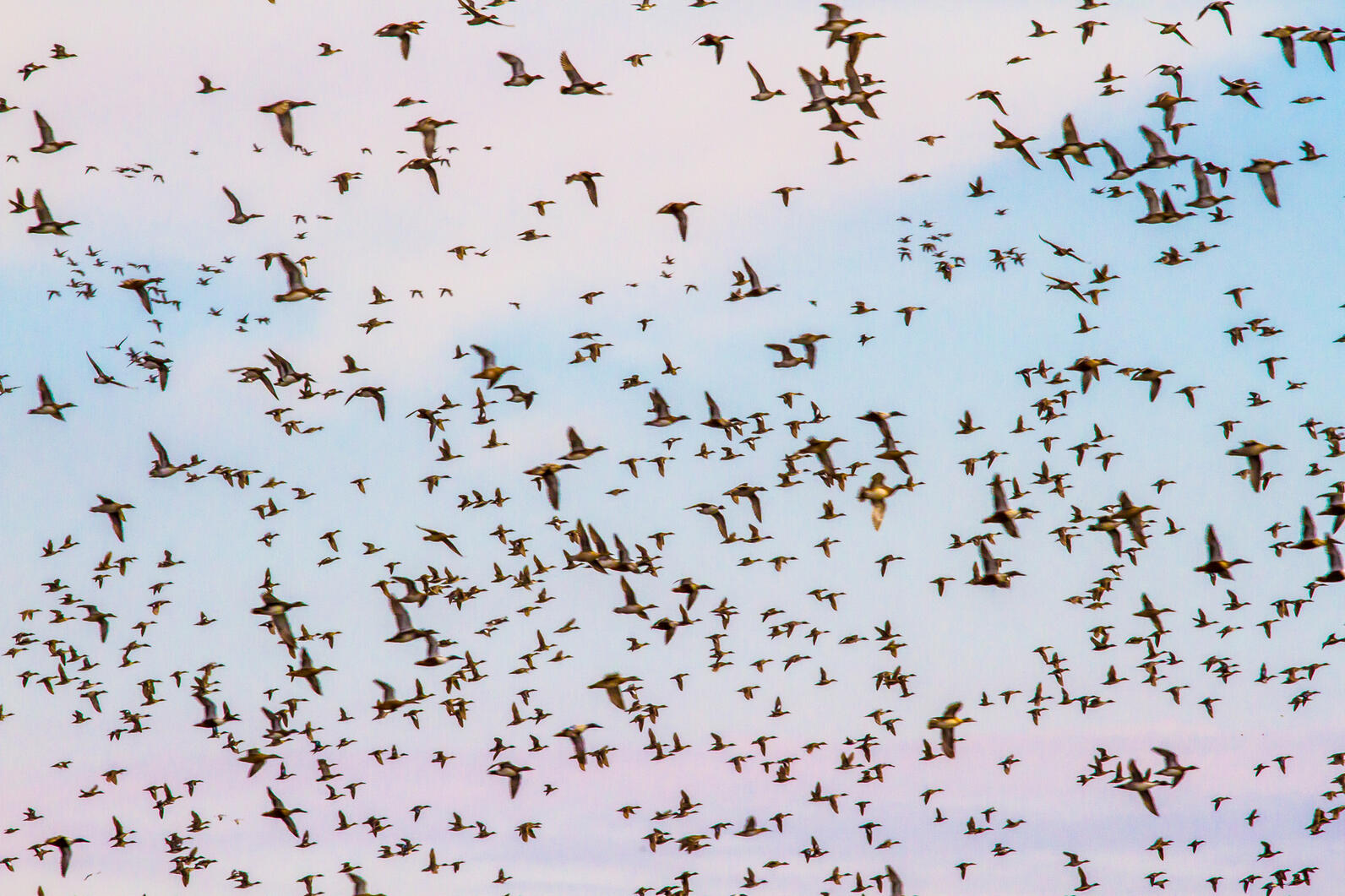
Credit: vt.audubon.org
Factors Influencing Bird Feeding
Bird migration is a natural wonder, influenced by many factors. Human activities impact birds' feeding patterns during migration. Understanding these influences helps in bird conservation efforts. Factors like food availability and climate play crucial roles.
Natural Food Sources
Birds rely on natural food sources during migration. These include seeds, berries, and insects. Human activities often change these natural landscapes. Urbanization leads to habitat loss, reducing food availability. Agricultural practices can alter the natural vegetation. This affects the types of food birds can access. Pesticides also reduce insect populations, impacting bird diets. Protecting natural habitats ensures birds find necessary food during their journeys.
Climate Impact
Climate change affects bird migration patterns significantly. Temperature shifts alter food availability and timing. Warmer climates may cause early blooming of plants. This affects the availability of seeds and berries. Changes in weather patterns can also impact insect populations. Birds may struggle to find food if their timing is off. Adapting to these changes is essential for birds' survival during migration. Understanding climate impact helps in creating better conservation strategies.
Human Influence On Feeding Sites
Bird migration relies heavily on accessible feeding sites. Humans have altered many of these sites. Changes in landscapes have impacted bird feeding patterns. Urban growth and farming are major factors. Understanding these influences helps protect birds.
Urbanization Effects
Cities expand rapidly, consuming natural habitats. Green spaces disappear under concrete. Trees and plants, vital for birds, are removed. Light pollution confuses nocturnal feeders. Noise disrupts communication among birds. Birds find fewer insects and seeds in cities. Urban areas offer fewer safe resting spots.
Agricultural Practices
Farming shapes landscapes extensively. Fields replace forests and wetlands. Pesticides and fertilizers affect food sources for birds. Monoculture crops reduce food diversity. Birds may struggle to find suitable feeding grounds. Modern farming equipment disturbs nesting areas. Birds face barriers during migration due to large farms.

Credit: www.pbs.org
Feeding Habits Alterations
Human activities change bird migration feeding habits. Urbanization reduces natural food sources, forcing birds to rely on altered diets. Climate change shifts migration patterns, affecting feeding times and locations.
Understanding the complexities of bird migration can be fascinating. One of the most intriguing aspects is how humans affect the feeding habits of migrating birds. Changes in habitat, availability of food, and human interventions have led to noticeable alterations in these habits. As you explore this topic, think about the impact of these changes on bird populations and the broader ecosystem.
Changes In Diet
Birds are resourceful creatures, often adapting their diet based on what's available. Human activities have introduced new foods, some beneficial, others not so much. For instance, urbanization has led to birds consuming more processed foods from landfills and leftover human meals. This change in diet can affect their health, as these foods often lack essential nutrients. Feeding stations and bird feeders, though well-intentioned, can also alter natural feeding behaviors. Have you ever noticed how certain bird species flock to your backyard feeders? It’s a clear sign of dietary shifts driven by human influence.
Shifts In Feeding Locations
Changes in feeding locations are another significant impact of human activity. Birds traditionally migrate to specific areas where food is naturally abundant. However, urban sprawl and deforestation have disrupted these patterns. Consider the fields and forests transformed into cities. Birds are forced to seek food in parks, gardens, and urban environments, often competing with other urban wildlife. Moreover, climate change driven by human actions is altering habitats, pushing birds to unfamiliar territories. This shift can lead to increased competition for resources and may even threaten some species' survival. As you think about these changes, consider how your actions might impact bird migration. Could planting native plants or reducing waste make a difference? Your small efforts might help preserve these majestic journeys for future generations.
Conservation Efforts
Bird migration is a fascinating natural phenomenon. Conservation efforts play a crucial role in supporting migratory birds. These efforts help maintain the ecosystems birds rely on. Humans impact bird migration, but positive actions can make a difference.
Protected Areas
Protected areas are essential for bird conservation. They offer safe habitats during migration. These areas prevent habitat destruction and provide food sources. National parks and reserves are examples of protected areas. Governments and organizations work to preserve these spaces. This helps maintain biodiversity and supports migratory birds.
Community Involvement
Community involvement is vital in bird conservation efforts. Local communities can protect habitats through education and action. Organizing clean-up events reduces pollution in bird habitats. Planting native trees provides shelter and food for birds. Educating residents increases awareness of migratory bird needs. Communities play an important role in conservation success.

Credit: www.brookhavenga.gov
Future Of Bird Migration And Feeding
Human activities impact bird migration and feeding patterns significantly. Urbanization leads to habitat loss, reducing food sources for migratory birds. Pollution affects water quality, diminishing the availability of fish and insects that birds rely on. Climate change alters migration routes, disrupting traditional feeding areas.
The future of bird migration and feeding is at a critical juncture. Human activities are reshaping the natural world in ways that profoundly impact migratory birds. As we continue to change landscapes and climates, the survival of these beautiful creatures hangs in the balance.
Long-term Trends
Recent studies reveal significant shifts in bird migration patterns. Birds are migrating earlier and shortening their routes due to climate change. Urban expansion and deforestation further complicate their journeys, disrupting traditional feeding grounds. Imagine a world where robins arrive before spring blooms. This mismatch between migration timing and food availability poses real threats. Birds may not find the insects and berries they need to survive, leading to declining populations.
Potential Solutions
You can play a part in ensuring the future of bird migration. One practical step is creating bird-friendly environments in your backyard. Plant native flowers and trees to provide natural food sources. Communities can also join forces to protect and restore natural habitats. Encourage local governments to designate conservation areas. This collective effort can preserve essential feeding grounds for migratory birds. How can you contribute to these solutions? Start by observing the birds in your area. Note their arrival and departure times and share this data with local wildlife organizations. Your observations can help track changes in migration patterns and inform conservation strategies. Every small action counts. Together, we can support the delicate balance of nature and ensure a thriving future for migratory birds.
Frequently Asked Questions
How Do Humans Impact Bird Migration?
Humans alter bird migration by changing habitats and food availability. Urbanization reduces natural food sources. Artificial feeding can disrupt migratory patterns. Birds may rely on feeders instead of natural foods, affecting their survival and migration routes. Understanding these impacts helps in creating sustainable environments for migratory birds.
Why Do Birds Rely On Human-provided Food?
Birds rely on human-provided food due to habitat loss and scarcity of natural resources. Feeders offer easy access to food, especially during harsh weather. This reliance can affect migratory routes and timing. Providing balanced diets and maintaining natural habitats can support healthier migration patterns.
Can Bird Feeding Affect Migration Patterns?
Yes, bird feeding can significantly affect migration patterns. Artificial feeding can alter birds' natural behaviors and timing. Birds may delay or skip migration if food is abundant. This change can impact their survival and ecosystem dynamics. Responsible feeding practices are crucial to minimize negative impacts.
What Are The Benefits Of Feeding Migratory Birds?
Feeding migratory birds provides essential energy during migration. It helps birds survive long journeys and harsh weather. However, it's important to offer nutritious, appropriate food to support their health. Managed feeding can aid conservation efforts and raise awareness about migratory birds' needs and challenges.
Conclusion
Human impact on bird migration is significant. Feeding habits change. Urban areas provide new food sources. This alters natural patterns. Birds adapt to these changes. Not always positive. Some species face challenges. Food scarcity can occur. Humans can help by preserving habitats.
Plant native trees and shrubs. Offer bird-friendly spaces in gardens. Avoid harmful pesticides. Support conservation efforts. Keep bird populations healthy. Our actions matter. Understand the impact. Make informed choices. Protect migratory birds. Encourage natural feeding behaviors. Balance is key. Help birds thrive in changing environments.
Together, we make a difference.