


Have you ever marveled at the incredible journeys birds undertake during migration? If you've caught yourself wondering how fast these feathered travelers move across continents, you're not alone.
Birds, with their astonishing speed and stamina, offer a fascinating glimpse into the wonders of nature. Imagine witnessing a tiny warbler covering thousands of miles or a majestic hawk soaring high above, racing against time and weather. This awe-inspiring phenomenon isn't just about survival; it's a testament to the extraordinary capabilities hidden within those delicate wings.
As you delve deeper into this article, you'll uncover the secrets of bird migration, unraveling the mysteries of their speed and the factors that propel them forward. Prepare to be captivated by the remarkable world of avian movement, where every mile tells a story of resilience and adventure.
Credit: rangerrick.org
Bird Migration Basics
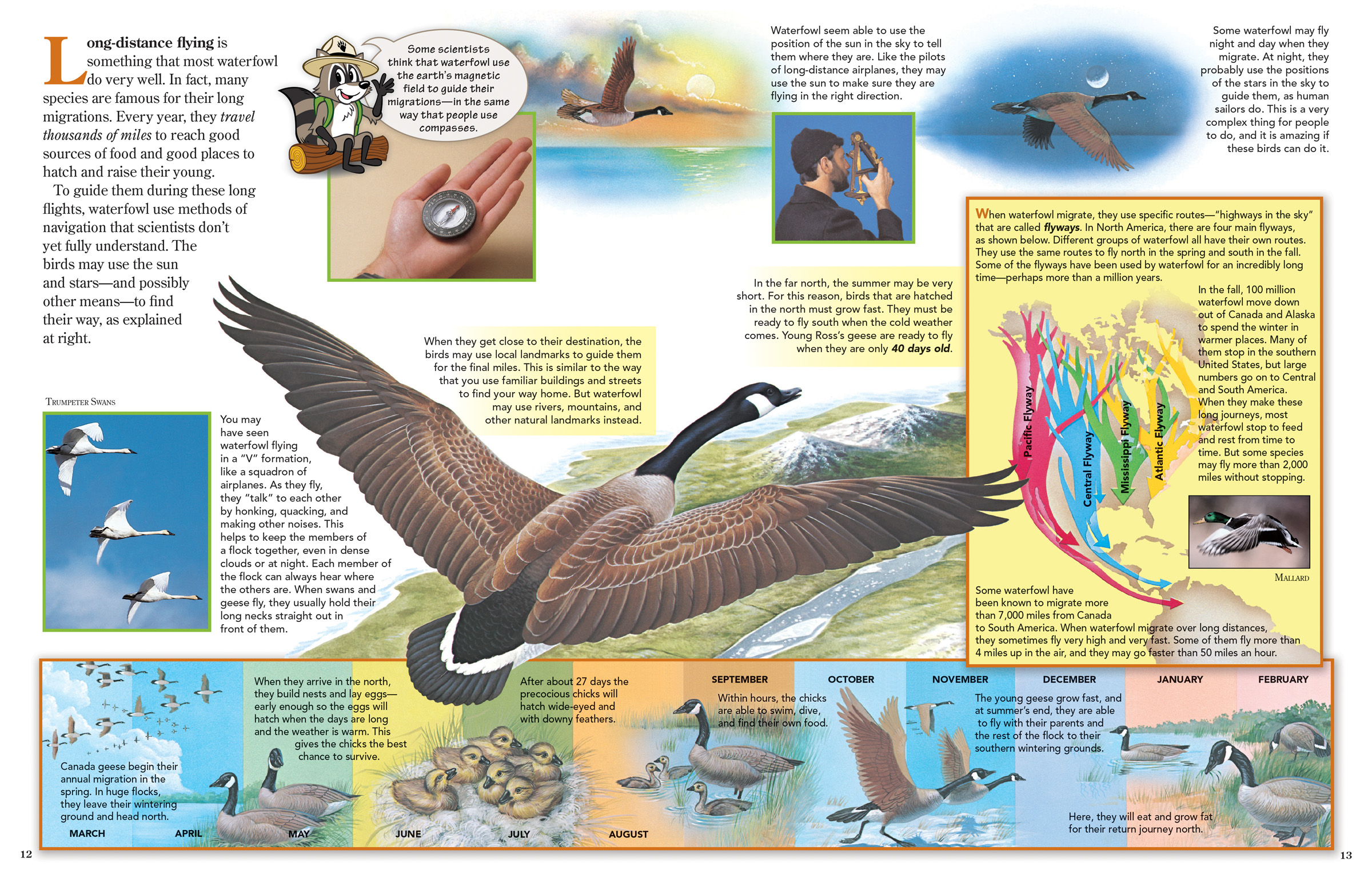
Birds can migrate at impressive speeds, with some reaching 50 miles per hour. These long journeys help birds find food and suitable climates. Varied speeds depend on species and weather conditions.
Bird migration is one of nature's most fascinating phenomena. Watching flocks of birds taking to the skies, you might wonder about the incredible journeys they embark upon. Understanding the basics of bird migration can deepen your appreciation for these feathered travelers.
Why Birds Migrate
Birds migrate primarily to survive. As seasons change, so do the availability of food and favorable living conditions. Migration helps birds move from breeding grounds with limited resources to areas abundant in food. It's a survival strategy, enabling them to find what they need to thrive. You might have noticed birds disappearing from your backyard in winter. They often head south to escape the cold and find food. Once spring arrives, they return to their breeding grounds to raise their young.
Migration Patterns
Migration patterns vary widely among different bird species. Some birds undertake epic journeys across continents, while others travel shorter distances. For instance, the Arctic Tern makes an astounding round trip from the Arctic to the Antarctic each year. Have you ever thought about how birds navigate these long distances? Many use the Earth's magnetic field as a guide, while others rely on landmarks like rivers and coastlines. Some birds even use the stars to find their way at night. It's intriguing to consider the precision with which birds migrate. They often return to the exact location year after year, sometimes even to the same nest. This consistency is a testament to their incredible navigational skills. Bird migration is not just about distance. It's about timing as well. Birds often migrate at specific times to ensure they arrive when conditions are optimal. This timing is crucial for their survival and the continuation of their species. Have you ever wondered how fast some birds can migrate? Speed varies, but some birds, like the Blackpoll Warbler, can fly up to 88 km/h during migration. It’s a remarkable feat when you consider the energy and endurance required for such journeys. Understanding bird migration basics can enhance your appreciation for these incredible journeys. Next time you see birds on the move, take a moment to reflect on the challenges and skills involved in their migration. What insights have you gained about the world of birds today?
Factors Influencing Speed
Bird migration speed varies due to factors like wind patterns, body size, and energy reserves. Larger birds often fly faster, aided by favorable winds. Efficient energy use is crucial for long-distance travel, impacting migration speed significantly.
Understanding how fast birds migrate is a fascinating topic, and various factors influence their speed. Each bird species embarks on this journey with unique challenges and abilities. Let’s dive into what affects their pace during these remarkable migrations.
Weather Conditions
Weather can make or break a bird's migration speed. Birds often rely on clear skies and favorable temperatures to maintain energy levels. Storms or harsh weather can slow them down, forcing them to rest or take longer routes. Interestingly, I once observed a flock of geese in upstate New York that had to wait out a snowstorm. They stayed grounded for days, conserving energy until conditions improved. Next time you see birds gathering before a storm, they might be strategizing for a smoother journey.
Species And Physiology
Different species have varying abilities when it comes to speed. Smaller birds, like the hummingbird, can achieve incredible speeds relative to their size. Their lightweight bodies and rapid wing flaps propel them swiftly across vast distances. On the other hand, larger birds like swans might not be as fast but can endure longer flights without tiring. Reflect on the physical traits of birds you see; their size and shape often hint at their migratory capabilities.
Wind Currents
Wind currents play a crucial role in how fast birds can travel. Favorable tailwinds can give them a significant boost, allowing them to cover more ground with less effort. However, headwinds can slow them down and require more energy to push through. Have you ever noticed birds flying in a V formation? This isn’t just a beautiful sight; it’s a clever strategy to take advantage of wind patterns. By flying this way, they reduce drag and conserve energy, ensuring they can keep up their pace. Understanding these factors offers insights into the incredible journeys birds undertake. Next time you see them in flight, consider the hurdles and aids they encounter on their remarkable travels. What other factors do you think might influence their speed?
Record-breaking Bird Speeds
Bird migration is a marvel of the natural world. Birds travel vast distances to find food and suitable climates. Some birds migrate at incredible speeds, breaking records. These record-breaking bird speeds intrigue scientists and bird enthusiasts alike.
Fastest Migratory Birds
The Grey-headed Albatross is among the fastest. It can reach speeds of 79 miles per hour. The Peregrine Falcon is another speedster. Known for its hunting dive, it can reach 240 miles per hour. The Great Snipe holds the record for long-distance speed. It travels 4,200 miles in just 84 hours.
Notable Speed Records
The Arctic Tern flies from the Arctic to the Antarctic. This journey covers about 44,000 miles annually. The Common Swift spends nearly all its life in flight. It can remain airborne for up to 10 months. The Bar-tailed Godwit holds a non-stop flight record. It flies 7,500 miles from Alaska to New Zealand.
Credit: www.massaudubon.org
Technologies For Tracking
Understanding how fast birds migrate is fascinating, and technology plays a vital role in tracking their journeys. By using various tracking methods, scientists can gather data that provide insights into migration patterns. These technologies have evolved over the years, offering more accurate and detailed information about bird movements.
Satellite Tracking
Satellite tracking is a cutting-edge method for studying bird migration. It involves attaching a small transmitter to the bird, which sends signals to satellites orbiting the Earth. This technology allows researchers to track birds over vast distances and across continents.
Imagine following an Arctic Tern on its epic journey from the Arctic to Antarctica. Satellite tracking provides real-time data on its speed and flight path. Have you ever wondered how precise these trackers are? They can pinpoint a bird's location to within a few meters, even in remote areas.
Banding And Tagging
Banding and tagging are traditional yet effective methods for tracking bird migration. This involves placing a small band with a unique code around a bird's leg. Researchers rely on recapturing the bird or finding the band to gather data on its journey.
Banding has been used for over a century and has contributed significantly to our understanding of migration. Picture finding a tagged bird in your backyard—it's like discovering a piece of a puzzle. How many stories can a simple band tell about a bird's journey?
These technologies not only help us understand migration speeds but also raise intriguing questions. How do birds know where to go? How do they endure such long flights? As you learn more about these tracking methods, consider how they change our understanding of bird migration.
Challenges During Migration
Bird migration is a remarkable journey. Birds face many challenges. These challenges test their endurance and survival skills. Migration paths are filled with obstacles. Some are natural, while others are human-induced. Understanding these challenges can help us protect these incredible travelers.
Natural Barriers
Mountains and oceans are natural barriers. Birds must fly over them. This requires strength and energy. Weather changes add difficulty. Strong winds can blow birds off course. Storms can cause exhaustion. Birds must navigate through these conditions. Finding food is also tough in barren areas. They rely on fat reserves during long flights.
Human-induced Threats
Human activity poses serious threats. Urbanization disrupts migration paths. Tall buildings confuse and injure birds. Light pollution affects their navigation. Birds often crash into structures. Habitat loss reduces resting spots. Pesticides harm their food sources. Climate change alters familiar routes. Rising temperatures confuse birds. Conservation efforts are crucial.

Credit: www.sierraclub.org
Conservation Efforts
Birds migrate at varying speeds, influenced by species, weather, and distance. Some birds cover thousands of miles swiftly to reach their destination. Understanding migration speed aids conservation efforts, ensuring safe passage for these winged travelers.
Bird migration is a fascinating phenomenon, but it faces numerous challenges. Conservation efforts are crucial in ensuring that these incredible journeys continue for generations to come. Let's dive into the key strategies making a difference.
Protecting Habitats
Birds rely on specific habitats during migration, breeding, and resting. Sadly, many of these areas are threatened by human activities. Protecting these habitats is essential for birds to thrive. Consider the wetlands that serve as rest stops for migratory birds. Efforts to preserve such ecosystems are underway worldwide. Local communities are encouraged to participate in conservation projects, ensuring these vital spaces remain intact. You might wonder how you can help. Supporting organizations dedicated to habitat protection is one way. Volunteering for local conservation projects is another hands-on approach.
International Collaboration
Birds don't recognize borders. Their migratory paths often span multiple countries. This calls for international cooperation to ensure safe journeys. Countries are joining forces through treaties and agreements. These collaborations aim to create bird-friendly policies and practices. The Migratory Bird Treaty Act between the U.S. and Canada is a prime example of such efforts. Your voice matters in this global effort. Advocating for international cooperation can lead to policy changes. It’s about building a world where birds can migrate without barriers. Have you ever considered how your actions impact bird migration? Small changes, like reducing pesticide use in your garden, can make a big difference. Together, through habitat protection and international collaboration, we can support these incredible avian travelers.
Frequently Asked Questions
How Fast Do Birds Migrate?
Birds can migrate at varying speeds depending on species and conditions. Some birds, like the Arctic Tern, can travel up to 30 mph. Raptors may reach speeds of 50 mph. Weather, wind, and energy reserves impact their speed. Migration speed is crucial for survival and successful breeding.
What Factors Affect Bird Migration Speed?
Several factors influence bird migration speed. Weather conditions, wind patterns, and geographical obstacles play significant roles. Energy reserves and the bird's physical condition are also crucial. Additionally, predation risk and availability of stopover sites affect speed. Birds optimize their journey for survival and successful reproduction.
How Do Birds Navigate During Migration?
Birds use various methods to navigate during migration. They rely on the sun, stars, and Earth's magnetic field. Some species use landmarks and olfactory cues. Genetics and learned behavior also play roles in navigation. This incredible ability ensures they reach their destinations successfully.
Do All Birds Migrate At The Same Speed?
No, not all birds migrate at the same speed. Species-specific factors, such as size and flight style, influence their speed. Larger birds might cover distances faster due to longer wingspans. Smaller birds rely on rapid wing beats. Each species adapts its speed for optimal migration efficiency.
Conclusion
Bird migration speeds amaze us with their precision and efficiency. Birds like the Arctic Tern travel thousands of miles each year. They rely on instinct, weather, and geography to navigate. Understanding these incredible journeys helps us appreciate nature's wonders. Birds face many challenges, yet they persevere.
Their migration stories inspire and teach us about resilience. Whether soaring high or gliding low, their paths are vital for survival. Our role is to protect these routes for future generations. As we learn more, we can better support these remarkable travelers.
Their journeys connect continents and cultures, reminding us of nature's interconnectedness.