


Imagine stepping outside and being greeted by a symphony of chirping, tweeting, and fluttering. You’ve probably wondered how to identify the colorful, feathery performers in this natural orchestra.
Knowing bird species can transform your outdoor experiences, turning each walk into a captivating adventure filled with discovery. This guide is your ticket to understanding the fascinating world of birds, making your hikes, park visits, or even backyard moments more enriching.
You'll gain insight into the secrets of bird identification, learning practical tips that will have you recognizing feathered friends with ease. Let's dive into how you can unlock the names and stories behind the birds you encounter, enhancing your connection with nature and adding a new dimension to your outdoor explorations.

Credit: www.aba.org
Birdwatching Essentials
Birdwatching offers a peaceful escape into nature. It helps one connect with wildlife. Recognizing bird species requires the right tools and knowledge. This section covers essential birdwatching basics.
Choosing The Right Gear
Having the right gear boosts your birdwatching experience. Binoculars are a must. They bring distant birds into clear view. Choose binoculars with a magnification of 8x or 10x. They provide a good field of view. A field guide is another useful tool. It helps identify different bird species. Look for guides specific to your region. A notebook is handy, too. It helps record your sightings.
Understanding Bird Habitats
Birds can be found in diverse habitats. Forests, wetlands, and grasslands host different species. Knowing where birds live aids in spotting them. Forests are home to woodpeckers and owls. Wetlands attract ducks and herons. Grasslands are visited by larks and sparrows. Observe the surroundings closely. Birds often blend into their habitats. Look for movement or listen for bird calls.
Credit: www.allaboutbirds.org
Identifying Bird Species
Spotting different bird species involves observing their colors, sizes, and shapes. Listen for unique calls and songs. Use field guides or apps for quick identification.
Identifying bird species can be an exciting and rewarding hobby. Whether you're in your backyard, at a local park, or hiking through the wilderness, being able to recognize different birds adds a new layer of enjoyment to your outdoor experiences. It's like unlocking a secret language of the skies, where every chirp and flutter tells a story. But how do you start? What should you look for? Let's dive into the essentials of identifying bird species.
Key Features To Observe
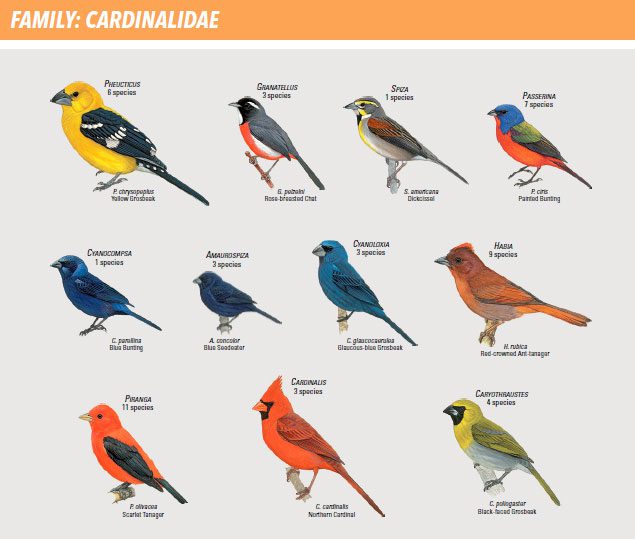
When spotting a bird, your eyes should first scan for size and shape. Is it small and round like a sparrow or large and majestic like an eagle? Take note of the bird's color patterns; sometimes, even a single stripe or patch of color can be a crucial clue. Listen to their calls. Each bird has a unique sound, like a signature melody. Observing their behavior is also crucial. Do they hop along the ground, or soar high in the sky? These behaviors can narrow down your options significantly.
Using Field Guides And Apps
Field guides are a birder's best friend. They offer images and descriptions that help you identify species quickly. Keep a pocket-sized guide handy when you’re out in the field. It’s like having an expert in your backpack. In this digital age, birding apps have become indispensable. Apps like Merlin Bird ID or Audubon provide instant identifications. Simply upload a photo or record a bird call, and the app does the rest. Try them out and see how technology can enhance your birdwatching adventures. Have you ever noticed how a new app can transform your experience? The same goes for birding. The convenience and accuracy of digital tools can make identifying birds more accessible and enjoyable for everyone. Which features have you found most helpful in identifying birds? Share your experiences and insights in the comments below!
Birding Techniques
Birding techniques help you identify and understand bird species. Learning these methods can enhance your birdwatching experience. You'll notice more details and appreciate the beauty of birds.
Patience And Observation Skills
Patience is crucial in birding. Birds are often shy and quick. Waiting quietly lets you see them in their natural habitat. Observing carefully is key. Focus on their size, shape, and colors. This helps you identify them accurately. Take notes of unique features. It aids in distinguishing similar species.
Noting Behavior And Sounds
Birds have distinct behaviors. Watch how they move and interact. This reveals much about their identity. Listen to their songs and calls. Each species has a unique sound. Recognizing these sounds is vital. Recording them can be helpful. Use a notebook or a recording app. It improves your birding skills.
Common Bird Families
Birds come in various families with distinct characteristics. Recognizing these families helps in identifying individual species. Understanding common bird families provides a foundation for birdwatching enthusiasts. Each family has unique traits that make them easy to spot.
Bird families often share similar habitats and behaviors. This makes identifying them easier once familiar with their traits.
Recognizing Songbirds
Songbirds are known for their melodic tunes. They are often small in size. Songbirds have vibrant feathers and lively personalities. Observe their singing patterns to identify them. They can be found in gardens, forests, and urban areas.
Look for species like sparrows and robins. These birds are part of the songbird family. Their songs vary in complexity and rhythm.
Identifying Waterfowl
Waterfowl are birds that live near water bodies. They include ducks, geese, and swans. These birds are usually larger than songbirds. Waterfowl are equipped with webbed feet for swimming.
Spotting waterfowl is easier near lakes and rivers. Their plumage is often waterproof. Observe their unique swimming styles. This helps in identifying specific species within the family.
Seasonal Bird Watching
Seasonal bird watching offers a unique perspective on bird species. Each season brings different challenges and opportunities. You might see rare birds that only appear during specific times of the year.
Have you ever wondered why certain birds only visit your area during certain months? Understanding seasonal changes in bird behavior can enhance your bird watching experience. Let's dive into some practical tips and insights to help you get started.
Migration Patterns
Bird migration is one of nature's most fascinating phenomena. Birds travel thousands of miles to find the perfect climate and food sources. These migrations often follow predictable patterns.
Knowing these patterns can help you identify when certain species will be in your area. For example, many birds move south during the winter months to escape the cold. Keeping an eye on migration calendars can be a helpful tool.
Consider setting up a bird feeder to attract migrating birds. This small addition can make your backyard a stopping point for birds on their long journey.
Winter Birding Tips
Winter birding requires a bit more preparation. The cold weather means fewer birds, but the ones that remain are often easier to spot against a snowy backdrop.
Dress warmly and bring binoculars to get a closer look. You might see birds like the Snowy Owl or the Dark-eyed Junco, which are more active during winter.
Think about using a bird guide app to identify species. These apps can be invaluable when you're trying to distinguish between similar-looking birds.
Have you considered joining a local bird watching group? Sharing insights and experiences with others can enrich your bird watching adventures. Plus, it’s a great way to meet new friends who share your interests.
Seasonal bird watching can be a rewarding hobby. With the right tools and knowledge, you can uncover the secrets behind bird behavior throughout the year. What surprising bird might you spot next season?
Joining Birdwatching Groups
Joining birdwatching groups helps discover and learn about various bird species through shared experiences and expert guidance. Enthusiasts share tips and insights, making identification easier and more enjoyable. Engaging with others enhances knowledge and appreciation of diverse bird habitats and behaviors.
Joining birdwatching groups can enhance your birding experience. These groups offer a wealth of knowledge and community support. They bring people together who share a passion for birds. By joining, you connect with others who can guide and educate you. This community learning environment can greatly improve your bird identification skills.
Benefits Of Community Learning
Learning in a group offers many advantages. You gain insights from experienced birdwatchers. They can teach you tricks and tips for identifying birds. Group settings encourage sharing of information. This can speed up your learning process. You also get to participate in group birdwatching events. These events provide practical birdwatching experiences. Observing birds with others can be more rewarding and fun.
Finding Local Birding Clubs
Local birding clubs are a great resource. They are often easy to find in your community. Check local nature centers or wildlife sanctuaries. They might have information on nearby clubs. Libraries sometimes host birdwatching events. These events can connect you to local groups. Online platforms can also help you find clubs. Websites and social media are useful tools. They often list events and group activities. Joining these clubs can broaden your birdwatching network.
Conservation And Ethics
Discovering bird species fosters a deep connection with nature and respect for wildlife. Observing habitats and identifying distinct features enhances conservation efforts. Ethical birdwatching promotes biodiversity awareness and encourages responsible interaction with nature.
Identifying bird species isn't just about snapping the perfect photo or adding a name to your checklist. It’s also about understanding the delicate balance of our ecosystems and the ethical responsibility we have towards these creatures. Conservation and ethics play a crucial role in birdwatching, ensuring that our enjoyment of these beautiful animals doesn’t come at their expense. Let's dive into how you can be a responsible birder and contribute to the preservation of our avian friends.
Respecting Wildlife
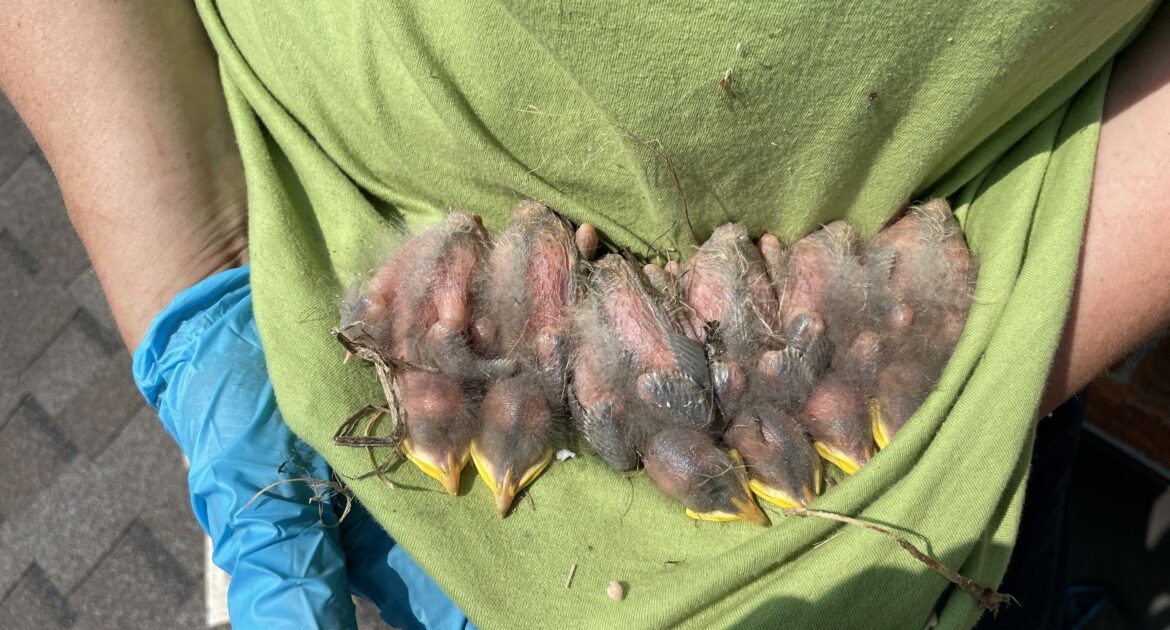
When observing birds, your presence should be as unobtrusive as possible. Avoid getting too close to nests or disturbing birds during critical times like breeding season. Remember, the welfare of the bird is more important than getting that perfect shot. Think about your own experiences. Have you ever noticed a bird that seemed stressed by your proximity? These moments serve as reminders that our curiosity should never compromise their safety. Consider the environment you're in. Stick to designated paths and avoid trampling through sensitive habitats. This protects not just birds but the entire ecosystem they inhabit.
Contributing To Bird Conservation
You can make a real difference for bird conservation by engaging in citizen science projects. These initiatives often rely on everyday birdwatchers like you to gather data that supports conservation efforts. Simple actions like maintaining a bird feeder can also support local bird populations. Ensure you’re providing appropriate food and regularly cleaning your feeders to prevent disease. Consider donating to or volunteering with organizations dedicated to bird conservation. Your contributions can support vital research and habitat protection efforts. Ask yourself: What small changes can you make in your daily life to support bird conservation? Whether it's reducing plastic use or planting native shrubs, every action counts. By respecting wildlife and actively contributing to conservation efforts, you become a steward of nature, ensuring that future generations can enjoy the beauty and diversity of bird species.
Credit: www.skedaddlewildlife.com
Frequently Asked Questions
How To Identify Bird Species By Color?
Identifying bird species by color involves observing key features like plumage patterns and hues. Note the bird's primary colors, markings, and any unique color combinations. These characteristics can help you differentiate between species. Using a field guide or birding app can further aid in matching observed colors to specific bird species.
What Tools Help In Bird Species Identification?
Binoculars and field guides are essential tools for bird identification. Binoculars allow close observation of bird features, while field guides provide detailed information on species. Birding apps can offer real-time assistance and audio cues. Combining these tools increases accuracy in identifying bird species.
How Can Bird Calls Aid In Species Identification?
Bird calls are unique to each species and serve as an identification tool. Learning to recognize different calls can help distinguish species, especially in dense foliage. Many resources, including apps and CDs, offer audio clips for practice. This skill enhances birdwatching experiences and improves species identification.
What Are Common Habitats For Different Bird Species?
Bird species thrive in diverse habitats like forests, wetlands, and urban areas. Understanding habitat preferences can narrow down potential species during identification. Observing birds in their natural settings, such as woodlands or coastal regions, provides context for recognizing specific species.
Habitat knowledge complements visual and auditory identification methods.
Conclusion
Bird watching offers a relaxing and educational experience. Identifying bird species enriches this hobby. Start with common birds in your area. Observe their colors, shapes, and sounds closely. Use a field guide or app for help. Practice improves your skills over time.
Share your findings with friends. Enjoy nature's beauty around you. Every bird tells its own unique story. Happy bird watching!