


Imagine enjoying a peaceful evening outdoors, only to be interrupted by the relentless buzzing of mosquitos. It's a scenario many of us dread, but did you know that nature has its own pest control system?
Certain bird species play a vital role in keeping these pesky insects in check. If you're curious about which birds can help reduce the mosquito population in your area, you're in the right place. This article will uncover the fascinating world of mosquito-eating birds and how they contribute to a more comfortable outdoor experience.
By understanding these feathered allies, you can make informed choices about attracting them to your garden or yard, ultimately creating a haven free from the annoyance of mosquitos. Keep reading to discover which birds can be your natural defense against these tiny invaders and how you can support their presence in your environment.
Birds As Natural Pest Controllers
Swallows, purple martins, and bats are experts at eating mosquitoes. Their diet helps control mosquito populations naturally. These birds fly quickly and catch insects mid-air, offering an eco-friendly pest control solution.
Birds are not just delightful to watch; they also play a crucial role in controlling pests. Imagine sitting in your backyard on a summer evening. The sun is setting, and the mosquitoes start buzzing around. You might reach for a repellent, but there's a natural solution right above you—birds. These winged creatures help keep mosquito populations in check, making your outdoor experience more enjoyable. Let's dive into how birds act as natural pest controllers and which species particularly feast on mosquitoes. Birds consume a wide variety of insects, including mosquitoes. They help maintain ecological balance by keeping the insect population under control. This reduces the need for chemical pest control methods, which can harm the environment. Next time you spot a bird swooping through the air, consider it your personal pest control agent. You might be surprised to learn which species are particularly effective at this.
Which Bird Species Target Mosquitoes?
Several bird species have a diet that includes mosquitoes. Purple martins are among the most famous mosquito-eaters. They consume insects mid-flight, making them efficient hunters. Swallows are also known for their mosquito-eating habits. These agile birds can catch mosquitoes on the wing, reducing the numbers significantly. Encouraging these birds to visit your garden can be a natural way to manage pests. Additionally, songbirds like sparrows and warblers may eat mosquitoes, especially during their breeding season when they need extra protein. Have you ever noticed how lively your garden becomes when these birds are around?
How To Attract Mosquito-eating Birds To Your Yard
Creating a bird-friendly environment can help attract mosquito-eating birds. Consider adding birdhouses or nesting sites to your yard. Purple martins and swallows appreciate open areas with access to water. Plant native shrubs and trees to provide shelter and food sources for various birds. Offering a mix of seeds, fruits, and suet can encourage different species to visit and stay. Water features like birdbaths or small ponds can attract birds. Just ensure the water is clean and fresh to prevent mosquito breeding. Are you ready to invite these natural pest controllers into your garden?
Benefits Of Using Birds For Mosquito Control
Relying on birds for mosquito control offers several benefits. It reduces the need for chemical sprays, which can be harmful to both humans and beneficial insects. Encouraging birds in your area also promotes biodiversity. A diverse ecosystem is more resilient and can adapt better to changes. Lastly, watching birds can be a relaxing and rewarding hobby. It connects you with nature and offers opportunities to learn about different species. How will you integrate these feathered friends into your pest control strategy?
Common Mosquito-eating Birds
Birds are not just beautiful creatures gracing our skies; they also play a crucial role in controlling insect populations. While you might be familiar with some birds that eat mosquitoes, did you know there are several common species that snack on these pesky bugs? Understanding which birds help keep mosquito numbers down can enhance your appreciation for these winged wonders. Let's explore some of the most effective mosquito-eating birds that might just be flying around your neighborhood.
Purple Martins
Have you ever noticed those large, acrobatic swallows darting through the air? That's likely the Purple Martin. These birds are known for their mosquito-eating prowess. A single Purple Martin can consume thousands of mosquitoes in a day. They are social birds, often nesting in colonies. If you set up a martin house, you might just find these mosquito hunters gracing your backyard.
Barn Swallows
Barn Swallows are expert flyers and can catch mosquitoes mid-flight with incredible precision. Their distinctive forked tails make them easy to recognize. They prefer open spaces and often nest in barns or under bridges. Next time you see them swooping around, remember they're not just showing off—they're busy reducing mosquito populations!
Chimney Swifts
Chimney Swifts are often seen darting through the sky, and they are relentless mosquito eaters. These birds have adapted to life in urban areas, often nesting in chimneys. If you're dealing with a mosquito problem, think about how these birds naturally help to keep it in check. Their aerial acrobatics are a sight to behold.
Eastern Phoebes
Eastern Phoebes might not be as flashy as other mosquito-eating birds, but they get the job done. They are known for their gentle and approachable nature. They frequently perch and wait for mosquitoes to fly by before catching them. Consider how you might encourage these birds to visit your garden by providing a safe nesting spot.
Have you ever thought about how these birds might influence your outdoor experiences? By encouraging mosquito-eating birds to visit your area, you can enjoy those summer evenings without pesky interruptions. What steps can you take today to make your environment more welcoming to these natural mosquito controllers?
Bird Habitats And Mosquito Control
Birds like Purple Martins, Barn Swallows, and Eastern Bluebirds feast on mosquitoes. These species thrive in diverse habitats, naturally reducing mosquito populations. Encourage their presence by providing nesting sites and preserving natural environments.
Birds play a significant role in controlling mosquito populations. Understanding the habitats where these avian insect-eaters thrive can help in natural mosquito control. Imagine a world where fewer mosquitoes buzz around your backyard. Birds can help make that a reality, if we protect and enhance their natural habitats.
Wetlands And Marshes
Wetlands and marshes are bustling with life. They provide a perfect home for mosquito-eating birds like swallows and purple martins. These birds swoop down and feast on mosquitoes, reducing their numbers significantly. Have you ever walked through a marsh? You might have noticed the vibrant birdlife. The diverse ecosystem supports various species that contribute to mosquito control. Consider supporting wetland conservation efforts. Preserving these areas not only protects bird species but also helps manage mosquito populations naturally.
Forests And Woodlands
Forests and woodlands offer a sanctuary for birds like warblers and flycatchers. These birds find plenty of mosquitoes to eat among the trees. As they flit from branch to branch, they help maintain a balanced ecosystem. Have you taken a stroll through a forest at dusk? The air is filled with chirping and the fluttering of wings. These birds are hard at work, keeping the mosquito population in check. Planting native trees and shrubs can attract these beneficial birds to your area. You can create a haven for them right in your backyard.
Urban And Suburban Areas
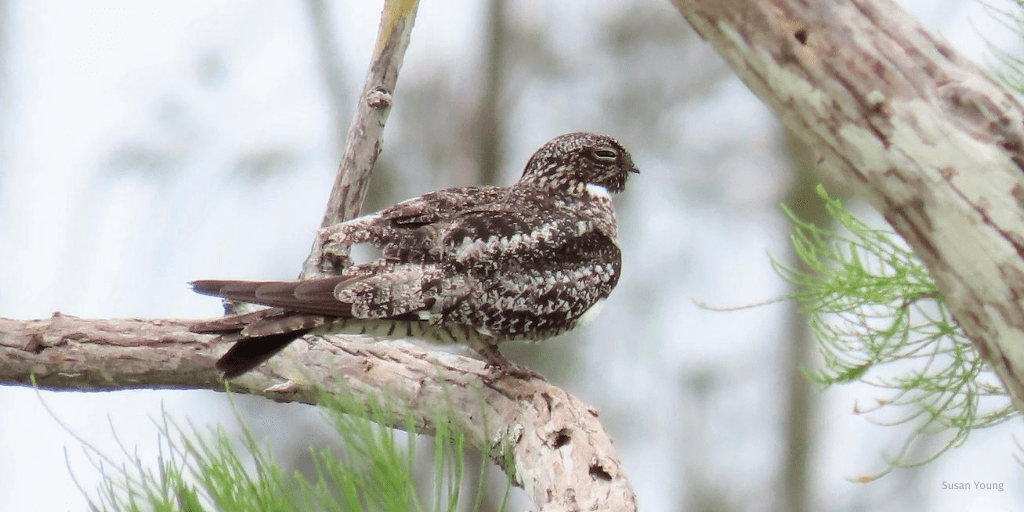
Cities and suburbs can also support mosquito-eating birds. Species like house sparrows and chimney swifts adapt well to urban settings. They find mosquitoes around streetlights and gardens. You might have seen birds darting through your neighborhood at twilight. They are on a mission, reducing the mosquito nuisance. Think about adding birdhouses or bird-friendly plants to your garden. By doing so, you can help attract these helpful birds and reduce the need for chemical mosquito controls. Have you ever considered how you can support mosquito-eating birds in your community? Enhancing their habitats is a practical step towards a more comfortable and mosquito-free environment.
Credit: blog.nwf.org
Benefits Of Birds In Ecosystems
Birds are more than just winged creatures that fill our skies with melody. They are vital players in maintaining balanced ecosystems. From controlling pest populations to ensuring biodiversity, birds offer numerous benefits that are often overlooked. Ever wondered how birds help keep mosquito numbers in check? Let's dive into their indispensable roles.
Biodiversity Support
Biodiversity is crucial for a healthy ecosystem, and birds play a significant role in this. Their presence encourages a variety of life forms. When you see birds in your garden, it often means there’s an abundance of insects, plants, and other wildlife. Birds like swallows and purple martins feast on mosquitoes, helping maintain the balance. This rich diversity ensures that ecosystems are resilient and can adapt to changes. Imagine a world where every species supports the other—this is what birds help create.
Pollination And Seed Dispersal
Many birds contribute to pollination and seed dispersal, crucial for plant growth and reproduction. Hummingbirds, for instance, are excellent pollinators. They help flowers bloom and fruits ripen. You might have noticed more vibrant plants where birds frequent. Birds also eat fruits and disperse seeds far and wide. This ensures the spread of plant life, enriching ecosystems and providing food sources for other animals. It's fascinating how a bird's meal can lead to new life miles away!
Pest Population Balance
Birds are natural pest controllers, eating insects that could otherwise harm crops and plants. Imagine your garden free from mosquito swarms because of the local bird population. Birds such as warblers and flycatchers help maintain this balance. They eat mosquitoes and other pests, reducing the need for chemical pesticides. This not only protects plants but also ensures cleaner air and water. How often do you think about the impact of birds on your backyard's health?
As you walk through a park or enjoy the sounds of birds, consider their vital roles. They do more than chirp and sing—they help maintain the delicate balance of nature. Encouraging bird-friendly spaces can improve your environment and your quality of life. Next time you spot a bird, remember the unseen work they do for our ecosystems.
Encouraging Bird Presence
Welcoming birds to your garden can help control mosquito populations. Species like Purple Martins and Barn Swallows eat large numbers of mosquitoes. These birds naturally reduce pests, creating a more pleasant outdoor environment.
Encouraging the presence of birds in your backyard can help reduce mosquito populations. Birds are natural predators of mosquitoes. They play a crucial role in controlling these pests. By fostering a welcoming environment, you can invite birds to your home. This section explores ways to attract them effectively.
Creating Bird-friendly Environments
Design your garden with birds in mind. Include trees and shrubs for shelter. Birds need safe places to rest and nest. Native plants are ideal, providing food and cover. Avoid using pesticides that may harm them. A chemical-free yard attracts more birds.
Providing Natural Food Sources
Birds thrive on a diet rich in insects. Encourage this by avoiding insecticides. Mosquitoes become a natural food source. Plant flowers that attract insects. Birds will come to feast on both insects and seeds. Such plants support a healthy ecosystem.
Setting Up Birdhouses And Feeders
Install birdhouses to provide safe nesting sites. Choose locations away from predators. Ensure the entrance size suits the bird species you want. Feeders offer additional support, especially in colder months. Fill them with seeds or suet cakes. Keep them clean to prevent disease.
Challenges And Conservation
Birds play a vital role in controlling mosquito populations. However, many bird species face challenges that threaten their ability to perform this function. Conservation efforts are crucial to ensure these birds continue to thrive and help manage mosquito numbers.
Habitat Destruction
Bird habitats are disappearing rapidly. Urban development leads to loss of nesting sites. Deforestation removes food sources. Wetlands, critical for many birds, are drained for agriculture. These changes force birds to move, reducing their ability to control mosquitoes.
Climate Change Impact
Climate change alters bird migration patterns. Changes in temperature affect breeding seasons. Mosquito populations may increase due to warmer climates. Birds may not adapt quickly enough, leading to imbalances in ecosystems.
Conservation Efforts
Conservationists work to protect bird habitats. Restoration projects aim to revive wetlands. Bird sanctuaries offer safe havens. Public awareness campaigns emphasize the importance of birds. Supporting conservation helps maintain ecological balance.
Role In Integrated Pest Management
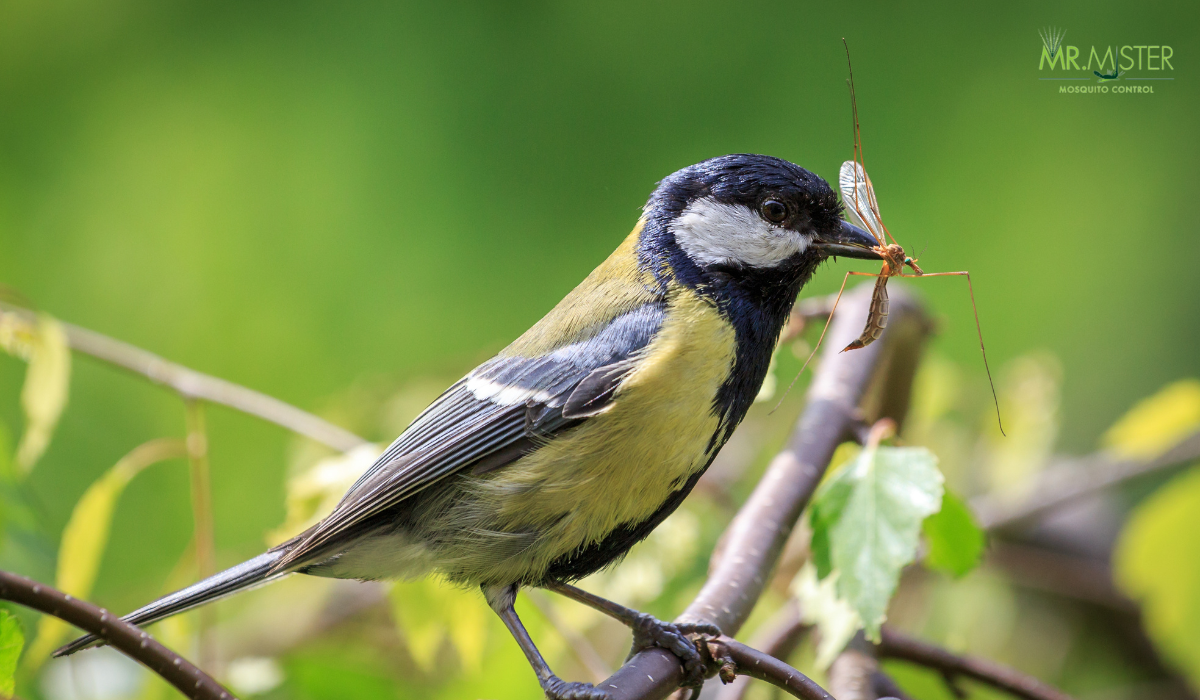
Birds play a vital role in integrated pest management, especially when it comes to controlling mosquito populations. They are nature’s pest controllers, swooping down to feast on these bothersome insects. By inviting mosquito-eating birds into your garden or farm, you engage a natural ally to help manage pests. This method is environmentally friendly and works seamlessly with other pest control strategies.
Combining Birds With Other Methods
Birds can be part of a broader pest management plan. Imagine combining their mosquito-eating prowess with other sustainable practices. You could use birdhouses to attract mosquito-eating species like purple martins and tree swallows. At the same time, consider using mosquito traps or planting mosquito-repellent plants. This multi-pronged approach enhances effectiveness while preserving the ecosystem.
Why limit yourself to one method? Birds can complement other non-toxic solutions. They provide a consistent natural check on mosquito populations. Don't forget to maintain a water source, like a birdbath, to attract them. Engaging birds in pest management doesn't just solve a problem; it enriches your surroundings.
Sustainable Pest Control Practices
Are you tired of spraying chemicals that harm your garden's delicate balance? Birds offer a sustainable alternative. Their presence reduces the need for harmful pesticides, promoting a healthier environment. You might notice fewer mosquitoes and more vibrant flora. It's a win-win situation.
Think about how sustainable practices impact future generations. By relying on birds and other eco-friendly methods, you contribute to long-term pest control solutions. Encourage your community to embrace these practices. Can you imagine the collective impact if everyone chose nature-friendly pest control?
Engaging birds in pest management is more than just a strategy; it's a commitment to sustainability. Watch as your garden or farm thrives without the constant battle against mosquitoes. Your decision to integrate birds not only protects your space but also supports the broader ecosystem.
Credit: www.mrmr.biz
Credit: oh-deer.com
Frequently Asked Questions
Which Birds Are Known To Eat Mosquitoes?
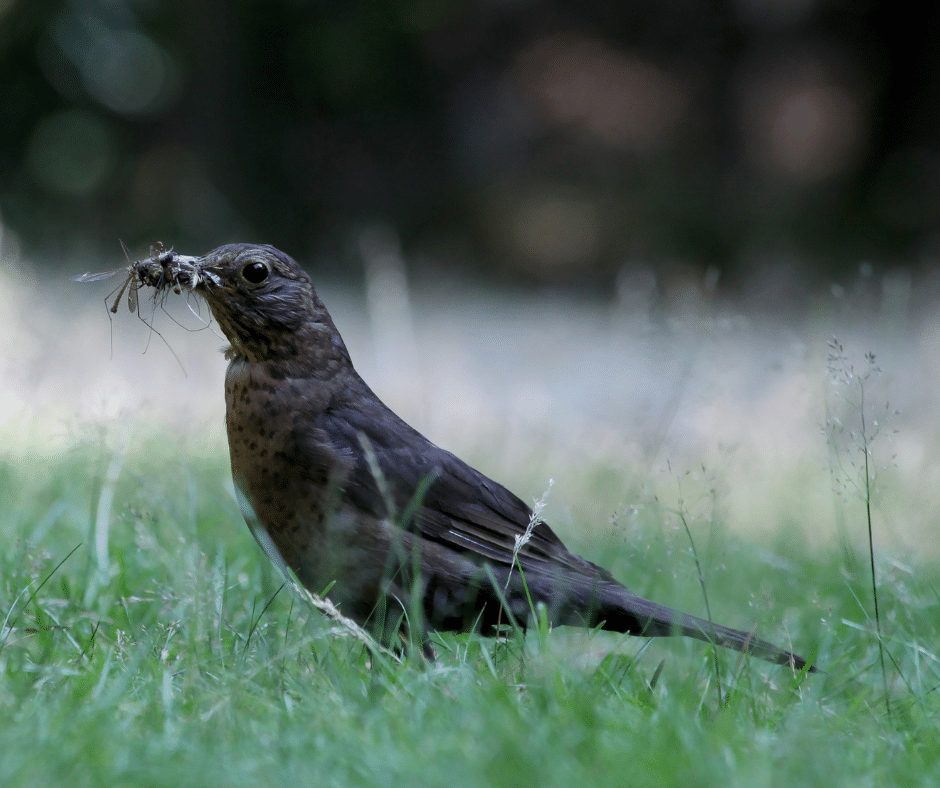
Several bird species, including purple martins, barn swallows, and tree swallows, are known to consume mosquitoes. These birds are insectivorous and feed on mosquitoes, especially during their breeding season. Their feeding habits help in controlling mosquito populations naturally, contributing to a balanced ecosystem.
How Do Birds Help Control Mosquito Populations?
Birds, like swallows and martins, eat mosquitoes as part of their diet. By consuming mosquitoes regularly, they help reduce their numbers in local areas. This natural pest control method is eco-friendly and supports biodiversity, reducing the need for chemical interventions.
Do Swallows Eat A Lot Of Mosquitoes?
Yes, swallows are effective at consuming mosquitoes. They feed on flying insects, including mosquitoes, during their flight. Their agile flying abilities allow them to catch mosquitoes mid-air, making them valuable in controlling mosquito populations around their habitats.
Are Purple Martins Effective Mosquito Predators?
Purple martins are known to eat mosquitoes, though they prefer larger insects. They contribute to mosquito population control by eating a significant number of insects daily. Encouraging purple martin habitats can help in naturally managing mosquito presence in certain areas.
Conclusion
Birds play a crucial role in controlling mosquito populations. They eat these pests, helping keep ecosystems balanced. Species like purple martins and barn swallows are effective mosquito hunters. Their presence benefits both humans and nature. Encouraging these birds in your area can reduce mosquito numbers naturally.
Plant trees and provide nesting sites to attract them. Enjoy fewer mosquitoes and more birdsong. A simple, eco-friendly solution. Keeping nature's balance in check. So, watch the skies. Welcome these helpful birds into your life.