


Have you ever wondered which bird species you’re most likely to spot during a walk in the park or while sipping coffee in your backyard? If you’ve ever been curious about the feathered friends that frequently share our spaces, you're not alone.
Birds are fascinating creatures, each with its own unique characteristics, behaviors, and habitats. But among them, one species stands out as the most common. Discovering what makes this bird so ubiquitous can add a layer of excitement to your everyday observations.
Knowing which bird tops the list might even change the way you see your surroundings. Stick around as we unveil this avian mystery and explore why this particular species has become a familiar sight to many.
Global Bird Population
The global bird population is vast and diverse. Birds flutter across every continent and ocean. They inhabit forests, deserts, mountains, and urban areas. Each species plays a unique role in its ecosystem. Some birds are widespread, while others are rare.
Understanding the global bird population helps us appreciate nature's diversity. It also highlights the importance of conservation efforts. Many factors influence bird populations, including habitat loss and climate change.
Common Species Across Continents
Sparrows are found on almost every continent. They adapt easily to various environments. Pigeons, especially rock doves, thrive in cities worldwide. These birds are common in urban settings.
Crows and ravens also have a broad range. They are intelligent and resourceful. Their adaptability makes them prevalent in many regions.
Birds In Numbers
Estimates suggest there are over 50 billion birds globally. This number represents thousands of species. Each species varies in population size. Some have millions, others only a few hundred.
House sparrows are among the most populous birds. Their numbers exceed hundreds of millions. This makes them one of the most common bird species.
Factors Affecting Bird Populations
Bird populations face various challenges. Habitat destruction is a major threat. Urban development reduces natural habitats.
Climate change also affects bird populations. It alters migration patterns and breeding seasons. These changes impact their survival and reproduction rates.

Credit: blog.lovegardenbirds.co.uk
Factors Influencing Bird Population
Bird populations vary greatly across regions. Several factors influence their numbers. Understanding these factors helps us comprehend why certain birds are more common.
Habitat Availability
Birds rely heavily on their surroundings. Forests, wetlands, and grasslands host different species. Loss of habitat can decrease bird populations. Urbanization and deforestation remove natural habitats. Birds struggle to find food and shelter. Conservation efforts help preserve these vital areas.
Climate Conditions
Climate plays a crucial role in bird life. Temperature and rainfall affect breeding patterns. Migratory birds depend on predictable weather. Unusual climate changes disrupt migration routes. Birds may not reach breeding grounds. This leads to a decline in population. Adapting to changing climates is crucial for bird survival.
Human Impact
Humans affect bird populations in many ways. Pollution contaminates water sources. Birds ingest harmful chemicals. Hunting and poaching reduce numbers. Noise pollution disrupts communication among birds. Cities expand into natural areas. This loss of habitat affects bird life. Conservation laws aim to protect bird species.
Top Bird Species By Numbers
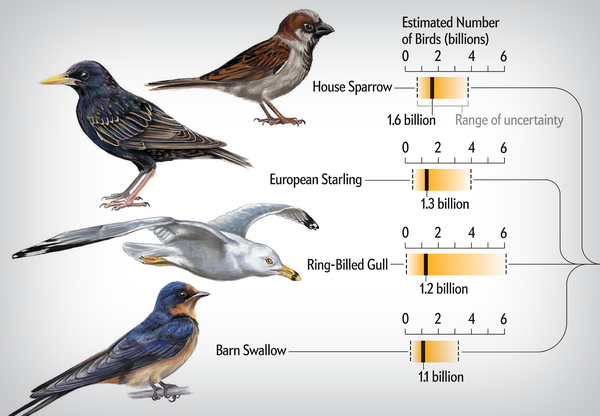
The house sparrow holds the title for the most common bird species worldwide. Known for its adaptability, it thrives in urban areas. These small birds are often seen hopping around parks and gardens. Their widespread presence makes them a familiar sight in many countries.
When you think of the most common bird species, do you imagine a vibrant parrot or a majestic eagle? Surprisingly, the birds you see most often in your everyday life may not be the ones you expect. From bustling cities to quiet villages, some bird species have adapted remarkably well to living alongside humans. Let's dive into the top bird species by numbers and see if these are the ones you spot outside your window.
House Sparrow
The House Sparrow is a small bird with a big personality. You might recognize it by its cheerful chirping and distinctive brown and gray plumage. These birds are found on every continent except Antarctica. Their adaptability to urban environments is impressive. They thrive in cities, towns, and rural areas alike. You probably see them flitting around shopping centers, parks, and even your own backyard. Their success is largely due to their ability to live off food scraps and nest in man-made structures. Have you ever noticed one nesting in a streetlamp or under your roof tiles? That's a House Sparrow making the most of human habitats.
European Starling
European Starlings are known for their striking, iridescent feathers and fascinating behavior. They were introduced to North America in the late 19th century and have since spread rapidly. These birds are incredibly social, often found in large flocks. You might have seen them performing mesmerizing aerial displays, known as murmurations. It's a sight that can leave you in awe, with thousands of birds moving in perfect harmony. Their adaptability and strong survival instincts make them one of the most populous bird species. They're particularly skilled at finding food in urban areas, feeding on insects, fruits, and seeds.
Rock Pigeon
Rock Pigeons, commonly known as city pigeons, are a familiar sight in urban landscapes. They are the birds you might see strutting confidently on sidewalks, searching for crumbs. Their origins trace back to wild rock doves, but centuries of living alongside humans have shaped their behavior. Rock Pigeons have become an integral part of city life, adapting to the hustle and bustle of urban environments. They build their nests in ledges, bridges, and buildings. Their presence is a testament to their resilience and adaptability. Have you ever wondered how they manage to thrive in the busiest city centers? These bird species are a testament to nature's adaptability and resilience. As you observe these birds, consider how they have seamlessly integrated into human environments. Have you noticed these common species in your own community? Share your observations in the comments below!
Credit: www.scientificamerican.com
Characteristics Of Common Birds
Sparrows are often seen across various regions, making them one of the most common bird species globally. These small, brown birds thrive in urban areas, adapting well to human environments. Their distinctive chirping and social behavior make them easy to spot and recognize.
Have you ever stopped to admire the birds that flutter around your backyard? The common bird species are not just ordinary creatures; they carry unique characteristics that make them fascinating to watch. Understanding their distinct features can help you appreciate these feathered friends even more. Whether you’re a seasoned birdwatcher or just curious about the avian world, this exploration of common bird traits will offer insights that might surprise you.
Physical Features
Common birds display a diverse range of physical features. Think of the sparrow's brown, streaked appearance or the robin's vibrant red breast. These features serve as camouflage and protection from predators. Some birds, like the pigeon, have sleek bodies and strong wings, allowing them to fly long distances effortlessly. Their physical traits are not just for show; they are vital for survival and adaptation. Have you noticed how some birds have sharp beaks while others have flat ones? These variations are tailored to their specific needs, helping them hunt or forage with ease.
Behavioral Traits
Bird behavior is a marvel to observe. Common birds like crows are known for their intelligence, often solving puzzles to access food. Ever watched a flock of starlings dance in the sky? Their synchronized movements are a testament to their social nature. Birds communicate through various calls and songs. The cheerful chirping of a morning bird can make your day brighter. These sounds are not just musical; they're crucial for interaction and mating. Some birds, like the owl, are solitary and nocturnal, hunting silently at night. Others, like ducks, prefer to stay in groups, showing a preference for community life.
Dietary Habits
Birds have diverse dietary preferences that shape their lifestyles. Sparrows often snack on seeds and grains, making them frequent visitors to feeders. Their diet is simple, but it fuels their energetic flitting. Robins, on the other hand, feast on worms and insects. If you've ever watched a robin pulling a worm from the ground, you’ve witnessed their keen sense of sight and precision. Do you know that some birds, like hummingbirds, consume nectar from flowers? This unique diet requires a high metabolism, allowing them to hover as they feed. What birds have you noticed in your area, and what do they eat? Observing their dietary habits can offer clues about their role in the ecosystem. Understanding these characteristics can deepen your connection with the birds around you. Next time you see a bird perched on a branch, consider its physical features, behavior, and diet. What story does it tell? Each bird is a small wonder waiting to be appreciated.
Role In Ecosystems
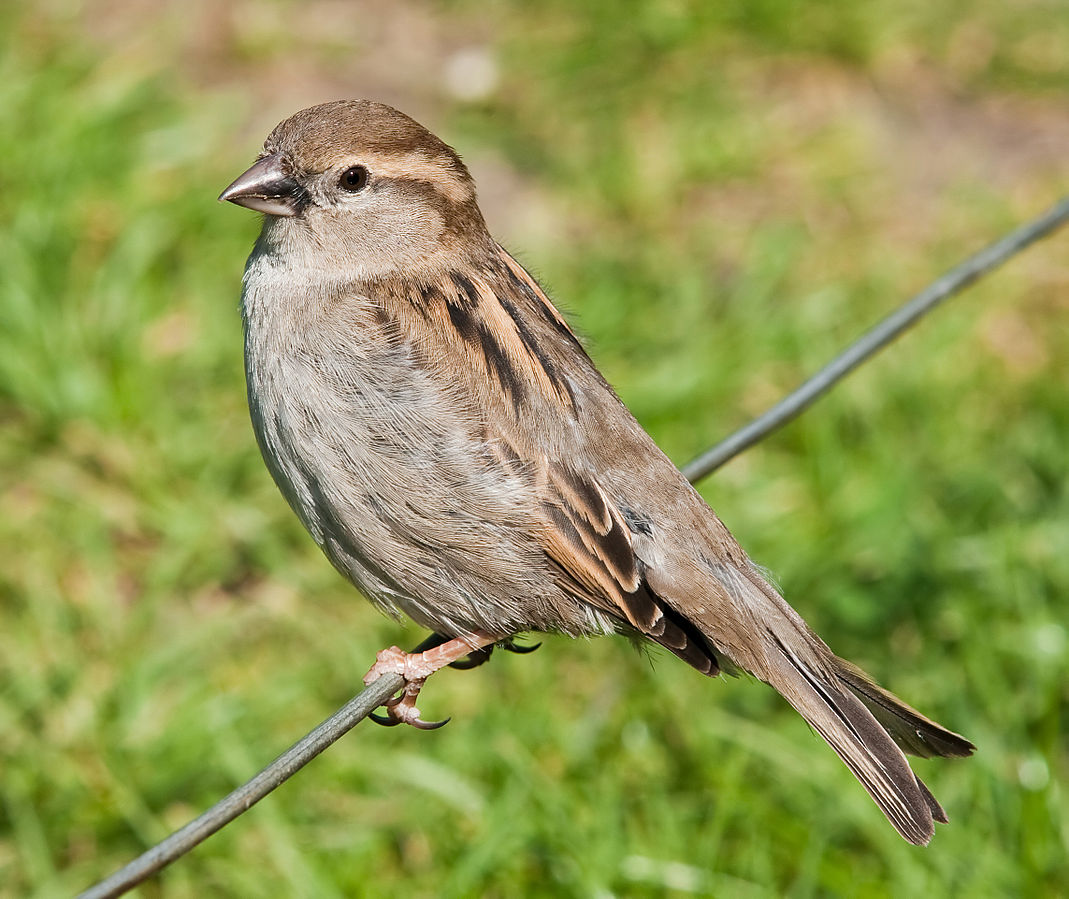
The House Sparrow stands as the most common bird species globally. It thrives in various habitats, including cities and rural areas. These small birds play a vital role in ecosystems by controlling insect populations and spreading seeds. Their presence indicates a healthy, balanced environment.
In the intricate web of life, birds play a pivotal role in maintaining balance within ecosystems. Their activities impact plant growth, insect populations, and even other animals. Understanding how the most common bird species contribute can offer insights into the health of our natural world.
Pollination And Seed Dispersal
Birds are unsung heroes when it comes to pollination and seed dispersal. Many plants rely on birds to help spread their seeds far and wide. For example, the vibrant hummingbird is not only a delight to watch but also a critical pollinator for numerous flowering plants. You might have noticed birds eating berries in your backyard. They often carry seeds over long distances, ensuring the growth of new plants. This natural seed dispersal helps maintain plant diversity, which in turn supports a variety of wildlife.
Pest Control
Birds act as natural pest controllers, keeping insect populations in check. Consider the barn swallow, which can consume hundreds of insects in a single day. Having these birds around can significantly reduce the number of pests without the need for chemical pesticides. Imagine your garden thriving without the constant battle against bugs. Birds like sparrows and warblers feast on insects that could otherwise harm plants. This symbiotic relationship benefits both the birds and the environment.
Food Chain Dynamics
Birds are integral parts of the food chain, serving as both predators and prey. They help regulate animal populations, maintaining ecological balance. For instance, owls hunt rodents, which can prevent these small animals from overpopulating. Ever wonder what happens to all those insects and small animals? Birds provide food for larger predators, such as hawks and eagles. This dynamic ensures a balanced ecosystem where each creature plays its part. Reflect on the last time you observed birds in nature. Their presence is a reminder of the interconnectedness of life. How can you support these vital creatures in your environment? Encouraging bird-friendly habitats can make a significant difference, promoting both biodiversity and ecological health.
Credit: chicagocommunitygardens.weebly.com
Conservation Efforts
Conservation efforts are crucial in preserving the most common bird species we cherish. With habitats under threat and bird populations declining, protecting these beautiful creatures has never been more important. As you read on, consider how you can contribute to these efforts.
Protecting Habitats
Birds need safe spaces to thrive. Habitat destruction is a major threat to their survival. Whether it's deforestation, urban development, or pollution, these factors can devastate bird populations.
Think about the parks and green spaces in your community. They play a vital role in offering sanctuary to local bird species. Supporting organizations that work to maintain these areas can make a real difference.
Imagine waking up to a world without birdsong. It's a haunting thought, but it's a reality we could face without concerted efforts to safeguard their homes.
Legislative Measures
Laws can protect birds from harm. Governments worldwide have enacted legislation to prevent hunting and preserve natural habitats.
Research the laws in your area. Are they effective in conserving bird populations? Knowing this can empower you to advocate for stronger measures.
Consider the impact of your voice. When you speak up for birds, you contribute to shaping policies that ensure their survival.
Community Involvement
You can join local conservation groups. These organizations often rely on volunteers to help monitor and protect bird species.
Have you ever participated in a bird-watching event? It's not only enjoyable but also helps gather crucial data for conservation efforts.
Share your experiences with friends and family. Engaging more people in conservation creates a ripple effect that benefits birds and the environment.
What role will you play in conserving the birds you love? Your actions can lead to meaningful change. As you ponder this, remember that every effort counts in safeguarding the future of our feathered friends.
Future Trends In Bird Populations
The future trends in bird populations are intriguing yet concerning. Changes in the environment shape how birds live and thrive. As we dive deeper, three key factors emerge. Each has a unique impact on bird species around the world.
Impact Of Climate Change
Climate change shifts habitats. Birds struggle to adapt quickly. Rising temperatures affect migration patterns. Some birds leave traditional nesting areas. This can lead to population declines. Food sources may also change. Birds must find new places to feed. Some species face extinction risks. Monitoring these changes is crucial.
Urbanization Effects
Cities expand rapidly. Birds must adapt to new urban landscapes. Some species thrive in cities. Pigeons and sparrows are common examples. Other birds face challenges. Noise and pollution affect their health. Loss of natural habitats is a major concern. Efforts to make cities bird-friendly are essential. Creating green spaces can help protect urban birds.
Conservation Success Stories
Conservation efforts make a difference. Many bird species rebound due to dedicated projects. Protecting habitats is a key strategy. Breeding programs help endangered birds. Communities play vital roles in conservation. Awareness campaigns educate the public. Success stories inspire more action. Hope persists for bird populations worldwide.
Frequently Asked Questions
What Is The Most Common Bird Worldwide?
The most common bird species worldwide is the domestic chicken. These birds are found globally due to their agricultural importance. In the wild, the red-billed quelea is known for its vast numbers in Africa. They form massive flocks, sometimes numbering in the millions.
Which Bird Is Most Frequently Seen In Cities?
The rock pigeon, often called the common pigeon, is frequently seen in cities. These adaptable birds thrive in urban environments, feeding on food scraps. Their ability to nest on buildings makes them a ubiquitous sight in many metropolitan areas worldwide.
Why Are House Sparrows So Common?
House sparrows are common due to their adaptability to human environments. They thrive in urban and rural areas, feeding on various food sources. Their ability to nest in buildings and reproduce quickly contributes to their widespread presence globally.
What Bird Is Most Common In North America?
The American robin is among the most common birds in North America. Recognizable by its red breast, this bird thrives in gardens, parks, and forests. It is a familiar sight during spring and summer, known for its melodious song.
Conclusion
Birdwatching offers joy and knowledge. Discovering common bird species enriches this hobby. Sparrows, pigeons, and robins often catch our eyes. These birds adapt well to urban and rural areas. Observing them helps us connect with nature. It also raises awareness about their habitats.
Sharing this knowledge can inspire others to appreciate birds. Let’s cherish these feathered friends around us. Next time you see a bird, pause. Observe its colors and behaviors. Enjoy the simple beauty they bring to our world. Keep exploring. Keep learning.