


Have you ever wondered what the largest bird species on Earth is? Imagine a creature so grand that its very presence captures your imagination and curiosity.
You're about to delve into the fascinating world of the largest bird on our planet. Uncover the secrets of this majestic animal, learn about its unique characteristics, and discover why it stands out in the animal kingdom. Get ready to be amazed by facts that might surprise you and inspire your next conversation.
By the end of this article, you’ll not only know what the largest bird is but also gain a deeper appreciation for the wonders of nature. Keep reading to satisfy your curiosity and expand your knowledge!
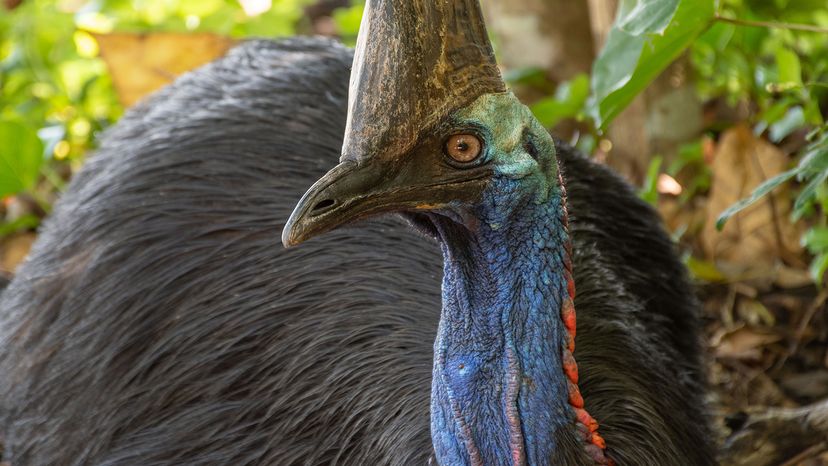
Credit: animals.howstuffworks.com
Largest Bird Species
The ostrich stands as the largest bird species on Earth. Native to Africa, it can grow up to 9 feet tall. Its powerful legs make it the fastest runner among birds, reaching speeds of 43 miles per hour.
When you think about the largest bird species on Earth, what comes to mind? You might imagine a bird so large that its wingspan rivals the length of a car. The largest bird species, known for its grandeur and magnificence, is the African Ostrich. These flightless giants are a marvel to behold, not just for their size but also for their unique adaptations to survive in harsh environments. Exploring these fascinating creatures can give you a new appreciation for the diversity of life on our planet.
Largest Bird Species: The African Ostrich
The African Ostrich stands out as the largest bird species on Earth. An adult male ostrich can weigh up to 156 kilograms (about 344 pounds) and stand nearly 2.7 meters (around 9 feet) tall. Their wingspan, although not used for flying, can reach over 2 meters. Why are they so large? One reason is their flightless nature. Unlike birds that need to fly, ostriches have evolved to be fast runners. They can sprint at speeds of up to 70 kilometers per hour (about 43 miles per hour) to escape predators.
Unique Characteristics Of The African Ostrich
Ostriches have two toes on each foot, unlike most birds, which have three or four. This adaptation helps them run faster. Have you ever noticed how a sprinter's shoes are designed for speed? Ostriches have built-in running shoes! Their long necks and legs give them an advantage in spotting predators from afar. Imagine being able to see over a tall fence without standing on your toes. This ability allows them to thrive in the open savannas of Africa.
Adaptations For Survival
These birds have an incredible ability to survive in hot climates. Their feathers, unlike those of flying birds, provide insulation against the sun's heat. How do you stay cool on a hot day? Think of their feathers as nature’s air conditioning system. Ostriches can also go without water for long periods. They get moisture from the plants they eat. Have you ever tried to drink less water to see how long you can go? For ostriches, it's a natural part of life.
Role In Ecosystems
Ostriches play a crucial role in their ecosystems. By eating plants, they help to shape the vegetation landscape. Their droppings also provide essential nutrients that enrich the soil, supporting plant growth. Next time you see a bird, think about the role it plays in its environment. Each species, big or small, contributes to the balance of nature.
Your Connection To Birds
Have you ever considered how birds impact your life? Whether it's the song of a morning bird or the sight of an ostrich on a safari, birds add richness to our world. Perhaps you could explore local birdwatching opportunities to connect more deeply with nature. Understanding the largest bird species on Earth can inspire awe and curiosity. Whether through travel, books, or documentaries, learning about these magnificent creatures can broaden your perspective and deepen your connection with the natural world. What will you discover next about our feathered friends?
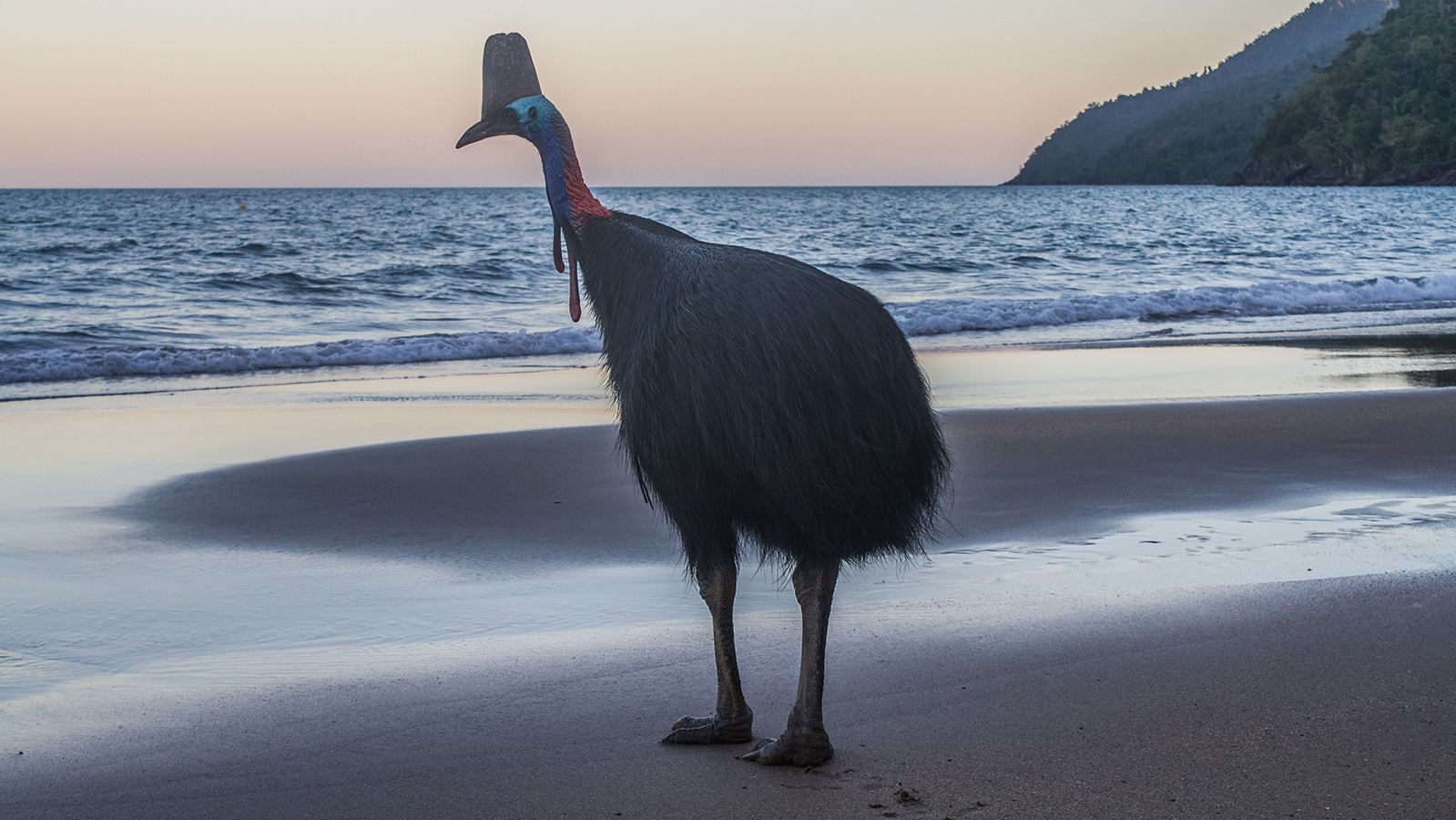
Credit: animals.howstuffworks.com
Ostrich: The True Giant
Ever wondered what it's like to stand next to the largest bird on Earth? The ostrich, with its towering height and intriguing characteristics, is a true giant in the avian world. Despite being flightless, this bird has captivated humans for centuries with its speed and unique adaptations.
Physical Characteristics
The ostrich is massive. It can grow up to nine feet tall, making you feel like you're standing next to a basketball hoop. Its weight can reach up to 320 pounds, which is more than some adult humans.
Its long legs are not just for show—they help it sprint at speeds up to 45 miles per hour. The ostrich’s eyes are the largest of any land animal, giving it excellent vision to spot predators from afar.
Habitat And Distribution
Ostriches primarily thrive in Africa. They prefer open savannas and woodlands. If you're visiting these regions, keep an eye out for these towering birds.
They are well-adapted to hot climates, making them perfectly suited for the African landscape. Their range extends from the Sahel to the southern parts of the continent.
Diet And Feeding Habits
Ostriches are omnivores. They eat plants, seeds, and insects. Occasionally, they consume small animals or reptiles.
Interestingly, ostriches have a unique way of eating. They swallow pebbles to help grind food in their gizzards. This might make you wonder about the lengths animals go to survive.
Have you ever considered the adaptations that allow creatures to thrive in challenging environments? The ostrich's physical characteristics, habitat preferences, and diet choices offer fascinating insights into nature's ingenuity. Next time you see an ostrich, take a moment to appreciate its role as nature’s true giant.
Comparing Other Large Birds
The ostrich holds the title as the largest bird species on Earth. It towers over other birds with its long legs and neck. Weighing up to 350 pounds, this flightless bird is a true giant in the avian world.
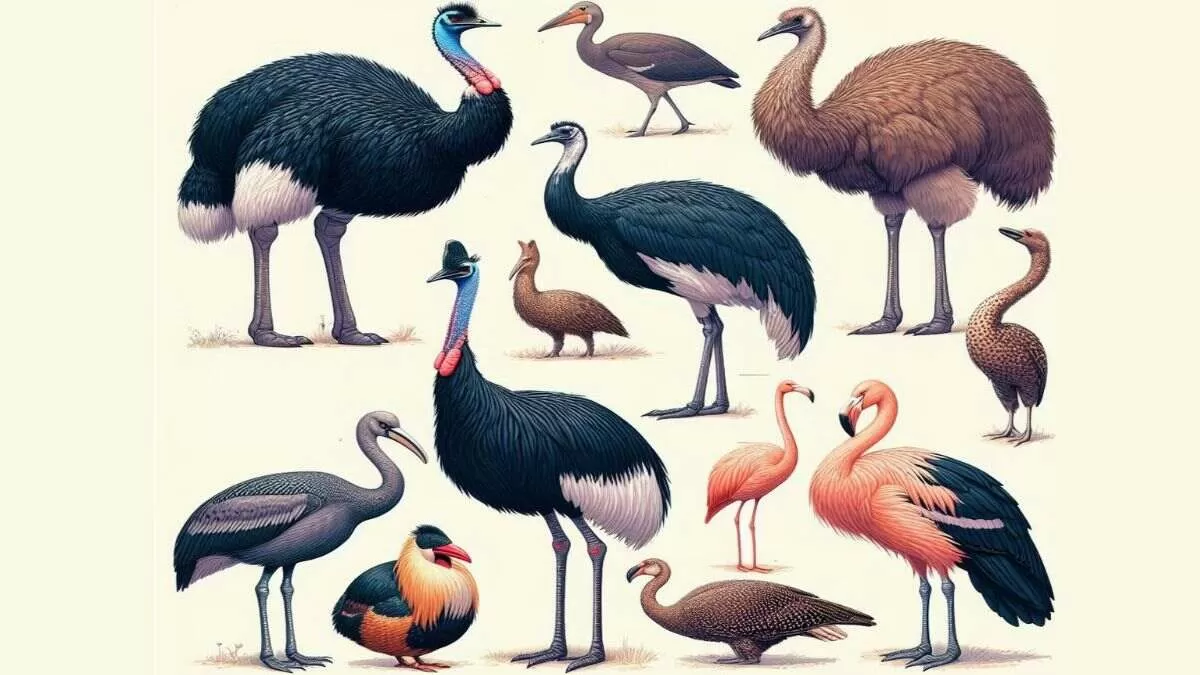
Understanding the largest bird species on Earth often leads us to the majestic ostrich. But have you ever wondered how other large birds measure up? Let’s dive into a comparison of some of the biggest bird species out there. Each of these birds has unique features that make them fascinating. You might even find one that captures your imagination more than the towering ostrich.
Emu: Second In Size
The emu is not just a close relative of the ostrich; it’s the second-largest bird by height. Native to Australia, emus can grow up to six feet tall. That’s taller than most people! These flightless birds are known for their speed and endurance. They can sprint at nearly 30 miles per hour. If you've ever seen an emu run, you know it’s a sight to behold.
Cassowary: The Hidden Giant
Cassowaries are often called the world's most dangerous bird. This title comes not just from their size but from their fierce nature. They can weigh up to 130 pounds and stand over 5 feet tall. What makes the cassowary intriguing is its striking appearance. With a bright blue face and a helmet-like casque on their heads, they are hard to miss. But would you want to meet one in the wild?
Rhea: The South American Contender
Rheas are South America's answer to the ostrich and emu. They are large, flightless birds that roam the open lands of Argentina, Brazil, and other countries. Rheas can grow up to 5 feet tall and weigh around 50 to 88 pounds. Unlike ostriches, rheas prefer a more social lifestyle. They are often found in groups, sometimes mingling with other animals. Have you ever considered how this social behavior might help them survive? Each of these birds showcases the diversity of our planet’s avian giants. They remind us that size and adaptability come in many forms. Which of these large birds would you like to learn more about?
Unique Adaptations
The largest bird species on Earth is the majestic ostrich. This flightless wonder boasts unique adaptations that enable survival in harsh environments. These adaptations have evolved over time, allowing the ostrich to thrive despite its inability to take flight. The bird’s physical and behavioral traits are fascinating, showcasing nature's ingenuity in overcoming limitations.
Flightless Nature
Ostriches are flightless due to their massive size. Their wings are small compared to their body. These wings serve a different purpose. They help in balance and courtship displays. The absence of flight is compensated by strong legs and keen eyesight.
Speed And Agility
Despite not flying, ostriches are remarkably fast runners. They can reach speeds of up to 45 miles per hour. Their long legs and muscular build aid in quick movement. This speed helps in escaping predators. Agility in their legs allows swift changes in direction.
Reproductive Strategies
Ostriches have unique reproductive strategies. They lay large eggs in communal nests. This collective nesting increases survival chances. The dominant female chooses the prime nesting spot. Males help in guarding the nests at night. These strategies ensure the young are protected.
Conservation Status
The largest bird species on Earth is the ostrich. It stands tall and proud in the animal kingdom. Yet, this magnificent bird faces many challenges. Understanding its conservation status is crucial. This helps ensure its survival for future generations.
Threats And Challenges
The ostrich faces several threats in its natural habitat. Habitat loss is a major concern. Urbanization and agriculture reduce its living space. Poaching also poses a significant threat. People hunt ostriches for their feathers, skin, and meat. Climate change further impacts their environment. It alters the availability of food and water sources. These factors make survival increasingly difficult for the ostrich.
Protection Efforts
Efforts are underway to protect the ostrich. Conservation programs aim to preserve their natural habitats. Laws and regulations help curb illegal poaching. Awareness campaigns educate the public about the ostrich's plight. Conservationists work with local communities. They promote sustainable practices that benefit both people and wildlife. Captive breeding programs also play a role. They help maintain healthy ostrich populations. These efforts are crucial in ensuring the ostrich's future.
Credit: www.jagranjosh.com
Cultural Significance
The ostrich holds the title of the largest bird species on Earth. Known for its impressive height and speed, this bird has significant cultural importance in various myths and traditions worldwide. Its feathers, eggs, and even its presence are cherished across different cultures.
The largest bird species on Earth, the ostrich, is not just a marvel due to its size. Its cultural significance stretches across various societies, influencing mythology, folklore, and human traditions. This bird has inspired stories and symbolisms that resonate with many. Its unique traits have captured the human imagination, leading to rich cultural narratives that are both intriguing and insightful.
Mythology And Folklore
Throughout history, the ostrich has found its place in mythology and folklore. Ancient Egyptians admired the ostrich for its feathers and incorporated them into art and symbolism. The feathers were seen as symbols of truth and justice, often depicted in the headdresses of deities and rulers. In African folklore, the ostrich is portrayed as a wise creature. Stories often narrate its strategic cunningness, using speed and strength to outwit predators. These tales reflect the respect and admiration people have for the ostrich's natural abilities. Interestingly, some cultures viewed the ostrich as a creature caught between two worlds—earth and sky. Its ability to run fast yet being flightless creates a narrative of duality and balance, often reflected in their stories.
Role In Human Culture
The ostrich's influence on human culture is profound. Its feathers have been used in fashion, particularly in the early 20th century, when they symbolized elegance and luxury. Ostrich farms emerged, providing feathers for clothing and accessories, shaping fashion trends. Beyond fashion, ostrich meat has become a delicacy in many parts of the world. Its lean and healthy properties make it a preferred choice for health-conscious individuals. You might have seen it featured in gourmet recipes, reflecting its culinary significance. Moreover, ostriches have inspired conservation efforts. Seeing them in the wild is a reminder of nature's grandeur and the importance of preserving wildlife. This prompts a question for you: How can we balance our cultural appreciation of the ostrich with efforts to protect its natural habitat? The cultural significance of the ostrich goes beyond stories and traditions. It challenges us to think about our role in preserving its legacy.
Frequently Asked Questions
What Is The Largest Bird On Earth?
The largest bird species on Earth is the ostrich. Ostriches can weigh up to 350 pounds and stand 9 feet tall. They are native to Africa and are known for their fast running speed. Despite their size, ostriches cannot fly, but they have powerful legs for defense.
How Fast Can An Ostrich Run?
Ostriches are incredibly fast runners, reaching speeds of up to 45 miles per hour. Their long legs and powerful muscles help them escape predators. This speed makes them one of the fastest animals on land, allowing them to cover vast distances quickly.
Why Can't Ostriches Fly?
Ostriches can't fly because of their large body size and small wing span. Their wings are adapted for balance and courtship displays instead of flight. Evolution favored strong legs for running, helping them evade predators on the ground.
Where Do Ostriches Live?
Ostriches primarily live in African savannas and desert regions. They thrive in open landscapes where they can run freely. These environments provide ample food sources and space for their social groups, known as herds.
Conclusion
The largest bird on Earth is truly fascinating. The ostrich holds this title. It stands tall with its long legs and neck. Its size is unmatched among birds. Ostriches can't fly, but they run fast. They're found in Africa's vast savannas and deserts.
These birds are vital to their ecosystem. They help in seed dispersal and provide food for predators. Understanding them enriches our knowledge of wildlife. So, next time you spot an ostrich, remember its incredible role. Appreciate these majestic giants of the bird world.
They truly are nature's wonders.