


Imagine finding a tiny, feathered creature in your backyard, chirping for help. It's a baby bird, but what kind?
You want to help, but first, you need to know more about this little visitor. Identifying a baby bird species can feel like solving a mystery, especially when they look so different from their grown-up counterparts. You might feel overwhelmed, but don't worry—this guide is here to help you unlock the secrets of bird identification.
With a few simple tips, you can become a bird detective, discovering the unique features that will lead you to the right species. Your curiosity and care can make a big difference in understanding and supporting these young birds. Ready to crack the case? Let's dive in and explore how you can identify a baby bird species with confidence and ease.
Key Features Of Baby Birds
Identifying a baby bird species can be an intriguing challenge, especially when they look so different from their adult counterparts. Observing key features is essential for accurate identification. These features include feather patterns, beak shapes, and the structure of their legs and feet. By honing in on these characteristics, you can become more adept at recognizing different baby bird species in your backyard or during nature walks.
Feather Patterns
Baby birds often have different feather patterns compared to adults. They may appear fluffier or have less distinct markings, which can make identification tricky. Pay attention to the color and arrangement of their feathers. Some birds have downy feathers that are soft and fluffy, while others may have speckled or streaked patterns. Take note of any unique colorations or markings that stand out.
Beak Shapes
The shape of a baby bird's beak can provide significant clues about its species. Beaks are specialized tools that reflect the bird's diet and feeding habits. A finch, for example, might have a short, conical beak perfect for cracking seeds. In contrast, a baby heron may exhibit a long, pointed beak for catching fish. Observe whether the beak is curved, straight, short, or long to narrow down your options.
Leg And Foot Structure
Leg and foot structures vary greatly among bird species and can be a reliable identification tool. Webbed feet might indicate a water bird, such as a duckling, which is adapted for swimming. On the other hand, grasping feet with sharp talons suggest a predatory bird, like a young hawk. Look at the length and strength of the legs, as well as the arrangement of toes, to gather more clues.
Have you ever tried to identify a baby bird species by using these features? It can be a rewarding experience that connects you to the natural world. Next time you encounter a fledgling, examine these characteristics closely. You might discover more about the bird's life and habits, enhancing your appreciation for these fascinating creatures.

Credit: www.eastvalleywildlife.org
Habitat Clues
Spotting clues in the habitat helps identify baby bird species. Observe nest location and surrounding vegetation. Notice food sources nearby, such as insects or seeds. Look at the nest's height and structure. These details provide hints about the bird's identity.
Identifying baby bird species can be a fascinating and rewarding endeavor, especially when you learn to use habitat clues. Observing the environment where a bird is found provides essential hints about its identity. By focusing on nest location, surrounding vegetation, and geographical region, you can become adept at determining which species you're looking at. Let's dive into these habitat clues to enhance your bird identification skills.
Nest Location
Birds often select specific locations for their nests based on their species' preferences. Some might build their nests high in the trees, while others prefer low bushes or even on the ground. Observing where a nest is situated can give you a strong indication of the bird's identity. Think of a time when you spotted a nest perched precariously on the edge of a cliff. This likely belongs to a bird that favors such dramatic landscapes. Can you guess which species thrives there?
Surrounding Vegetation
The type of vegetation surrounding a nest is another vital clue. Different bird species have distinct preferences for the flora around them. Some birds might choose dense forests, while others opt for open fields or wetlands. Have you ever noticed a nest nestled within a thicket of thorny bushes? This might be a sign of a species that values protection and camouflage. Could this be the elusive sparrow that you've been trying to identify?
Geographical Region
The geographical region where you find a bird can narrow down your options significantly. Birds are often native to specific areas, and their species distribution is influenced by climate and available resources. Consider the birds you might encounter in your local park versus those in a mountain range. Each area hosts its unique bird population. Have you recently traveled and noticed how the birds differed from those at home? What does this tell you about their habitat preferences? By paying attention to these habitat clues, you not only become a skilled bird identifier but also develop a deeper appreciation for the intricate connections between birds and their environments. Remember, nature is always communicating if you're willing to listen. What unexpected insights have you discovered during your bird-watching adventures?
Behavioral Observations
Spotting baby bird species involves observing distinct behaviors. Watch for feeding habits and nesting preferences. Notice plumage color and size differences to aid identification.
Observing the behavior of a baby bird can be a fascinating and effective way to identify its species. By paying attention to specific actions and habits, you can gather important clues about what type of bird you're dealing with. Behavioral observations can be your window into understanding these tiny creatures. Let's explore some key behaviors that can help you identify a baby bird.
Feeding Habits
Baby birds have unique feeding habits that can reveal their species. Watch how the parent birds feed their young. Do they bring insects, seeds, or worms? The type of food delivered can give you a hint. For instance, insect-eating birds often have a rapid feeding schedule, bringing back small morsels frequently. Notice if the baby bird begs for food by fluttering its wings or making distinct calls. These actions can provide clues about its natural diet and, consequently, its species.
Vocalizations
The sounds a baby bird makes are not just adorable—they're informative. Listen for specific types of calls. Is the chirping constant and rhythmic or sporadic and varied? Some species have distinctive calls even when young. Recall a time when you heard a baby robin's repetitive chirps, indicating its need for attention. Pay attention to the tone and pitch. These vocal characteristics can sometimes be linked to specific bird families.
Movement Patterns
Watch how a baby bird moves both inside and outside the nest. Does it hop, waddle, or attempt to fly? These movements are often linked to the bird's physical development stage. Consider how a fledgling's awkward attempts to fly might indicate it's a species known for early flight attempts, like sparrows. Observe the bird's interaction with its surroundings. Does it explore actively, or does it stay close to the nest? These patterns can offer insights into its natural behavior and help in identifying the species. By observing these behaviors, you can turn birdwatching into a rewarding and educational experience. Have you ever identified a bird just by its behavior? Share your experiences and let's learn together!
Using Identification Guides
Discovering the species of a baby bird can be intriguing. Identification guides offer clear visuals and descriptions. These tools help match features like color, size, and beak shape.
Identifying baby bird species can be a rewarding challenge for nature enthusiasts. With their tiny features and often fuzzy appearance, baby birds can look vastly different from their adult counterparts. Identification guides are indispensable tools in this process. They offer insights into specific features, behaviors, and habitats that help pinpoint the species. Let’s explore the different types of identification guides you can use to become a baby bird expert.
Field Guides
Field guides are a traditional yet reliable resource for bird identification. They are compact books filled with detailed illustrations or photos of birds, including their young. A good field guide will have a section dedicated to juvenile birds, highlighting key features like feather patterns and colors. Carrying a field guide during your nature walks can make real-time identification much easier. You can compare the bird in front of you with the images and descriptions in the guide. This hands-on approach not only helps in identification but also enriches your bird-watching experience.
Mobile Apps
In today’s digital age, mobile apps have become essential tools for bird watchers. Apps like Merlin Bird ID and iBird Pro offer extensive databases to identify birds, including their young. These apps often include photos, audio recordings, and detailed descriptions. One advantage of mobile apps is their interactive features. Some apps allow you to input visible characteristics like size, color, and behavior to narrow down possible species. They also update regularly, ensuring you have the latest information at your fingertips.
Online Resources
The internet is a vast resource for bird identification, with numerous websites dedicated to avian studies. Websites like the Cornell Lab of Ornithology provide comprehensive information, including sections on fledgling birds. They offer high-resolution images, videos, and even forums where you can ask for help from experienced bird watchers. Online resources are particularly useful if you're unsure about a specific feature of a baby bird. Search engines can quickly lead you to forums or articles that offer insights or similar identification cases. Have you ever identified a bird by its distinct call or unusual markings using an online resource? Using these guides effectively requires practice and patience. Over time, you'll develop an eye for the subtle differences that set each species apart. Whether you're in the field, using an app, or browsing online, these tools will enhance your bird-watching journey.
Consulting Birding Experts
Consulting birding experts helps identify baby bird species through key features like feather patterns and beak shapes. Observing habitat and behavior provides essential clues for accurate identification. Expert advice ensures a reliable approach to distinguishing different young birds.
Identifying a baby bird species can be both challenging and rewarding. One of the most effective ways to enhance your bird identification skills is by consulting birding experts. Their wealth of knowledge can guide you through the nuances of bird identification. They can help you understand key characteristics and behaviors that are unique to each species. Let's explore how you can tap into this valuable resource.
Local Birdwatching Groups
Joining a local birdwatching group can be a game-changer. These groups are filled with passionate bird enthusiasts who love sharing their insights. You get the opportunity to learn from their experiences and even participate in group birdwatching activities. Have you ever attended a birdwatching event in your community? It's fascinating how much you can learn by observing alongside others. Members often bring their own experiences and tips, which can be invaluable when you're trying to identify a baby bird species. Consider attending a weekend birdwatching trip. It's not only educational but also a great way to meet fellow bird lovers. You might even make some lifelong friends who share your interests.
Wildlife Rehabilitation Centers
Wildlife rehabilitation centers are another excellent resource. These centers often have experts who are accustomed to caring for injured or orphaned birds. Their expertise can be particularly helpful when you're trying to identify a baby bird. Have you ever visited a wildlife center? The staff there can provide you with detailed information about the birds they care for. They can also offer guidance on distinguishing features of different species. Some centers even offer educational programs or workshops. By participating, you can gain deeper insights into bird behavior and identification.
Ornithology Workshops
Ornithology workshops provide a more structured learning environment. These workshops are typically led by experts in the field and are designed to deepen your understanding of bird species, including the identification of baby birds. Imagine attending a workshop where you can ask questions and get immediate feedback. The hands-on experience you gain is invaluable. You also get to learn about the latest research and techniques in bird identification. Are there ornithology workshops in your area? These events can be a fantastic way to improve your skills and meet like-minded individuals. You might even discover a newfound passion for ornithology! By engaging with these resources, you can significantly improve your ability to identify baby bird species. What are you waiting for? Dive into the world of birding and see what you can discover.

Credit: national-wildlife-rehabilitators-association.myshopify.com
Documenting Observations
Identifying a baby bird species can be a thrilling adventure, especially when you document your observations. Capturing the details not only helps in identification but also enhances your bird-watching experience. Armed with the right tools and strategies, you can create a valuable record that can assist in future birding endeavors. Let's explore how photography, note-taking, and data sharing can aid in documenting your observations.
Photography Tips
Photography is a powerful tool for documenting baby birds. A clear photo can capture unique features like plumage, beak shape, or eye color. Use a camera with a good zoom lens to take detailed shots without disturbing the bird. Try different angles and lighting to highlight distinctive traits. Don't hesitate to snap multiple pictures; sometimes the best shot is the one you least expect.
Have you ever taken a picture of a bird only to discover an unexpected detail later? This is why photos are invaluable—they reveal nuances that the naked eye might miss. Share your photos with fellow bird enthusiasts to get their insights and maybe even identify the bird species together.
Note-taking Strategies
Writing down observations can be just as crucial as capturing them visually. Keep a small notebook handy to jot down details like the bird's size, behavior, and habitat. Date and time your entries for future reference. Consider using bullet points for quick and efficient note-taking.
As you observe, ask yourself questions: What is the bird doing? How is its behavior different from adult birds? This reflection not only aids in identification but sharpens your observation skills. Can you recall a time your notes helped solve a mystery or identify a bird species?
Data Sharing Platforms
Sharing your observations with others can be enlightening. Platforms like eBird and iNaturalist allow you to upload photos and notes, connecting you with a community of bird watchers. These platforms often provide feedback and identification tips from experienced birders.
Think about how sharing data can enrich your birding experience. Have you ever uploaded a bird photo and received unexpected insights or confirmations from others? Engaging with a community can expand your knowledge and appreciation for these feathered friends.
Documenting your observations not only aids in identifying baby bird species but also deepens your connection with nature. Your detailed records could be the key to spotting patterns and understanding bird behavior better. What unique details will you capture on your next birding adventure?
Ethical Bird Watching
Bird watching can be a delightful hobby, especially when you spot a baby bird and try to identify its species. But ethical bird watching is crucial. It ensures the safety and well-being of these delicate creatures. Are you mindful of your presence while observing them? Let's explore how you can watch responsibly.
Minimizing Disturbance
Your presence should be unobtrusive. Approach slowly and quietly when observing baby birds. Loud noises or sudden movements can scare them and disrupt their natural behaviors. Think of how you feel when startled; birds experience similar stress.
Use binoculars to keep a respectful distance. This reduces the need to get too close, allowing you to enjoy the view without causing distress. Remember, you are a guest in their habitat. Would you appreciate a visitor barging into your home?
Respecting Wildlife Habitats
Baby birds are often found in delicate environments. Be mindful of where you step. Avoid trampling on vegetation or disturbing nests. Each habitat is crucial for their survival and growth.
Consider this: a single misplaced footstep can destroy a nest, affecting the bird’s future. Keep to established paths and observe from afar. This simple act of respect preserves their home for generations.
Promoting Conservation
Every bird watcher can be a conservation advocate. Share your experiences and the importance of protecting bird species with others. Your stories can inspire them to appreciate and safeguard wildlife.
Support local bird sanctuaries and initiatives. Whether through donations or volunteering, your contributions make a difference. Would you like to leave a positive legacy for future bird watchers?
Ethical bird watching enriches your experience and supports the well-being of birds. As you identify and admire these baby birds, remember the impact of your actions. Are you ready to make a positive change in the world of bird watching?
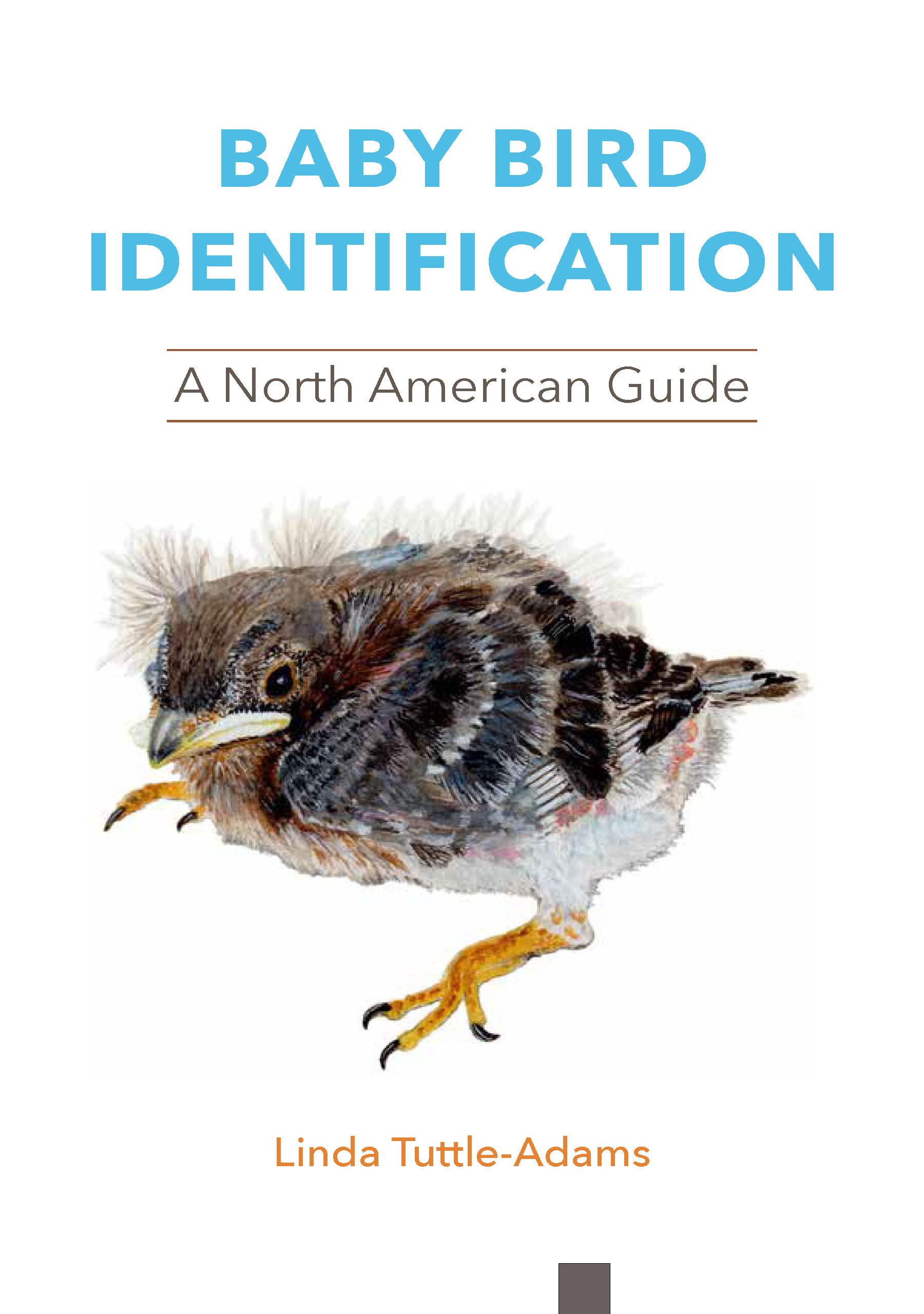
Credit: www.birderslibrary.com
Frequently Asked Questions
How Can I Identify A Baby Bird?
Identifying a baby bird involves observing its size, plumage, and behavior. Note unique features like beak shape or color patterns. Comparing these characteristics with bird guides or apps can help. Listening to its calls and noting its habitat can also provide clues about its species.
What Do Baby Birds Look Like?
Baby birds often have sparse feathers, large eyes, and oversized beaks. Their plumage is usually duller than adults. They might appear fluffy due to down feathers. Young birds exhibit rapid growth, so their appearance can change quickly. Observing these traits can help in identifying the species.
Can Baby Birds Be Identified By Their Calls?
Yes, baby birds have distinctive calls. Their calls can be softer and less varied than adults. Listening closely to these vocalizations can aid in species identification. Birding apps or guides often include audio samples, which can be useful for matching calls to specific species.
What Should I Do If I Find A Baby Bird?
If you find a baby bird, first observe if it needs help. Many young birds are fledglings learning to fly and don't require intervention. If it's injured or in danger, contact a wildlife rehabilitator. Avoid handling it too much, as it may stress the bird.
Conclusion
Identifying baby bird species can be a fun adventure. Pay attention to key features. Look at the beak, feathers, and size. These details can help. Listening to their calls is also useful. Each species has unique sounds. Use a guidebook or app for reference.
Practice makes it easier over time. Sharing your findings with friends can be rewarding. Enjoy observing these little wonders. They grow fast, so cherish the moments. Happy birdwatching!