


Have you ever wondered why certain bird species are disappearing from our skies? It’s a question that can tug at your heartstrings and spark curiosity about the natural world.
By understanding the reasons behind these declines, you can become part of the solution. You'll discover simple steps to identify the causes of a bird species' decline. Imagine how satisfying it will be to contribute to the conservation of these feathered friends.
You’ll learn how to spot the signs and what actions you can take to help protect them. Dive in and explore how your efforts can make a real difference in preserving biodiversity for future generations. Stay with us to uncover the secrets behind the shrinking numbers and empower yourself to be an advocate for change.
Identifying Decline Indicators
Understanding why a bird species is declining requires careful observation. This involves identifying specific indicators that signal a problem. By analyzing these indicators, conservationists can pinpoint causes and develop solutions. Recognizing these signs early can help reverse population trends.
Several key indicators provide insight into the health of bird species. These include population surveys, habitat changes, and behavioral shifts.
Population Surveys
Population surveys offer a snapshot of bird numbers over time. They track changes in bird populations and highlight trends. Regular surveys reveal declines that might not be visible otherwise. Techniques like point counts and transect walks gather vital data. This data helps measure the impact of environmental changes.
Habitat Changes
Bird habitats are crucial for their survival. Changes in these habitats can signal a decline. Deforestation, urban development, and pollution alter bird environments. These changes can reduce food sources and nesting sites. Monitoring habitat conditions provides clues about species' health.
Behavioral Shifts
Behavioral shifts often indicate stress in bird populations. Changes in feeding, mating, and migration patterns are red flags. Birds might alter behaviors due to food scarcity or predators. Observing these shifts helps understand environmental pressures. It points to underlying factors affecting bird populations.

Credit: www.facebook.com
Analyzing Environmental Factors
Bird species are disappearing at alarming rates. Understanding the reasons is crucial. Environmental factors play a significant role in this decline. By examining these factors, we can identify threats. Then, we can work on solutions.
Climate Change Impacts
Climate change affects bird habitats. Rising temperatures alter ecosystems. Many birds struggle to adapt. Migration patterns change, confusing species. Food sources become scarce. Nesting sites might vanish. These shifts put stress on bird populations.
Pollution Effects
Pollution poses serious risks to birds. Chemicals contaminate water and soil. Air pollution affects respiratory health. Birds ingest harmful substances. Toxic environments lead to lower survival rates. Pollution disrupts breeding. It can cause deformities and diseases. This contributes to population decline.
Land Use Alterations
Human activities reshape landscapes. Urban sprawl reduces natural habitats. Deforestation removes nesting areas. Agriculture transforms ecosystems. Birds lose vital resources. Fragmented habitats hinder movement. Survival becomes a challenge. Conservation efforts must address these changes.
Exploring Biological Causes
Understanding why a bird species is declining involves examining habitat loss, food scarcity, and environmental changes. Identifying these biological factors helps in creating effective conservation strategies. Evaluating local and global impacts provides insight into necessary interventions to protect these vulnerable populations.
Understanding why a bird species is declining can often feel like piecing together a complex puzzle. Biological causes play a crucial role in this mystery. By examining these causes, you can gain insight into the challenges birds face in their natural habitats. Here’s a closer look at some biological factors that might be affecting bird populations.
Disease And Parasites
Disease and parasites can dramatically affect bird populations. They can spread rapidly, especially in densely populated areas, leading to significant declines. Remember the time you noticed fewer birds at your favorite park? It's possible an outbreak had occurred, drastically reducing their numbers. Monitoring and controlling these health threats are essential. You might wonder, how can you help? Simple actions like cleaning bird feeders regularly can reduce the spread of disease among local bird populations.
Genetic Diversity Concerns
Limited genetic diversity can make a bird species more susceptible to diseases and environmental changes. Inbreeding often leads to a weaker gene pool, affecting their overall survival and adaptability. Have you ever noticed how some bird species thrive while others struggle? Supporting conservation efforts can help maintain genetic diversity. Consider participating in local birdwatching clubs or citizen science projects to track bird populations and their health.
Reproductive Challenges
Reproductive issues can severely impact bird populations. Factors such as habitat loss, pollution, and climate change can disrupt breeding patterns. Imagine a world where your favorite bird species no longer sings at dawn because they can't find suitable nesting sites. To address these challenges, creating bird-friendly environments is key. Plant native trees, reduce pesticide use, and install birdhouses to encourage breeding and provide safe nesting spaces. Understanding these biological causes invites you to become a part of the solution. What steps will you take today to help protect our feathered friends? Your actions, however small, can create ripples of positive change in bird conservation.
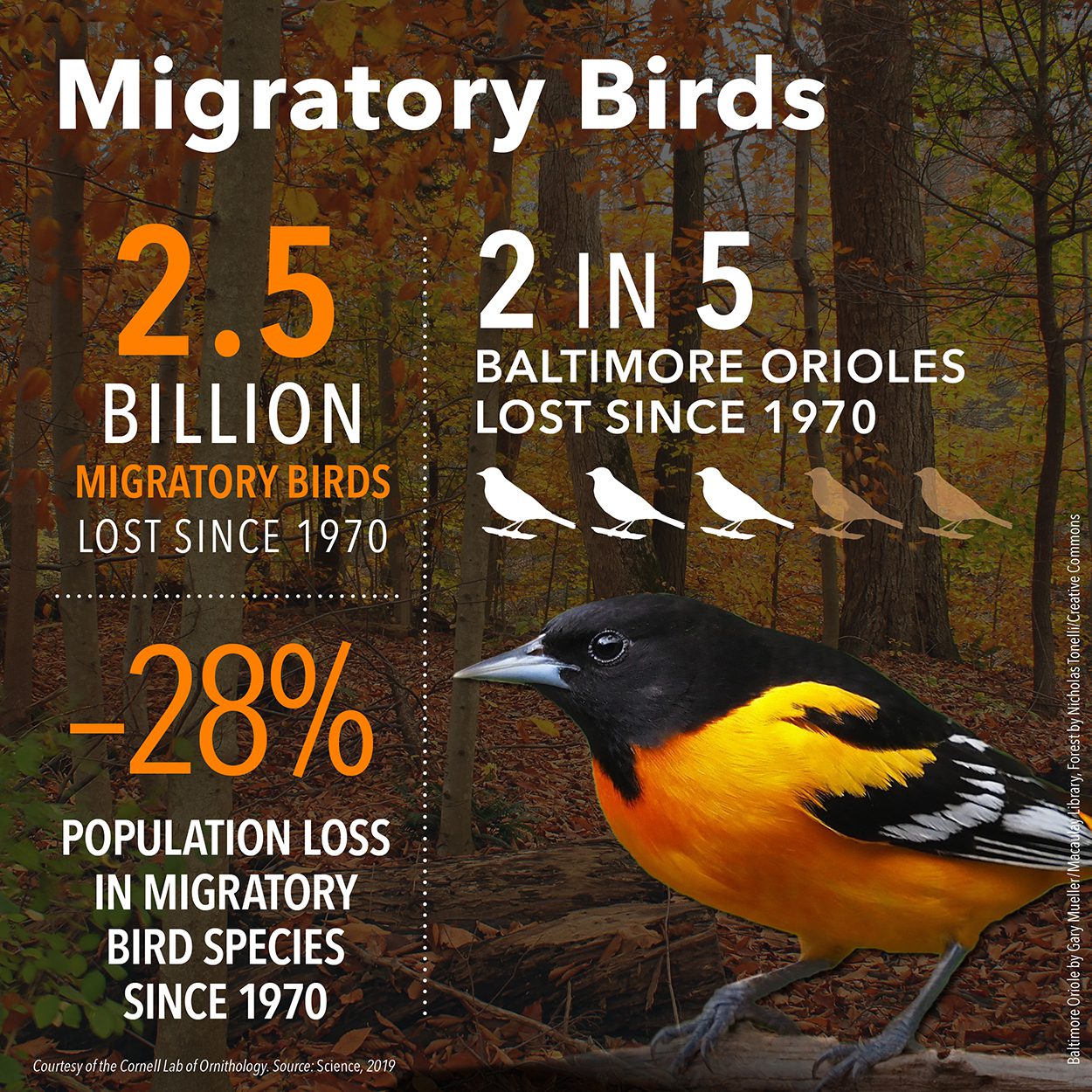
Credit: www.birds.cornell.edu
Human Influence And Interaction
Human activities play a crucial role in bird species decline. Understanding these influences helps identify effective conservation strategies. Birds face threats from various human interactions. Each interaction impacts bird populations differently.
Hunting And Poaching
Illegal hunting targets rare bird species. Hunters seek feathers, meat, and trophies. Poaching disrupts bird populations and ecosystems. Many birds become endangered due to excessive hunting. Laws often struggle to protect vulnerable species.
Urbanization Pressures
Urban growth reduces natural habitats. Birds lose nesting areas and food sources. Noise pollution interferes with bird communication. Bright city lights confuse migratory birds. Urbanization changes landscapes crucial for bird survival.
Agricultural Practices
Farming alters habitats and food availability. Pesticides harm birds and their food sources. Monoculture farming reduces biodiversity. Birds depend on diverse ecosystems for survival. Intensive agriculture threatens many bird species.
Conservation Strategies
Conservation strategies play a key role in reversing bird species decline. By understanding and implementing effective approaches, we can protect and revive their populations. These strategies focus on creating safe habitats, enacting protective laws, and involving communities.
Habitat Restoration
Habitat restoration is crucial for bird conservation. Many species decline due to habitat loss. Restoring native vegetation provides birds with necessary resources. This includes food, shelter, and nesting sites. Reforestation projects can recreate lost woodlands and wetlands. Urban parks can also become bird-friendly spaces. These restored habitats support biodiversity and offer safe havens for birds.
Legislation And Protection
Legislation ensures bird species receive the protection they need. Laws can ban harmful activities like deforestation and pollution. Protected areas, such as national parks, safeguard critical habitats. Wildlife laws can regulate hunting and trapping. International agreements, like the Migratory Bird Treaty, protect birds across borders. Strong enforcement of these laws is essential for success.
Community Engagement
Community engagement fosters a shared responsibility for bird conservation. Educating the public about bird species and their roles is vital. Community programs can involve citizen science projects. People can track bird populations and report sightings. Local groups can organize habitat clean-ups and tree plantings. Engaged communities often lead to healthier, thriving bird populations.

Credit: www.youtube.com
Expert Research And Collaboration
Understanding why a bird species is in decline requires expert research and collaboration. Scientists and conservationists come together to study these changes. Their efforts shed light on the complex factors affecting bird populations. Collaborative research provides insights that are crucial for conservation strategies.
Field Studies And Data Collection
Field studies are essential for gathering data on bird populations. Researchers observe birds in their natural habitats. They collect information on behavior, nesting, and migration patterns. This data helps identify specific threats birds face. Accurate data collection is key to understanding population changes.
Interdisciplinary Approaches
Bird conservation benefits from interdisciplinary approaches. Experts from various fields work together. Ecologists, ornithologists, and climatologists share knowledge. This collaboration helps understand broader environmental impacts. Combining expertise leads to more effective solutions.
Global Conservation Networks
Global conservation networks play a vital role in bird protection. They connect researchers and conservationists worldwide. Sharing knowledge and strategies improves conservation efforts. These networks foster international cooperation. Protecting birds requires a united global effort.
Frequently Asked Questions
What Factors Contribute To Bird Species Decline?
Several factors contribute to bird species decline, including habitat loss, climate change, and pollution. Other factors include predation by invasive species and human activities. Conservation efforts can help mitigate these threats.
How Does Habitat Loss Affect Bird Populations?
Habitat loss reduces the available space and resources for birds. This leads to decreased breeding opportunities and increased competition. As a result, bird populations decline as they struggle to survive in fragmented habitats.
Why Is Climate Change Impacting Bird Species?
Climate change alters habitats and food availability for birds. It affects migration patterns and breeding seasons. These changes can lead to mismatches in timing and reduced survival rates, impacting bird populations.
Can Pollution Lead To Bird Species Decline?
Pollution, such as pesticides and plastics, can harm birds directly or indirectly. It can contaminate food and water sources. This leads to health problems and reduced reproductive success, contributing to population decline.
Conclusion
Understanding bird decline is crucial for conservation efforts. Start by observing habitats closely. Note changes in food sources and nesting areas. Check for increased human activity or pollution. Predators might also impact bird populations. Community involvement can provide valuable insights.
Share findings with local wildlife agencies. Protecting birds requires a collective effort. Every action counts. Each observation helps piece the puzzle together. Stay committed to learning and helping. Birds depend on our awareness and action. Together, we can make a difference.
Let's protect our feathered friends for future generations.