


Have you ever glanced at a bird soaring through the sky and wondered about the diversity of bird species out there? You're not alone.
As you stroll through parks or gaze out your window, birds are everywhere, each with unique features and behaviors. But what truly defines a bird species? And why should you care? Understanding bird species is not just for avid bird watchers or scientists; it can transform your everyday experiences and deepen your connection with nature.
Imagine identifying the chirping melody outside your window or knowing why certain birds migrate thousands of miles. This knowledge can enrich your interactions with the natural world and spark curiosity about the environment around you. We'll unravel the mysteries of what makes a bird species unique and why this matters to you. Whether you're seeking to satisfy your curiosity or hoping to impress your friends with newfound knowledge, you’re about to dive into a world that’s as fascinating as it is beautiful. So, are you ready to discover the captivating realm of bird species? Let's explore together!
Threats To Bird Species
Birds are fascinating creatures, captivating us with their vibrant colors and melodious songs. However, their existence is under threat from various human activities. Understanding these threats can help you take action to protect these incredible species. Let’s explore some of the significant challenges birds face today.
Habitat Loss
Habitat loss is one of the most pressing threats to birds. As urban areas expand, forests, wetlands, and grasslands are destroyed, leaving birds homeless. Picture your favorite bird searching for a new home, only to find concrete jungles instead of lush greenery.
Have you ever noticed fewer birds in your neighborhood? It could be due to habitat destruction. Protecting natural spaces is crucial for their survival. You can participate in local conservation efforts or support organizations dedicated to preserving bird habitats.
Climate Change Impact
Climate change alters ecosystems, affecting food availability and breeding patterns. Imagine the confusion birds face when their migration cues no longer align with the seasons. Rising temperatures can force birds to relocate to cooler areas, disrupting their life cycles.
Are you curious about how climate change affects your local bird population? Observing changes in bird behavior can offer insights. Reducing your carbon footprint by using energy-efficient appliances and supporting clean energy can help mitigate these impacts.
Pollution And Contaminants
Pollution poses a silent yet deadly threat to bird species. Chemicals from pesticides and industrial waste seep into waterways, poisoning food sources. Think about how a small change, like using eco-friendly products, can prevent this.
Have you ever seen birds struggling after a chemical spill? Such events highlight the dangers of pollution. Advocating for stricter environmental regulations can make a difference. Every effort counts towards ensuring cleaner habitats for birds.
Invasive Species
Invasive species compete with native birds for resources, often leading to declines in bird populations. Visualize an intruder taking over your garden, leaving nothing for the original inhabitants. These species disrupt food chains and habitats.
Have you considered the impact of your garden plants on local wildlife? Planting native species can support local birds and curb invasive threats. Participate in community initiatives to remove invasive species and restore native flora.
What steps will you take to protect bird species? Your actions can contribute significantly to their preservation and ensure that future generations enjoy the beauty and diversity of birds in the wild.
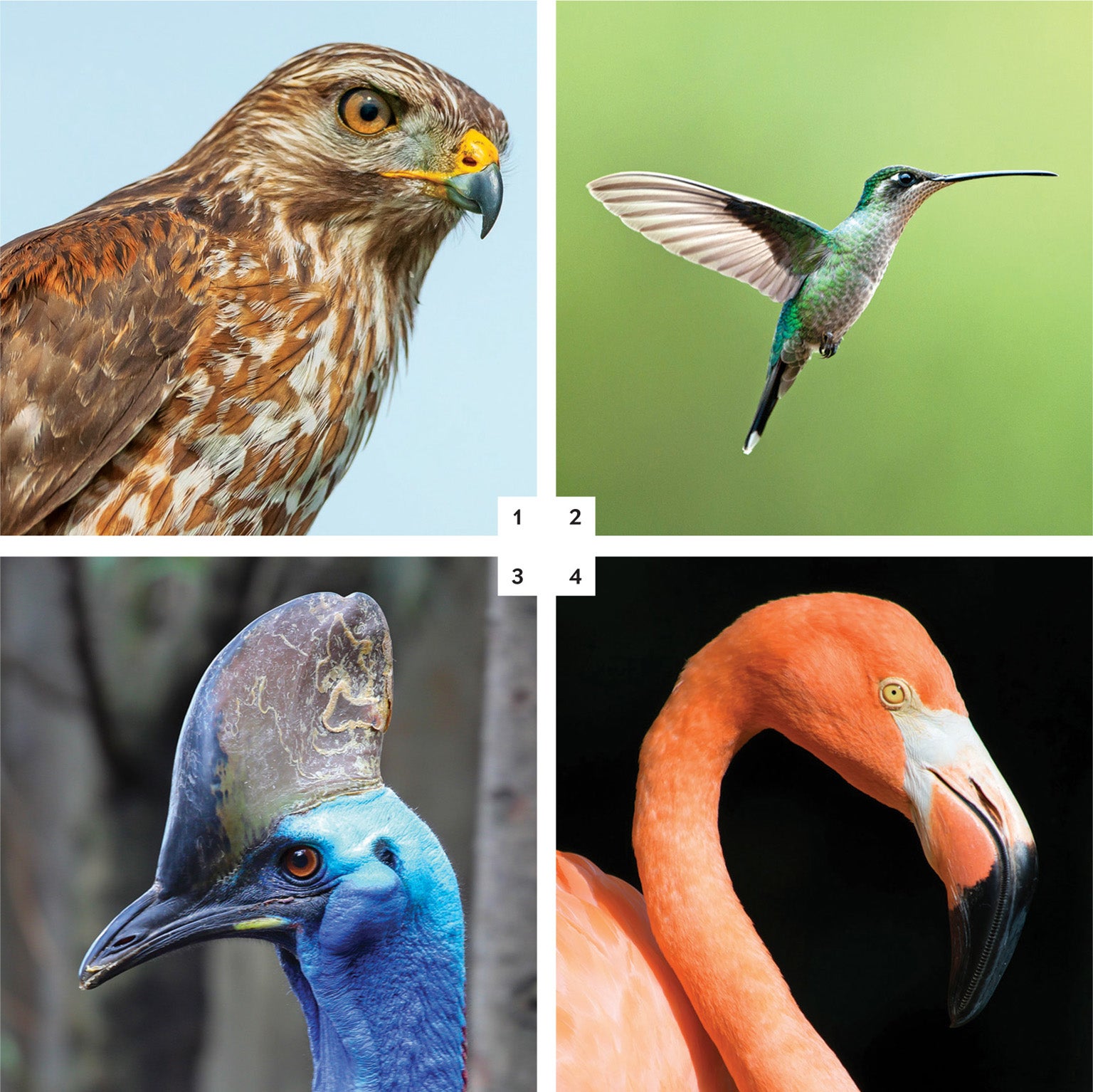
Credit: www.scientificamerican.com
Global Conservation Strategies
Conserving bird species is crucial for biodiversity. Global strategies focus on habitat protection, monitoring populations, and reducing human impact. These efforts aim to preserve bird diversity and ensure ecological balance.
Protecting bird species globally is a challenge that requires innovative and well-coordinated strategies. These strategies are essential as they ensure the survival and thriving of diverse bird populations. You play a crucial role in these conservation efforts, whether through supporting specific organizations or practicing eco-friendly habits.
Protected Areas
Protected areas are essential sanctuaries for birds. They provide a safe haven where birds can breed, feed, and migrate without human disturbance. Think about your last visit to a national park—these spaces are not just for human enjoyment but are vital for maintaining bird biodiversity. Governments and organizations set aside these areas to shield birds from threats like habitat destruction and pollution. For instance, the Yellowstone National Park serves as a critical habitat for many bird species. By visiting and respecting these areas, you contribute to their protection.
Legal Frameworks
Legal frameworks ensure bird protection through laws and regulations. These laws prevent activities that harm bird populations, such as illegal hunting and trade. Imagine the impact if everyone disregarded these rules—many bird species would face extinction. Countries create and enforce laws like the Migratory Bird Treaty Act in the United States. This act protects over 800 species of migratory birds. Supporting such laws and advocating for stronger enforcement can make a difference.
International Collaborations
No single country can tackle bird conservation alone. International collaborations bring together nations to share resources and knowledge. Consider how global efforts like the Convention on Migratory Species work—these collaborations are crucial for species that travel across borders. Through partnerships, countries can address issues like climate change and habitat loss that affect bird populations worldwide. Your awareness and support of these initiatives can help strengthen these international bonds. What steps can you take to support global conservation strategies? Small actions can lead to significant impacts in preserving our planet's avian wonders.
Role Of Technology In Conservation
Technology plays a vital role in bird conservation efforts. It helps scientists and conservationists understand bird behaviors and habitats. This understanding aids in protecting bird species at risk. With the help of modern tools, conservation strategies have become more effective. Discover how technology transforms bird conservation efforts.
Tracking And Monitoring
Tracking technology helps monitor bird movements across regions. Devices like GPS trackers provide real-time data on bird migration. This data helps identify critical habitats and migration patterns. Protecting these areas ensures birds have safe passage during migrations. Advanced tracking tools make monitoring easier and more accurate.
Data Analysis
Data analysis tools process vast amounts of information. This data comes from tracking devices and field observations. Analyzing this data reveals trends in bird populations. It helps identify threats like habitat loss or climate change. Conservationists can then develop targeted strategies to protect birds.
Public Awareness Campaigns
Public awareness campaigns use technology to reach wider audiences. Social media and websites spread important conservation messages. They engage communities in bird protection efforts. Educational apps teach users about local bird species. This knowledge encourages people to support conservation initiatives. Technology makes public involvement in conservation more accessible.
Community Involvement
Bird conservation thrives on community involvement. Many people work together to protect birds. Local groups, schools, and individuals all play a role. They join hands to create a better environment for birds. This collaboration leads to successful conservation efforts.
Local Conservation Projects
Local conservation projects are key in saving bird species. Communities come together to restore habitats. They plant native trees and shrubs. These efforts provide food and shelter for birds. Volunteers also clean up lakes and rivers. This ensures birds have clean water sources.
Citizen Science Initiatives
Citizen science initiatives empower people to collect data. Bird watchers report sightings. They use apps and websites to share their findings. This data helps scientists track bird populations. It identifies trends and threats to species. Everyone can contribute to scientific research.
Educational Programs
Educational programs raise awareness about bird conservation. Schools and community centers offer workshops. They teach about bird behavior and ecology. Children and adults learn the importance of preserving bird habitats. These programs inspire future conservationists. Knowledge is shared, sparking interest in protecting birds.
Success Stories
Bird species capture our imagination with their diverse beauty and fascinating behaviors. Each success story reveals remarkable survival adaptations. Discovering how birds thrive inspires us to protect their habitats and learn more about these incredible creatures.
In the realm of bird conservation, success stories shine brightly, offering hope and inspiration. These tales are a testament to the power of resilience and collective action. Each story is unique, showcasing the remarkable journey of recovery and the innovative practices that have shaped their paths. With the dedication of individuals and communities, these stories highlight the positive impact on both the environment and society. As you read, consider how these successes can inspire your own actions towards conservation.
Recovered Species
The Bald Eagle, once teetering on the brink of extinction, stands as a beacon of recovery. Through dedicated conservation efforts, its population has surged back to healthy numbers. The banning of harmful pesticides and legal protection played key roles in this turnaround. This success is a reminder that with commitment and the right strategies, recovery is possible. What other species might be waiting for their own comeback story?
Innovative Practices
Creative solutions have paved the way for bird conservation. Take the use of drone technology, which now monitors bird populations without disturbing them. This approach allows for precise data collection and minimizes human interference. Another practice involves creating artificial nesting sites to boost reproduction rates. These inventive methods have proven effective, leading to significant population increases. Can you think of other innovative practices that could benefit wildlife conservation?
Community Impact
Communities play a vital role in bird conservation. Local initiatives often drive change, with people coming together to protect habitats and educate others. In my neighborhood, a community-led birdwatching club not only fosters appreciation for local species but also supports conservation efforts through fundraising and awareness campaigns. Such involvement strengthens community bonds and ensures long-term success. How might your community contribute to a brighter future for birds? Success stories in bird conservation are more than just tales of recovery; they are blueprints for change. They challenge us to think creatively and act collectively. As you reflect on these stories, consider how you can be part of the next success story.
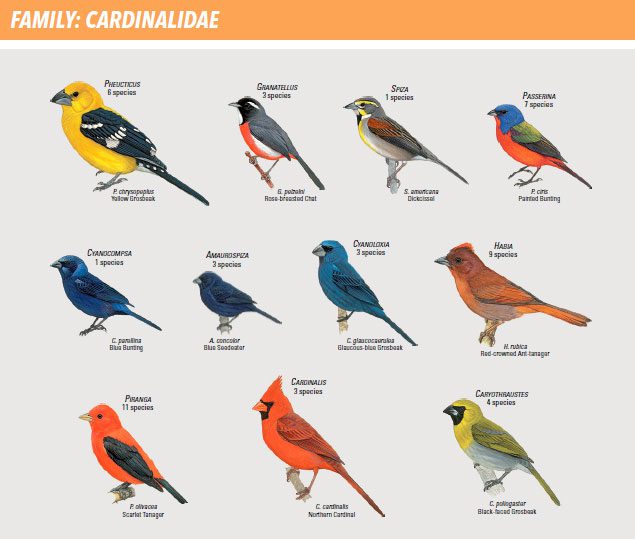
Credit: www.allaboutbirds.org
Challenges Ahead
Birds face many challenges that threaten their survival. As human activities expand, bird habitats shrink. Climate change alters ecosystems. These factors put bird species at risk. Conservation efforts aim to protect them. But obstacles persist. Let's explore these challenges.
Funding Limitations
Conservation projects need money. Funds often fall short. Limited budgets restrict research. They hinder habitat preservation. Without financial support, progress stalls. Many organizations struggle. Donations help, but aren't enough. Government grants play a role. But they face cuts. More funding is crucial.
Policy Gaps
Policies can protect birds. But gaps exist. Laws vary by region. Some lack enforcement. This weakens protections. International cooperation is vital. Yet, not all countries agree. Policies must adapt to new threats. Climate change requires urgent action. Stronger policies can make a difference.
Balancing Human Needs
Humans need resources. Land for farming. Space for cities. These needs conflict with conservation. Finding balance is key. Sustainable practices help. But change is slow. Education can raise awareness. People must value nature. Birds are part of our world. Protecting them benefits us all.
:strip_icc()/top-friendly-pet-bird-species-390535_V2_bluebg-16c3891cc4684afab4086cb56b0f2dcc.jpg)
Credit: www.thesprucepets.com
Frequently Asked Questions
What Defines A Bird Species?
A bird species is defined by shared characteristics and ability to breed. They have unique physical traits, behaviors, and genetic makeup. Birds within a species can interbreed and produce fertile offspring. This classification helps scientists study and conserve bird populations effectively.
How Many Bird Species Exist Globally?
There are approximately 10,000 bird species worldwide. These species are spread across various habitats and continents. New species continue to be discovered as exploration and research advance. Understanding this diversity helps in conserving ecosystems and biodiversity.
Are Bird Species Endangered?
Many bird species are endangered due to habitat loss, pollution, and climate change. Conservation efforts aim to protect these species and their habitats. Organizations work globally to raise awareness and implement protective measures. Public support and education are crucial in preventing extinctions.
How Do Scientists Classify Bird Species?
Scientists classify bird species based on physical traits, behaviors, and genetic analysis. Classification involves studying their anatomy, plumage, and vocalizations. DNA analysis provides insights into evolutionary relationships. This classification helps in understanding the evolutionary history and ecological roles of birds.
Conclusion
Exploring bird species reveals their fascinating diversity and behaviors. Birds captivate with their vibrant colors and unique songs. They play key roles in ecosystems, aiding in plant pollination and seed dispersal. Understanding bird species helps in conserving nature's delicate balance.
Protecting their habitats ensures a thriving environment for future generations. Observing birds can be a peaceful and rewarding experience. It connects us with nature's wonders. Each bird species offers its own story and charm. Encourage curiosity and respect for these incredible creatures.
Their presence enriches our world in countless ways. Let's appreciate and protect them.