


Have you ever paused to wonder about the nature of birds? Are they a species, or is there more to their story?
As you sip your morning coffee, a symphony of chirps fills the air, inviting you to explore the fascinating world of these feathered creatures. You might think you know the answer, but what if there’s more beneath the surface waiting to be discovered?
Unlock the secrets of avian life and challenge what you thought you knew. Your curiosity is the key to unraveling this mystery. Stay with us as we delve into the intriguing question: "Are Birds a Species? " And discover insights that will change how you perceive these winged wonders forever.
Credit: www.scientificamerican.com
Birds And Species Classification
Birds belong to a larger group called Aves, not a single species. They are a diverse class of animals with thousands of species. Each bird species has unique characteristics and adaptations, contributing to a rich tapestry of biodiversity.
Birds and Species Classification Understanding how birds fit into the broader classification of species can be both fascinating and complex. You might wonder, what exactly makes a bird a species, or how do scientists differentiate between different types of birds? These questions open the door to the intriguing world of avian taxonomy.
Defining Species
To grasp the concept of birds as a species, we first need to understand what a species is. A species is typically defined as a group of organisms that can interbreed and produce fertile offspring. Imagine you’re on a bird-watching trip and spot a sparrow. This sparrow belongs to a species because it can mate with other sparrows and produce young sparrows. But what if it tried to mate with a robin? The offspring wouldn’t be viable, highlighting the boundary between species. The definition of species isn’t always black and white. Some birds can interbreed across what we consider different species, which can muddy the waters. This fluid nature makes species classification both challenging and endlessly fascinating.
Avian Taxonomy
Avian taxonomy is the science of classifying birds. This involves organizing birds into categories based on shared characteristics. It’s like sorting your music playlist by genre, artist, or mood. Birds are classified into orders and families, and further into genera and species. For instance, the common house sparrow belongs to the family Passeridae and the genus Passer. This detailed classification helps scientists communicate clearly about bird species and their relationships. One practical insight for bird enthusiasts is to familiarize yourself with common bird families. Recognizing the family traits can help you identify birds in the wild more easily. Next time you're out in nature, notice the beak shape or the song of a bird—they might give you clues about its family and species. Have you ever wondered how new bird species are discovered? It often involves meticulous observation, genetic studies, and sometimes a little bit of luck. Could your next hike lead to the discovery of a new bird species? The possibility is thrilling and reminds us of the ever-evolving nature of the natural world.
Evolutionary Origins
Birds are fascinating creatures with a rich evolutionary history. Their lineage traces back millions of years, offering a glimpse into Earth's past. Understanding their origins helps us appreciate the marvel of evolution. This section explores how birds emerged from ancient species.
From Dinosaurs To Birds
Birds descended from theropod dinosaurs. These were small, feathered creatures. Fossil evidence supports this connection. Early fossils show feathers on dinosaur species. These feathers weren't for flying initially. They provided insulation or display functions. Over time, adaptations led to flight abilities. Archaeopteryx is a famous example. It had both dinosaur and bird traits. This transitional form shows the evolution from dinosaurs to birds.
Major Evolutionary Milestones
Several milestones mark the evolution of birds. The development of flight was crucial. Hollow bones made flight easier. They reduced body weight significantly. The formation of a wishbone, or furcula, was another key step. It strengthened the bird's skeleton. Feathers became more specialized over time. They evolved for flight, insulation, and camouflage. Changes in the respiratory system also occurred. Birds developed a unique air sac system. This allowed efficient oxygen exchange during flight. These changes highlight the incredible journey of bird evolution.
Unique Avian Characteristics
Birds capture our imagination with their vibrant colors and graceful movements. These creatures possess unique characteristics that set them apart from other animals. Understanding these features helps us appreciate their role in nature.
Feathers And Flight
Feathers are a defining trait of birds. They provide insulation and help in flight. These specialized structures are lightweight yet durable. Each feather is made up of a central shaft and soft barbs. This design allows for flexibility and strength.
Flight is another hallmark of birds. Their bodies are streamlined for efficient movement through the air. Strong muscles and hollow bones aid in this process. Birds can soar high or glide effortlessly. Each species has its own flight style.
Beaks And Adaptations
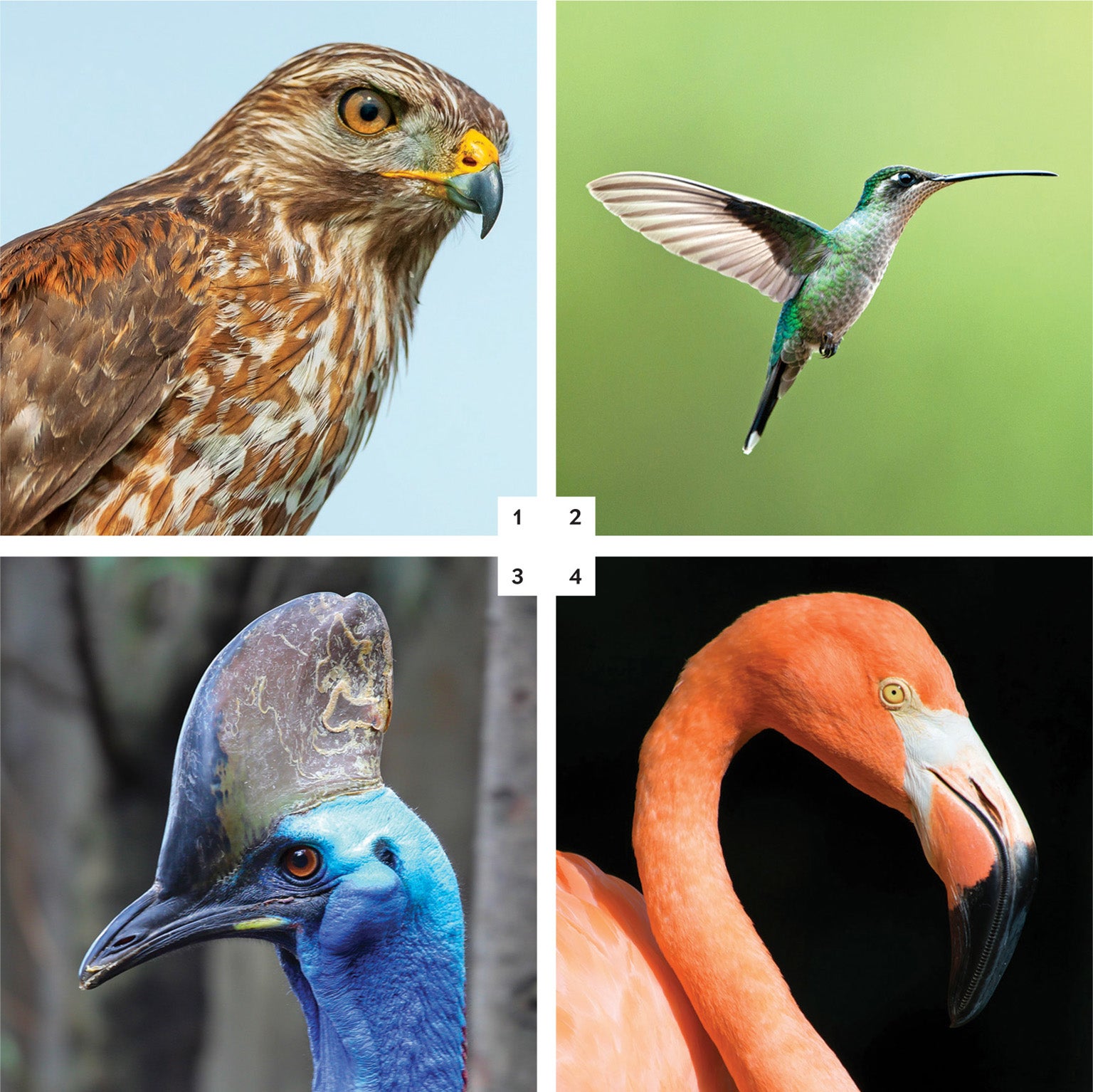
Birds have beaks instead of teeth. Beaks come in various shapes and sizes. Each type is suited for a specific diet or purpose. A hawk's sharp beak tears flesh. A hummingbird’s long, thin beak sips nectar.
Adaptations help birds survive in diverse environments. Some birds have webbed feet for swimming. Others have sharp claws for hunting. These adaptations are vital for their survival. They enhance the bird's ability to thrive.
Diversity In The Bird World
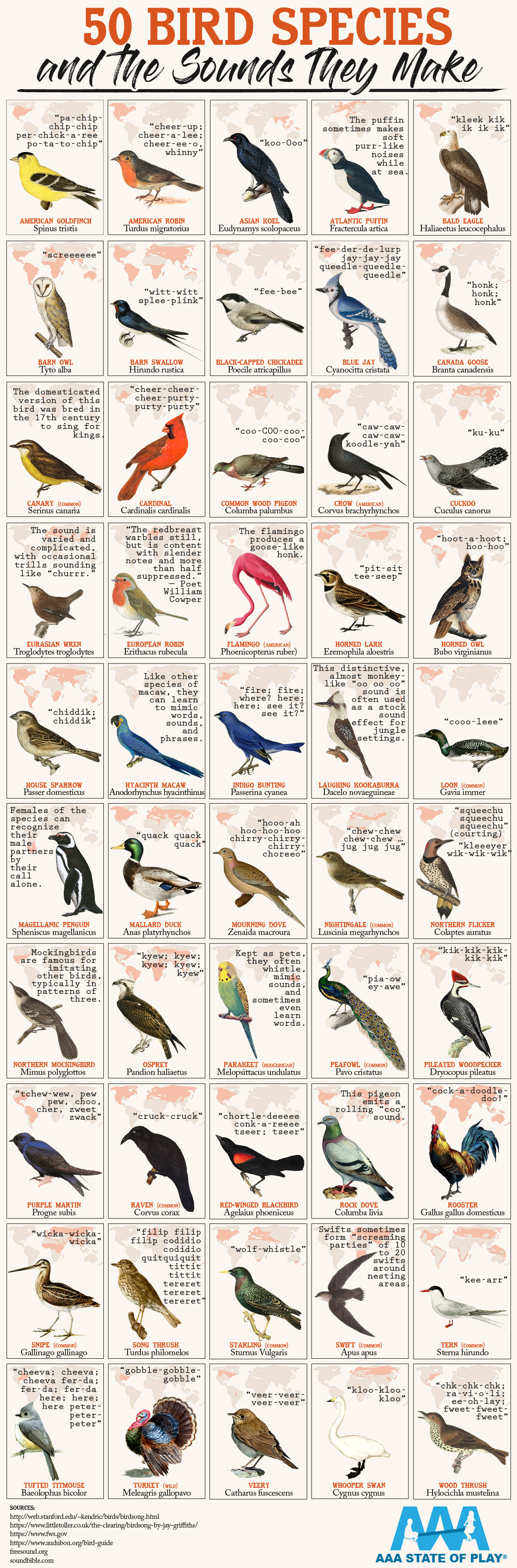
Birds are a fascinating group of animals. Their diversity is incredible. They inhabit nearly every corner of the world. With over 10,000 species, the variety is astounding. Each bird species is unique. They differ in size, color, and behavior. This diversity makes the bird world vibrant and captivating.
Variety Of Habitats
Birds adapt to many environments. From dense forests to open seas. Some birds prefer urban areas. Others thrive in remote mountains. Wetlands host a rich array of bird life. Deserts also support unique bird species. Every habitat presents different challenges. Birds evolve to meet these challenges. This adaptability is key to their survival.
Different Bird Families
Birds belong to various families. Each family has distinct features. The parrot family is known for bright colors. Their intelligence is remarkable too. The raptor family includes eagles and hawks. These birds are fierce hunters. Songbirds enchant with their melodies. They add music to our lives. Waterfowl like ducks and geese are common. They are often seen in lakes and rivers. Each family enriches the bird world.
Birds In Ecology
Birds play a crucial role in ecosystems, often questioned as a species. Vital for pollination and seed dispersal, they influence ecological balance. Their presence helps control pest populations, maintaining health in various habitats.
Birds are an integral part of our ecological tapestry, weaving connections that are essential for the health of ecosystems. Their presence is not just about the beauty they add to our skies; they play pivotal roles in maintaining ecological balance. As you observe a bird soaring overhead, consider how these creatures are quietly impacting the world around you. Let's delve into their vital contributions.
Role In Ecosystems
Birds are nature’s gardeners. They help in seed dispersal, ensuring plants grow in diverse areas. This process supports the regeneration of forests and the maintenance of healthy plant populations. Picture the vibrant colors of a spring garden; many of those blooms are thanks to the birds that carried seeds far and wide. In pest control, birds are unsung heroes. They consume insects that could otherwise devastate crops and plants. Imagine the damage pests could wreak if birds weren't there to keep them in check. This natural pest control saves farmers money and reduces the need for harmful chemicals. Birds also serve as pollinators. While bees often get the spotlight, certain bird species like hummingbirds are crucial in pollinating flowers. Their role ensures the survival of many plant species, contributing to the richness of biodiversity.
Impact On Biodiversity
Birds are indicators of environmental health. A diverse bird population often signifies a healthy ecosystem. When bird numbers decline, it's a warning sign that the environment might be struggling. Think of them as nature’s early warning system. Their migratory patterns connect ecosystems across continents. As birds travel, they bring genetic diversity to new areas, enhancing the resilience of ecosystems. This movement fosters a web of life that spans the globe, emphasizing the interconnectedness of all living things. Birds also contribute to the food web. Predatory birds keep populations of other animals in balance, preventing overpopulation and habitat degradation. Their presence ensures that ecosystems remain robust and capable of supporting a variety of life forms. Have you ever wondered how different our world would be without birds? Their absence would ripple through ecosystems, affecting everything from plant growth to animal populations. Next time you spot a bird, remember its silent yet impactful contributions to the world.

Credit: www.pinterest.com
Challenges In Avian Classification
Bird classification presents unique challenges. Bird species classification is complex. Scientists often face difficulties in identifying distinct species. Various factors make avian classification challenging. These include hybridization and genetic variability. Understanding these issues can shed light on the complexities.
Hybridization Issues
Hybridization complicates avian classification. Birds often interbreed across species lines. This interbreeding creates hybrids. Hybrids possess traits from both parent species. These mixed traits confuse classification efforts. The existence of hybrids blurs species boundaries. Scientists struggle to classify birds accurately. Hybrids challenge the idea of distinct species.
Genetic Variability
Genetic variability adds complexity to bird classification. Birds exhibit significant genetic differences. These differences occur even within the same species. Genetic diversity leads to varied physical traits. Varied traits can mislead classification attempts. Identifying species based solely on genetics becomes difficult. Genetic variability challenges traditional classification methods. Understanding genetic differences is crucial for accurate classification.
Conservation Efforts
Conservation efforts for birds are more crucial than ever. Birds are a vital part of our ecosystem, playing roles in pest control, pollination, and seed dispersal. But their populations are under threat, and it’s up to us to make a difference. You might wonder what these efforts entail and how they impact the survival of bird species worldwide.
Threats To Bird Populations
Birds face numerous threats, many of which are human-induced. Habitat loss due to urban development is a major concern. As cities expand, natural habitats shrink, leaving birds with fewer places to live and breed.
Climate change is another significant threat. Altered weather patterns disrupt migration routes and breeding cycles. You might notice birds arriving earlier or later than usual in your area, which can impact their survival.
Pollution, including pesticides and oil spills, poses a direct danger. These pollutants can contaminate water and food sources, leading to illness or death in bird populations.
Strategies For Protection
Protecting bird populations requires a multi-faceted approach. Preserving natural habitats is essential. You can support conservation groups working to protect forests, wetlands, and other vital ecosystems.
Reducing pollution is another key strategy. You can contribute by minimizing pesticide use in your garden and supporting clean energy initiatives. Every small effort counts.
Educating the public about the importance of birds can lead to increased conservation efforts. Share your experiences and knowledge with friends and family. Encourage them to participate in bird-friendly practices.
Have you ever thought about how your everyday actions impact bird populations? Reflect on this and consider how you can make a positive change. Together, we can help ensure the survival of these fascinating creatures.
Credit: www.aaastateofplay.com
Frequently Asked Questions
Are All Birds Considered A Single Species?
No, birds are not a single species. They belong to the class Aves, encompassing over 10,000 species. Each bird species is unique, with distinct characteristics and habitats. Birds are classified into various orders and families, reflecting their diversity and evolutionary relationships.
How Are Bird Species Classified?
Bird species are classified based on physical traits and genetic analysis. Scientists use taxonomy to group birds into orders, families, and genera. This classification reflects evolutionary relationships. Characteristics like plumage, beak shape, and song are crucial for species identification.
What Defines A Bird Species?
A bird species is defined by unique characteristics and the ability to reproduce viable offspring. Species have distinct physical traits, behaviors, and ecological niches. Genetic differences also play a crucial role in species identification, ensuring diversity within the avian class.
Why Is Bird Species Diversity Important?
Bird species diversity is vital for ecosystem balance and health. Birds play roles in pollination, seed dispersal, and pest control. Diverse species contribute to ecosystem resilience and offer insights into environmental changes. Protecting bird diversity helps maintain ecological harmony.
Conclusion
Birds captivate us with their vibrant colors and melodies. They are indeed a distinct species, with diverse traits and behaviors. Their classification can sometimes confuse, but they belong to the animal kingdom. We see birds everywhere. In forests, parks, and even our backyards.
They play vital roles in ecosystems by spreading seeds and controlling pests. Understanding birds helps us appreciate nature's wonders. So, next time you see a bird, remember its uniqueness. Every feathered friend tells a story about evolution and survival. Let’s cherish and protect these fascinating creatures for future generations.