


Have you ever stopped to listen to the chorus of birds singing outside your window and wondered just how many different species there are in the world? Birds, with their stunning colors, melodic songs, and fascinating behaviors, capture the imagination of many.
Whether you're an avid bird watcher or just curious about these feathered wonders, you're not alone in your curiosity. The sheer diversity among birds is astounding, with species adapted to nearly every environment on Earth. But how many bird species actually exist worldwide?
You'll uncover the astonishing number of bird species that share our planet, and discover why this figure is more than just a number—it's a testament to the beauty and complexity of life. Stay with us, as we delve into the world of birds, where every species has a story to tell.
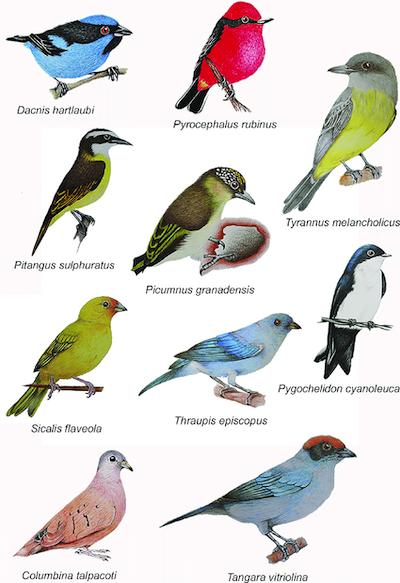
Credit: ornithology.com
Global Bird Diversity
Bird diversity is vast, with around 10,000 species worldwide. Each species offers unique features and habitats. Explore the richness of global bird life.
Global bird diversity is a fascinating subject. It captures the interest of nature lovers worldwide. Birds, with their vibrant colors and songs, enrich our planet. Their diversity is astounding, with thousands of species gracing our skies. Each species is unique, contributing to the ecological tapestry of Earth. Understanding this diversity helps us appreciate the delicate balance of nature.
Factors Influencing Species Count
Various factors affect bird species count globally. Climate plays a significant role. Different climates support different bird species. Tropical regions often have more bird species. Habitat availability is another crucial factor. Diverse habitats support diverse bird populations. Human activities also impact species count. Deforestation and urbanization reduce bird habitats. Conservation efforts aim to protect these habitats.
Recent Discoveries And Changes
Recent discoveries have reshaped our understanding of birds. New species are occasionally discovered in remote areas. Advances in technology aid these discoveries. Genetic studies reveal hidden species differences. These findings sometimes increase species count. Changes in classification also affect numbers. Birds are reclassified based on new information. Such changes keep the scientific community active and engaged.
Major Bird Families
Birds captivate us with their colors and melodies. Understanding their families helps us appreciate them more. The world of birds is vast, with over 10,000 species. These species belong to major families, each with unique traits. Two primary categories are Passerines and Non-Passerines. Each group holds wonders of the avian world. Let's explore these fascinating families.
Passerines
Passerines are the largest bird family. They make up over half of all bird species. These are often called perching birds or songbirds. Their toes are arranged for gripping branches. This makes them excellent at perching. Passerines include sparrows, robins, and finches. They delight us with their songs and vibrant colors. These birds are found in every part of the world. They adapt well to diverse habitats. Their diverse songs and behaviors captivate bird watchers.
Non-passerines
Non-Passerines encompass a wide range of species. This group includes birds like eagles, owls, and hummingbirds. They vary greatly in size and behavior. Non-Passerines do not have the special toe arrangement of Passerines. Many are known for their unique hunting skills. For example, eagles are skilled predators. Owls have excellent night vision. Hummingbirds are famous for hovering in mid-air. Each species contributes uniquely to their ecosystems. They offer endless fascination to bird enthusiasts.
Regional Bird Variations
Thousands of bird species exist globally, showcasing incredible diversity in their appearances and behaviors. Each region hosts unique bird varieties adapted to its specific environment and climate. Exploring these regional differences reveals fascinating insights into bird evolution and survival strategies.
Birds, with their vibrant colors and diverse behaviors, captivate birdwatchers worldwide. Each region boasts unique bird species that reflect its climate and geography. Exploring these regional bird variations enriches our understanding of global avian diversity.
Birds Of The Americas
The Americas host a rich array of bird species. Tropical rainforests in South America shelter colorful parrots and toucans. The Andean mountains are home to the majestic condor. In North America, you'll find bald eagles soaring across the skies. The diverse habitats, from deserts to wetlands, support varied bird life.
European Bird Species
Europe is home to many fascinating bird species. The British Isles are famous for puffins and swans. Mainland Europe sees the migration of storks and cranes. Forests in Scandinavia provide a sanctuary for owls and woodpeckers. The varied climates, from Mediterranean warmth to Arctic chills, influence bird populations.
African Avian Life
Africa's vast savannas and forests host remarkable bird species. The African grey parrot is known for its intelligence. Flamingos gather in massive flocks at lakes in East Africa. The continent's diverse ecosystems support eagles, vultures, and colorful bee-eaters. Birds play a crucial role in maintaining ecological balance.
Birds Of Asia-pacific
The Asia-Pacific region features diverse bird species. Tropical rainforests in Southeast Asia host hornbills and kingfishers. Japan's islands are home to cranes and pheasants. Australia's unique fauna includes the kookaburra and the emu. The region's islands and mainland offer a variety of habitats for birds.

Credit: www.sci.news
Birdwatching Hotspots
Explore birdwatching hotspots across the globe and discover the diversity of bird species. Over 10,000 species populate the Earth, each offering unique sights and sounds for enthusiasts. Embark on an exciting journey to witness this incredible avian variety.
Birdwatching is a captivating hobby that connects you with nature. The world boasts an astounding variety of bird species, making it a paradise for birdwatchers. But where should you go to see these feathered wonders? Discovering birdwatching hotspots can transform your experience from ordinary to extraordinary.
Top Destinations For Birdwatchers
Some places on Earth are renowned for their rich avian diversity. Costa Rica, with its lush rainforests, offers a staggering number of bird species. Imagine witnessing the vibrant resplendent quetzal or the elusive scarlet macaw. In Africa, the Ngorongoro Crater in Tanzania is a must-visit. It's home to flamingos and many other unique birds. Closer to home, the Everglades in Florida presents an opportunity to see rare species like the snail kite. Which birdwatching destination is on your bucket list?
Seasonal Birdwatching Tips
Timing is everything in birdwatching. Migratory birds often follow specific patterns and seasons. Spring and fall are prime times in many regions as birds migrate to and from breeding grounds. Equip yourself with a field guide specific to the region you’re visiting. This can make identifying birds easier and more rewarding. Remember, patience is key. The early morning hours often yield the best sightings, so set that alarm clock! Incorporating these tips and visiting the right hotspots can enrich your birdwatching adventures. Have you ever experienced the thrill of spotting a rare bird? What tips do you swear by? Share your thoughts and let's make birdwatching even more exciting!
Conservation Status
Experts estimate there are about 10,000 bird species globally. Many are threatened by habitat loss and climate change. Protecting these species is crucial for biodiversity.
Birds are enchanting creatures that captivate our imaginations with their vibrant colors and melodic songs. Yet, as you marvel at their beauty, it's crucial to consider their conservation status. As habitats shrink and threats increase, understanding the conservation status of birds becomes more important than ever. You might wonder: what can be done to protect these incredible species?
Endangered Bird Species
The plight of endangered bird species is a significant concern. Sadly, many birds are teetering on the brink of extinction due to habitat loss, climate change, and human activities. Consider the Kakapo, a flightless parrot from New Zealand, which has seen its numbers dwindle to fewer than 200 individuals. This is not just a statistic; it's a call to action. If you love birds, think about how our choices impact their survival. Conservation status is not a distant issue; it's a reality affecting birds globally. How can you play a role in preventing further loss?
Efforts To Protect Avian Diversity
Efforts to protect avian diversity are underway worldwide. Conservation groups and governments collaborate to safeguard bird habitats and protect vulnerable species. Initiatives like bird sanctuaries and breeding programs are designed to give endangered birds a fighting chance. You can support these efforts by participating in local conservation programs or advocating for policies that protect bird habitats. Have you considered how these small actions contribute to a larger cause? Your involvement can make a difference. By protecting birds, you preserve the rich tapestry of life that enriches our world. Let's commit to ensuring that future generations can enjoy the diverse beauty of avian species. Remember, each bird saved is a step toward a brighter future for all.
Resources For Bird Enthusiasts
Birdwatching can be an exciting hobby. It connects enthusiasts with nature's beauty. Resources help bird enthusiasts learn more. They offer guidance and community support. Whether you're new or experienced, these resources are valuable.
Books And Guides
Books provide detailed information on bird species. Guides help in identifying birds. They often include pictures. They describe habitats and behaviors. Popular authors share expert insights. Field guides are portable and useful for trips.
Some guides focus on specific regions. Others cover global species. Look for books with accurate illustrations. These make identification easier. Reading enriches your birdwatching experience.
Online Platforms And Communities
Online platforms offer vast information. Websites share bird news and updates. Some provide birdwatching tips. Others have detailed species profiles. Communities connect bird enthusiasts worldwide.
Forums allow sharing experiences. Members discuss sightings and tips. Join social media groups for bird enthusiasts. These groups often host events. Participating enhances your birdwatching skills.
Online resources are accessible anytime. They complement books and guides. Use them to broaden your knowledge.

Credit: www.audubon.org
Frequently Asked Questions
How Many Bird Species Exist Globally?
There are approximately 10,000 bird species worldwide. This number fluctuates due to new discoveries and extinctions. The species are spread across diverse habitats, from forests to deserts. Bird enthusiasts continually discover variations, contributing to our understanding of avian biodiversity.
What Is The Most Diverse Bird Family?
The most diverse bird family is the passerines or perching birds. This group includes over half of all bird species. Known for their vocal abilities, passerines are found in almost every habitat. They exhibit a wide range of sizes, colors, and behaviors.
How Are Bird Species Classified?
Bird species are classified based on physical and genetic characteristics. Taxonomists group them into orders, families, and genera. This classification helps scientists understand evolutionary relationships. Modern techniques like DNA analysis have refined these classifications, providing more accurate insights into avian diversity.
Why Does Bird Species Count Change?
Bird species count changes due to discoveries and extinctions. New species are identified as scientists explore remote areas. Habitat loss and environmental changes can lead to species extinction. Conservation efforts aim to protect endangered species and maintain biodiversity.
Conclusion
Birds captivate us with their diversity and beauty. Scientists estimate around 10,000 species. Each bird species has unique traits and behaviors. They inhabit various ecosystems worldwide. Preserving bird habitats is crucial for their survival. Conservation efforts help protect these amazing creatures.
Birdwatching fosters appreciation and awareness. Engaging with nature enriches our lives. Birds are vital to ecosystems. They pollinate, control pests, and spread seeds. Their songs and colors bring joy. Explore the world of birds. Discover their wonders. Celebrate their existence.
Enjoy their presence in our lives. Every bird species matters. Let's cherish and protect them.