


Have you ever paused during a walk in the park, mesmerized by the songs and colors of the birds around you? If so, you're not alone.
Birds captivate us with their beauty, grace, and diversity. But have you ever wondered just how many species of birds call the United States home? The answer might surprise you and open up a whole new appreciation for these feathered friends.
Understanding the variety of bird species not only enriches your outdoor experiences but also deepens your connection with nature. So, if you're curious to discover more about the avian wonders that soar across American skies, keep reading. You're about to embark on a fascinating exploration into the diverse world of U. S. Birdlife that will transform your perspective on the natural world around you.
Bird Diversity In The Us
The United States is home to over 1,000 bird species, showcasing incredible diversity. From vibrant songbirds to majestic raptors, these birds inhabit various ecosystems. Each region offers unique habitats, attracting different species throughout the year. Birdwatchers delight in the rich variety and beauty found in the US.
Bird Diversity in the US The United States is a paradise for bird lovers, with its vast landscapes offering a home to a myriad of bird species. From the vibrant woodlands of the east to the arid deserts of the southwest, each region harbors its unique avian treasures. Have you ever wondered just how many different bird species soar across the US skies?
Understanding Bird Species In The Us
Bird species in the US vary greatly, with over 1,000 identified across the country. This diversity results from the variety of habitats and climates found here. Whether you're in Alaska watching the majestic Bald Eagle or in Florida observing colorful flamingos, the US offers a rich tapestry of bird life.
Regions And Their Unique Birds
Each region in the US presents unique opportunities to observe distinct bird species. The Pacific Northwest, for example, is famous for its Steller's Jays and Pileated Woodpeckers. In the Great Plains, you might come across the elusive Greater Prairie-Chicken. Have you ever noticed how your local environment influences the birds you see daily?
The Importance Of Bird Conservation
Conserving bird species is crucial for maintaining ecological balance. Birds play essential roles, from controlling pests to pollinating plants. By protecting their habitats, you contribute to a healthier environment. What steps can you take to support bird conservation efforts in your community?
Ways To Enhance Your Birdwatching Experience
To make the most of your birdwatching, consider investing in a good pair of binoculars and a bird field guide. Join local birdwatching groups or online communities to learn from experienced birders. Have you ever tried keeping a bird journal to track the species you’ve spotted? By appreciating the diversity of birds in the US, you not only deepen your connection to nature but also help preserve these beautiful creatures for future generations. So next time you step outside, take a moment to look up. You never know what feathered friend might catch your eye.
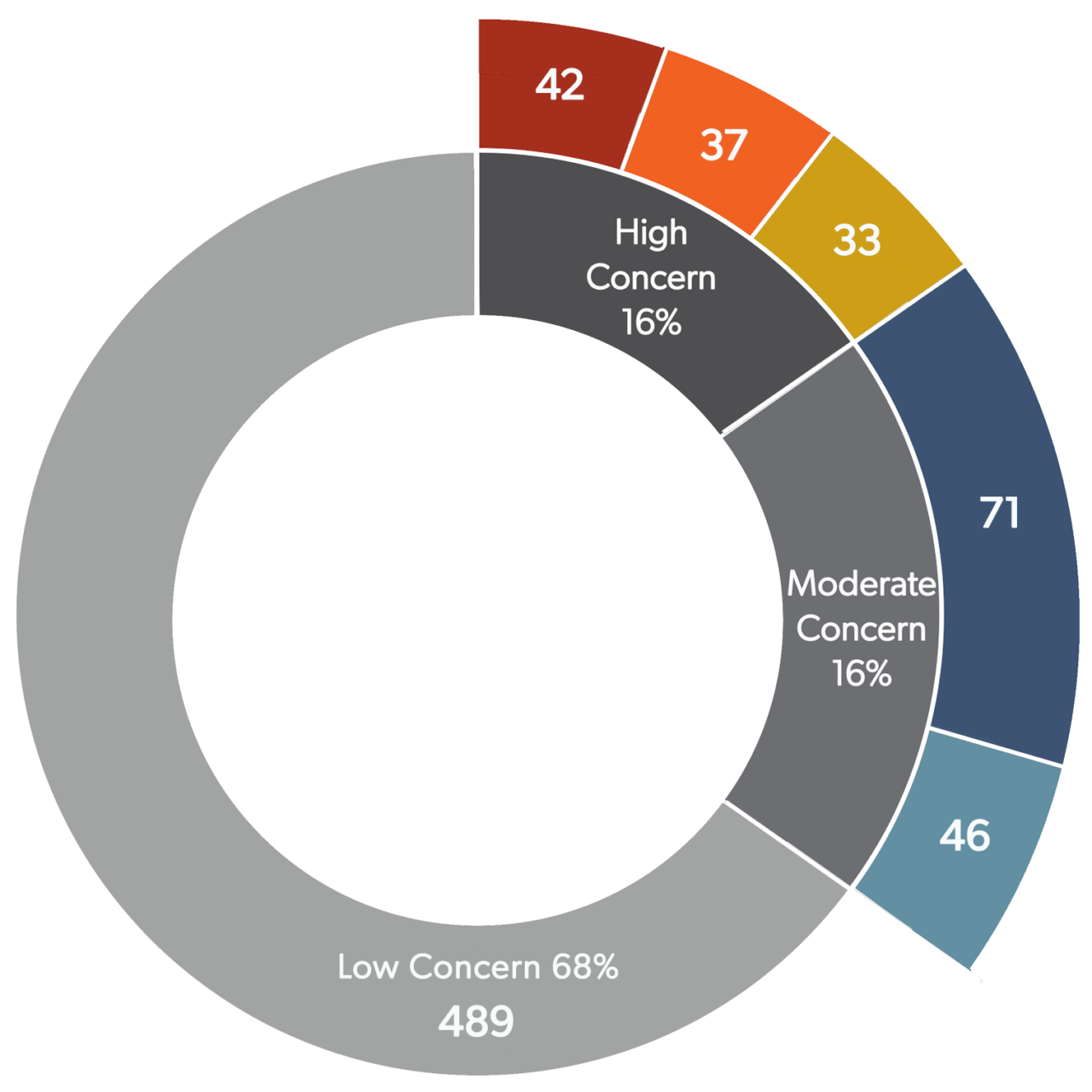
Credit: www.stateofthebirds.org
Avian Habitats
Birds thrive in diverse habitats across the United States. Each habitat offers unique features and resources. These support different bird species. Understanding these habitats helps us appreciate their rich diversity.
Forests And Woodlands
Forests are home to many bird species. Tall trees provide shelter and nesting sites. Woodpeckers, owls, and songbirds are common here. These areas are rich in insects and seeds.
Woodlands have dense undergrowth. This creates hiding places for birds. Many species find safety and food in these environments.
Wetlands And Coastal Areas
Wetlands are vital for bird life. They support waterfowl like ducks and geese. Mudflats and marshes provide food and rest for migrating birds.
Coastal areas attract seabirds. Gulls, pelicans, and shorebirds search for fish and crabs. These environments are crucial for breeding and feeding.
Grasslands And Prairies
Grasslands offer open spaces. These are perfect for ground-nesting birds. Sparrows, meadowlarks, and hawks thrive here. They hunt insects and small mammals.
Prairies are home to unique species. Birds like the greater prairie-chicken display here. They rely on grasses for cover and food.
Urban Environments
Cities may seem unlikely homes for birds. Yet, they host many adaptable species. Pigeons, sparrows, and crows are common sights. They find food in parks and gardens.
Urban areas also attract migratory birds. Green spaces offer rest and resources. These environments show birds' amazing adaptability.
Common Bird Species
When wandering through the vibrant landscapes of the United States, you can't help but notice the incredible diversity of bird species. From the gentle chirping of songbirds to the majestic flight of raptors, each bird brings its own charm and character. But have you ever wondered which birds are the most common across this vast country? Let's dive into the world of common bird species, where each category offers unique insights into their lives and habitats.
Songbirds
Songbirds are often the first to greet you with their melodious tunes in the morning. They're a delight to your senses, showcasing colorful plumage and intricate songs. Think of the American Robin, whose cheerful presence is as common as sunshine in spring. Or the Northern Cardinal, with its striking red appearance that can brighten up any dull day. These birds are more than just pretty feathers; their songs are essential for communication and marking territories.
Raptors
Raptors command your attention with their fierce demeanor and impressive hunting skills. Bald Eagles, with their iconic white heads, symbolize freedom and strength across the nation. Their nest-building skills are something to marvel at. Red-tailed Hawks, on the other hand, are experts in soaring high and spotting prey from great distances. Have you ever witnessed a hawk circle above, searching for its next meal? It's a reminder of nature's raw power and precision.
Waterfowl
Waterfowl bring life to the waters they inhabit, from serene ponds to bustling lakes. Ducks like the Mallard are frequent visitors, gracing waters with their vibrant green heads and cheerful quacks. They remind you of lazy afternoons by the pond, watching them glide effortlessly. Geese, often seen in migratory flocks, showcase impressive team spirit as they travel vast distances. Their coordinated flight patterns are a testament to unity and endurance.
Game Birds
Game birds are fascinating creatures, often associated with hunting traditions and conservation efforts. Wild Turkeys, with their distinctive gobble and impressive size, are a sight to behold in forests and fields alike. Pheasants, with their colorful plumage, add a splash of excitement to rural landscapes. Have you ever considered how these birds contribute to local ecosystems? They not only support biodiversity but also help in maintaining healthy habitats.
Exploring common bird species in the U.S. is more than just a casual pastime. It's an opportunity to appreciate the intricate web of life that surrounds you. Next time you spot a bird, take a moment to observe its behavior and wonder about its role in the ecosystem. Which bird species are you most excited to encounter? Your answer might reveal a deeper connection to nature than you ever imagined.
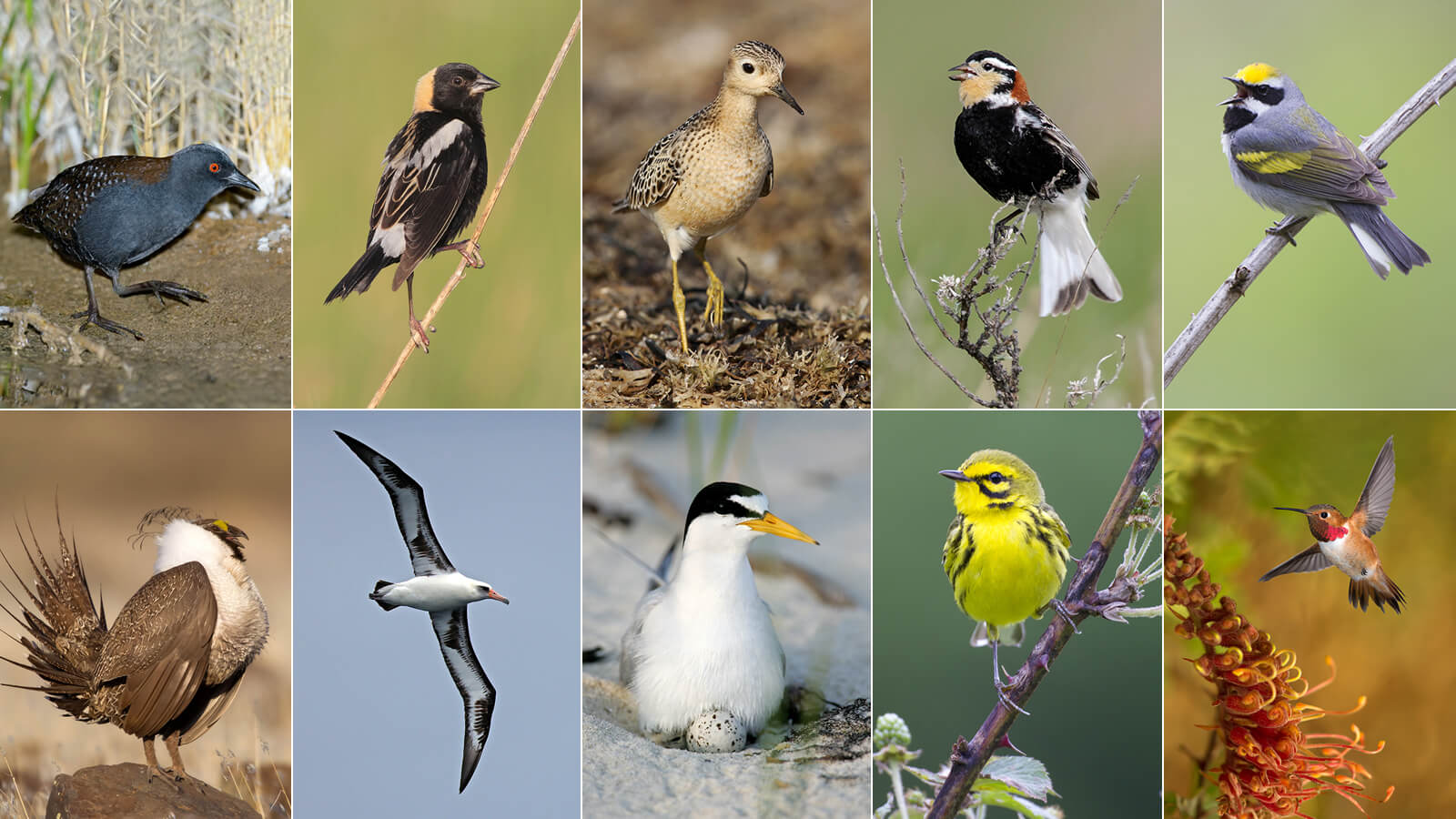
Credit: abcbirds.org
Rare And Endemic Birds
The United States is home to over 1,000 bird species, some of which are rare and unique to specific regions. Birdwatchers often seek these endemic birds, adding excitement to their adventures. These birds highlight the country's diverse ecosystems and natural beauty.
Birdwatching in the United States is more exciting than you might think, especially when you discover the rare and endemic birds that call this diverse land home. These unique species are hidden gems in the birding world, offering a glimpse into the incredible biodiversity of the U.S. They remind us of the delicate balance of ecosystems and the importance of conservation efforts.
Endangered Species
Did you know that several bird species in the U.S. are on the brink of extinction? The California Condor, for instance, once faced dire prospects with only 27 left in the wild. Thanks to conservation efforts, their numbers are slowly climbing. However, challenges remain for other species like the Florida Grasshopper Sparrow. Habitat loss and environmental changes threaten their survival. These birds need your attention and support. Consider how your actions, such as supporting conservation groups or making eco-friendly choices, can make a difference.
Regional Specialties
Each U.S. region boasts its own unique bird species. In Hawaii, the 'I'iwi—a vibrant scarlet honeycreeper—captures the hearts of birdwatchers. Its presence is a testament to Hawaii's rich but fragile ecosystem. In the southeastern swamps, the elusive Swainson's Warbler sings its melodious tune. Spotting one is a badge of honor for bird enthusiasts. Have you ever wondered what rare birds might be nesting in your backyard? Take a moment to explore local parks and wildlife reserves. You might just stumble upon a regional specialty that sparks your curiosity and deepens your appreciation for these avian wonders. Birdwatching is not just a hobby; it's a call to action. As you uncover the stories of these rare and endemic birds, consider how you can contribute to preserving their habitats for future generations. What legacy will you leave for the birds of tomorrow?
Bird Migration Patterns
Across the United States, over 1,100 bird species embark on fascinating migration journeys. Each year, these birds travel vast distances. Their patterns reveal the wonders of nature.
Bird migration is a fascinating phenomenon that captivates bird watchers and nature enthusiasts alike. Imagine witnessing thousands of birds, from tiny warblers to majestic raptors, embarking on epic journeys across continents. These incredible movements are driven by survival instincts and the search for favorable habitats. Understanding bird migration patterns not only deepens your appreciation for these feathered travelers but can also enhance your bird watching experience.
Seasonal Movements
Birds have a knack for knowing when to move. Their seasonal movements are primarily triggered by changes in daylight, temperature, and food availability. As winter approaches, many species head south to escape the cold, while spring sees them return to breed and raise their young. The beauty of seasonal movements is in their predictability. You can anticipate the arrival of certain species in your area, marking the changing seasons with their presence. Have you ever noticed how the appearance of robins signals the arrival of spring? Observing these patterns can be a rewarding experience. Consider keeping a journal of the birds you spot during different seasons. You'll start noticing trends and feel more connected to the rhythm of nature.
Migratory Routes
Migratory routes are like invisible highways in the sky. Birds follow specific paths, often using landmarks like coastlines, mountain ranges, and rivers to guide their way. Some species travel thousands of miles to reach their destination. The routes are diverse and complex. For example, the Arctic Tern embarks on an astounding journey from the Arctic to Antarctica, covering more than 40,000 miles annually. Meanwhile, hummingbirds zip across the Gulf of Mexico, defying their tiny size with remarkable endurance. You might wonder, how do these birds navigate such long distances? It's believed they use a combination of innate instincts, environmental cues, and perhaps even the stars. Understanding these routes can enrich your bird watching adventures. Imagine spotting a rare species passing through your backyard on its way to distant lands. Tracking migratory routes can also offer practical insights. If you're planning a bird watching trip, research peak migration times for the species you're interested in. This way, you're more likely to witness large flocks or rare visitors during their journey. Bird migration patterns are not just about movement; they're about survival, adaptation, and the incredible resilience of nature. Next time you see a flock overhead, take a moment to wonder about the journey they've undertaken—and maybe even grab your binoculars for a closer look.
Birdwatching Hotspots
The United States is home to over 1,000 bird species. Explore diverse landscapes to spot rare and colorful birds. National parks and wetlands offer prime birdwatching locations.
Birdwatching in the US offers incredible experiences. With diverse habitats, the country is home to a stunning array of bird species. Enthusiasts can explore various hotspots that promise memorable sightings. From national parks to urban sites, each location offers unique opportunities for bird lovers.
National Parks
The US boasts breathtaking national parks. These parks are rich in avian diversity. Yellowstone National Park, for instance, houses over 300 bird species. Visitors can spot bald eagles and trumpeter swans here. The Great Smoky Mountains National Park is another gem. It features vibrant warblers and woodpeckers. Each park provides a different birdwatching experience.
Wildlife Refuges
Wildlife refuges are bird sanctuaries. They protect habitats and provide safe havens. The Everglades National Park is renowned for its bird diversity. It shelters roseate spoonbills and herons. The Bosque del Apache Wildlife Refuge attracts thousands of migratory birds. Sandhill cranes and snow geese are common sights here. Wildlife refuges offer serene environments for birdwatching.
Urban Birding Sites
Urban birding is gaining popularity. City parks and gardens attract various bird species. Central Park in New York is a prime example. It hosts warblers and red-tailed hawks. Golden Gate Park in San Francisco is another hotspot. It features hummingbirds and falcons. Urban sites make birdwatching accessible for city dwellers.
Conservation Efforts
The United States is home to over 1,000 bird species, each playing a vital role in ecosystems. Conservation efforts protect these birds from habitat loss and climate change. Preserving diverse habitats ensures these species thrive for future generations.
Conservation efforts in the United States play a crucial role in preserving the diverse bird species that inhabit its lands. With over 1,100 different bird species recorded, safeguarding these winged wonders is more important than ever. Let's dive into how you can contribute to their conservation, focusing on protecting habitats, community involvement, and legislation and policies.
Protecting Habitats
Birds rely heavily on their habitats for survival. From lush forests to vast wetlands, these environments provide food, shelter, and breeding grounds. You can play a part in protecting these habitats by supporting organizations dedicated to conservation. Simple actions like planting native trees in your backyard can provide birds with vital resources. Or perhaps, consider visiting local wildlife reserves. Your visit supports their maintenance and helps preserve bird habitats. Have you ever thought about the impact of urban development on bird habitats? It's crucial to balance progress with conservation. Supporting eco-friendly projects can make a significant difference.
Community Involvement
Community involvement is a powerful tool in conservation. When you engage with local birdwatching groups or participate in bird counts, you contribute to vital data collection efforts. Imagine the joy of spotting a rare bird species and knowing your observation aids scientific research. Sharing your sightings can help track population trends and inform conservation strategies. Volunteering for clean-up drives in natural areas also supports bird habitats. Every piece of trash collected is a step towards a safer environment for birds.
Legislation And Policies
Effective legislation and policies are essential for bird conservation. Laws like the Migratory Bird Treaty Act ensure the protection of bird species across international borders. You can advocate for stronger policies by contacting your local representatives. Your voice matters in shaping the laws that safeguard bird populations. Consider the impact of policies on industries such as agriculture and construction. Promoting environmentally-friendly practices within these sectors can lead to healthier habitats for birds. By actively participating in conservation efforts, you contribute to the survival of the numerous bird species in the US. Each action, no matter how small, can help ensure these magnificent creatures continue to thrive. How will you make a difference today?
Impact Of Climate Change
Climate change reshapes the world of birds in the US. Rising temperatures and altered landscapes affect their habitats. Many bird species face new threats. These changes impact their survival and distribution. Birds must adapt quickly to survive. Some succeed, while others struggle. Understanding these impacts helps conserve bird populations.
Shifts In Distribution
Many bird species shift their habitats northward. Warmer climates force them to find cooler areas. This disrupts their natural range. Some birds move to higher elevations. These shifts affect breeding patterns. It also influences food availability. Birds follow the insects and plants they rely on. This can lead to overcrowding in new areas.
Birds with limited mobility face greater risks. They may not adapt quickly enough. This leads to population declines. Monitoring these shifts helps scientists plan conservation efforts.
Adaptations And Challenges
Birds develop new behaviors to survive climate changes. Some change their migration timing. Others adjust their breeding seasons. These adaptations help them cope with new climates. Yet, adapting is not easy for all species. Some struggle with finding food and shelter.
Competition becomes fierce in altered habitats. Birds must compete for resources. This increases stress levels among species. Not all birds succeed in adapting. Vulnerable species face higher extinction risks. Conservation efforts focus on aiding these challenges. Protecting habitats helps birds adapt better.

Credit: abcbirds.org
Frequently Asked Questions
How Many Bird Species Are In The Us?
The United States is home to approximately 1,100 bird species. This diverse range includes migratory and resident birds. Birds are found in various habitats, such as forests, wetlands, and coastal areas. Conservation efforts continue to protect these species.
What Is The Most Common Bird In The Us?
The American Robin is one of the most common birds in the US. It is easily recognizable by its orange belly. This bird is found in gardens, parks, and woodlands across the country. The American Robin is a migratory bird, seen year-round in many areas.
How Are Bird Species Counted In The Us?
Bird species in the US are counted through surveys and citizen science programs. Organizations like the Audubon Society and eBird play crucial roles. Volunteers and scientists observe and record sightings. These efforts help in tracking bird populations and understanding trends.
Which Us State Has The Most Bird Species?
California has the highest number of bird species in the US. Its diverse ecosystems, like forests and coastlines, support over 600 species. Birdwatchers flock to California to observe rare and migratory birds. Conservation areas help preserve these habitats for future generations.
Conclusion
The United States is home to diverse bird species. Over 1,100 species inhabit various regions. This rich variety fascinates bird watchers and nature lovers. Each bird offers unique beauty and behavior. Protecting their habitats is vital for their survival. Birdwatching can support conservation efforts.
Enjoy exploring local parks and reserves. Discover the amazing world of birds around you. Their songs and colors bring joy to many. Stay curious and appreciate the wonders of nature. Keep learning and sharing your bird discoveries. This enriches our connection with the natural world.