


Have you ever paused to admire the vibrant flutter of a bird or the melodic tunes of their songs? Birds are everywhere, adding color and music to your everyday life.
But have you ever wondered what makes each bird unique? Understanding what a bird species is can unlock a deeper appreciation for these fascinating creatures that share your world. This article will delve into the basics of bird species, helping you discover the diversity and beauty in your own backyard.
Whether you're a casual observer or an aspiring bird enthusiast, knowing more about bird species can change the way you see these winged wonders. Keep reading to explore the captivating realm of bird species and transform your daily encounters with them into exciting discoveries.

Credit: www.pinterest.com
Characteristics Of Bird Species
Bird species are defined by shared characteristics such as plumage, song, and behavior patterns. Each species has unique adaptations for survival in specific environments. These traits help identify and distinguish birds from one another, contributing to biodiversity.
Understanding the characteristics of bird species offers a fascinating glimpse into the natural world. Birds are incredibly diverse, with over 10,000 species fluttering across the globe. Each species boasts unique traits that help them thrive in their environments. These characteristics not only define their identity but also play crucial roles in their survival. Let's dive into some of these defining traits.
Feathers And Flight
Feathers are a bird's most distinctive feature. They provide insulation, camouflage, and are essential for flight. Did you know that a bird's feather count can range from 1,000 to over 25,000 depending on the species? Flight is a defining trait for many birds, but not all birds fly. The ostrich, for example, uses its powerful legs for running instead. Birds that do take to the skies have lightweight bones and strong chest muscles to aid in flight. Next time you see a bird soaring, think about the incredible adaptations that make it possible.
Beaks And Feeding
Birds use their beaks to feed, and the shape of a bird's beak can tell you a lot about its diet. A hummingbird has a long, slender beak perfect for sipping nectar from flowers. In contrast, eagles have sharp, hooked beaks for tearing flesh. Consider this next time you watch birds at a feeder. The variety of beak shapes is astounding, each evolved to suit a particular feeding strategy. What kind of beaks do you see in your backyard?
Reproductive Traits
Most birds lay eggs, and their nesting habits can be quite diverse. Some, like the emperor penguin, endure harsh climates to incubate their eggs. Others, like the American robin, choose more temperate locations. Birds often exhibit fascinating courtship behaviors. The elaborate dances of the bird of paradise are a sight to behold. What courtship displays have you noticed in local bird species? These reproductive traits ensure the survival of their lineage and highlight the incredible diversity within the avian world. Birds, with their unique characteristics, continue to captivate and inspire. Each observation offers a new opportunity to learn and appreciate the wonders of avian life. What characteristics will you notice the next time you observe the birds around you?
Classification Of Birds
Birds are fascinating creatures with diverse species worldwide. Scientists classify birds to understand their relationships and origins. This classification helps in studying their behavior, habitats, and evolution.
Understanding bird classification involves examining their taxonomy, common categories, and evolutionary history. These elements provide a deeper insight into the avian world.
Taxonomy Overview
Bird taxonomy is the science of naming and categorizing birds. It organizes birds into groups based on similarities and differences. Each bird species has a unique scientific name. This name includes its genus and species.
Taxonomy helps scientists communicate about birds precisely. It avoids confusion by standardizing bird names globally. The main categories in bird taxonomy are Kingdom, Phylum, Class, Order, Family, Genus, and Species.
Common Categories
Birds are divided into various categories. These include songbirds, raptors, waterfowl, and more. Songbirds are known for their musical calls. Raptors are birds of prey like eagles and hawks. Waterfowl include ducks and geese, often found near water bodies.
Each category has unique traits that help in identification. This categorization aids in understanding bird ecology and behavior.
Evolutionary History
Birds evolved from theropod dinosaurs millions of years ago. This evolutionary history is evident in their skeletal structure and feathers. Birds' ability to fly developed over time, giving them an edge in survival.
Their evolution showcases adaptation to various environments and climates. Studying this history provides insights into their resilience and diversity.
Habitats And Distribution
Understanding the habitats and distribution of bird species opens a fascinating window into their world. Birds, with their incredible diversity, have conquered nearly every corner of the planet. Where do these feathered creatures reside, and what influences their choice of habitat? From the dense rainforests to the arid deserts, each environment tells a story about bird survival and adaptation. Let's explore the global spread, migratory patterns, and the unique adaptations that enable birds to thrive in varied environments.
Global Spread
Birds are found on every continent, including Antarctica. Their presence in such diverse regions is a testament to their adaptability. You might spot them in your backyard or on a distant mountain peak. The global spread of bird species often depends on factors like climate, availability of food, and predation risks. For instance, the vibrant parrots of the Amazon rainforest thrive in humid conditions, while the resilient penguins endure the harsh cold of polar regions.
Curious about how bird species manage to live in such varied climates? Their physical and behavioral adaptations are key. Birds like the Arctic Tern have developed insulated feathers to withstand cold, while desert species might have evolved specialized diets to survive with minimal water.
Migratory Patterns
Migration is one of the most astonishing phenomena in the avian world. Birds undertake long journeys, often thousands of miles, twice a year. These migratory patterns are driven by changes in seasons, food availability, and breeding needs. Have you ever wondered how birds navigate during migration? They use the Earth's magnetic field, stars, and even visual landmarks.
Consider the Bar-tailed Godwit, which holds the record for the longest nonstop migration, flying from Alaska to New Zealand. Such feats challenge our understanding of endurance and survival. Are these journeys perilous? Indeed, they are, but the rewards of reaching suitable breeding or feeding grounds make it worthwhile.
Adaptations To Environments
Birds exhibit remarkable adaptations to their habitats. These adaptations ensure their survival and success in different environments. From beak shape to feather color, each trait has a purpose. Have you noticed how a woodpecker's strong beak is perfect for drilling into trees? Or how the camouflage of a snowy owl helps it blend seamlessly into icy surroundings?
Physical adaptations aren't the only marvels. Behavioral traits also play a significant role. Birds like the Burrowing Owl use abandoned burrows for nesting, a clever way to avoid predators. How can you apply this insight? Consider how adaptability and resourcefulness are vital not just for birds but for all life forms.
Reflecting on these adaptations makes one ponder: What can we learn from birds about thriving in challenging environments? Their resilience offers lessons in flexibility and innovation, crucial traits for survival in any landscape.
As you explore your surroundings, keep an eye out for these incredible creatures. Their presence is a reminder of nature's complexity and the intricate web of life that spans our planet.
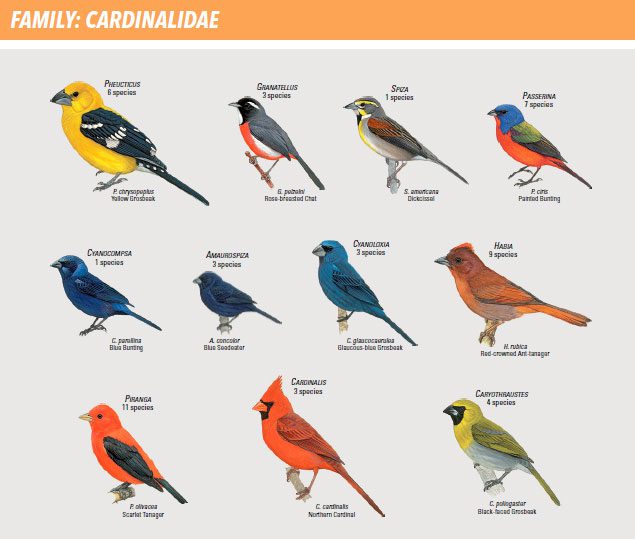
Credit: www.allaboutbirds.org
Role In Ecosystems
Bird species play a crucial role in ecosystems by controlling insect populations and aiding in seed dispersal. Their presence helps maintain the balance of nature, supporting plant growth and biodiversity. Birds act as pollinators and contribute to the cycling of nutrients, essential for healthy habitats.
Bird species play a crucial role in maintaining the balance of ecosystems. They are not just beautiful creatures that add charm to our environment. Birds actively contribute to various ecological processes that sustain life on Earth. Understanding their role can help you appreciate the interconnectedness of nature and the importance of conserving these feathered friends.
Pollination And Seed Dispersal
Birds are nature's unsung heroes when it comes to pollination and seed dispersal. Some birds, like hummingbirds and sunbirds, are key pollinators. They transfer pollen from one flower to another while feeding on nectar, helping plants reproduce. Seed dispersal is another significant role. Birds like thrushes and hornbills consume fruits and later excrete the seeds far from the parent plant. This process helps in spreading plant species across large areas, promoting forest regeneration. Imagine walking through a lush forest—birds made that possible!
Predators And Prey
Birds occupy various levels in the food chain. Some are predators, like eagles and hawks, that control the population of rodents and other small animals. This helps maintain the balance and prevents overpopulation of certain species. Other birds act as prey. They provide food for larger predators, like foxes and snakes, creating a complex web of life. Have you ever thought about the ripple effect that occurs when one species disappears? The absence of birds can disrupt this delicate balance, impacting numerous other species.
Impact On Biodiversity
Birds contribute significantly to biodiversity. They inhabit diverse environments, from dense forests to urban areas, adapting to various conditions. Their presence is an indicator of a healthy ecosystem. Birds also help control pests by feeding on insects. This natural pest control benefits agriculture and reduces the need for chemical pesticides. Next time you enjoy a fresh, pesticide-free apple, thank a bird! Do you ever wonder how your actions impact birds and their ecosystems? Protecting bird habitats and supporting conservation efforts can make a difference. Your engagement can ensure that these vital creatures continue to thrive and play their roles in ecosystems worldwide.
Conservation Challenges
Bird species face numerous conservation challenges today. Human activities affect habitats and populations. Climate change adds to the complexity. Protecting birds requires understanding these challenges. This section delves into threats, efforts, and success stories.
Threats To Bird Populations
Bird populations decline due to habitat loss. Urbanization and deforestation are major causes. Pollution also harms birds. Chemicals in water and air affect health. Climate change shifts habitats. Birds struggle to adapt to rapid changes. Hunting and illegal trade further threaten survival. These factors create a fragile existence for many bird species.
Conservation Efforts
Organizations work tirelessly to protect birds. Habitat restoration is a key strategy. Replanting trees and creating reserves help recovery. Legal protections are vital. Laws against hunting and trade safeguard vulnerable species. Education raises awareness. Communities learn the importance of conservation. Volunteers participate in bird monitoring and research. Collaborative efforts increase the chances of success.
Success Stories
Efforts to save birds show promising results. The Bald Eagle rebounded after conservation actions. Legal protection and habitat restoration helped its recovery. The California Condor's population increased through breeding programs. Community involvement played a crucial role. Wetland restoration improved conditions for migratory birds. These successes inspire further action. They demonstrate that dedicated efforts can make a difference.
Exploring Avian Diversity
Exploring avian diversity reveals the fascinating variety in bird species. Birds are found across every continent, each uniquely adapted to their environment. Understanding their diversity helps us appreciate the complexity and beauty of nature.
Unique Species
Some birds have striking appearances. The peacock flaunts vibrant plumage, making it iconic. Kiwi birds, native to New Zealand, lack the ability to fly. Their nocturnal habits and long beaks distinguish them. Hummingbirds, small yet swift, can hover mid-air. Their rapid wing flaps are mesmerizing.
Diverse Behaviors
Birds exhibit varied behaviors. Penguins, though flightless, glide gracefully in water. Their social colonies are a spectacle. Migratory birds travel immense distances. Their navigation skills are impressive. Songbirds fill forests with melodious tunes. Each species has unique calls and songs.
Cultural Significance
Birds hold cultural importance. The eagle symbolizes strength and freedom. Many nations feature it on flags. Doves represent peace and hope. Their gentle nature inspires artists. Parrots are known for mimicking human speech. They captivate with colorful feathers and playful antics.

Credit: en.wikipedia.org
Frequently Asked Questions
What Defines A Bird Species?
A bird species is defined by a group of birds that share common characteristics and can interbreed. These characteristics include physical features, behaviors, and genetics. They are classified scientifically based on these traits. Each species has a unique name, usually in Latin, to distinguish it from others.
How Do Scientists Classify Bird Species?
Scientists classify bird species using taxonomy, which involves studying their physical and genetic traits. They observe characteristics like size, plumage, and behaviors. DNA analysis helps in understanding genetic differences. This scientific classification results in a hierarchy, placing birds into orders, families, and species.
Why Is Bird Species Identification Important?
Identifying bird species is crucial for conservation efforts and ecological studies. It helps in tracking population trends and understanding biodiversity. Accurate identification supports habitat protection and informs conservation policies. It also aids birdwatchers and researchers in studying bird behaviors and migration patterns.
How Many Bird Species Exist Worldwide?
There are approximately 10,000 known bird species worldwide. This number is constantly updated as new species are discovered and classifications are refined. Birds are found in diverse habitats across the globe, from tropical rainforests to arctic tundras, showcasing incredible diversity and adaptation.
Conclusion
Understanding bird species enriches our connection with nature. Birds come in diverse shapes, colors, and sizes. Each species has unique traits and behaviors. Observing them can be a joyful experience. It sparks curiosity and love for wildlife. Knowing more about birds helps in conservation efforts.
Protecting their habitats ensures biodiversity. We all play a part in this mission. Learning about bird species is a step forward. It deepens appreciation for the natural world. Keep exploring and discovering the wonders of birds. They have much to teach us.
So, spread your wings and observe them closely.