


Have you ever marveled at the vibrant flutter of wings in your backyard or listened to the melodious morning songs of birds? Birds captivate us with their beauty, diversity, and the mystery of their lives.
But have you ever wondered just how many species of birds exist around the globe? Understanding the sheer number of bird species can open your eyes to the incredible diversity of the avian world and the importance of conserving their habitats.
This article will take you on a fascinating journey into the avian kingdom, revealing not only the astonishing number of bird species but also why this knowledge matters to you and the planet. Get ready to uncover secrets that might just change the way you see the birds around you forever.
Birds Around The World
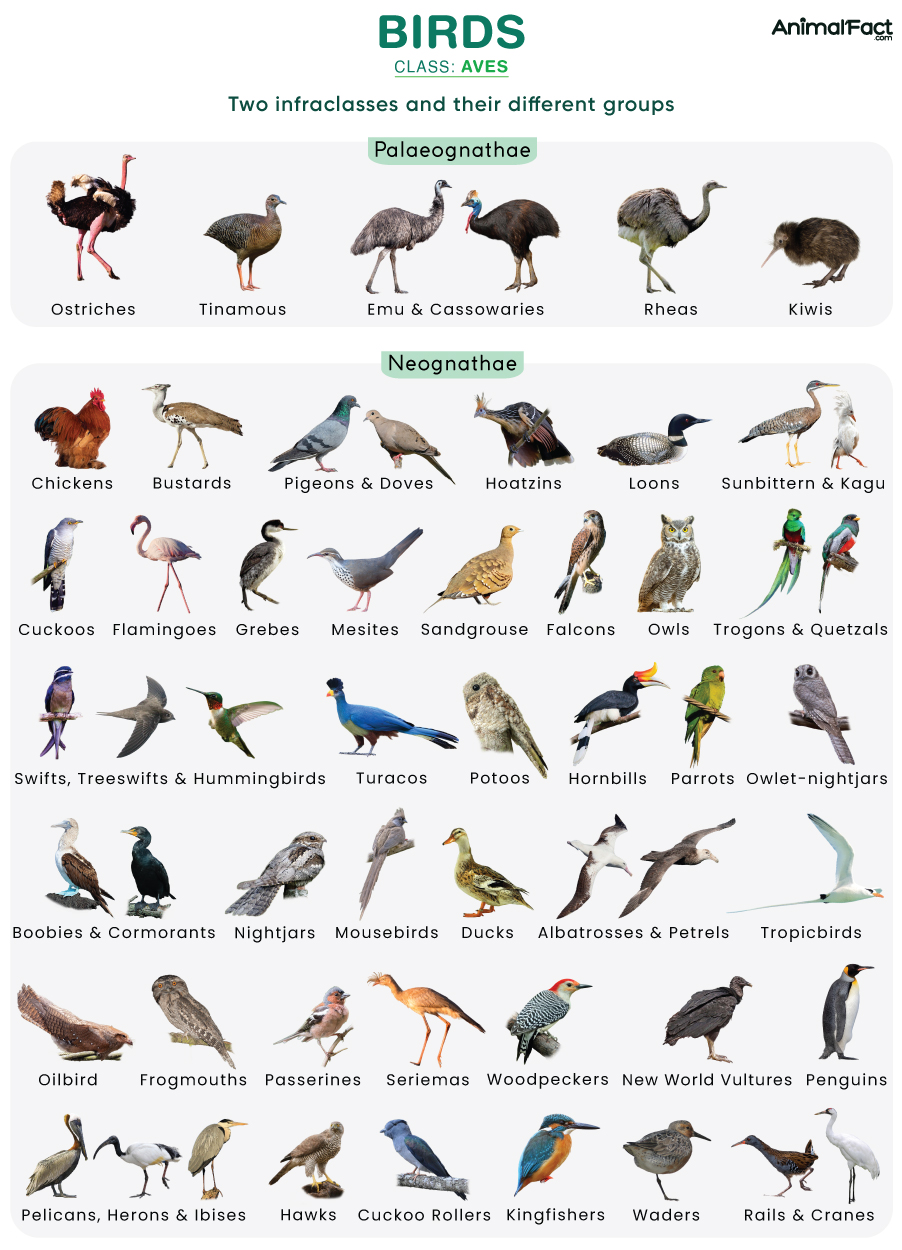
Birds are everywhere. They fly over mountains, forests, and cities. Each species is unique, with its own colors and songs. There are over 10,000 bird species globally. Each one adapted to different environments. Birds fascinate many people. They inspire with their beauty and grace.
Birds can be found in every corner of the earth. From the icy poles to tropical rainforests. Their diversity is vast and impressive. Learning about birds helps us appreciate our planet's richness.
Regions And Ecosystems
Birds inhabit varied regions and ecosystems. The Amazon rainforest hosts many species. Parrots, toucans, and eagles call it home. Deserts like the Sahara have fewer birds. But species like the sandgrouse thrive there.
In the Arctic, the snowy owl is a common sight. Meanwhile, penguins populate the Antarctic shores. Each ecosystem offers unique challenges. Birds adapt in amazing ways.
Migratory Patterns
Many birds migrate yearly. They travel great distances for food or breeding. Swallows migrate from Europe to Africa. Monarch butterflies follow similar paths.
Some birds fly thousands of miles. The Arctic tern migrates from pole to pole. Migration is vital for survival. It allows birds to find better resources. Observing migration offers insights into bird behavior.

Credit: www.facebook.com
Counting Bird Species
Birds captivate people with their beauty and diversity. Scientists strive to count bird species worldwide. This task is challenging. Bird species numbers change with new discoveries and classifications.
Understanding bird species is crucial for conservation. It helps protect ecosystems and biodiversity. Accurate counts also aid in tracking environmental changes.
Challenges In Classification
Classifying birds is complex. Scientists encounter many challenges. Some species look similar, making classification difficult. Birds often adapt to environments, altering their appearances.
Hybridization adds another layer of complexity. Different species sometimes interbreed. This creates hybrids, complicating species identification. Birdwatchers and scientists both face these challenges.
Recent Scientific Advances
Scientific advances offer new solutions. DNA analysis plays a crucial role. It helps in identifying distinct species. This method increases accuracy in classification.
Technology aids bird counting too. Satellite tracking monitors migration patterns. It provides valuable data on bird populations. These advances help refine bird species counts.
Scientific progress continues to evolve. It offers promising tools for understanding bird diversity. The quest to count bird species remains dynamic.
Unique Bird Families
Birds are an incredible part of our planet's biodiversity. They come in various shapes, sizes, and behaviors. Each bird family offers unique traits and adaptations. These differences make them fascinating to observe and study. Let's explore some of these unique bird families.
Songbirds And Their Traits
Songbirds are known for their melodious tunes. They have specialized voice boxes called syrinxes. This allows them to produce a wide range of sounds. Songbirds include sparrows, robins, and nightingales. Many songbirds have bright plumage. Their colors help attract mates or warn predators.
Songbirds are often small and agile. They can hop, fly, and perch with ease. Some species migrate long distances. They travel to find warmer habitats during winter. Their songs and calls are used for communication. It's a way to mark territory or signal danger.
Raptors And Predatory Habits
Raptors are fierce hunters. Birds like eagles, hawks, and owls belong here. They have sharp talons and keen eyesight. These features help them catch prey with precision. Raptors are often solitary hunters. They soar high to spot their next meal.
Many raptors hunt during the day. Owls, however, are nocturnal. They use silent flight to sneak up on prey. Raptors play a crucial role in their ecosystems. They control populations of rodents and other small animals.
Waterfowl And Aquatic Adaptations
Waterfowl are well-suited for life in water. Ducks, geese, and swans are part of this group. They have webbed feet for swimming. Their bodies are streamlined for efficient movement. Waterfowl often migrate in large flocks. They travel to find suitable breeding sites.
Many waterfowl have waterproof feathers. This helps them stay dry and insulated. Some species dive to catch fish or aquatic insects. Waterfowl are important for wetland ecosystems. They help maintain healthy habitats through their activities.
Credit: scienceandsf.com
Endangered Species
Birds are among the most captivating creatures on Earth, with their vibrant colors, diverse behaviors, and melodic calls. However, a significant number of bird species are facing the threat of extinction. These endangered species are a crucial part of our ecosystem, and their decline signals a warning about the health of our environment.
Conservation Efforts
Conservation efforts are pivotal in saving endangered bird species. Many organizations and volunteers around the world are working tirelessly to protect bird habitats and monitor populations. Actions like creating bird sanctuaries, banning harmful pesticides, and running breeding programs have shown success in bringing species back from the brink.
Have you ever participated in a birdwatching event? These activities not only raise awareness but also contribute valuable data to conservation projects. By being involved, you can help make a difference.
Impact Of Climate Change
Climate change has a profound impact on bird species across the globe. Changes in temperature and weather patterns disrupt migration routes and breeding seasons. Many birds are struggling to adapt, leading to a decline in their populations.
Consider the plight of the puffin, whose food sources are dwindling due to warming seas. Their struggle is a stark reminder of how interconnected our world is. How can we help mitigate these effects? One way is by supporting sustainable practices that reduce carbon emissions.
Reflect on your actions and how they contribute to climate change. Small changes in daily habits can lead to significant positive effects for our feathered friends.
By understanding the challenges endangered bird species face, and taking actionable steps to support conservation and combat climate change, you are contributing to a healthier planet for all living beings. What action will you take today to make a difference?
Birdwatching
Birdwatching is a delightful hobby that opens up a world of discovery. Imagine the thrill of spotting a rare species or the peaceful joy of listening to a bird’s song. Whether you’re a seasoned birdwatcher or just starting out, there's always something new to learn and experience.
Popular Birdwatching Destinations
Many places around the world are perfect for birdwatching. For instance, the wetlands of Florida are home to a variety of wading birds like herons and egrets. You might also consider the rainforests of Costa Rica, where colorful toucans and parrots add a splash of color to the lush greenery.
Don’t forget about the local parks and nature reserves near you. These can be hidden gems for spotting migratory birds during certain seasons. Have you ever wondered what unique species might be right in your backyard?
Tools And Techniques
To get started with birdwatching, you don’t need much. A good pair of binoculars can make a big difference in spotting distant birds. You might also want a field guide to help identify different species.
Consider joining a local birdwatching group. They often organize guided walks and can offer valuable tips. Have you tried using apps that can identify bird calls or help log your sightings?
Documenting your sightings can be both fun and useful. Keep a simple journal or use your smartphone to take photos. What techniques have you found most helpful in enhancing your birdwatching experience?
Engaging with birdwatching can deepen your connection with nature. It’s not just about spotting birds, but about understanding their behavior and environment. Are you ready to embark on your birdwatching adventure?

Credit: www.sci.news
Birds In Culture
Birds have always held a special place in human culture. Their vibrant colors and melodic songs inspire artists, writers, and storytellers. Across cultures, birds symbolize freedom, hope, and transcendence. They appear in countless stories and artworks, enriching our lives with their beauty and mystery.
Symbolism In Art And Literature
Birds often symbolize human emotions and ideas. In art, they represent freedom and the soul's flight. Artists use birds to convey messages of love, peace, or longing. Literature also embraces birds as symbols. Poets write about nightingales singing sad songs. Novels use crows to suggest mystery or danger. These symbols enrich stories, adding depth and meaning.
Birds In Mythology And Folklore
Birds play key roles in myths and folklore. Many cultures see them as messengers between worlds. In Greek mythology, the owl is Athena's sacred bird, symbolizing wisdom. Native American tales often feature the eagle, symbolizing strength and courage. In Chinese myths, the phoenix represents rebirth and immortality. These stories show birds as mystical creatures, connecting humans to the divine.
Frequently Asked Questions
How Many Bird Species Exist Globally?
There are approximately 10,000 bird species worldwide. This number varies with new discoveries and classifications. Ornithologists continually study avian diversity, leading to updates. Birds are spread across diverse habitats, from forests to deserts. Each species has unique characteristics and adaptations.
Which Continent Has The Most Bird Species?
South America is home to the most bird species. The continent's diverse ecosystems support around 3,300 species. The Amazon Rainforest, Andes Mountains, and coastal areas contribute to this richness. Birdwatchers flock to hotspots like Colombia and Brazil to observe rare and unique birds.
What Factors Affect Bird Species Diversity?
Habitat loss, climate change, and pollution impact bird diversity. Deforestation reduces available nesting and feeding areas. Climate change alters migration patterns and food availability. Pollution affects bird health and breeding success. Conservation efforts aim to mitigate these factors and preserve avian biodiversity.
How Are New Bird Species Discovered?
New bird species are discovered through field research and genetic analysis. Ornithologists explore remote areas for unknown birds. Advanced DNA techniques help identify distinct species. Taxonomy changes as scientists reclassify birds based on new data. Discoveries enrich our understanding of avian evolution and diversity.
Conclusion
Exploring bird species reveals nature's incredible diversity. From tiny hummingbirds to majestic eagles, each species plays a vital role in ecosystems. Birds inspire wonder and curiosity. Their songs, colors, and behaviors captivate us. Observing them strengthens our connection to nature.
Our understanding of birds continues to grow. New discoveries await in every corner of the globe. Protecting their habitats ensures their survival. It also enriches our world. Let's cherish these winged wonders. Encourage others to appreciate and preserve them. Birdwatching offers joy and learning for everyone.
So, grab your binoculars and discover the fascinating world of birds today.