


Have you ever paused to wonder about the incredible diversity of birds and where they fit in the grand tapestry of life? You're not alone.
Many people find themselves puzzled by the question: "Is bird a species? " At first glance, it might seem straightforward, but the answer is far more fascinating than you might expect. Understanding this concept can change the way you see the world around you.
Imagine uncovering secrets about nature that most people overlook. You'll explore the captivating world of birds and discover why they are much more than just a singular species. Get ready to dive into the details that will satisfy your curiosity and make you look at your feathered friends with new appreciation. Keep reading to uncover the truth behind this intriguing question.

Credit: medium.com
Avian Classification
Birds captivate many with their colors and songs. These feathered creatures belong to a unique group in the animal kingdom. Understanding their classification helps us appreciate their diversity. Birds are a part of a larger classification system. This system organizes all living things. Let's explore how birds fit into this system.
Defining Species
A species is a group of similar living things. Members of a species can reproduce with each other. In birds, species are often defined by physical traits. These traits include color, size, and beak shape. Behavior and song patterns also help define bird species. Scientists study these traits to classify birds accurately.
Birds In The Animal Kingdom
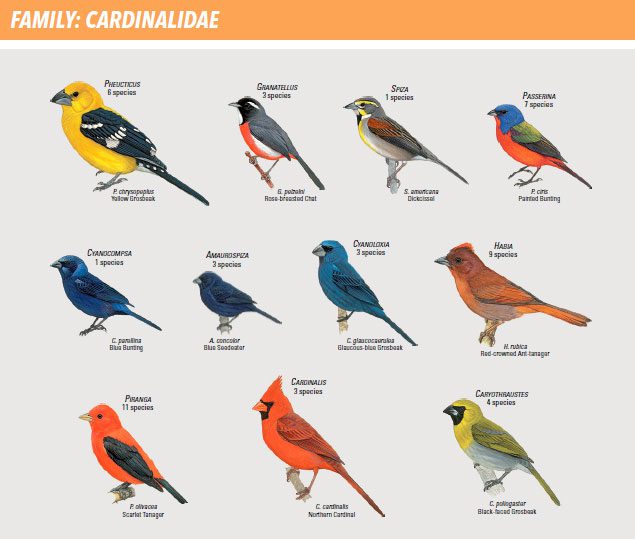
Birds belong to the kingdom Animalia. This kingdom includes all animals. Birds are warm-blooded and have feathers. They lay eggs and have beaks. Birds also have a unique skeletal structure. This structure allows them to fly. Birds fall under the class Aves. This class sets them apart from mammals and reptiles. Within Aves, birds are further divided into orders, families, and species. Each level of classification provides more detail about their characteristics.
Credit: www.allaboutbirds.org
Evolutionary Journey
Birds are not a single species; they belong to a diverse group of avian species. Their evolutionary journey showcases a fascinating variety, from the smallest hummingbird to the largest ostrich. Understanding birds' classification reveals their complex adaptations and ecological roles.
The evolutionary journey of birds is a fascinating tale that stretches back millions of years. It's a story of transformation, adaptation, and survival. Birds, as we know them today, are the result of a long evolutionary process that began with their ancient ancestors.
From Dinosaurs To Birds
Did you know that birds are actually modern-day dinosaurs? Yes, you read that right. They evolved from a group of two-legged dinosaurs known as theropods. The same group includes the ferocious Tyrannosaurus rex. Over millions of years, these theropods developed feathers, which initially served to keep them warm. As time progressed, some of these feathered dinosaurs started to glide and eventually fly. Picture the Velociraptor, now imagine it with feathers. This is closer to the ancestor of today's birds than you might think. This transition didn't happen overnight; it was a slow and gradual process, driven by natural selection.
Key Evolutionary Traits
Feathers are perhaps the most iconic trait of birds. But did you know that feathers first evolved not for flight, but for insulation? They kept these ancient creatures warm and may have played a role in attracting mates. Eventually, feathers evolved to assist in flight, creating the diverse avian life we see today. Another key trait is the lightweight skeleton of birds. Their bones are hollow, making them light enough for flight. This adaptation didn't just appear; it was honed over millions of years, allowing birds to conquer the skies. Birds also developed a unique respiratory system. Unlike mammals, birds have air sacs that allow for a more efficient oxygen exchange, crucial for the high-energy demands of flying. This system is so efficient that it even aids them in long migratory journeys. Have you ever wondered how birds manage to navigate such vast distances during migration? This too is an evolutionary trait. Birds have an incredible sense of direction, using the Earth's magnetic field, stars, and even the sun to guide their way. The evolutionary journey of birds is a testament to the power of adaptation and survival. As you watch a bird soar through the sky, remember that it carries with it millions of years of history. What other wonders of nature could be hiding in plain sight?
Diversity Of Birds
The diversity of birds is truly astonishing. With over 10,000 species scattered across the globe, birds exhibit a fascinating array of colors, shapes, and sizes. Have you ever wondered what drives this incredible diversity? It's their unique adaptations and behaviors that make each species stand out, creating a vibrant tapestry of life in the avian world.
Global Bird Varieties
Birds can be found in nearly every corner of the Earth, from the icy expanses of Antarctica to the sweltering deserts of Africa. You might spot a majestic Bald Eagle soaring in the sky or a tiny hummingbird flitting around the flowers in your backyard.
Consider the puffin, with its colorful beak, living on rocky coastlines, or the flamingo, standing gracefully on one leg in salt flats. Each species has adapted to its environment in remarkable ways. Have you ever stopped to think about how varied their habitats are?
Unique Behavioral Adaptations
Birds don't just differ in appearance; their behaviors are equally diverse. Migration is one of the most awe-inspiring phenomena. Some birds travel thousands of miles, crossing oceans and continents with precision.
Think about the Arctic Tern, which migrates from the Arctic to the Antarctic every year. On the other hand, some birds, like the lyrebird, are masters of mimicry, imitating sounds from their surroundings. How do these behaviors benefit them?
Next time you watch birds in your neighborhood, observe their interactions. Notice how some species work together in flocks, while others prefer solitude. What can these behaviors teach us about survival and adaptation?
With such diversity, birds offer endless opportunities for learning and appreciation. As you explore the world of birds, let their varied lives inspire you to look closer at the natural world around you.

Credit: en.wikipedia.org
Avian Anatomy
Birds belong to the class Aves, not a single species. They share unique features like feathers and hollow bones. Avian anatomy includes specialized adaptations for flight and diverse lifestyles.
Understanding avian anatomy is like unlocking the secrets of nature's most skilled aviators. Birds are fascinating creatures, primarily because of their unique anatomical features that enable them to soar through the skies. Their bodies are meticulously designed for flight, and this is evident in their feathers and skeletal structure. Let's dive into these intricate aspects and see how they contribute to a bird's ability to fly.
Feathers And Flight
Feathers are not just about making birds look beautiful; they are a marvel of engineering. They provide insulation, waterproofing, and play a crucial role in aerodynamics. The structure of a feather is complex, with a central shaft and an array of barbs that interlock, providing a lightweight yet strong surface. Ever noticed a bird preening? That's not vanity; it's essential maintenance. Preening keeps feathers aligned for optimal flight. Next time you see a bird in flight, think about how its feathers are perfectly aligned to cut through the air smoothly. Birds can adjust their feathers mid-flight. This helps them change direction swiftly or slow down when landing. It's like having built-in wing flaps, allowing them to navigate with precision.
Skeletal Structure
A bird's skeletal structure is a masterpiece of nature. Bones are light but strong, allowing flight without weighing the bird down. The bones are hollow, filled with air sacs, reducing weight but maintaining strength. The keel, a ridge on the sternum, is where flight muscles attach. This gives birds the power needed for takeoff and sustained flight. Imagine a bird launching into the sky; it's the keel and muscles working in harmony. Birds have fewer bones than most mammals. The fusion of certain bones increases strength and reduces weight. This optimized design makes them efficient flyers, using less energy to stay airborne. Have you ever wondered how birds endure long migratory flights? Their skeletal system, combined with unique muscle structures, allows for sustained effort over great distances. Next time you see a flock migrating, remember the incredible anatomy that makes such journeys possible. Bird anatomy is a testament to the wonders of evolution. Each feature, from feathers to bones, is perfectly adapted for life in the skies. Next time you watch a bird in flight, consider the incredible design that enables such grace and efficiency.
Bird Communication
Birds have fascinating ways to communicate with each other. Their communication includes various sounds and signals. This helps them express needs, warnings, and emotions. Understanding bird communication can offer insights into their world. Let's explore how birds use vocal and visual methods to communicate.
Vocalization Patterns
Birds use sounds to communicate in many ways. Songs and calls are common methods. Songs usually attract mates or mark territory. Calls can warn others of danger. Each species has unique vocal patterns. These patterns convey specific messages. Birds learn these patterns from their parents. Young birds practice until they master them. This ensures accurate communication throughout their lives.
Visual Signals
Birds also use body language to communicate. Wing flaps, head movements, and tail displays are examples. These signals can show aggression or submission. Bright plumage can attract mates. Some birds puff their feathers to appear larger. This can deter predators or rivals. Others use specific postures to show readiness to mate. Visual signals are crucial in a bird's daily life. They help maintain social order and find mates.
Ecological Roles
Birds play crucial roles in ecosystems. They contribute to ecological balance. Their activities influence plant growth, animal populations, and nutrient cycles. Understanding these roles helps appreciate birds' importance in nature.
Pollination And Seed Dispersal
Birds aid pollination. Some birds visit flowers for nectar. While feeding, they transfer pollen between flowers. This process helps plants reproduce. Additionally, birds help disperse seeds. Many birds eat fruits and berries. Seeds pass through their digestive system. They are then deposited elsewhere, often far from the parent plant. This seed dispersal fosters plant diversity and growth across regions.
Predator-prey Dynamics
Birds are vital in predator-prey relationships. They consume insects, rodents, and other small animals. This helps control pest populations. Some birds are prey for larger animals. Owls, hawks, and eagles hunt birds, maintaining ecological balance. Such interactions ensure ecosystem stability. Birds thus play multiple roles in food chains.
Conservation Challenges
The conservation of bird species faces numerous challenges today. Birds play a vital role in ecosystems, yet their survival is threatened. The key issues include habitat loss and climate change impact. Addressing these challenges is crucial for maintaining biodiversity. Let's explore each problem in detail.
Habitat Loss
Habitat loss is a significant threat to bird populations. Urban expansion reduces natural areas. Deforestation destroys essential nesting sites. Agriculture converts wild lands into fields. Birds struggle to find safe places to live. Their natural habitats vanish rapidly. Protecting these spaces is vital for bird survival.
Climate Change Impact
Climate change alters bird habitats and food sources. Rising temperatures affect migration patterns. Birds travel earlier or later than usual. Unpredictable weather impacts breeding cycles. Some species face food shortages. Others encounter hostile environments. Climate change makes survival harder for many birds. Immediate action can help mitigate these effects.
Frequently Asked Questions
What Defines A Species In Birds?
A bird species is defined by its unique characteristics and ability to interbreed. They share common traits like behavior, appearance, and genetic makeup. These factors help differentiate them from other bird species. Understanding species helps in studying bird diversity and conservation efforts.
How Are Bird Species Categorized?
Bird species are categorized based on their physical traits, behaviors, and genetic data. Scientists use these factors to classify birds into families and orders. This categorization helps in identifying and studying the ecological roles of different birds. Accurate classification aids in bird conservation.
Are All Birds Considered Species?
Not every bird is considered a distinct species. Birds within a species share common traits and interbreed successfully. Variations exist within species, known as subspecies, differing slightly in appearance or behavior. Understanding these differences is crucial for bird conservation and research.
What Role Does Genetics Play In Species Identification?
Genetics play a crucial role in identifying bird species. Genetic analysis helps determine evolutionary relationships and diversity among birds. It reveals differences and similarities within bird populations. Genetic studies are essential for accurate classification and conservation strategies.
Conclusion
Birds, fascinating creatures, are indeed a species. They share common traits. Feathers, beaks, and the ability to fly define them. Their diversity is vast, covering many habitats. From sparrows to eagles, each bird is unique. Understanding birds helps us appreciate nature's complexity.
They play vital roles in ecosystems. Pollinating plants, controlling pests, and more. Observing birds can be a delightful hobby. It connects us with nature. So, next time you see a bird, remember. It's a part of a diverse and crucial species.
A reminder of the beauty and balance in our world.