


Have you ever stopped to marvel at the birds soaring above you? These fascinating creatures capture our attention with their vibrant colors, intricate songs, and graceful flight.
But have you ever wondered what species they belong to? Understanding the diverse world of birds opens up a new dimension to your everyday encounters with nature. You're about to discover the incredible variety that exists within the avian world, and why it matters.
By the end of this article, you'll see birds not just as fleeting figures in the sky, but as a vital part of our ecosystem, each with its own unique story and role. Let's dive into the captivating universe of bird species—it's more intriguing than you might think.

Credit: www.notesfromtheroad.com
Birds: A Brief Overview
Birds encompass over 10,000 species worldwide, each with unique traits and habitats. From vibrant parrots to majestic eagles, they showcase diverse adaptations for survival. Observing their flight and behavior provides insights into the fascinating world of avian life.
Birds are fascinating creatures that have captured the imagination of humans for centuries. Their ability to soar through the skies, their vibrant plumage, and their melodious songs make them a unique group in the animal kingdom. But what exactly defines a bird? How do they differ from other animals? Let's dive into a brief overview of what makes birds so special.
What Makes A Bird A Bird?
Birds are warm-blooded creatures. This means they can regulate their body temperature internally, unlike reptiles that rely on external sources of heat. You might notice birds fluffing their feathers during cold days. That's their way of trapping heat to stay warm. Another defining characteristic of birds is their feathers. Feathers serve multiple purposes: they enable flight, provide insulation, and even play a role in mating rituals.
Unique Adaptations
Birds have lightweight skeletons. Their bones are hollow, which helps them fly effortlessly. Think of the time you watched a bird glide through the air with ease. That’s all thanks to this unique adaptation. Their keen eyesight is another remarkable trait. Birds of prey, like eagles, can spot their targets from miles away. Next time you see a bird swoop down to catch a prey, remember it's not just luck—it's precision!
Diverse Habitats
Birds can be found in nearly every corner of the world. From bustling cities to remote forests, they adapt to various environments. Consider the pigeons in urban areas. They’ve learned to thrive amidst skyscrapers and bustling streets. Meanwhile, penguins inhabit the icy terrains of Antarctica. Each species has carved out its niche, showcasing incredible adaptability.
Birds In Your Backyard
Ever noticed the chirping sounds in your garden? They aren't just background noise. Take a closer look, and you might find robins or sparrows nesting in nearby trees. You can attract more birds by setting up feeders and bird baths. It's a simple way to bring the beauty of nature closer to home.
Conservation And Your Role
Sadly, many bird species face threats from habitat loss and pollution. As a bird enthusiast, you can play a vital role. Consider volunteering for local bird conservation projects. It’s a rewarding way to make a difference. Or, reduce plastic use to minimize environmental impact on bird habitats. Every small step counts. Birds are more than just creatures of the sky. They are an integral part of our ecosystem, offering endless opportunities for observation and learning. So, next time you spot a bird, take a moment to appreciate the marvel that it is. What have you learned from the birds around you?
Characteristics Of Birds
Birds belong to a class called Aves. They have feathers, wings, and lay eggs. Most can fly, but some, like ostriches and penguins, cannot. They are warm-blooded and have a beak with no teeth.
Understanding the characteristics of birds can be quite fascinating. These creatures have unique features that make them stand out in the animal kingdom. By examining their feathers, anatomy, and behavior, you can gain a deeper appreciation for these incredible animals.
Feathers And Flight
Feathers are perhaps the most distinguishing feature of birds. They serve multiple purposes, from aiding in flight to providing insulation. Have you ever watched a bird take off into the sky and marveled at its grace? Birds possess different types of feathers, such as flight feathers that help with flying and contour feathers that streamline their bodies. Next time you see a bird, notice how its feathers shine in the sunlight, showcasing an array of colors. Flight is a critical aspect of most bird species, allowing them to escape predators and migrate. Consider how swallows soar through the air with such ease and precision. It’s a testament to their incredible wing structure and lightweight bodies.
Unique Anatomy
Birds have a remarkable anatomy that supports their lifestyle. Their hollow bones make them lighter, enabling flight. Have you ever picked up a bird bone and noticed its surprising lightness? Their beaks are another fascinating feature, adapted to their feeding habits. Think about the long beak of a hummingbird that allows it to reach deep into flowers for nectar. Each bird’s anatomy is a perfect match for its environment. Birds also have a high metabolic rate, which supports their energy needs during flight. Imagine the constant movement and energy of a hummingbird as it flits from flower to flower. Such efficiency in their anatomy is a marvel of nature.
Communication And Behavior
Birds use various methods to communicate with each other. From songs to visual signals, they have developed complex ways to interact. Have you ever listened to the morning chorus of birds and felt the day awaken? Songs are not just for beauty; they establish territory and attract mates. Notice how a male robin sings its heart out, announcing its presence to potential partners and rivals alike. Birds also display intriguing behaviors, such as building nests and migrating over long distances. Think about the teamwork seen in flocks of geese flying in formation. It’s an impressive display of coordination and mutual support. Understanding these characteristics can enrich your appreciation of birds. Next time you spot a bird, observe its feathers, listen to its song, and consider its journey. What else can you learn from these remarkable creatures?
Major Bird Groups
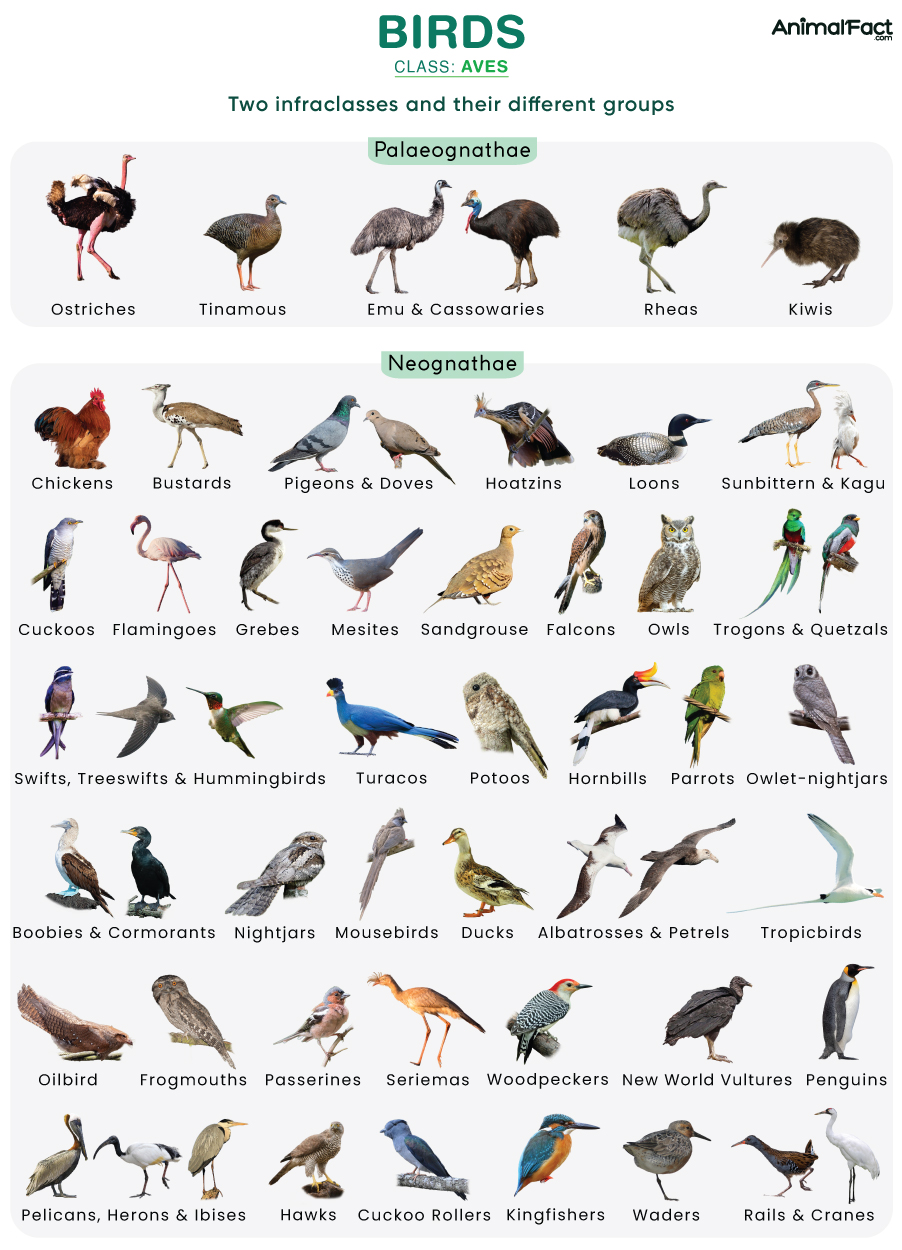
Birds are diverse creatures with over 10,000 species globally. They are categorized into major groups known as Passerines and Non-Passerines. Each group possesses unique characteristics and adaptations. Understanding these groups helps in appreciating bird diversity. Let's explore these major bird groups.
Passerines
Passerines, often called perching birds, are the largest bird group. They include more than half of all bird species. Common examples are sparrows, finches, and robins. These birds have three toes pointing forward and one backward. This toe arrangement helps them perch easily on branches. Passerines are also known for their vocal abilities. Many are excellent songbirds, with complex songs. Their diet mostly consists of insects and seeds.
Non-passerines
Non-Passerines are birds that do not belong to the perching group. This group includes a wide variety of species. Examples are ducks, eagles, and penguins. Non-Passerines have different toe arrangements and behaviors. Many of them are water birds or birds of prey. Ducks are famous for their webbed feet and swimming skills. Eagles are known for their keen eyesight and hunting prowess. Penguins are adapted to cold climates and are excellent swimmers. Each species in this group has unique adaptations for survival.
Habitats And Distribution
Birds are fascinating creatures, thriving in diverse habitats worldwide. Their adaptability allows them to inhabit almost every corner of the earth. From icy polar regions to scorching deserts, birds have made these places their homes. Understanding their habitats and distribution offers insights into their survival strategies and ecological roles.
Global Presence
Birds boast a remarkable global presence. They occupy every continent, even Antarctica. Penguins thrive on ice, while tropical birds prefer rainforests. Each species has adapted to its environment. This adaptability ensures their widespread distribution. Cities, too, see an abundance of birds. Pigeons and sparrows are common urban dwellers. Their presence highlights their ability to coexist with humans.
Migratory Patterns
Migration is a significant aspect of bird life. Many birds travel vast distances annually. Seasonal changes trigger these migrations. Birds seek food and breeding grounds across continents. The Arctic Tern, for instance, travels from the Arctic to the Antarctic. This journey covers thousands of miles. Migration ensures survival in changing climates. It also aids in genetic diversity and species propagation.
Diversity And Adaptation
Birds are diverse creatures with unique adaptations. Their species range from tiny hummingbirds to majestic eagles. Feathers, beaks, and flight patterns showcase their incredible diversity across different environments.
Birds are among the most fascinating creatures on Earth, showcasing an incredible range of diversity and adaptation. From the majestic albatross soaring over oceans to the tiny hummingbird hovering in mid-air, the variety of birds is a testament to nature's creativity. Their ability to adapt to different environments is truly remarkable, offering insights into their evolutionary journey.
Evolutionary Traits
Birds have evolved a range of traits that enable them to survive and thrive across diverse habitats. Their feathers are not just for flight; they provide insulation, camouflage, and even attract mates. Think of the peacock's vibrant plumage—a true spectacle, yet a strategic asset in attracting partners. The evolution of beaks is another fascinating aspect. Each beak shape is tailored to specific feeding habits. The sharp, hooked beak of a hawk aids in tearing flesh, while the long, slender beak of a hummingbird helps in sipping nectar. These adaptations have played a critical role in the survival of various bird species.
Adaptive Strategies
Birds deploy several strategies to adapt to their surroundings. Migration is a prime example; birds like the Arctic Tern travel thousands of miles to exploit food resources and favorable climates. Have you ever wondered how they navigate these vast distances? Their incredible sense of direction and environmental cues guide them. Another strategy is nesting behavior. Some birds build elaborate nests, while others lay eggs on bare ground. These choices often reflect the need for protection against predators or harsh weather. The weaver bird's intricate nest is a marvel of engineering, offering safety and comfort to its young. What adaptations have you noticed in birds around your area? Observing their behavior can reveal much about their survival tactics. It’s a fascinating exercise that connects you to the natural world.
Birds provide a window into the complex interplay between diversity and adaptation. Their evolutionary traits and adaptive strategies underscore the importance of flexibility and innovation in nature. What lessons can you draw from their journey? As you observe these feathered wonders, consider how adaptation plays a role in your life.
Birds In Ecosystems
Birds are fascinating creatures that play vital roles in ecosystems around the world. From the chirping sparrows in your backyard to majestic eagles soaring high above, birds contribute significantly to the balance of nature. They are not just pretty to look at; they are crucial players in maintaining the health and diversity of our environment.
Ecological Roles
Birds are nature's multitaskers. They pollinate plants, disperse seeds, and control insect populations. Imagine a world without birds—your garden would be overrun with pests, and many plants would struggle to reproduce. Next time you watch a hummingbird hovering around flowers, remember they're boosting plant life.
Birds also act as natural scavengers. They clean up carrion, reducing the spread of disease. In my neighborhood, crows are the unsung heroes, tidying up after nature's mess. Their presence ensures a healthier ecosystem for everyone.
Impact On Biodiversity
Birds are champions of biodiversity. They create habitats for other species, like when woodpeckers drill holes in trees that later become homes for other creatures. By nurturing these environments, birds support a wide array of life.
Bird migration is another marvel. Birds travel thousands of miles, connecting ecosystems across continents. This journey enriches global biodiversity. Have you ever wondered how different ecosystems would be affected if these migrations stopped?
When you hear the early morning bird chorus, remember it's more than just a pleasant sound. It's a symphony of biodiversity at work, each species playing its part in the ecosystem. How can you help maintain this delicate balance in your surroundings?
Conservation Challenges
The beauty of birds is undeniable, but their survival faces significant challenges. Conservation efforts are crucial to ensure that future generations can enjoy the vibrant songs and colors of these winged wonders. Understanding these challenges can empower you to make a difference.
Threats To Bird Species
Birds encounter numerous threats that jeopardize their existence. Habitat loss is one of the most critical issues. As urban areas expand and forests are cleared, birds lose the places they call home.
Pollution also poses a severe danger. Pesticides and chemicals contaminate their food sources, leading to health issues and diminished populations. Climate change further disrupts migratory patterns and breeding cycles.
Consider the impact of invasive species. They compete for resources and sometimes prey on native birds, causing a ripple effect through ecosystems. It's a complex web of challenges that demands attention.
Efforts In Preservation
Despite these threats, there are numerous efforts underway to protect bird species. Conservationists are working tirelessly to restore habitats, ensuring birds have safe places to live and breed.
Organizations are actively reducing pollution by advocating for cleaner agricultural practices. They push for legislation that limits harmful chemicals, protecting birds and the environment they depend on.
Community involvement is crucial. By participating in local bird counts or supporting conservation groups, you contribute to the collective effort. Have you considered how your actions can help preserve these magnificent creatures?
Every small step counts. Plant native trees and shrubs to provide food and shelter for birds. Spread awareness about the importance of conservation. Together, we can tackle these challenges and secure a future where birds thrive.

Credit: www.audubon.org
Credit: scienceandsf.com
Frequently Asked Questions
What Defines A Bird Species?
A bird species is defined by its unique characteristics such as feather types, size, and vocalizations. They are classified based on their genetic makeup and evolutionary history. These factors help scientists distinguish one species from another, ensuring accurate categorization within the avian world.
How Many Bird Species Exist Worldwide?
There are approximately 10,000 bird species worldwide. These species are distributed across various habitats, from dense forests to open oceans. Each species has adapted to its environment, showcasing the incredible diversity and adaptability of birds globally.
Why Are Birds Classified As Avian Species?
Birds are classified as avian species due to their distinctive characteristics. These include feathers, beaks, and the ability to fly. This classification helps in studying their evolutionary traits and understanding their ecological roles. It distinguishes them from other animal groups.
What Is The Largest Bird Species?
The largest bird species is the ostrich. Ostriches can reach up to 9 feet in height and weigh over 300 pounds. They are flightless birds, primarily found in African savannas and deserts. Their size and speed are remarkable, enabling them to outrun many predators.
Conclusion
Birds are fascinating and diverse creatures. They come in many shapes and sizes. Each species has unique features and abilities. From colorful parrots to soaring eagles, birds amaze us. Understanding their differences helps us appreciate nature more. Birds play vital roles in ecosystems.
They pollinate plants and control pests. Observing them connects us with the natural world. So, explore and learn about birds. Discover the wonders they bring to our lives. Celebrate their beauty and importance. Keep watching the skies. There's always something new to see and learn about these incredible species.