


Have you ever looked up at the sky and wondered where the birds are flying? These incredible creatures travel thousands of miles every year, crossing continents and oceans.
But what if their journeys are changing? As you sip your morning coffee and listen to the chirping outside, it's time to ask: is climate change affecting bird migration? This is more than just a scientific curiosity. Bird migration impacts ecosystems, agriculture, and even your everyday life.
Imagine a world where the timing of the seasons feels off, where the birds you expect to see no longer arrive. This article unravels the mystery behind shifting migration patterns and reveals how these changes might touch your life. By the end, you'll discover surprising connections between your environment and these feathered travelers. Ready to uncover the truth? Let’s dive in.
Impact Of Temperature Changes
Climate change is a pressing issue with far-reaching consequences. One of the most immediate impacts is the change in temperature patterns. Birds, sensitive to these changes, are adjusting their migration habits. These shifts are not just interesting; they are crucial for understanding the larger ecological impact.
Shifts In Migration Timing
Have you ever noticed birds arriving earlier or later than usual? This is happening more frequently. Warmer temperatures are prompting birds to begin their migrations sooner in the spring. This might sound harmless, but it disrupts the delicate balance of ecosystems.
When birds arrive early, they may miss the peak abundance of food like insects and plants. This affects not just the birds but the entire food chain. You might wonder how this could impact you. Consider the spread of pests that birds usually control.
Altered Routes
Temperature changes are also causing birds to take different migration routes. Traditional paths might no longer provide the resources birds need. This can lead to increased mortality rates, which is concerning for biodiversity.
Imagine your favorite hiking trail disappearing overnight. Birds face similar challenges when their migratory routes change. They must adapt quickly, which isn't always possible. This raises a critical question: How will ecosystems adapt to these new patterns?
Understanding these changes helps us make more informed decisions about conservation efforts. By staying aware, you can contribute to solutions that protect both birds and the broader environment. What role can you play in this crucial conversation?

Credit: www.science.org
Effects On Breeding Grounds
Climate change is reshaping bird migration patterns worldwide. One significant area of impact is their breeding grounds. Birds depend on specific habitats for nesting and raising young. These habitats are changing due to rising temperatures and shifting weather patterns.
Changes In Habitat Availability
Warmer climates alter landscapes, affecting habitat availability for birds. Forests, wetlands, and grasslands face drastic changes. This can lead to a mismatch between birds and their preferred breeding sites. Some areas become unsuitable, forcing birds to search for new locations.
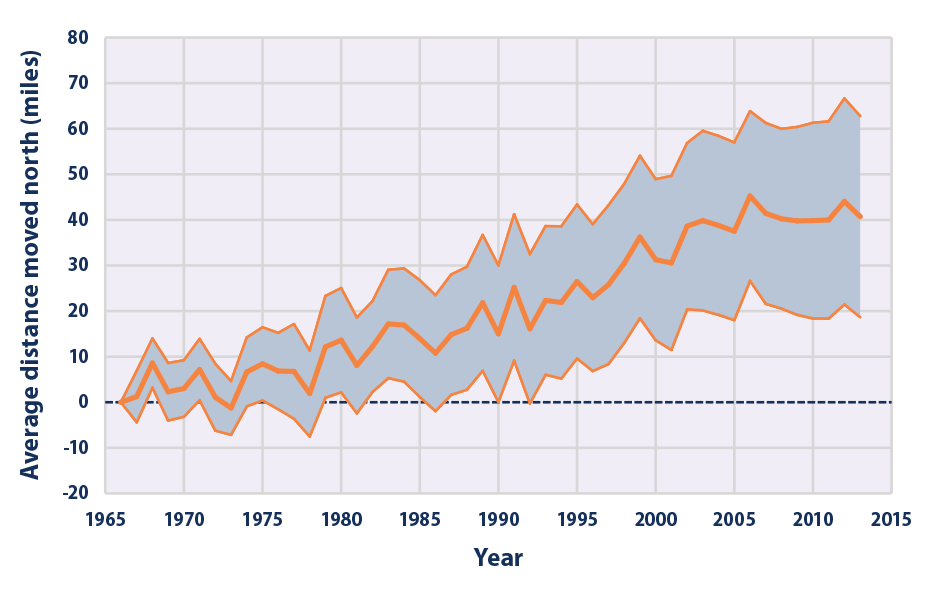
Natural vegetation shifts northward as temperatures rise. Birds accustomed to certain plant species may struggle to find food. This can disrupt their breeding cycles and lower population numbers.
Impact On Reproductive Success
Climate change can affect birds' reproductive success. Temperature changes influence food supply timing and availability. Birds may hatch chicks before peak food supply, leading to starvation.
Altered weather patterns also impact nesting success. Increased storms and unpredictable weather can destroy nests. Frequent nest failures reduce the number of young birds reaching maturity.
Overall, climate change poses significant challenges for bird populations. Understanding these effects is crucial for conservation efforts.
Food Availability Challenges
Bird migration patterns are shifting due to climate change. One significant factor is food availability challenges. Birds rely on predictable food sources during migration. Changes in climate disrupt these patterns. This affects birds' ability to find food. It can lead to survival challenges for migrating birds.
Mismatch In Food Supply And Demand
Climate change alters the timing of food availability. Birds migrate expecting certain food sources at specific times. Earlier springs or delayed winters shift food cycles. Birds may arrive when food is scarce. This mismatch affects their energy levels. It can impact their ability to complete migration.
Impact On Juvenile Survival
Young birds face more risks due to food scarcity. They require abundant food for growth. Climate-induced changes can reduce food access. Juveniles struggle without enough nutrition. It hampers their growth and development. In some cases, survival rates drop significantly. This affects the overall bird population. Food availability is crucial for juvenile birds' survival.
Credit: www.epa.gov
Extreme Weather Events
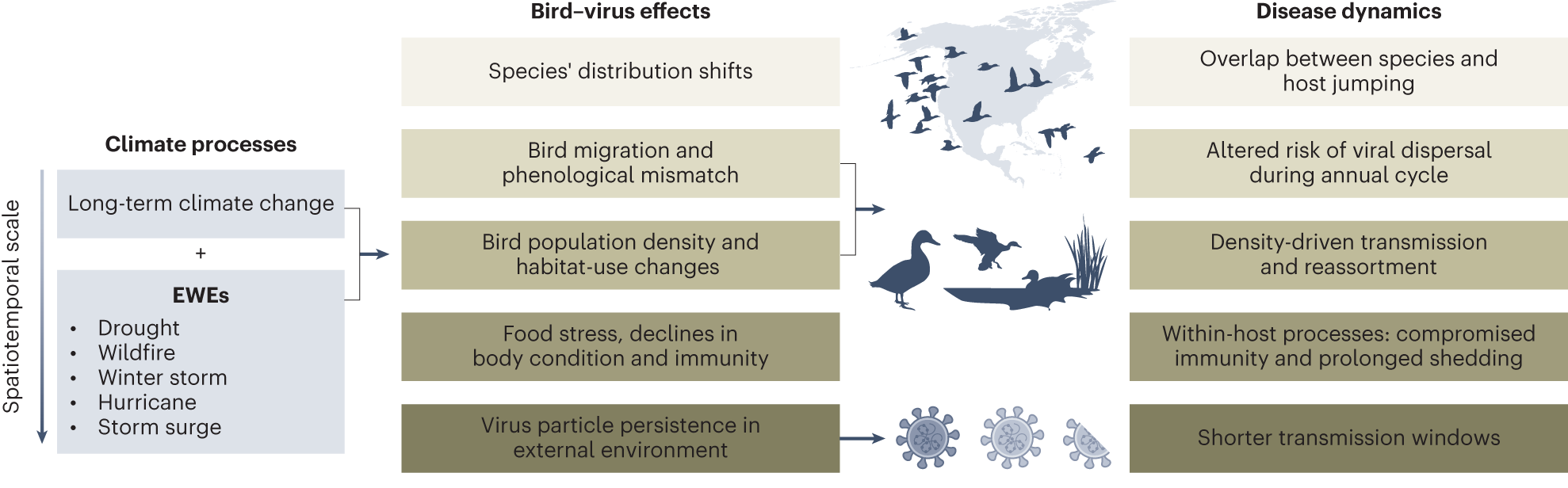
Extreme weather events significantly impact bird migration patterns. With rising global temperatures, storms, droughts, and unpredictable weather are becoming more frequent. These conditions pose serious challenges for migrating birds.
Increased Mortality Rates
Birds face higher mortality rates due to extreme weather. Storms can cause exhaustion and disorientation. Intense winds and rain make flying difficult. Birds may lose their way or die from exhaustion. Harsh weather also affects food availability, leading to starvation.
Disruption Of Migration Cycles
Migration cycles are disrupted by unpredictable weather patterns. Birds rely on weather cues for timing their journeys. Unusual cold or heat alters their travel plans. This can lead to arriving at breeding grounds too early or late. Such disruptions affect their survival and reproduction success.
Role Of Human Activities
Human activities like deforestation and pollution impact bird migration. Changing climates confuse birds, altering their travel patterns. These disruptions affect survival and reproduction rates, posing threats to bird populations globally.
Climate change is not just an abstract concept; it is a pressing reality that is affecting the natural world in numerous ways. One of the most visible impacts is on bird migration patterns. Birds, like many animals, rely heavily on environmental cues to time their migrations. But human activities are altering these cues, leading to potential disruptions in their natural rhythms. Let's dive into how urbanization and agricultural practices play a role in this phenomenon.
Urbanization Impact
Urbanization is expanding at a rapid pace, transforming natural habitats into concrete jungles. This expansion leads to the fragmentation of habitats that birds use during migration. When cities grow, they often replace important resting and feeding areas for birds with buildings and roads. Think about the last time you saw a migratory bird in a bustling city. It might have been resting on a window ledge or searching for food in a park. These areas are poor substitutes for the natural habitats they once relied on. As urbanization continues, migratory birds face increased risks of collisions with buildings and exposure to artificial lights, which can disorient them. The question arises: Are we doing enough to create bird-friendly urban spaces? Simple actions like dimming unnecessary lights during migration seasons can significantly help. Your city could become part of the solution rather than the problem.
Agricultural Practices
Agricultural practices have transformed landscapes worldwide, with significant impacts on bird migration. Large-scale farming often leads to the removal of hedgerows and trees, which serve as crucial stopover sites for migrating birds. Without these natural waystations, birds struggle to find food and shelter. Pesticide use is another concern. Chemicals intended to protect crops can poison birds or reduce the availability of insects they eat. Have you noticed fewer birds on your local farmland? This might be a consequence of such practices. However, there is hope. Sustainable farming practices, like maintaining hedgerows and using organic methods, can support bird populations. Farmers can play a pivotal role in ensuring migratory paths remain viable. Imagine the positive impact if more farms adopted bird-friendly practices. Wouldn't that be a win-win for both agriculture and nature? In addressing climate change, human activities are crucial. By understanding our impact, we can make informed choices that support both human needs and bird migration.
Adaptation Strategies By Birds
Birds are facing new challenges due to climate change. Their migration patterns are shifting. To survive, birds must adapt. These changes are crucial for their survival. Let’s explore how birds are adapting.
Changes In Behavior
Birds are changing their flight paths. Some birds are migrating earlier. Others are staying closer to home. This helps them find food. It also helps them avoid extreme weather. Birds are adjusting their timing. They are learning to cope with new climates.
Evolutionary Adaptations
Birds are evolving to survive. Their bodies are changing. Some birds are growing longer wings. This helps them fly further. Others are developing stronger muscles. This helps them withstand storms. These changes are slow. But they are vital for survival.
Conservation Efforts
Climate change has disrupted many natural processes, including bird migration. Conservation efforts are crucial to help birds adapt and survive. These efforts focus on protecting habitats and monitoring migration patterns. By understanding these strategies, we can help birds thrive.
Protecting Key Habitats
Birds rely on specific habitats for nesting and feeding. Climate change can alter these habitats. Conservationists work to protect and restore vital areas. Wetlands, forests, and coastal regions must be preserved. These places offer food and shelter to migrating birds. Creating protected zones ensures birds have safe stops. Planting native vegetation helps maintain the ecosystem. Community involvement strengthens habitat protection efforts. Engaging local groups and volunteers is essential. Their support makes a significant impact on habitat conservation.
Monitoring Migration Patterns
Tracking bird migration is vital for effective conservation. Scientists use various methods to monitor birds. Satellite tracking provides real-time data on bird movements. Tagging individual birds helps identify migration routes. Observing changes in patterns informs conservation strategies. Early detection of shifts aids in timely interventions. Collaborations with birdwatchers enhance data collection. Citizen science projects engage the public in monitoring efforts. These initiatives raise awareness about bird migration challenges.
Credit: www.nature.com
Frequently Asked Questions
How Does Climate Change Affect Bird Migration?
Climate change alters temperature and weather patterns, impacting bird migration. Birds rely on specific cues like temperature and food availability to migrate. These changes can cause shifts in migration timing and routes, threatening bird survival and ecosystem balance.
Are Bird Migration Patterns Changing Due To Climate Change?
Yes, bird migration patterns are changing due to climate change. Rising temperatures and altered weather patterns influence migration timing, routes, and destinations. These changes can disrupt breeding and feeding, affecting bird populations and ecosystems.
What Are The Consequences Of Altered Bird Migration?
Altered bird migration affects ecosystems and biodiversity. Changes in migration timing can lead to mismatches in food availability and breeding. This can cause population declines and impact ecosystem functions, such as pollination and pest control.
How Can We Help Birds Affected By Climate Change?
We can help birds by protecting habitats and reducing carbon emissions. Supporting conservation efforts and creating bird-friendly environments in urban areas can also aid birds. Engaging in citizen science projects helps track bird populations and migration changes.
Conclusion
Bird migration faces serious challenges from climate change. Rising temperatures disrupt natural patterns. Birds struggle to find food and safe habitats. Migration paths shift, causing confusion and stress. Some species risk extinction without urgent action. Protecting the environment helps birds survive.
Simple steps can make a big difference. Plant trees, reduce waste, and conserve energy. Everyone can help. Every effort counts. Let's protect our planet and its creatures. Future generations depend on it.