


Have you ever stopped to think about the incredible world of birds and their nests? These fascinating creatures build intricate homes that seem perfectly tailored to their needs.
But is a bird's nest really considered part of its habitat? This question might seem simple, but it opens up a doorway to understanding the complex relationship between birds and their environments. Imagine you’re walking through a forest or a park, and you spot a nest nestled high in the branches.
It's more than just twigs and leaves—it’s a masterpiece of nature and survival. As you explore this article, you'll discover the role nests play in the lives of birds and why they are crucial to their existence. Understanding this can change how you perceive the natural world around you, making every walk outdoors a new adventure in discovery. You’ll be surprised at how these small, seemingly simple structures are more than just a place to lay eggs. They are a vital part of a bird's life, offering protection, comfort, and a base for their daily activities. By delving deeper into this topic, you'll gain insights that might shift your perspective on how birds interact with their surroundings and adapt to different environments. So, if you’re curious to unravel the mysteries of bird habitats and want to deepen your connection with nature, keep reading. This exploration promises to be both enlightening and rewarding, engaging your senses and imagination in ways you never expected.

Credit: news.mongabay.com
Birds Nest: Definition And Characteristics
Birds nests are fascinating structures created by our feathered friends. These nests serve as a safe haven for birds and their young. They are intricately designed using various materials found in nature.
Birds Nest: Definition
A bird's nest is a structure built by birds for laying eggs and raising chicks. It provides protection from predators and harsh weather conditions. Each species has a unique way of constructing its nest.
Characteristics Of Birds Nests
Birds nests vary in shape, size, and location. Some are simple while others are complex and elaborate. Materials like twigs, leaves, feathers, and mud are commonly used.
Location is chosen based on safety and accessibility. Birds often prefer high places like trees or cliffs. Some birds build nests on the ground or hidden in shrubs.
Materials Used In Birds Nests
Twigs and branches form the basic structure of many nests. Soft materials like feathers and grass add comfort and insulation. Mud is used for binding and shaping the nest.
Functions Of Birds Nests
Nests provide a warm and secure environment for eggs. They protect young birds from predators. A nest is essential for the survival of bird offspring.
Role Of Nests In Bird Life
Birds' nests play a vital role in their habitat, offering shelter and safety. These intricate structures provide a secure space for raising young ones. Nests are essential for survival, as they protect birds from predators and harsh weather conditions.
When you think about a bird, you might picture it soaring through the sky or perched on a branch. But have you ever considered the vital role a nest plays in a bird’s life? Nests are more than just a place for birds to rest. They are crucial elements of their habitat, ensuring survival and continuity of their species. Let’s dive into the important functions nests serve in a bird's life.
Protection And Safety
Nests provide birds with a much-needed shield from predators and harsh weather conditions. You might have noticed how cleverly some birds build their nests, tucking them away in dense foliage or high up in trees. This strategic placement is no accident—it’s a calculated move to keep their precious eggs and hatchlings out of sight and safe. A bird's nest also offers warmth and comfort. Think about those chilly nights when temperatures drop. The nest’s design traps heat, providing a cozy environment that aids in the survival of the young birds during their most vulnerable stages.
Reproduction And Raising Young
Nests are the epicenter for reproduction and nurturing the next generation. Birds meticulously construct them to lay eggs and incubate them until they hatch. This process is crucial for the continuation of their species. Once the eggs hatch, the nest becomes a nursery. It’s where fledglings first experience life and where they are fed and protected by their parents. Have you ever watched a parent bird tirelessly feeding its young? The nest is the stage where this captivating drama unfolds, showcasing the dedication of bird parents. Nests are integral to the early learning experiences of young birds. As they grow, they learn essential skills needed to survive outside the nest. This small space plays a monumental role in shaping the future of bird populations. Next time you spot a nest, consider its importance. What stories of life and survival does it silently hold?
Types Of Bird Nests
Understanding the diverse types of bird nests is crucial for appreciating how birds interact with their environment. Each type of nest reflects the bird's unique way of adapting to its surroundings. These structures are not just shelters but are integral parts of a bird's habitat. Have you ever wondered why some birds choose a cozy nook in a tree while others prefer wide-open spaces? Let's dive into the fascinating world of bird nests and see how they play a pivotal role in their habitat.
Platform Nests
Platform nests are built by birds who prefer simplicity and space. These nests are essentially flat surfaces made of twigs, leaves, and other materials. Birds like eagles and ospreys often choose this style, constructing large, sturdy platforms high up in trees or on cliffs. Imagine standing on a tall mountain and spotting a majestic eagle perched on its expansive nest. The platform provides a safe haven for their young, far from ground predators.
Cup Nests
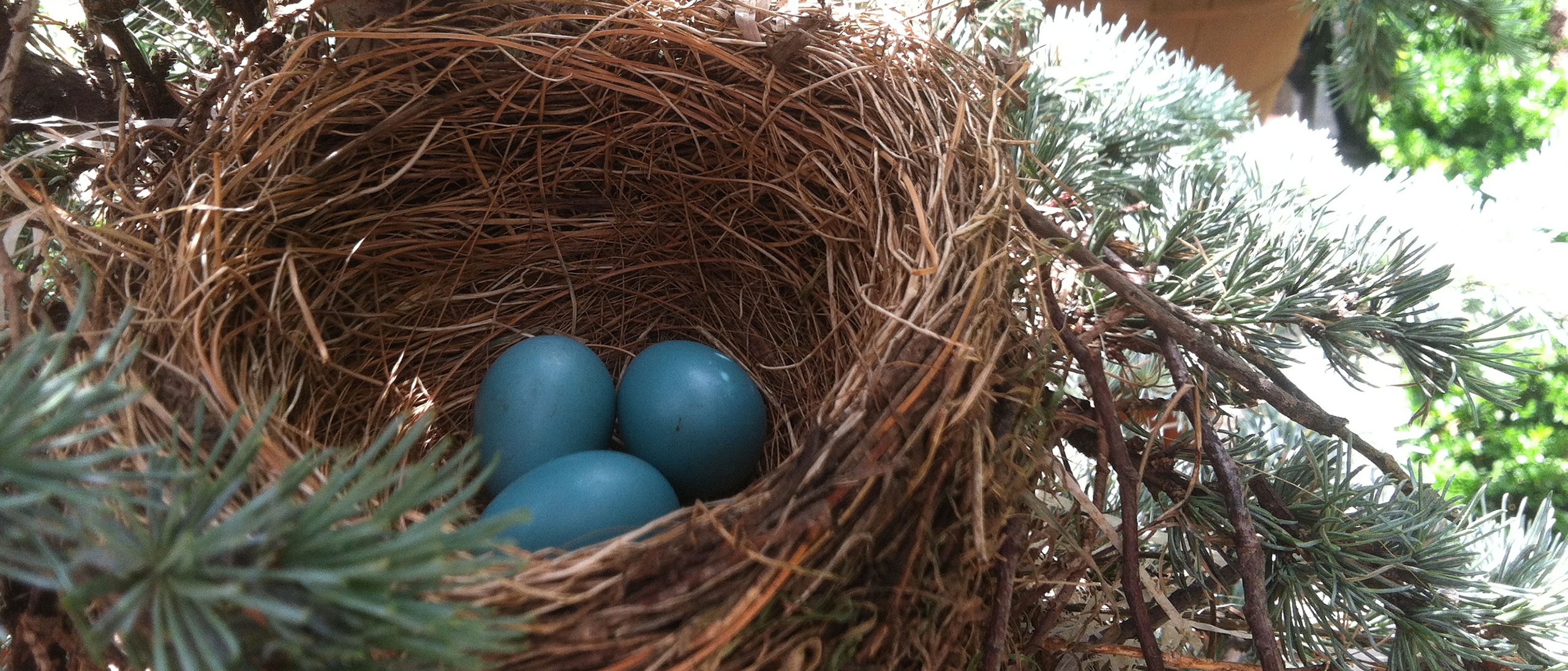
Cup nests are the quintessential bird nest that many of us picture in our minds. These nests are rounded and resemble a cup, perfect for holding eggs securely. Small birds, such as robins and sparrows, typically opt for this type. Have you ever noticed a robin meticulously gathering twigs and grass to weave a snug cup? It’s a marvel of engineering, ensuring warmth and protection for its eggs and chicks.
Burrow Nests
Burrow nests are fascinating as they reveal a different side of bird nesting habits. Some birds, like kingfishers, dig into the ground or riverbanks to create their nests. These burrows provide excellent insulation and protection against predators. Picture a kingfisher darting into a riverbank, disappearing into its hidden burrow nest. It’s a clever adaptation, providing security and a stable environment for raising their young.
Cavity Nests
Cavity nests are nature's cozy hideaways. Birds like woodpeckers and owls often use holes in trees or man-made structures to create their nests. These cavities offer shelter from the elements and predators. Have you ever watched a woodpecker expertly carve out a hole in a tree? It's a testament to their resourcefulness, ensuring their offspring have a safe place to grow.
Each type of bird nest is a testament to the bird's adaptability and ingenuity. As you observe these nests, consider how they enhance the bird's interaction with its habitat. Which nest style do you find most fascinating, and how does it reflect the bird's survival strategy?
Habitat Vs Nest: Key Differences
Birds live in environments that support their needs. These environments are called habitats. A bird's nest is different. It's a place where birds rest and raise young. Understanding the difference helps us learn about birds' lives. Let's explore these concepts further.
Habitat Definition
A habitat is a bird's home. It provides food, water, and shelter. Birds choose habitats that suit their lifestyle. Forests, wetlands, and grasslands are common habitats. Some birds adapt to urban areas. Each habitat offers unique resources. Birds depend on these resources to survive.
Nest As A Temporary Structure
A nest is a temporary structure. Birds build nests for specific reasons. Mostly, it's for laying eggs and raising chicks. Nests can be in trees, on cliffs, or even on the ground. Each bird species has a unique nest style. Once chicks grow, birds leave the nest. They return to their habitat. So, nests serve a short-term purpose. They are a crucial part of a bird's life cycle.
Importance Of Habitat For Nesting
The importance of habitat for nesting cannot be overstated. Birds rely on their habitat to find a safe place to build nests. A suitable habitat ensures they can raise their young successfully. Birds' nests are an integral part of their habitat. They offer shelter and safety in a challenging world.
Availability Of Resources
Birds need resources like food and water nearby. A good habitat provides these resources in abundance. Nearby food sources mean birds can feed their chicks without traveling far. This increases the survival rate of the young.
Water sources are also crucial. Birds need water for drinking and bathing. Both these needs must be met for successful nesting. The availability of these resources shapes the habitat's suitability.
Predator Avoidance
Predator avoidance is vital for nesting success. Birds choose habitats that offer protection from predators. Dense foliage or high tree branches provide concealment. This helps keep the nest and chicks safe from danger.
Birds also rely on their habitat for quick escape routes. Open spaces or thick vegetation can help them flee threats. A well-chosen habitat can significantly reduce the risk of predation.
Credit: gardens.si.edu
Environmental Factors Influencing Nest Placement
Birds choose nest locations based on environmental factors like safety and food availability. Their nest becomes an essential part of their habitat, providing shelter and protection. This strategic placement ensures survival and supports their daily activities.
Environmental factors play a crucial role in where birds choose to build their nests. Birds carefully select nesting sites to ensure safety and access to resources. Understanding these factors helps us appreciate how birds adapt to their surroundings.
Climate And Weather
Birds often choose nest locations based on climate conditions. Hot climates require shade to keep eggs cool. In cooler areas, nests are placed to maximize sunlight. Weather patterns also influence nesting choices. Birds avoid areas prone to storms or flooding. Stable climates offer safer nesting sites.
Vegetation And Terrain
The type of vegetation affects nest placement significantly. Dense foliage offers protection from predators. Sparse vegetation may expose nests to threats. Terrain also plays a part in nest location. Hillsides may provide shelter from wind. Flat areas might be easier for predators to access. Birds consider these aspects carefully. Each decision is crucial for survival.
Human Impact On Bird Nests And Habitats
Birds nests are often seen as a critical component of their habitat, offering shelter and safety. But have you ever considered how human activities might be affecting these delicate structures? The impact of our actions on bird nests and their habitats is profound and far-reaching. From urban sprawl to conservation efforts, humans play a pivotal role in shaping the environments birds call home. Let’s explore some key aspects of this interaction.
Urbanization And Land Use
The rapid expansion of cities is transforming landscapes. Many areas that were once lush and teeming with wildlife are now concrete jungles. This urbanization leads to habitat fragmentation, which can make it difficult for birds to find suitable nesting sites. You might notice fewer birds in your neighborhood as trees are replaced by buildings.
Land use changes for agriculture also pose challenges. The conversion of forests and wetlands into farmland reduces available nesting sites. Imagine a bird returning from migration only to find its former nesting area turned into a field. This displacement forces birds to adapt, often with mixed success.
Have you seen birds nesting in unusual places like traffic lights or gutters? This is a direct result of them adapting to urban settings. It shows their resilience but also highlights the struggle to find safe nesting spots. How might your community balance development with preserving bird habitats?
Conservation Efforts
Amidst these challenges, conservation efforts offer a glimmer of hope. Organizations and individuals are working tirelessly to restore and protect bird habitats. You can participate in local initiatives that focus on planting native trees and maintaining green spaces.
Some communities are creating bird-friendly environments by installing nesting boxes and feeders. These actions provide alternatives for birds struggling to find natural sites. Have you ever added a birdhouse to your garden? This simple act can make a big difference.
Engaging with conservation groups can deepen your understanding of how to help. They often host events where you can learn more about local bird species and their habitat needs. Joining such efforts not only helps birds but enriches your connection to nature. How will you contribute to making your area a safer place for birds to thrive?

Credit: www.facebook.com
Bird Nest Research And Studies
Understanding whether a bird's nest is an integral part of its habitat requires diving into bird nest research and studies. Researchers have long been fascinated by the intricate designs and strategic placements of nests. Each study uncovers layers of complexity about how birds interact with their environment.
Scientific Insights
Scientific studies reveal that nests are not just resting places but vital components of a bird's habitat. Did you know that the size and shape of a nest can influence a bird's survival rate? Researchers have found that nests with specific designs help protect from predators and harsh weather. Consider how birds select materials; it tells us a lot about their habitat needs and environmental adaptations.
One research study showed that birds often choose nesting sites that enhance their reproductive success. It makes you wonder how much thought goes into a bird's choice of location. Are they instinctively aware of the safest spots, or do they learn from experience? These insights challenge us to think more deeply about what constitutes a bird's habitat.
Technological Advancements
Technology plays a crucial role in studying bird nests. Drones and cameras now help us observe nesting patterns without disturbing birds. These advancements allow scientists to gather detailed data on nest construction and placement. Imagine being able to watch a bird build its nest in real-time from your computer screen.
With the rise of smart sensors, researchers can monitor temperature and humidity levels in nests. This data helps us understand how birds manage microclimates. Such insights can inform conservation strategies, ensuring habitats are preserved according to birds' needs. Have you ever considered how technology could help protect wildlife and their habitats?
These research findings enrich our understanding of nests as integral parts of avian habitats. As you reflect on these insights, consider how they might inform your views on habitat conservation. How can you contribute to preserving the environments that birds call home?
Frequently Asked Questions
What Defines A Bird's Habitat?
A bird's habitat includes its environment where it finds food, shelter, and mates. It encompasses the physical area and resources essential for survival and reproduction. Bird nests, although temporary, are vital components of this habitat for breeding purposes.
Are Bird Nests Permanent Homes?
Bird nests are not permanent homes. They are temporary structures built for breeding and raising young. After the breeding season, birds often abandon their nests. The materials may be reused or recycled in future nesting efforts.
Do All Birds Build Nests?
Not all birds build nests. Some, like certain shorebirds and penguins, lay eggs directly on the ground. Others may use natural cavities or structures made by other species. Nest-building varies widely among bird species based on their environment.
How Do Nests Benefit Birds?
Nests provide crucial benefits like protection and insulation for eggs and chicks. They offer a safe space from predators and harsh weather. Nests also help regulate temperature and humidity, aiding in the successful development of eggs and the growth of chicks.
Conclusion
Birds' nests play a vital role in their habitat. They provide shelter and safety. Essential for raising young birds. Nests also offer protection from predators. Birds build them with care and skill. Each nest reflects its bird's needs. The materials used vary.
Location matters too. These nests are key to survival. They support life cycles. Understanding nests helps us protect bird habitats. It's crucial for conservation efforts. Observing nests gives insights into bird behavior. A window into nature's wonders. So, cherish and protect these natural homes.
They are an integral part of our world.