


Imagine a peaceful stroll through your favorite park. You see children playing, families picnicking, and birds fluttering about.
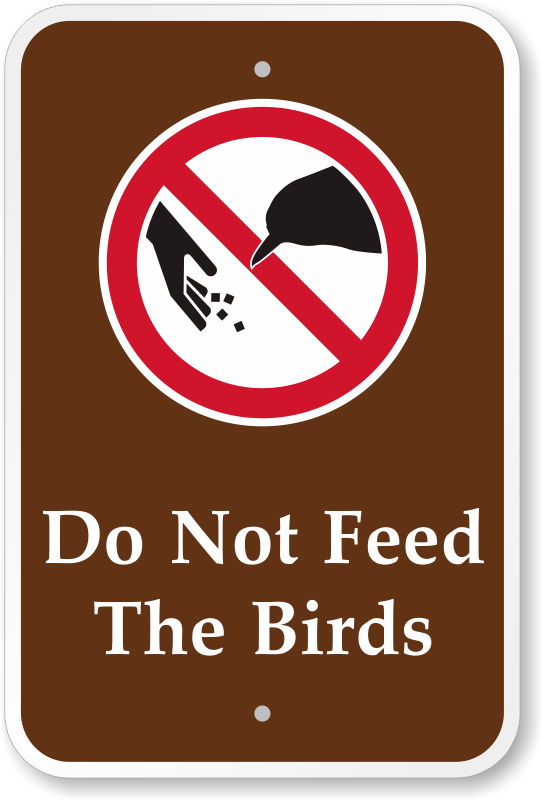
As you reach for a piece of bread to toss to a nearby flock, you notice a small, unassuming sign: "Don't Feed the Birds. " At first, it might seem like just another rule, but have you ever wondered why it's so important?
You're not alone in your curiosity. These signs are more than just park decor. They're a vital part of preserving the balance of nature. Feeding birds might feel like a kind gesture, but it can lead to unforeseen consequences that affect both the birds and the environment. By understanding the reasons behind these signs, you’ll discover how your actions can make a positive impact. Dive into this article to explore the surprising effects of feeding birds and why these signs are crucial for the well-being of our feathered friends. You might just find a new perspective that changes the way you interact with nature.
Credit: www.campgroundsigns.com
Importance Of Wildlife Safety
The safety of wildlife is a crucial aspect of preserving our natural world. Understanding the impact of our actions, such as feeding birds, plays a significant role in maintaining ecological balance. Whether you're strolling through a park or enjoying your backyard, it's important to recognize how these actions affect the animals we cherish.
Why Feeding Birds Can Be Harmful
Feeding birds might seem like a kind gesture, but it often leads to unintended consequences. Human food is generally not suitable for birds. It can cause health problems or even be fatal.
Moreover, feeding can lead to dependency. Birds might rely on handouts rather than foraging for natural food, which can disrupt their natural instincts and survival skills.
Impact On Ecosystem Balance
Bird feeding can alter the natural balance of ecosystems. When birds gather in large numbers due to easy food access, they can outcompete other species. This can lead to reduced biodiversity in the area.
Additionally, concentrated bird populations can increase the spread of diseases. This not only affects birds but can also impact other wildlife sharing the habitat.
Encouraging Natural Behaviors
By not feeding birds, you encourage them to engage in natural foraging behaviors. This is crucial for their survival and well-being. It helps birds maintain their physical health and develop survival skills.
Next time you see a “Don’t Feed the Birds” sign, consider it an invitation to observe and appreciate wildlife in its natural state. Let nature take its course, ensuring a healthier environment for all creatures.
Your Role In Wildlife Safety
What can you do to support wildlife safety? Start by spreading awareness about the importance of not feeding birds. Educate others on the potential harm caused by human interference.
You can also contribute by maintaining bird-friendly habitats. Plant native trees and shrubs to provide natural food sources and shelter for birds.
Think about the impact of your actions. How can you make a positive difference in the lives of the birds around you?
Impact Of Feeding Birds
Signs asking people not to feed birds highlight the importance of maintaining natural ecosystems. Feeding birds can disrupt their natural behaviors and diets, potentially causing harm. Observing these signs helps ensure birds remain healthy and ecosystems stay balanced.
Feeding birds might seem like a harmless and generous act, but it can have surprising effects on bird populations and ecosystems. When you toss a piece of bread or some birdseed to your feathered friends, you might unintentionally disrupt their natural behaviors and diets. These disruptions can lead to serious consequences for both the birds and their habitats.
Disrupting Natural Diets
Birds have evolved over time to eat a variety of natural foods that are available in their habitats. When you feed them human food, it can change their diet significantly. Imagine eating only fast food instead of your usual balanced meals—it’s not healthy. Human food often lacks the essential nutrients birds need to stay healthy. Bread, for example, can fill their stomachs but doesn’t provide them the energy or nutrients they require. This can lead to malnutrition and health problems in birds. When birds rely on your handouts, they might stop searching for their natural food. This can disrupt the balance of the local ecosystem, as birds play a crucial role in things like seed dispersal and pest control. Without their natural diet, the entire food chain can be affected.
Dependency On Human Food
Feeding birds can also create dependency. If birds start relying on humans for food, they may lose their ability to find food on their own. This dependency can be dangerous during times when people aren’t around to feed them, like during vacations or bad weather. Moreover, birds that depend on human food may become less wary of humans, which might put them in harm's way. They might venture too close to roads or predators, not realizing the danger. Have you ever noticed how some birds gather in huge flocks at popular feeding spots? This can lead to overcrowding, increased aggression, and even the spread of diseases among bird populations. It's a domino effect that starts with a simple act of kindness. So, next time you’re tempted to toss some bread to the birds, think about the long-term impacts. What’s a small change you can make to help preserve their natural habits and habitats? Consider observing birds in their natural environment without interfering with their diet. Your small actions can help maintain the delicate balance of nature.
Health Risks To Birds
Feeding birds might seem like a kind gesture. But it can harm them. Many people are unaware of the risks involved. Birds face serious health issues when fed by humans. Understanding these risks is crucial for bird conservation.
Nutritional Deficiencies
Human food often lacks essential nutrients for birds. Bread, for instance, fills their stomachs but provides no value. Birds need a balanced diet. Seeds, fruits, and insects are their natural food sources. When they eat human food, they miss out on these vital nutrients. Over time, this leads to malnutrition. Young birds suffer the most. They need proper nutrition to grow strong and healthy.
Spread Of Diseases
Feeding birds can spread diseases quickly. Many birds gather in one spot to eat. This increases contact among them. Germs and parasites spread easily in such conditions. Disease outbreaks can wipe out entire bird populations. Birds become more vulnerable when they eat at feeding sites. They can catch diseases from contaminated food and surfaces.
Environmental Consequences
Feeding birds may seem harmless, but it impacts the environment significantly. These impacts ripple through ecosystems and affect pollution levels. Understanding these consequences helps protect nature.
Altered Ecosystems
Feeding birds changes their natural behavior. They rely on human food instead of foraging. This shift disrupts ecosystems. Birds no longer spread seeds as effectively. Plant growth can suffer from this change. Predators may also be affected. They lose their natural food sources. This imbalance can lead to fewer bird populations.
Increased Pollution
Feeding birds contributes to pollution. Leftover food attracts pests. It decays and pollutes the environment. Waste accumulates in parks and open spaces. This creates unsightly litter. Water sources can also suffer. Rotting food contaminates lakes and rivers. Pollution harms aquatic life and ecosystems.
Role Of Signage
Signage plays a vital role in public spaces. It helps communicate important messages clearly and effectively. The "Don't Feed the Birds" sign serves an essential purpose. It educates the public and deters harmful behavior. Let's explore these roles further.
Educating The Public
Signs provide essential information. People learn why feeding birds can be harmful. Many do not know feeding disrupts natural habits. It causes dependency on human food sources. This education is crucial for bird welfare. Signs offer simple explanations. They use clear language and images to convey their message.
Deterring Harmful Behavior
Signs act as a reminder. They discourage feeding by highlighting negative impacts. Feeding can lead to health issues in birds. It attracts pests and disrupts ecosystems. A well-placed sign reduces such behavior. It ensures that natural habitats remain balanced. People are more likely to follow rules when informed.

Credit: www.shutterstock.com
Best Practices For Bird Conservation
Bird conservation is essential for maintaining the balance of our ecosystems. Signs like "Don't Feed the Birds" are more than just directives; they guide us in fostering healthy bird populations. Implementing best practices ensures that we're not just protecting birds today but preserving their habitats for future generations. Let's explore how you can actively contribute to bird conservation through some practical approaches.
Supporting Natural Habitats
Birds thrive in environments that closely mimic their natural habitats. Your backyard can become a sanctuary for local bird species. Consider planting native trees and shrubs that provide shelter and food. These plants attract insects, which are essential for many birds' diets.
Water features like bird baths can be added to your outdoor space. They offer birds a place to drink and bathe. Keep them clean to prevent disease transmission. You might be surprised how quickly birds will flock to your yard with these simple changes.
Encouraging Responsible Wildlife Interaction
Feeding birds might seem harmless, but it can disrupt their natural foraging behaviors. Artificial feeding can lead to dependency, making birds less resilient. It's crucial to let birds seek food naturally. Encourage others to respect "Don't Feed the Birds" signs.
Observe birds from a distance. Use binoculars for close-up views without disturbing them. Teach children the importance of respecting wildlife, fostering a lifelong appreciation for nature. Think about your interactions with birds: are they promoting their well-being?
Bird conservation is a collective effort. Your actions can make a difference. By supporting natural habitats and encouraging responsible interaction, you're helping to sustain bird populations. Remember, every small step counts in preserving these beautiful creatures for generations to come.
Credit: mdnautical.com
Frequently Asked Questions
Why Are 'don't Feed The Birds' Signs Important?
'Don't Feed the Birds' signs help protect birds' health by discouraging human food consumption. Human food can harm birds and disrupt their natural diet. Additionally, these signs help maintain balanced ecosystems by preventing overpopulation and reliance on human handouts. They are crucial for preserving wildlife and promoting responsible nature interaction.
What Happens If Birds Are Fed By Humans?
Feeding birds can lead to dependency, making them reliant on humans for food. Human food is often unhealthy for birds, causing malnutrition or illness. Overfeeding can lead to overpopulation, disrupting local ecosystems. It's important to let birds forage naturally for their own food to maintain ecological balance.
How Do 'don't Feed The Birds' Signs Benefit Ecosystems?
These signs protect ecosystems by preventing bird overpopulation and reliance on human food. They encourage birds to forage naturally, maintaining a balanced environment. This helps preserve biodiversity and ensures that natural food sources are utilized effectively, promoting the health of various species within the ecosystem.
Are There Exceptions To Feeding Birds In Public Spaces?
Generally, it's best not to feed birds in public spaces. Exceptions may include wildlife rehabilitation centers or designated feeding areas with proper guidelines. These places ensure birds receive appropriate nutrition without disrupting local wildlife. Always follow local regulations and guidelines regarding feeding birds to protect their wellbeing.
Conclusion
Respecting the "Don't Feed the Birds" sign benefits everyone. Birds find natural food. Feeding disrupts their instincts. It can harm their health. Signs are there for a reason. They protect wildlife. They keep parks clean. Feeding birds causes problems. Overcrowding and disease spread.
It's tempting to feed them. But think of the bigger picture. Observe them peacefully. Let nature take its course. Enjoy their presence without interference. Respect the rules. Preserve the environment. Appreciate the beauty of birds. Their natural behaviors are fascinating.
Let them thrive naturally. Our actions matter. Let's make a positive impact.