


Do you love watching birds flutter around your garden, bringing life and color to your outdoor spaces? It's a joy that many of us share.
But did you know that feeding birds in the summer could actually do more harm than good? You might think you’re helping, but the truth is, our feathered friends thrive better when they fend for themselves during the warmer months.
We’ll uncover the surprising reasons why you should put away the birdseed when the temperature rises. We'll explore how your well-intentioned actions might disrupt their natural behaviors and what you can do instead to support your local bird population. Ready to discover the best ways to truly nurture nature? Let's dive in and learn how you can make a positive impact on the world right outside your window.
Impact On Bird Health
Feeding birds in summer can seem like a kind act. But it can impact their health negatively. Birds rely on natural food sources for balanced nutrition. Feeding them disrupts this balance. It also creates dependency issues. Let's explore these impacts.
Nutritional Imbalance
Birds need a variety of nutrients for good health. Insects, seeds, and fruits offer these nutrients. When we feed them, they get fewer nutrients. Bread and snacks lack essential vitamins and minerals. This leads to malnutrition. A poor diet weakens their immune system. It makes them vulnerable to diseases. Natural food ensures they get a balanced diet.
Dependency Issues
Feeding birds regularly creates dependency. They stop seeking food on their own. This impacts their survival skills. During food shortages, they struggle. Birds need to forage naturally. It helps them stay active and sharp. Dependency affects their natural instincts. It reduces their ability to thrive in the wild.
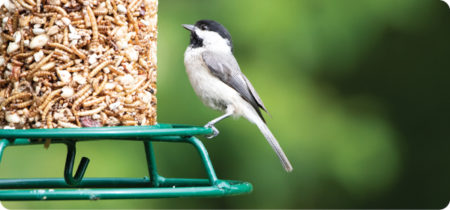
Credit: www.wbu.com
Disruption Of Natural Behavior
Feeding birds in summer disrupts their natural behavior. They rely on finding their own food, which promotes healthy habits. Human intervention can alter migration patterns and survival instincts.
Feeding birds in summer might seem like a kind gesture, but it can seriously disrupt their natural behavior. Birds rely on their instincts to survive and thrive. Providing them with food during this time can alter their habits, leading to long-term consequences. It's important to understand how your actions might impact their natural life cycle.
Altered Migration Patterns
Birds have innate migration patterns that guide them to different locations based on the season. When they find an abundance of food during summer, they might delay their migration or not migrate at all. This can result in them facing harsh conditions that they are not adapted to handle. Imagine a bird that usually flies south during winter staying put because it found plenty of food in your backyard. It might struggle to survive when the weather turns cold. Have you ever thought about how your bird feeder could be sending mixed signals to these creatures?
Interference With Foraging Skills
Birds develop foraging skills to find food naturally. By feeding them, you might be dulling these essential abilities. Young birds, in particular, learn to search for food by observing adults. If they're always fed by humans, they might not develop the skills they need to survive in the wild. Picture a young bird that never learned to forage because it always found food in your garden. What happens when it needs to fend for itself? Consider the impact of your actions on the natural world. Are you helping or hindering the creatures you care about? Let birds embrace their wild instincts, and you might just be contributing to their long-term survival.
Environmental Concerns
Feeding birds in summer often raises environmental concerns. It affects their natural behavior. While it seems helpful, it can lead to negative consequences. Understanding these impacts is crucial for maintaining ecosystem balance.
Spread Of Diseases
Feeding birds in summer can spread diseases easily. Crowded feeding spots increase contact among birds. Germs pass quickly between them. This weakens their immunity. Bird feeders become sources of infections. Keep feeders clean to prevent disease outbreaks.
Impact On Local Ecosystem
Feeding birds disrupts the local ecosystem. It changes their natural feeding patterns. They become dependent on human food. This affects their survival skills. Excess feeding attracts invasive species. It harms native bird populations. Local flora can suffer due to altered bird behavior.

Credit: m.facebook.com
Human Interaction Problems
Feeding birds in summer might seem helpful, but it can lead to problems. Human interaction can change bird behavior and impact ecosystems. Let's explore how feeding birds can affect their natural habits and interactions.
Increased Aggression
Feeding birds can lead to increased aggression among them. Birds fight over food, disrupting their peaceful environment. Aggression can cause injuries, affecting their health. It can also disturb other wildlife in the area.
Habituation Risks
Birds become habituated to humans when fed regularly. They lose their natural fear of humans, which can be dangerous. This can make them dependent on human food sources. Their survival instincts weaken, affecting their ability to find food naturally.
Dependency can lead to starvation if human food stops. Birds need to rely on natural sources for balanced nutrition. Habituation also disrupts their migration and breeding patterns.
Alternatives To Feeding
During the summer, feeding birds might seem helpful. But, it can harm their natural habits. Birds rely on natural food sources. Providing alternatives can support their well-being. Let's explore some effective options to help our feathered friends.
Creating Habitats
Birds need safe places to thrive. Plant native trees and shrubs in your yard. These provide shelter and food. Choose a variety of plants for diverse bird species. Leave some areas wild. Fallen leaves and twigs attract insects. Birds feed on these insects. A natural habitat encourages healthy bird populations.
Providing Water Sources
Summer heat can dehydrate birds. Offer fresh water daily. A simple birdbath works well. Clean it regularly to prevent bacteria. Place stones inside for perching. Birds can drink and bathe safely. Running water attracts more birds. Consider a small fountain or dripper. It creates sound and movement. Perfect for curious birds.

Credit: www.instagram.com
Frequently Asked Questions
Why Shouldn't You Feed Birds In Summer?
Feeding birds in summer can disrupt their natural foraging habits. It may also attract pests and lead to overpopulation. Birds have ample food sources available during this season. Encouraging them to find natural food helps maintain ecological balance.
What Happens If Birds Rely On Feeders?
If birds rely on feeders, they might not develop necessary foraging skills. This dependence can make them vulnerable if feeders are removed. It's crucial for birds to adapt and find natural food sources, ensuring their survival and ecological role.
Does Summer Feeding Affect Bird Health?
Yes, summer feeding can affect bird health negatively. Excessive feeding may lead to obesity and poor nutrition. Birds might consume unhealthy foods from feeders. Natural food sources provide essential nutrients for their well-being and overall health.
Are There Alternatives To Feeding Birds?
Yes, there are alternatives like planting native plants. These provide natural food and shelter for birds. You can also create a bird-friendly habitat with water sources and nesting materials. These methods support birds without disrupting their natural behaviors.
Conclusion
Feeding birds in summer can cause harm. Birds find natural food easily. Let them forage for insects and seeds. This helps them stay healthy. Overfeeding disrupts their natural behavior. It also attracts pests. Balance in nature is vital. Enjoy watching birds in their habitat.
Appreciate their natural feeding habits. Encourage others to do the same. Small actions make a big difference. Protect our feathered friends by respecting their needs. Let's ensure a thriving ecosystem. Birds will thank you in their own way. Keep nature's harmony intact.
Your choice matters for wildlife conservation.