


Are you an avid bird watcher, or perhaps someone who simply enjoys a lively garden filled with chirping feathered friends? If so, you may have wondered whether your bird feeder is attracting more than just birds.
Specifically, you might be concerned about attracting unwanted visitors like rats. It's a common worry, and one that can make you think twice about where and how you feed your garden birds. But before you start dismantling your bird feeder in a fit of worry, let's explore the facts.
Understanding the relationship between bird feed and rats can save you from stress and keep your garden both vibrant and pest-free. Stay with us as we delve into this topic, offering insights that could transform how you enjoy your garden sanctuary.
Bird Feed Basics
Bird feed basics involve understanding what birds eat and its impact. Different feeds attract various bird species to your garden. Many enjoy watching birds flock to feeders. Yet, some worry about attracting pests like rats. Knowing the basics helps you make informed choices.
Types Of Bird Feed
Bird feed comes in various forms. Seed mixes are popular. They often contain sunflower seeds, millet, and corn. Suet cakes provide high energy. They suit woodpeckers and other wild birds. Peanuts are another option. They attract jays, titmice, and chickadees. Each type serves a specific purpose.
Common Ingredients
Bird feed typically includes a mix of seeds and grains. Sunflower seeds are a favorite among many birds. They are nutritious and energy-rich. Millet is small but packed with nutrients. It attracts finches and sparrows. Corn is a cheaper filler. It appeals to larger birds like crows. Suet cakes often contain animal fat. They provide warmth and energy during winter. Peanuts offer protein and fat. Birds love them, but they can attract other wildlife. Understanding these ingredients aids in selecting the right feed.
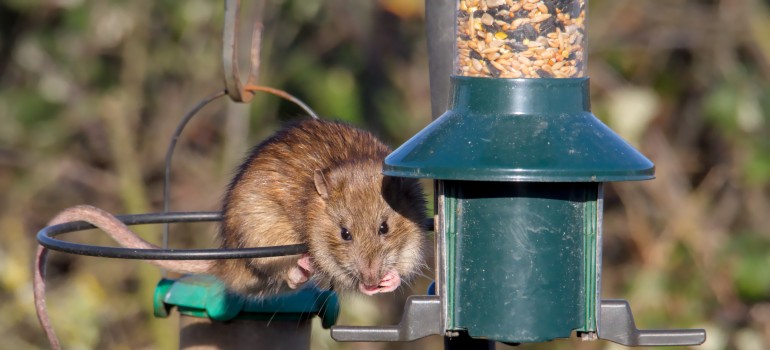
Credit: www.fantasticpestcontrol.co.uk
Why Rats Are Attracted
Bird feeders bring joy to many. But they can also attract unwanted guests. Rats, for instance. These rodents are clever and persistent. They seek out food sources with great determination. Understanding why rats are drawn to bird feed can help prevent infestations.
Nutritional Appeal
Rats need energy-rich foods. Bird seed offers just that. Seeds contain fats and proteins. These nutrients are essential for rats. They help maintain their energy levels. Rats also enjoy the taste of bird feed. This makes it a tempting food source.
Accessibility Factors
Accessibility plays a big role in attracting rats. Bird feeders often hang low. This makes them easy for rats to reach. Spilled seeds on the ground attract rats, too. Easy access encourages repeat visits. Rats are skilled climbers. They can reach feeders hung on poles or branches.
Signs Of Rat Presence
Bird feed can attract rats, especially if it's spilled or easily accessible. Signs of rat presence include droppings, gnawed materials, and tracks. Keeping feeding areas clean helps deter these unwanted visitors.
Bird feeders are a wonderful way to enjoy the beauty of nature right in your backyard. However, they can sometimes attract unwanted guests, like rats. Recognizing the signs of rat presence is crucial in managing and preventing infestations. By understanding both physical evidence and behavioral indicators, you can take action before the problem escalates. Let's explore these signs to help keep your bird-feeding experience pleasant and rat-free.
Physical Evidence
One of the most noticeable signs of rats is their droppings. These are small, dark, and often found near food sources. If you spot droppings around your bird feeder or in your garage, it might indicate a rat problem. Another clue is gnaw marks. Rats have strong teeth that grow continuously, prompting them to chew on various materials. Look for signs of gnawing on wood, plastic, or even metal. Nests are also telling. Rats often build nests from shredded materials like paper or fabric. These nests might be hidden in corners, attics, or basements.
Behavioral Indicators
You might hear unusual noises at night. Rats are nocturnal and typically more active when it's dark. Scratching or scampering sounds in walls or ceilings can be a sign they're nearby. Rats are cautious creatures. If you notice that your bird feed is disappearing faster than usual but see no birds, it could be rats sneaking around when you’re not watching. Be attentive to your pets’ behavior. Dogs and cats often pick up on rat presence before you do. If your pet is unusually alert or focused on specific areas, it might be worth investigating. Have you ever noticed any of these signs around your home? It's important to address them quickly to avoid bigger problems. Taking simple steps like securing your bird feeders can make a big difference. Always be vigilant and proactive to protect your home and enjoy your feathered visitors without worry.
Preventative Measures
Bird feed can attract rats if not managed properly. Simple steps like using seed catchers and storing feed securely help reduce this risk. Keeping feeding areas clean also prevents unwanted visitors, ensuring only birds enjoy the treats.
Preventing rats from invading your bird-feeding sanctuary is crucial. Rats are opportunistic feeders, and if your bird food isn't secured, they might just come calling. But don't worry—there are simple measures you can take to keep these pests at bay. Let's delve into practical solutions that ensure your backyard stays a haven for birds, not rats.
Feed Storage Solutions
Storing bird feed properly is your first line of defense against rats. Keep your bird food in sturdy containers with tight-fitting lids. A metal or heavy-duty plastic container works wonders, ensuring rats can't gnaw their way in. Consider placing these containers in a location that's off the ground and out of reach for rodents. It's also wise to clean up any spilled seeds promptly. Even a few crumbs can attract unwanted guests.
Rat-proof Bird Feeders
Choosing the right bird feeder can make a big difference. Opt for feeders designed to be rat-proof. These feeders often have features like weight-sensitive perches that close off access when heavier animals approach. Some models include cages around the food that only allow small birds to feed. Think about installing a feeder that hangs far from any surface a rat could climb up. Reflect on this: if you were a rat, would you risk an acrobatic stunt for a meal? The goal is to make your feeders as inaccessible as possible. By taking these steps, you can enjoy watching birds without the worry of attracting rats. Have you tried any of these methods? What worked best for you?
Natural Deterrents
Bird feed can lure rats if spilled on the ground, creating easy access for these pests. Keeping feeders clean and using catch trays can help prevent unwanted visitors. Choosing bird feed less appealing to rodents may also reduce attraction.
Feeding birds in your garden can be a delightful experience, but the thought of attracting unwelcome guests like rats can be concerning. Luckily, there are natural deterrents that can help keep these pesky rodents at bay without harming the environment. By using simple, effective strategies, you can enjoy your feathered visitors without the worry of rats crashing the party.
Scent-based Repellents
Rats have an acute sense of smell, which can be your advantage. Strong scents can be particularly off-putting to them. Peppermint oil, for example, is a favorite natural repellent. You can soak cotton balls in peppermint oil and place them around the areas where you feed birds. This not only deters rats but also leaves a pleasant aroma in your garden. Another scent-based option is using cayenne pepper. Sprinkling cayenne around bird feeders can discourage rats from venturing too close. It’s simple, yet effective. Have you tried using scents to keep pests away? It might just be the key to maintaining a rat-free zone.
Use Of Predators
Nature has its own way of balancing ecosystems, and utilizing natural predators is a smart approach. Encouraging birds of prey, like owls or hawks, to visit your garden can naturally control the rat population. Installing owl boxes or perches can invite these majestic creatures to your yard. Cats are another potential ally in your battle against rats. If you or your neighbors have outdoor cats, their presence can act as a deterrent. However, ensure that your bird feeders are designed to keep birds safe from these feline hunters. Have you ever noticed how the presence of a predator changes the behavior of other animals? Nature is fascinating, and sometimes the solution is right in front of us. By implementing these natural deterrents, you can create a harmonious environment where birds and humans coexist peacefully, without the threat of rats. Which method will you try first? Your garden’s ecosystem may thank you for it.
Community Efforts
Community efforts play a crucial role in addressing the issue of bird feed attracting rats. When neighbors come together, they can create effective solutions that minimize the risk of rat infestations. By pooling resources and ideas, communities can make a significant impact on maintaining a rat-free environment.
Collaborative Solutions
Imagine a neighborhood where everyone is committed to keeping rats at bay. It's not just about individual actions; it's about working together. You can start by organizing community meetings to discuss the issue. Share experiences and insights that have worked in your backyard.
Consider setting up a shared calendar for bird feeding times. This can help control the amount of feed available, reducing the chances of attracting unwanted pests. You might even want to create a neighborhood watch program to monitor and report rat sightings.
Wouldn't it be great if everyone knew the most effective types of bird feeders that deter rats? Collaborate on researching and purchasing these feeders as a community project. You can even set up a group fund to make bulk purchases more affordable.
Educating Local Residents
Education is key to changing habits that attract rats. Host workshops or seminars to educate residents on the best practices for bird feeding. Share information on how to store bird feed properly and why it matters.
Use flyers, social media, and newsletters to spread awareness. Highlight the importance of cleaning up fallen seeds and maintaining cleanliness around feeding areas. Have you ever noticed how a simple reminder can make a big difference?
Encourage residents to ask questions and share their concerns. Sometimes, a simple conversation can spark a change in perspective. Engage with local schools to involve students in community projects focused on wildlife and pest management.
Are you ready to join forces with your community and tackle the rat problem head-on? Together, you can make a significant impact and enjoy a safe, clean environment for everyone.
Balancing Bird Feeding And Pest Control
Bird feeders can sometimes attract rats, drawn by spilled seeds and leftovers. Proper placement of feeders helps reduce this risk. Regular cleaning and using baffles can also discourage unwanted pests while still enjoying the beauty of bird watching.
Feeding birds is a delightful hobby that invites nature into your backyard. Yet, the presence of bird feed can sometimes attract less welcome guests like rats. Balancing bird feeding with pest control is essential to enjoy the beauty of birds without the nuisance of rodents. Let's explore how eco-friendly methods and maintaining wildlife harmony can create a balanced environment.
Eco-friendly Approaches
Using eco-friendly methods to deter rats can be effective and sustainable. Start by choosing bird feeders that are designed to minimize spillage. Less spillage means fewer incentives for rats to visit. Consider placing feeders in locations that are challenging for rats to access. Hanging feeders high or using baffles can make a significant difference. Natural repellents can also be useful. Peppermint oil or vinegar sprayed around the feeding area can deter rats without harming birds.
Maintaining Wildlife Harmony
Creating harmony between birds and other wildlife requires thoughtful planning. You can start by maintaining a clean feeding area. Regularly sweep up fallen seeds to prevent rats from finding an easy meal. Engage in a little garden landscaping. Planting shrubs or installing barriers can deter rats while providing shelter for birds. Think about your feeding schedule. Feeding birds during the day when rats are less active can help in reducing unwanted visitors. Have you ever noticed the subtle changes in your garden when birds are frequent visitors? Their presence can transform your outdoor space into a lively haven, but it's crucial to keep the balance right. What steps will you take to ensure your garden remains a bird paradise without turning into a rat resort?
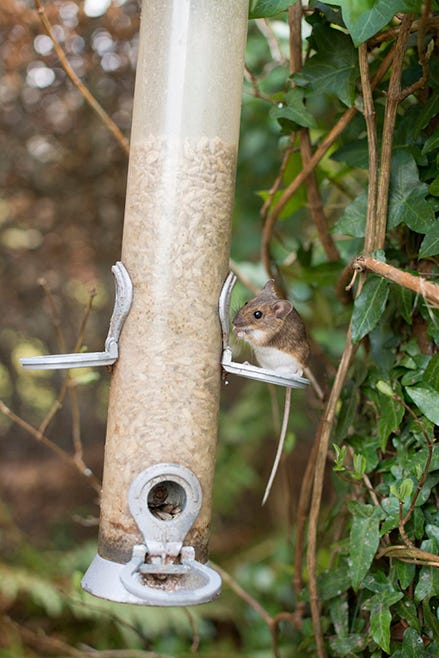
Credit: www.victorpest.com
Credit: www.worthington.org
Frequently Asked Questions
Does Bird Seed Attract Rats?
Yes, bird seed can attract rats if not managed properly. Spilled seed and accessible feeders provide food for rodents. To prevent this, use rat-proof feeders and clean up spilled seed regularly. Storing bird seed in secure containers also helps deter rats.
How To Keep Rats Away From Bird Feeders?
To keep rats away, use baffles and squirrel-proof feeders. Place feeders away from bushes and fences. Regularly clean fallen seeds and use seeds like safflower, which rats find less appealing. Securely store seeds in metal or thick plastic containers to prevent access.
Do Rats Eat Bird Food At Night?
Rats are nocturnal and often feed at night. They may be attracted to bird feeders left out overnight. To prevent this, bring feeders indoors at dusk. Regularly clean feeding areas to remove leftover seeds and debris, reducing the attraction for nocturnal pests.
What Bird Seed Do Rats Dislike?
Rats tend to dislike safflower seeds and nyjer seeds. These seeds are less appealing to rats but still attract a variety of birds. Using these seeds can help reduce rodent visits. Additionally, offering seeds in feeders that prevent spillage can deter rats.
Conclusion
Bird feed can attract rats if not managed carefully. Keep your yard tidy. Use rat-proof feeders to minimize risks. Regularly clean feeding areas to prevent food buildup. Store birdseed in sealed containers. Monitor for signs of rats, like droppings or burrows.
Consider natural deterrents, such as peppermint oil. Enjoy feeding birds without inviting unwanted guests. Simple precautions can maintain a safe, rat-free space. Happy bird watching!