


Ever wondered how birds seem to magically find their way to your bird feeder? It's like they have a secret map leading them straight to your backyard.
But what if I told you there's more to it than meets the eye? By understanding the fascinating ways birds discover feeders, you can turn your garden into a lively bird haven. Prepare to uncover the secrets of avian instincts and behaviors that draw them to your feeder.
Imagine the joy of watching vibrant feathers and hearing cheerful chirps right outside your window. Dive into the mystery with us, and discover how you can attract even more feathered friends to your garden.
Birds' Natural Instincts
Birds possess remarkable instincts guiding them to feeders. Their keen eyesight identifies food sources from afar. Movement and familiar colors attract birds, prompting exploration and discovery of feeding spots. Instincts and learned behaviors work together, ensuring birds find sustenance efficiently.
Birds are fascinating creatures with instincts that guide their survival. Among these instincts is the ability to locate food sources like bird feeders. But how exactly do they know where to find these feeders? This mystery can be unraveled by understanding the natural instincts that birds possess.
Birds' Keen Sense Of Sight
Birds rely heavily on their sense of sight to locate food. Their eyes are specially adapted to detect movement and color. For instance, a bright red bird feeder can catch a bird's eye from a distance. Have you ever noticed how quickly birds flock to a new feeder in your yard? It's their sharp vision at work.
The Role Of Memory
Birds have an impressive memory that helps them remember where food sources are. Once they discover a reliable bird feeder, they will frequently return to it. This memory is crucial for species that migrate, ensuring they revisit familiar feeding spots. Have you ever wondered why birds appear at your feeder around the same time each year? It's because they remember your yard as a trusted food source.
Communication Among Birds
Birds communicate with each other to share information about food locations. They use calls and songs to alert others about newly discovered feeders. A single bird at your feeder can soon attract a whole flock. This social behavior enhances their ability to find food efficiently. Have you seen this happen in your backyard? It's a testament to the power of their communication.
The Influence Of Curiosity
Curiosity drives birds to explore new areas and investigate potential food sources. This curiosity is particularly strong in younger birds. They learn from experiences and pass these lessons to others. Next time you spot a bird cautiously approaching a feeder, remember it's their natural curiosity leading them. Understanding these instincts helps us appreciate the complex behaviors of birds. The next time you refill your bird feeder, consider the intricate instincts at play. What other animal behaviors have you observed that seem almost instinctual?

Credit: www.gardengatemagazine.com
Role Of Senses In Feeding Behavior
Birds find feeders using their keen senses. They rely on sight to spot food and colorful feeders. Hearing helps them detect other birds gathering around feeders, signaling food presence. Their sense of smell guides them to familiar scents, enhancing their feeding behavior.
Birds are fascinating creatures that rely on their senses to find food, including your backyard bird feeder. Understanding how birds use their senses can enhance your bird-watching experience and help you attract more feathered friends. Let's dive into the role of senses in feeding behavior.
Vision And Color Attraction
Birds have exceptional vision, allowing them to spot food sources from great distances. Many birds are attracted to bright colors, which can signal the presence of food. For instance, have you ever noticed how hummingbirds are drawn to red and orange feeders? These colors mimic the flowers they naturally feed from. Adding brightly colored feeders or decorations can make your yard more appealing to birds. What colors have you noticed attract the most birds in your area?
Sound And Movement Perception
Birds are also sensitive to sounds and movements. A gentle rustling of leaves or the sound of water can draw their attention. If you've ever seen a bird feeder swaying in the wind, you might have noticed how it attracts curious birds. The movement suggests potential food and safety, prompting birds to investigate. Try adding a small water feature or wind chime near your feeder to see if it increases bird visits. Have you experimented with sound or movement to attract birds? Understanding these sensory cues can transform how you set up your bird feeder. By appealing to their senses, you create an inviting space for birds, enriching your own backyard experience. Which sense do you think plays the biggest role in attracting birds to your feeder?
Learning And Experience
Birds often find feeders through sight and sound, noticing the movement of other birds. Curiosity leads them to explore new areas, and their keen eyesight helps spot food sources like feeders. Social learning also plays a role, as they observe and mimic the behavior of experienced birds.
Birds are fascinating creatures with keen instincts. One intriguing behavior is their ability to find and use bird feeders. They do not possess maps, yet they seem to know exactly where to go. Learning and experience play a significant role in this process. Birds use observation and memory to locate feeders and return to them. This section explores how birds learn through observation and experience.
Observation Of Other Birds
Birds often learn by watching their peers. They observe other birds visiting feeders. This helps them understand that feeders offer food. Curious birds follow the crowd. They see the benefits firsthand. Watching others leads them to investigate further. This social learning is crucial.
Memory And Habituation
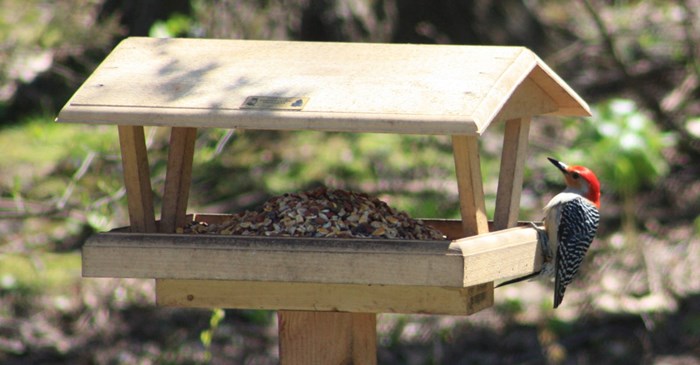
Birds rely heavily on memory. Once they find a feeder, they remember its location. This helps them return again and again. Over time, visiting becomes a habit. Familiarity with the surroundings aids memory. Birds use landmarks to find feeders easily. Habituation strengthens their routine. Regular visits ensure they get food.
Credit: www.lyricbirdfood.com
Impact Of Environment
Birds are fascinating creatures, and their behavior often intrigues us. One question many ask is: How do birds find bird feeders? The environment plays a significant role in guiding birds to these feeders. Understanding this impact helps us appreciate how birds adapt and survive.
Availability Of Food Sources
Birds are always on the lookout for food. Their survival depends on it. In areas with scarce natural food, bird feeders become attractive. Birds use their keen senses to locate these new food sources. This is especially true in urban areas where natural food is limited.
Birds also communicate with each other. They share information about food locations. When one bird finds a feeder, others soon follow. This communal behavior ensures they all benefit from the available food.
Seasonal Changes And Migration Patterns
Seasons affect food availability. During winter, natural food sources dwindle. Bird feeders provide a critical food supply during these times. Birds remember locations of feeders from previous seasons. This memory aids them during their migratory journeys.
Migration also influences feeder visits. Birds travel great distances in search of warmer climates. On their way, they stop at familiar feeding spots. Feeders act as reliable food stations during these journeys. The consistency of a feeder's presence reassures migrating birds. They return year after year, knowing they will find nourishment.
Human Influence On Bird Feeding
Birds often find feeders by observing other birds. They notice the activity and follow the crowd. Bright colors and the sound of seeds attract them, too. Over time, birds learn which spots provide food, returning regularly for a meal.
Birds naturally forage for food, but human influence has significantly altered their feeding habits. When you hang a bird feeder in your backyard, you're not just providing a snack; you're creating a mini ecosystem. This interaction raises an intriguing question: how do birds instinctively know where to find these feeders?
Design And Placement Of Feeders
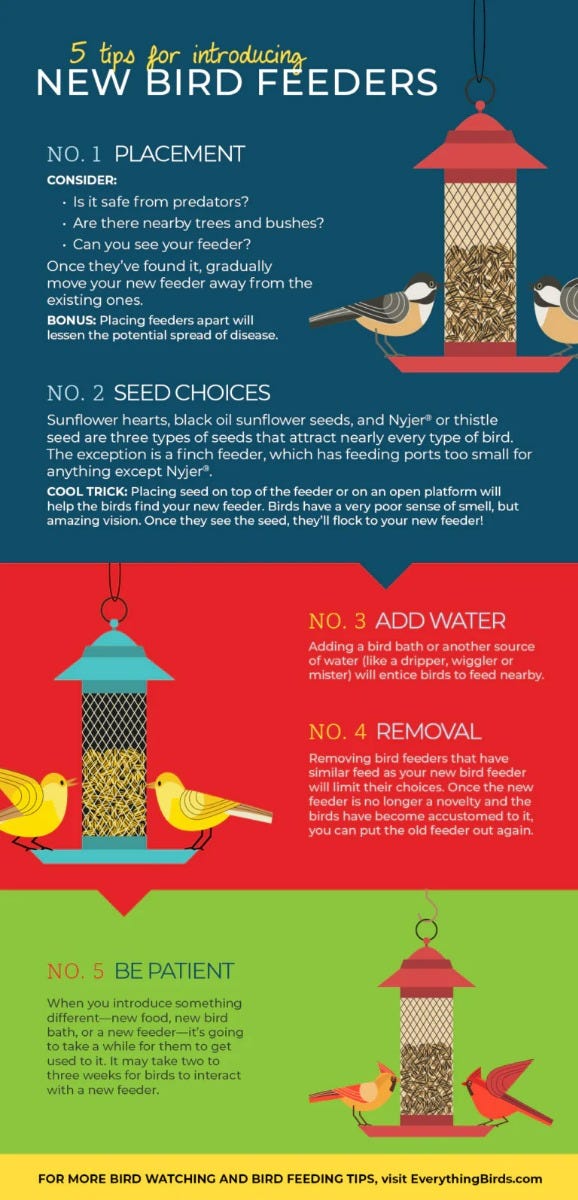
The design and placement of your bird feeder play a crucial role in attracting avian visitors. Brightly colored feeders can catch a bird's eye from a distance. A red or orange hue can mimic the vibrant colors of flowers and fruits, hinting at a food source. Think about where you place the feeder. Is it easily visible from above? Birds often spot feeders from the sky, so placing them in open areas can increase their visibility. My experience of moving a feeder from a shady spot to a sunlit area resulted in more feathered guests almost overnight.
Provision Of Suitable Food Types
Offering the right food is just as important as the feeder's design. Different birds are attracted to different foods. Sunflower seeds, for instance, are a universal favorite and can lure a variety of species. Variety is the spice of life, even for birds. You could try suet cakes, peanuts, or even mealworms. This not only attracts more species but also encourages them to return. Imagine you’re a bird: would you revisit a feeder that offers a bland, unappealing seed mix? Probably not. By offering appealing food types, you create a reliable source that birds will remember and return to. Every adjustment you make, from the feeder's color to the seed mix, sends signals to birds. Have you considered how these choices impact your local bird population? The changes you make can turn your backyard into a vibrant bird haven.
Credit: www.perkypet.com
Adaptation To Urban Settings
Birds discover bird feeders by observing other birds and recognizing food cues. Their keen senses and memory guide them. Urban adaptations allow them to learn quickly and find resources efficiently, ensuring survival in bustling environments.
Birds are remarkable creatures, especially when it comes to adapting to urban settings. As cities expand and natural habitats shrink, birds have found unique ways to thrive in environments dominated by concrete and steel. This adaptation is not just a survival tactic; it's a fascinating demonstration of nature’s resilience. You might wonder how birds know to visit bird feeders, especially in busy urban areas. The answer lies in their ability to adapt and learn from their surroundings.
Interaction With Humans
Birds have become keen observers of human behavior. If you've ever put out a bird feeder, you might have noticed how quickly birds start visiting. They’ve learned that humans can be reliable sources of food. By watching us, birds identify safe spots and regular feeding times. This interaction creates a bond where birds feel comfortable around our homes, making them regular visitors at feeders. Have you ever felt the joy of watching a sparrow flutter by your window? It's a small reminder of how our presence impacts their lives.
Challenges And Benefits
Urban settings pose unique challenges for birds. Noise pollution can disrupt their communication, while tall buildings can interfere with their flight paths. Yet, birds have adapted beautifully to these challenges. They learn to navigate busy streets and find creative ways to nest in unconventional spaces. On the flip side, cities offer benefits like easy access to food through feeders and gardens. These resources provide nourishment, aiding their survival in less hospitable environments. Think about how your simple act of setting up a feeder can support local bird populations. Birds' adaptation to urban life showcases their incredible resilience. How can we continue to support these feathered friends in our urban jungles? It starts with understanding their needs and appreciating their presence in our lives.
Scientific Studies And Observations
Birds seem to have an uncanny ability to find bird feeders, even if they are new additions to your yard. How do they do it? Scientific studies and observations provide fascinating insights into the behavior and intelligence of these feathered creatures. Researchers have spent years observing and analyzing bird behavior to understand this phenomenon, revealing intriguing findings that might surprise you.
Research On Bird Behavior
Scientists have dedicated extensive research to understanding how birds locate feeders. It's not just luck or chance. Birds rely on a mix of visual cues and social learning. They watch other birds and learn from their successes. This means your backyard feeder could quickly become the talk of the avian neighborhood.
Birds have excellent vision, allowing them to spot food sources from afar. They are drawn to the colors and shapes that stand out in their environment. If you notice birds flocking to your feeder, it's likely because they've recognized it as a reliable food source.
Case Studies And Findings
Studies have shown that birds use both memory and observation to locate food. In one study, researchers found that birds could remember the location of feeders and return to them consistently. This implies a level of intelligence and memory retention that many people underestimate.
Another fascinating finding is the role of social behavior. Birds often follow others in their species to food sources. Researchers observed that once a few birds discover a feeder, others quickly follow. This social learning accelerates the process of feeder discovery.
Have you ever noticed that your feeder attracts more birds after the first few visits? It's not just coincidence. It's the result of collective bird behavior and learning. So, next time you see a feathered friend at your feeder, consider the intricate web of intelligence and observation that brought them there.
What can you learn from these studies? Perhaps the key to attracting birds lies in making your feeder as visible and inviting as possible. Think about the colors and placement. How can you stand out in your neighborhood, just like a bird feeder in a garden?
By understanding these scientific insights, you can make your backyard a more welcoming place for birds. Observing their behavior might just offer you a fresh perspective on how nature operates right outside your window.
Frequently Asked Questions
How Do Birds Find Bird Feeders?
Birds use their keen eyesight and memory to locate bird feeders. They often spot feeders while flying or perching. Birds also learn from other birds. When one bird finds a feeder, others may follow. Bright colors and moving parts can attract birds' attention to feeders.
Do Birds Remember Where Feeders Are?
Yes, birds have excellent memories and can remember feeder locations. They rely on landmarks and visual cues to navigate. Once they find a reliable food source, they will revisit it frequently. If a feeder is moved, it might take them some time to adjust.
What Attracts Birds To New Feeders?
Birds are attracted to feeders by food, color, and movement. Providing a variety of seeds can entice different species. Brightly colored feeders catch their eye, while gentle movements, like swaying in the wind, can draw them in. Positioning feeders near bird-friendly environments helps too.
Why Do Some Feeders Attract More Birds?
Some feeders attract more birds due to their location and food variety. Placing feeders in safe, quiet areas increases visits. Offering multiple seed types can cater to various bird species. Cleanliness and regular refilling also play a role in attracting more birds.
Conclusion
Birds find feeders through sight and sound. They see the food and hear other birds. Curiosity drives them to explore new sources. Over time, they learn where food is abundant. Consistent feeding helps build a routine. Birds remember safe and reliable places.
Observing other birds also guides them. Social behaviors play a key role. Feeders become a dependable resource. Patience pays off when attracting birds. Providing food regularly encourages visits. A peaceful environment keeps them coming back. Enjoy watching these fascinating creatures discover your feeder.
Keep it filled and clean for best results. Your backyard can become their favorite spot.