


Imagine this: you're sitting in your garden, sipping your favorite beverage, and enjoying the cheerful chirping of birds. You toss a few salted peanuts their way, hoping to treat your feathered friends.
But wait – is this safe for them? Feeding birds can bring joy and a sense of connection with nature, but it's crucial to ensure their health isn't compromised by our good intentions. You might wonder if the salt in those peanuts could be harmful.
You'll discover the truth about whether or not you should feed salted peanuts to birds. Stay with us to learn how to keep your backyard visitors healthy and happy, and to make sure you're not unintentionally putting them at risk.
Birds And Their Dietary Needs
Birds are fascinating creatures with diverse dietary needs. Each species has unique nutritional requirements. Understanding these needs helps in providing the right food. It also ensures their health and longevity.
Birds eat a variety of foods, including seeds, insects, and fruits. Some species are omnivorous, while others stick to specific diets. Offering the wrong food can harm their health. This makes understanding their diet crucial.
Understanding Bird Nutrition
Bird nutrition involves proteins, fats, carbohydrates, vitamins, and minerals. These nutrients support their growth and energy needs. A balanced diet ensures proper functioning and vitality.
Proteins are vital for muscle development. Fats provide energy and warmth, especially in cold weather. Carbohydrates are an energy source, supporting their daily activities.
The Role Of Seeds And Nuts
Seeds and nuts are common in many birds' diets. They provide essential fats and proteins. Birds like finches and parrots enjoy them. Yet, not all seeds and nuts are safe for every bird.
Some nuts, like peanuts, can be harmful if salted. Salt affects birds' health negatively. It's crucial to offer unsalted varieties.
The Dangers Of Salt For Birds
Salt can be toxic to birds. It affects their nervous system and kidneys. Even small amounts can be harmful. Symptoms of salt poisoning include thirst, weakness, and seizures.
Always check food labels for salt content. Ensure you provide safe and healthy options.
Providing A Balanced Diet
A balanced diet is key to keeping birds healthy. Offer a mix of seeds, fruits, and vegetables. Include protein-rich foods like mealworms or insects. Avoid processed foods and those high in salt.
Observe your bird's eating habits. Ensure they are getting a variety of nutrients. This promotes their overall well-being.
Credit: www.perkypet.com
Common Bird Foods
Birds enjoy a diverse range of foods in their natural habitat. Understanding their diet helps in attracting and nourishing them. Different bird species have varied preferences. Some birds like seeds, others prefer fruits, while some go for insects. Each food type offers essential nutrients. Providing a mix can attract a variety of birds to your yard.
Seeds And Nuts
Seeds are a staple in many birds' diets. Sunflower seeds are popular and nutritious. They provide energy and are easy to eat. Millet and safflower seeds are also favored by small birds. Nuts like peanuts and almonds offer protein. But avoid salted or flavored nuts. Natural nuts are best for birds.
Fruits And Berries
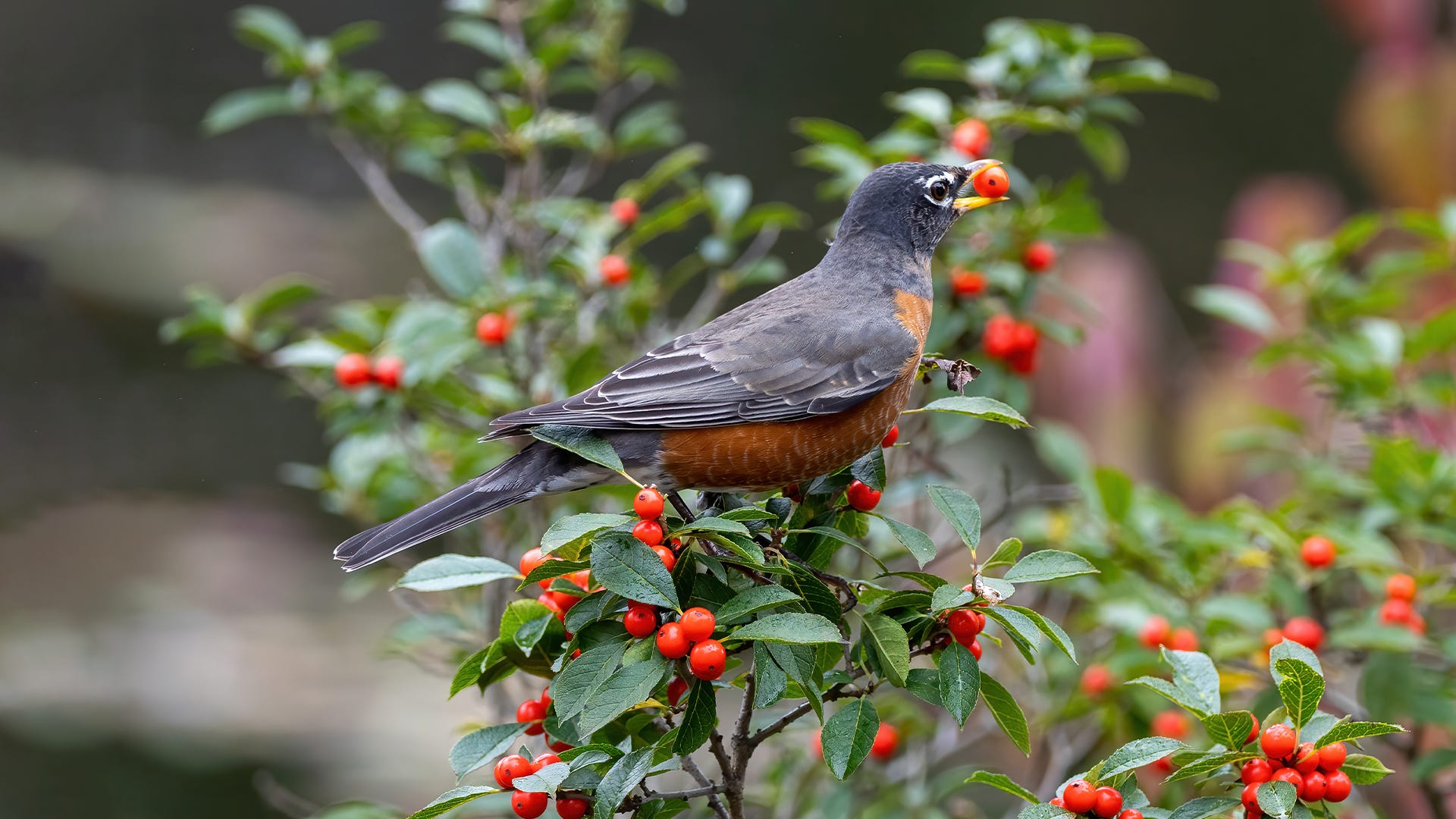
Many birds have a sweet tooth. They enjoy fruits and berries. Apples, oranges, and grapes are common favorites. Chop them into small pieces for easy consumption. Berries like blueberries and raspberries are also loved. Fresh and dried fruits both work well. Ensure they are free from additives.
Insects And Worms
Insects provide protein for birds. Many birds hunt for insects naturally. Mealworms are a popular choice. They are easy to find and nutritious. Crickets and beetles are also relished by birds. Live or dried insects can be offered. Birds appreciate the variety and nutrition they provide.
Peanuts In Bird Diet
Have you ever wondered if the peanuts you snack on could be a treat for your backyard birds? Peanuts are more than just a tasty snack for us; they play a significant role in the bird diet. But there's a catch—those salted peanuts might not be as safe for birds as you think. Let's dive into the specifics of how peanuts can be a part of a bird's diet.
Nutritional Benefits
Peanuts are packed with protein and healthy fats, making them a nutritious option for birds. These nutrients help birds maintain their energy levels, especially during the colder months when food is scarce. Imagine a chickadee building up its energy reserves with the help of peanuts. That's what makes them such a valuable food source.
But it's not just about energy. Peanuts also contain essential vitamins like Vitamin E. This vitamin can help enhance a bird's immune system. However, it's crucial to offer peanuts that are unsalted and raw. Salted peanuts can harm birds, leading to dehydration and health issues.
Popularity Among Birds
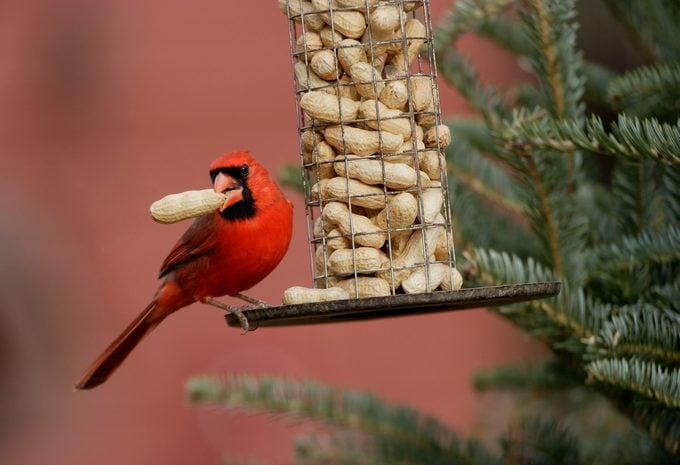
Peanuts are a favorite among various bird species. From blue jays to woodpeckers, many birds flock to feeders stocked with peanuts. Watching a blue jay skillfully crack open a peanut shell is a delightful sight. The joy of seeing different birds visit your garden can be a rewarding experience.
It's interesting how birds can be picky eaters. Some might ignore seeds and head straight for the peanuts. This preference can be used to attract specific birds to your backyard. By offering peanuts, you might see an increase in bird visitors, turning your garden into a lively hub of activity.
Is your bird feeder attracting a variety of birds? If not, consider adding peanuts to see the change. But remember, always opt for unsalted peanuts to ensure the safety and health of your feathered friends.
Credit: www.birdsandblooms.com
Effects Of Salt On Birds
Birds need a balanced diet to stay healthy. Feeding salted peanuts can disrupt this balance. Salt affects birds in various ways, causing harm to their bodies. Understanding these effects is crucial for bird enthusiasts. Let's explore how salt impacts birds.
Digestive System Impact
Salted peanuts can upset a bird's stomach. Too much salt irritates the digestive tract. Birds may experience discomfort or pain. Their bodies struggle to process excess salt. This leads to dehydration and other digestive issues. Birds need water to manage salt intake. Without enough water, they suffer more.
Long-term Health Risks
Regular exposure to salt poses risks. It can lead to kidney damage. Birds' kidneys cannot handle high salt levels. This affects their ability to filter waste. Over time, kidney problems worsen. Salt also impacts their blood pressure. High blood pressure can be dangerous for birds. It may shorten their lifespan.
Alternatives To Salted Peanuts
Feeding birds in your garden is a delightful activity. But salted peanuts can harm them. Salt affects their health negatively. Fortunately, there are safer alternatives. These options provide nutrition without risks. Let's explore some of them.
Unsalted Peanuts
Unsalted peanuts are a great option for birds. They are natural and healthy. Birds find them tasty and safe. Unsalted peanuts offer essential nutrients. They help in muscle development and energy supply. Always choose fresh and unsalted varieties. Ensure they are free from any additives. This keeps the birds healthy and happy.
Specialized Bird Feed
Specialized bird feed is an excellent choice. It is designed for birds' needs. This feed contains balanced nutrients. It's safe and supports bird health. You can find it in pet stores easily. Choose a mix suitable for local species. Look for options with seeds, grains, and dried fruits. They provide diversity in the birds' diet. Specialized feed attracts a variety of birds to your garden.

Credit: birdseedandbinoculars.com
Safe Feeding Practices
Feeding birds can bring joy and life to your garden. It's crucial to ensure their health with safe feeding practices. Salted peanuts might tempt, but caution is key. Birds need proper nutrition for energy and survival. Let's explore how to feed them safely.
Moderation And Variety
Don't offer salted peanuts every day. Salt can harm birds if consumed often. Instead, mix different foods in their diet. Seeds, grains, and fruits provide essential nutrients. Variety keeps them healthy and avoids overexposure to salt. Moderation ensures safety.
Observing Bird Behavior
Watch how birds react to new foods. Some may avoid salted peanuts entirely. Others might eat them eagerly. Observation helps in adjusting feeding practices. Notice any changes in their behavior or health. This awareness aids in providing a balanced diet.
Frequently Asked Questions
Are Salted Peanuts Safe For Birds?
Salted peanuts are not safe for birds. The high salt content can harm their kidneys and lead to dehydration. Birds require unsalted peanuts, as their bodies cannot process excess salt. For a healthy diet, opt for unsalted and natural peanuts.
What Happens If Birds Eat Salted Peanuts?
If birds eat salted peanuts, they may experience dehydration and kidney problems. The excessive salt intake can disrupt their electrolyte balance. Over time, this can lead to serious health issues. Always offer birds unsalted peanuts to ensure their well-being.
Can Birds Digest Salt In Peanuts?
Birds struggle to digest salt found in salted peanuts. Their bodies are not equipped to handle high salt levels. This can lead to dehydration and other health concerns. It's best to provide birds with unsalted peanuts for their safety.
Are There Alternatives To Salted Peanuts For Birds?
Yes, there are alternatives to salted peanuts for birds. Unsalted peanuts, sunflower seeds, and millet are great options. These alternatives are healthier and provide necessary nutrients. Always choose unsalted and natural options for feeding birds.
Conclusion
Birds need the right diet for their health. Salted peanuts aren't safe for them. Salt can harm birds, causing dehydration or worse. Opt for unsalted peanuts instead. They provide nutrition without the risk. Birds will thrive with safer food choices.
Always check food labels before feeding birds. Your backyard visitors will thank you. Enjoy watching them flourish in their natural habitat. Providing safe food creates a healthy bird environment. Keep your feathered friends happy and well-fed. Remember, a simple change makes a big difference.
Your actions support bird health and well-being.